Ureas are identified as the first neutral O-donors broadly effective in stabilizing ionic liquids and other salts of boron-centred cations: synthesis and detailed characterization
Margaret E. Crowley, Gabriel A. Merchant, James H. Davis, Christopher D. Stachurski, Matthias Zeller, E. A. Salter, A. Wierzbicki, Paul C. Trulove, David P. Durkin, Grace L. Kingrey, Edgar E. Escalante, Richard A. O'Brien, Novita M. Whillock

TL;DR
Ureas help stabilize boronium ions, expanding their use in ionic liquids with unique properties like H-bond donation.
Contribution
Ureas are shown to be effective neutral O-donors for stabilizing boronium cations, enabling new structural and functional possibilities.
Findings
Ureas combined with amines stabilize boronium cations, broadening their structural diversity.
Urea-stabilized boronium ionic liquids act as effective H-bond donors despite being aprotic.
These materials resist de-ionization in the presence of bases, unlike protic ionic liquids.
Abstract
Stimulated by recent work showing them to be promising electrolytes in batteries and supercapacitors, and to have useful levels of antibacterial, antifungal, and antiviral activity, there is growing interest in salts of boron-centered cations – boronium ions. However, compared to the number of existing structural variants among molecular cations such as ammonium ions, that of boroniums is minescule. This likely stems from the narrow scope of Lewis base types – largely amines and N-heterocycles – known to stabilize cationic boron centres. We have now determined that ureas, in combination with amines, are effective in stabilizing boronium cations, greatly enhancing the scope of structural-geometric space which can be explored with these compounds. And, depending on the specific urea utilized, ionic liquids based upon the new boroniums are effective H-bond donors despite being ‘aprotic’…
Genes, proteins, chemicals, diseases, species, mutations and cell lines named across the full text — each resolved to its canonical identifier and authoritative record.
Click any figure to enlarge with its caption.
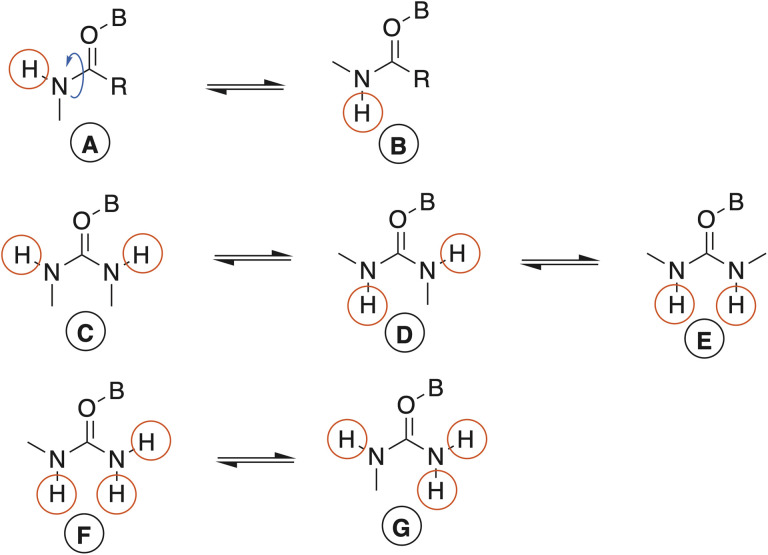 Figure 1
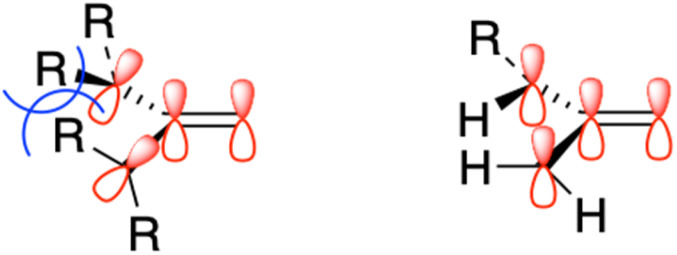 Figure 2
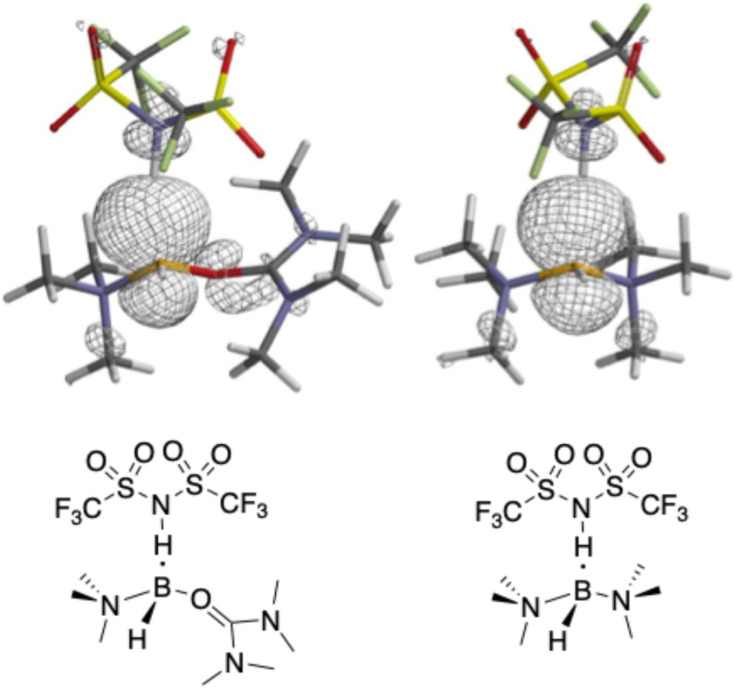 Figure 3
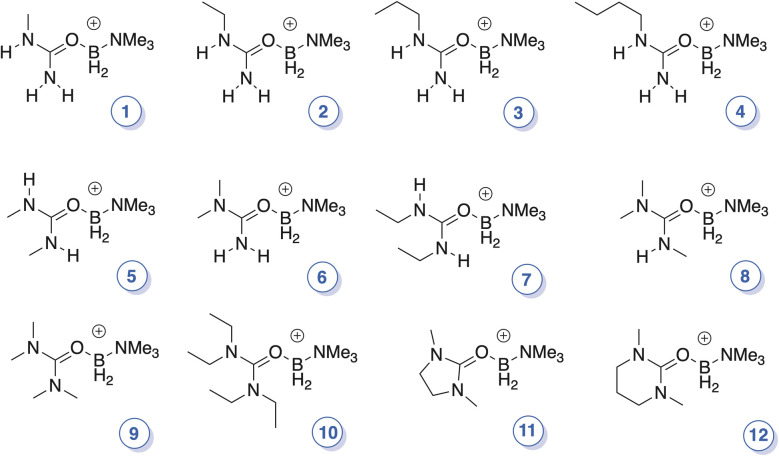 Figure 4
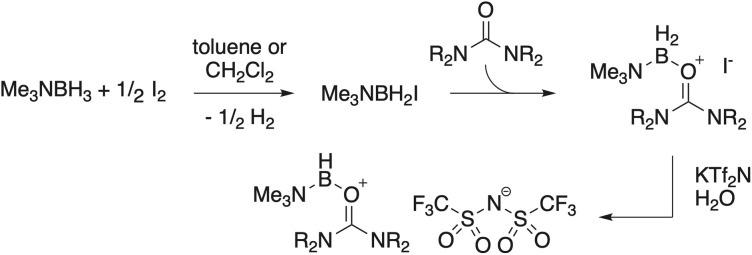 Figure 5
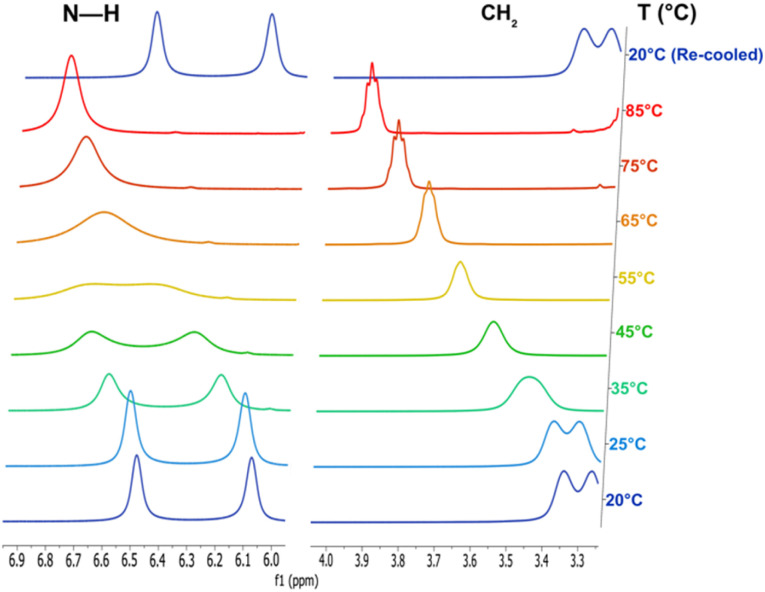 Figure 6
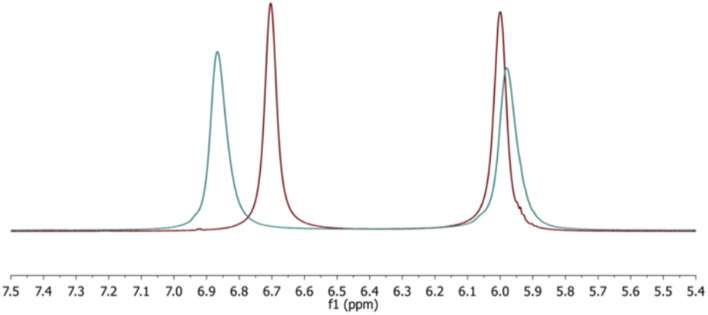 Figure 7
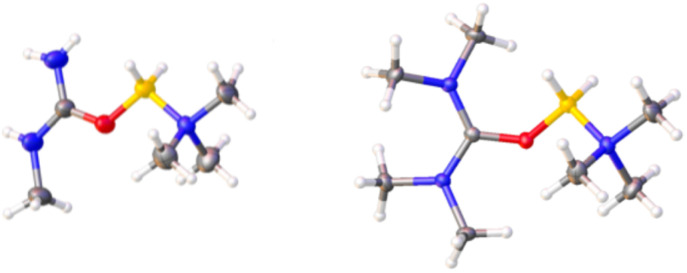 Figure 8
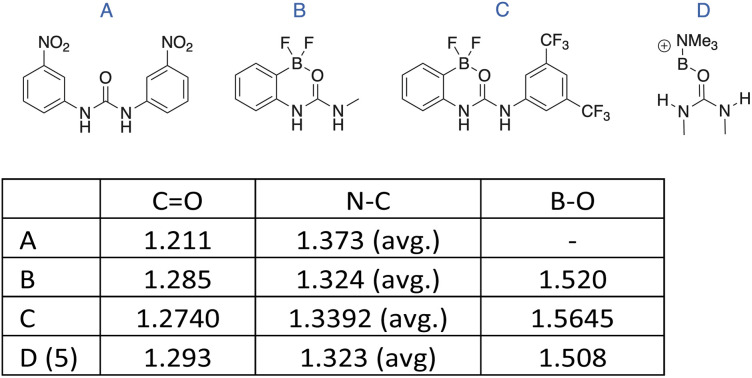 Figure 9
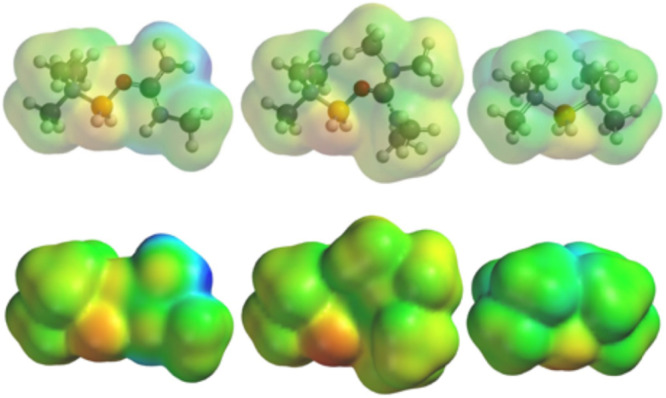 Figure 10
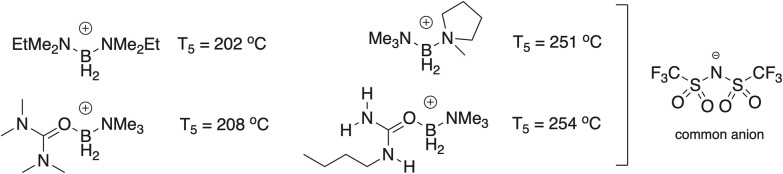 Figure 11
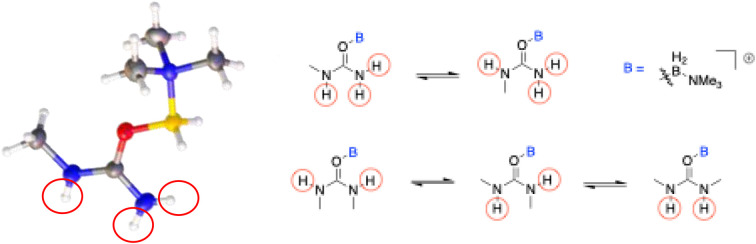 Figure 12
Peer Reviews
No public reviews on file for this paper yet. If you reviewed it on a platform where reviews are public (OpenReview, ICLR, NeurIPS, ICML), you can paste yours below so the community can read it here.
Videos
No videos yet. Explain this paper in a talk, walkthrough, or lecture? Add one.
Taxonomy
TopicsOrganoboron and organosilicon chemistry · Ionic liquids properties and applications · Synthesis and characterization of novel inorganic/organometallic compounds