Blade-Coated All-Polymer Organic Solar Cells with 15% Efficiency Using Eco-Friendly Solvent Systems
Mohamed el Amine Kramdi, Aral Karahan, Lydia Abbassi, Takeshi Watanabe, Hidehiro Sekimoto, Olivier Margeat, Jörg Ackermann, Carmen M. Ruiz Herrero, Christine Videlot-Ackermann

TL;DR
Researchers created efficient, eco-friendly organic solar cells using a scalable coating method and green solvents, achieving 15% efficiency.
Contribution
First scalable fabrication of PM6:PY-IT all-polymer solar cells using eco-friendly o-xylene and doctor-blade coating at ambient conditions.
Findings
Achieved 15% power conversion efficiency using PM6:PY-IT with green solvents and doctor-blade coating.
Optimized film morphology and crystallinity confirmed via AFM, TEM, and GIWAXS.
Ambient processing and scalable techniques demonstrated potential for sustainable manufacturing.
Abstract
Organic solar cells (OSCs) offer distinct advantages, such as solution processability, mechanical flexibility, and semitransparency. Recent advancements in polymerized small-molecule acceptors (PSMAs) enable high efficiencies in all-polymer solar cells (all-PSCs). As a promising candidate for next-generation organic photovoltaics, all-PSC technology holds a strong potential for large-scale commercialization, provided that device performance aligns with market demands. Critical factors influencing this transition include the development of environmentally friendly fabrication methods, as well as the optimization of active layer morphology and enhancement of charge transport layer quality. Currently, spin-coating is the predominant method for fabricating small-area OSCs, though it typically relies on toxic solvents, limiting its scalability and environmental compatibility. In this work,…
Genes, proteins, chemicals, diseases, species, mutations and cell lines named across the full text — each resolved to its canonical identifier and authoritative record.
Click any figure to enlarge with its caption.
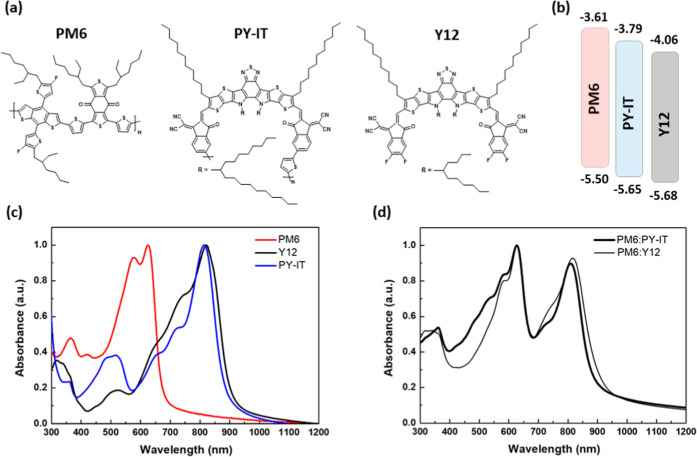 Figure 1
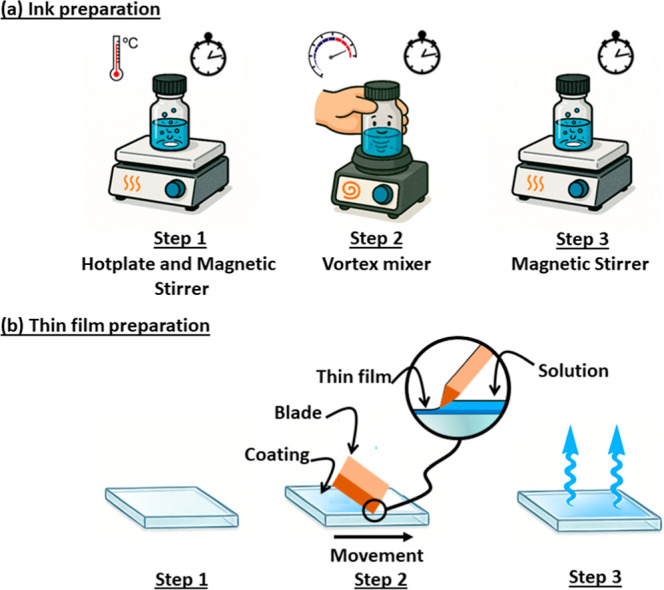 Figure 2
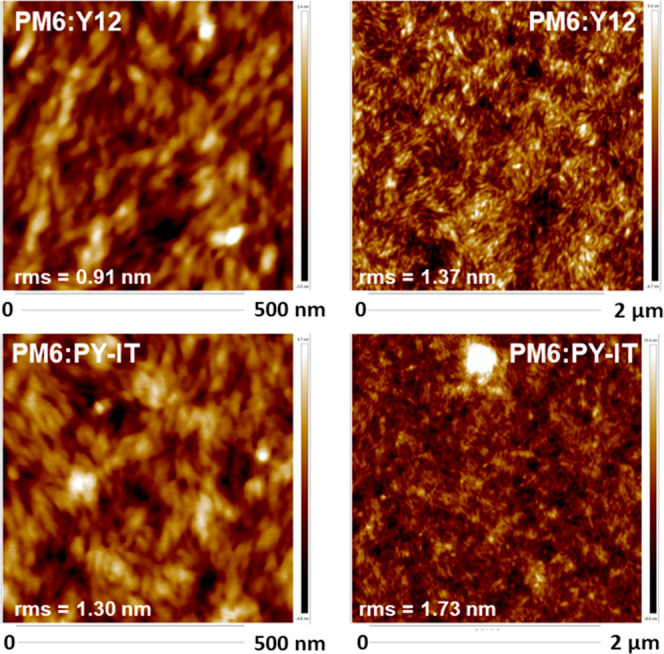 Figure 3
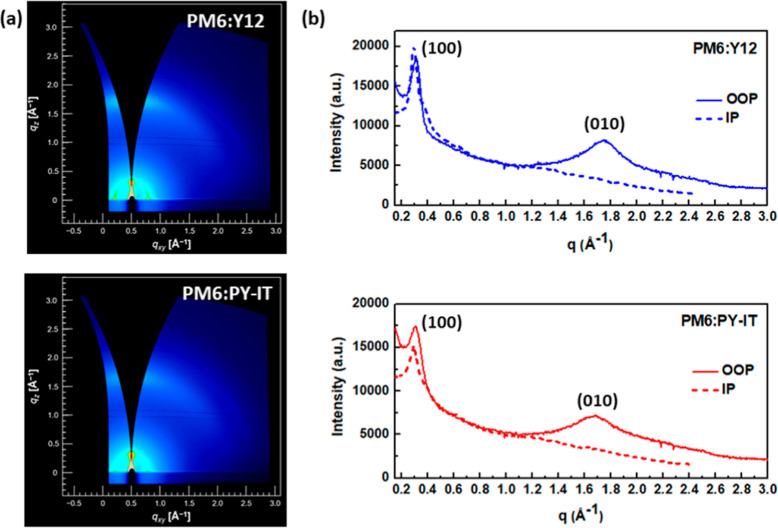 Figure 4
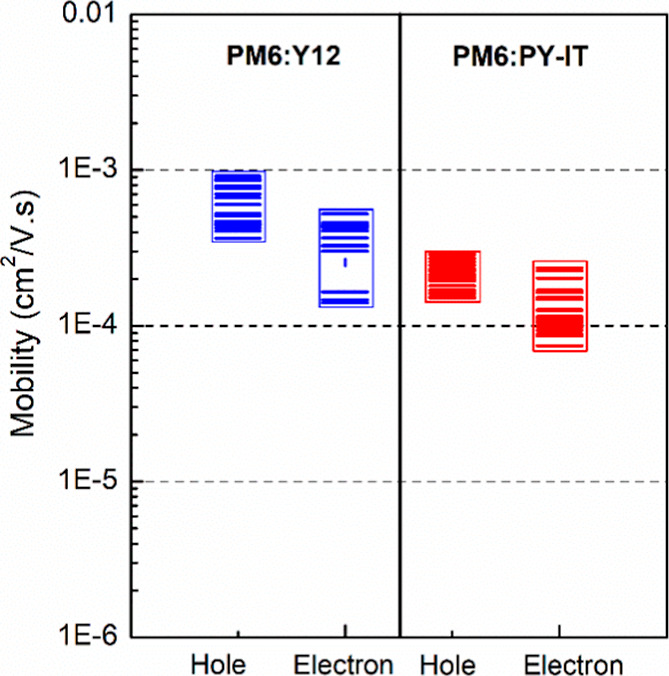 Figure 5
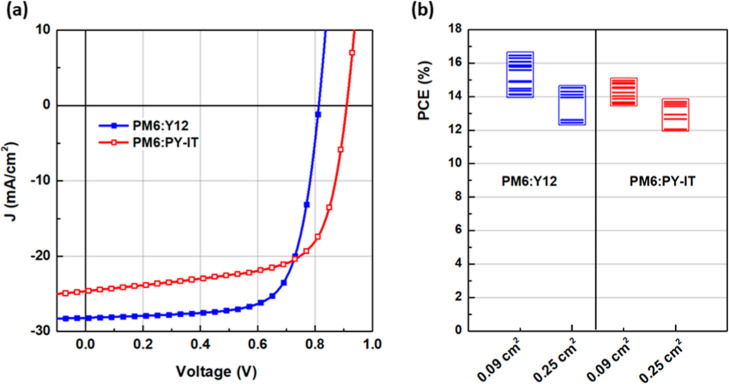 Figure 6
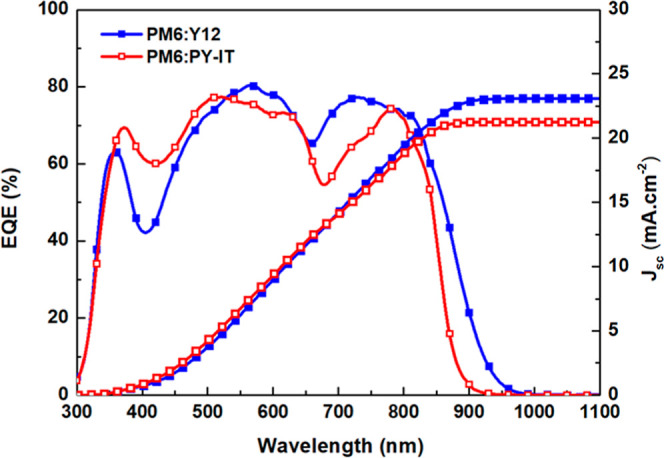 Figure 7
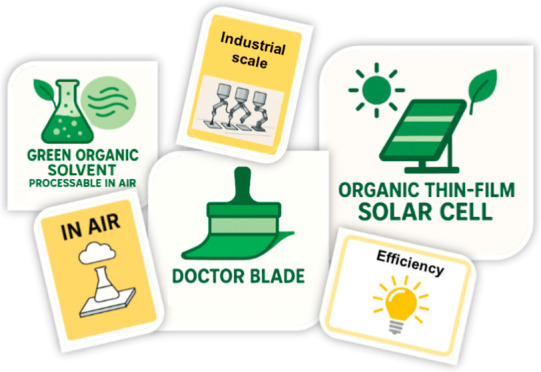 Figure 8
 Figure 9
 Figure 10
 Figure 11
Peer Reviews
No public reviews on file for this paper yet. If you reviewed it on a platform where reviews are public (OpenReview, ICLR, NeurIPS, ICML), you can paste yours below so the community can read it here.
Videos
No videos yet. Explain this paper in a talk, walkthrough, or lecture? Add one.
Taxonomy
TopicsOrganic Electronics and Photovoltaics · Conducting polymers and applications · Perovskite Materials and Applications