Close Space Sublimation Growth of Sb2(S,Se)3 Thin-Film Solar Cells
Daniya A. Sindi, Thomas P. Shalvey, Matthew. J. Smiles, Tim. D. Veal, Leon Bowen, Jonathan. D. Major

TL;DR
This paper explores using a CSS method to grow Sb2(S,Se)3 thin films for solar cells, achieving moderate efficiency but identifying sulfur loss as a key issue.
Contribution
The study introduces a CSS method for Sb2(S,Se)3 thin films and identifies sulfur loss as a critical limitation for device performance.
Findings
CSS method achieved up to 4.3% power conversion efficiency with open-circuit voltages over 490 mV.
Sulfur loss during deposition caused oxide formation and increased series resistance.
Discrepancies were found between bandgap measurements and sulfur content estimates.
Abstract
This study reports the synthesis and characterization of Sb2(S,Se)3 thin films for thin-film photovoltaics via a single-source close space sublimation (CSS) approach. We demonstrate power conversion efficiencies of up to 4.3% with notable improvements in open-circuit voltage (V oc >490 mV) compared to those of Sb2Se3 equivalents. Secondary ion mass spectrometry, X-ray diffraction, and cross-sectional scanning and transmission electron microscopies identified some issues in controlling film stoichiometry, particularly with sulfur loss, leading to oxide formation and elevated series resistance, reducing the fill factor in completed devices. We also identify clear discrepancies between the determined bandgap, sulfur content inferred from X-ray diffraction analysis, and sulfur content of the synthesized source material. We conclude that while CSS is a promising method for Sb2(S,Se)3 film…
Genes, proteins, chemicals, diseases, species, mutations and cell lines named across the full text — each resolved to its canonical identifier and authoritative record.
Click any figure to enlarge with its caption.
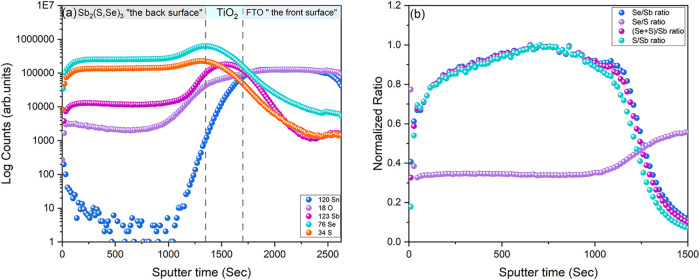 Figure 1
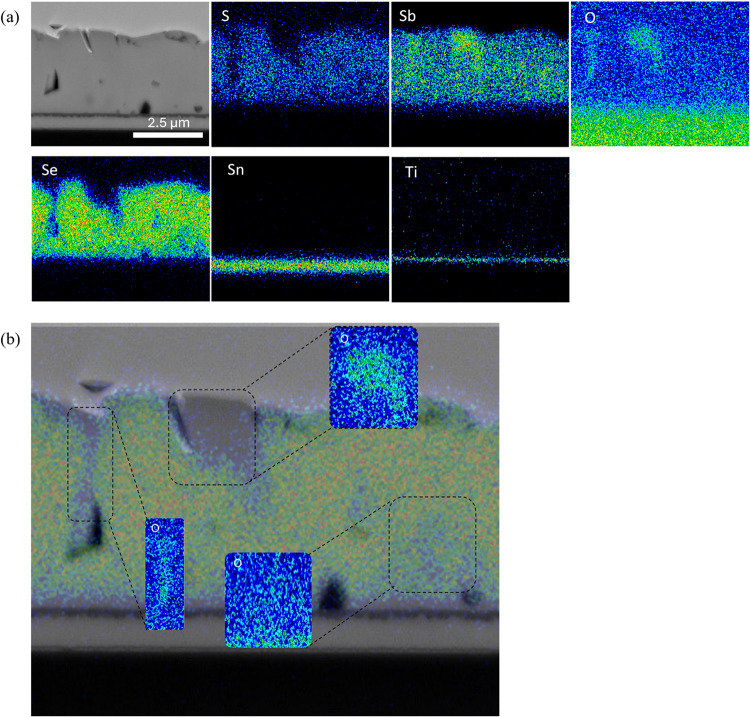 Figure 2
 Figure 3
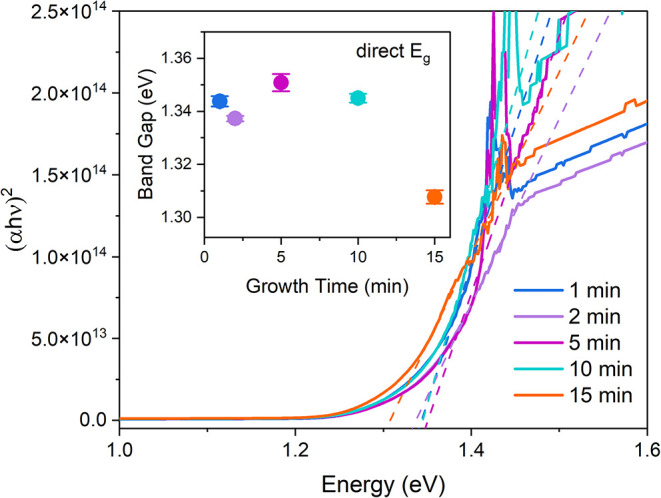 Figure 4
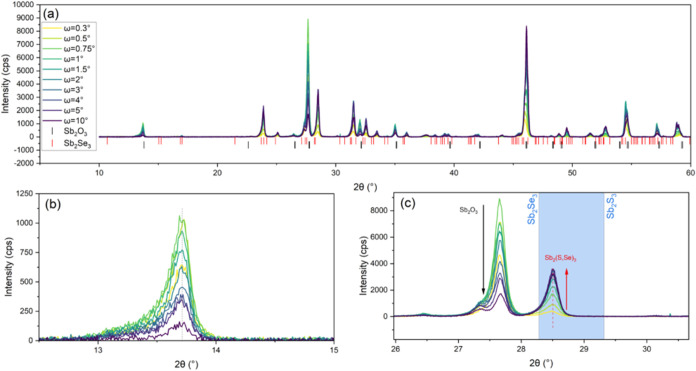 Figure 5
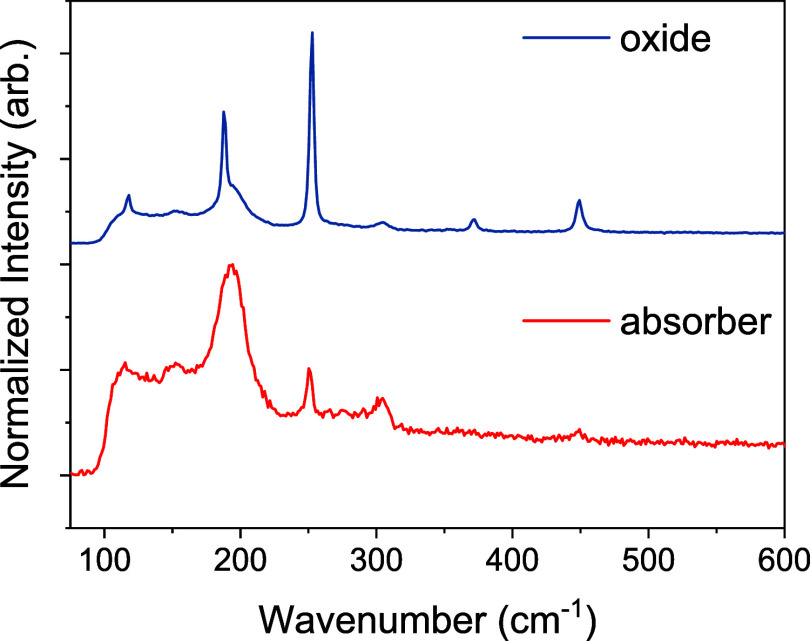 Figure 6
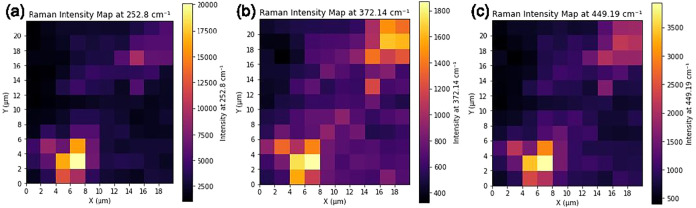 Figure 7
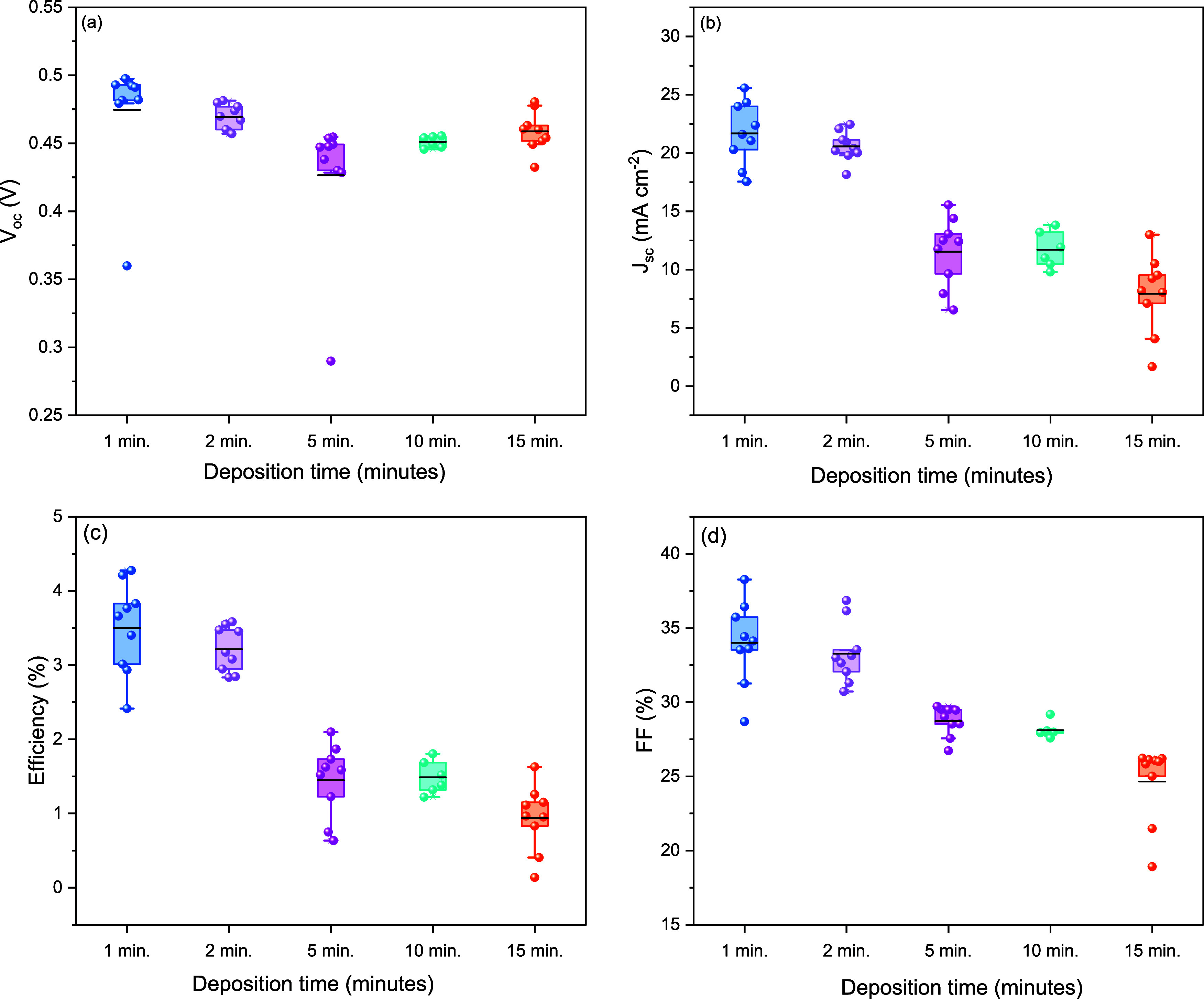 Figure 8
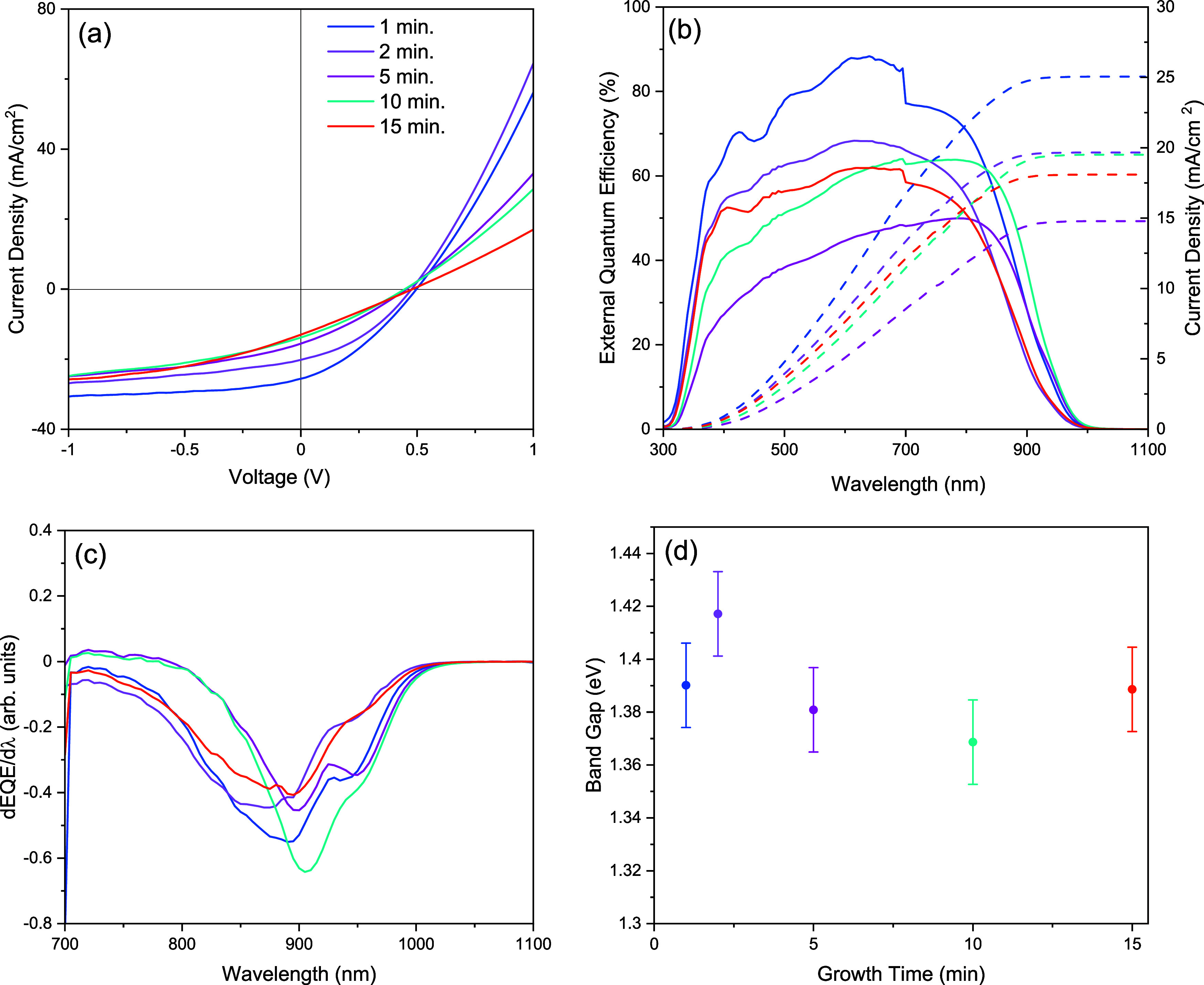 Figure 9
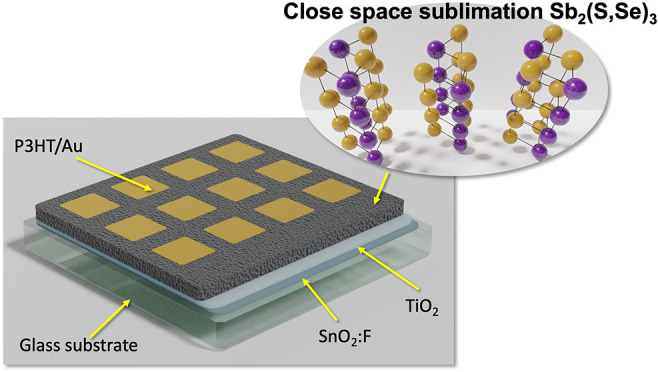 Figure 10
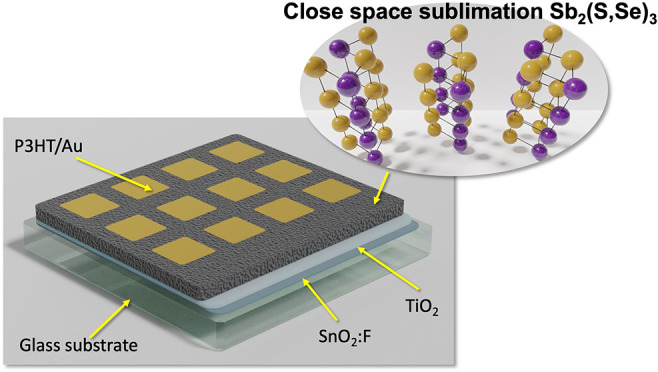 Figure 11
Peer Reviews
No public reviews on file for this paper yet. If you reviewed it on a platform where reviews are public (OpenReview, ICLR, NeurIPS, ICML), you can paste yours below so the community can read it here.
Videos
No videos yet. Explain this paper in a talk, walkthrough, or lecture? Add one.
Taxonomy
TopicsChalcogenide Semiconductor Thin Films · Phase-change materials and chalcogenides · nanoparticles nucleation surface interactions