G4STAB: a multi-input deep learning model to predict G-quadruplex thermodynamic stability based on sequence and salt concentration
Donn Liew, Akesha Dinuli Dharmatilleke, Edwin See, Ee Hou Yong

TL;DR
G4STAB is a deep learning model that predicts the stability of G-quadruplex DNA structures based on sequence and environmental factors like salt concentration and pH.
Contribution
G4STAB introduces a novel deep learning approach to predict G4 stability without relying on predetermined structural features.
Findings
G4STAB achieves high accuracy (R²=0.8) in predicting DNA G4 melting temperatures.
Cancer-like ionic environments significantly alter G4 stability profiles, increasing structures with physiological melting temperatures.
The model identifies new sequence–stability relationships and reveals genomic patterns in G4 stability responses.
Abstract
G-quadruplexes (G4s) are non-canonical nucleic acid structures formed in guanine-rich regions that modulate gene regulation and genomic stability. The thermodynamic stability of G4s directly influences their biological functions and potential as therapeutic targets. However, current quantitative frameworks for predicting G4 stability rely on predetermined structural features, limiting their effectiveness for diverse G4 topologies, and fail to account for environmental factors such as ion concentration and pH that significantly modulate G4 stability in cellular contexts. We present G4STAB, a multi-input deep learning neural network that accurately predicts DNA G4 melting temperatures based on sequence features, salt concentration, and pH. Trained on 2382 diverse DNA G4 sequences, our model achieves high accuracy (R 2=0.8) without relying on predetermined G4 structural features. G4STAB…
Genes, proteins, chemicals, diseases, species, mutations and cell lines named across the full text — each resolved to its canonical identifier and authoritative record.
Click any figure to enlarge with its caption.
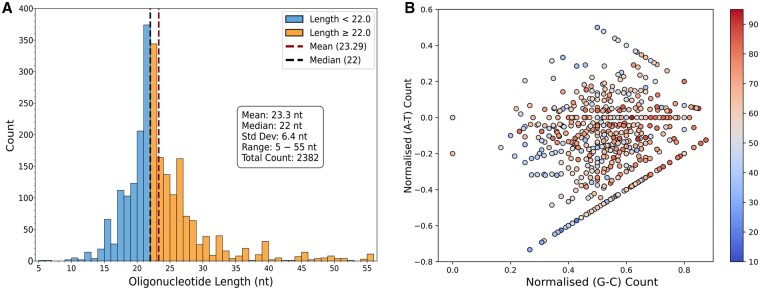 Figure 1
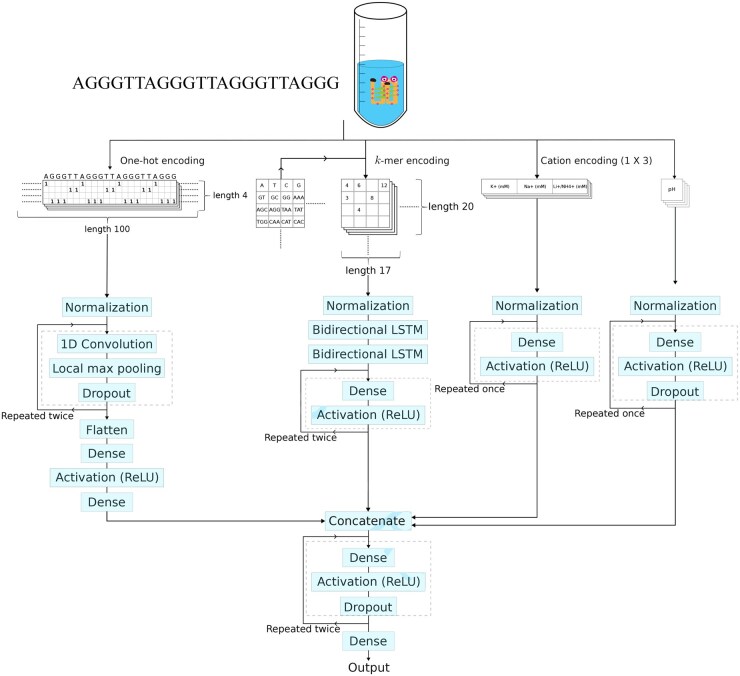 Figure 2
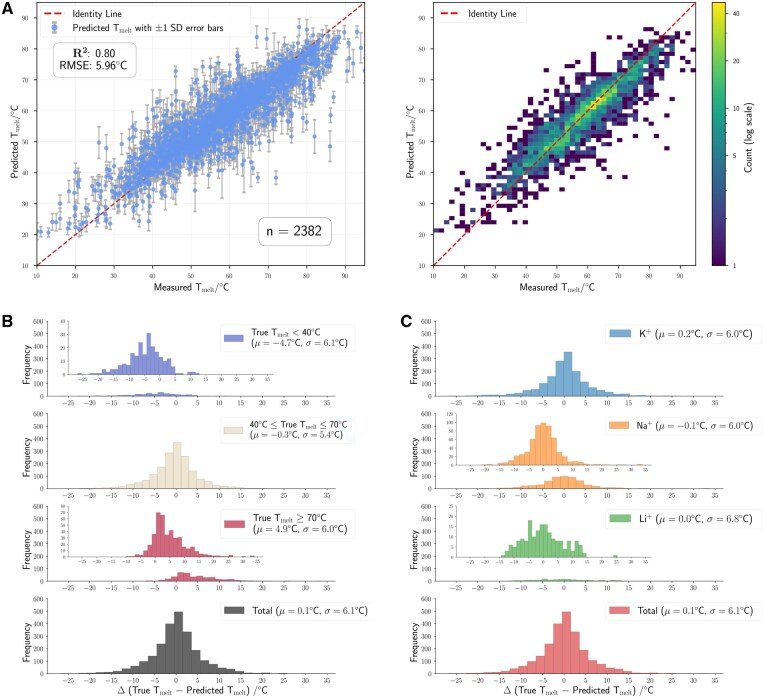 Figure 3
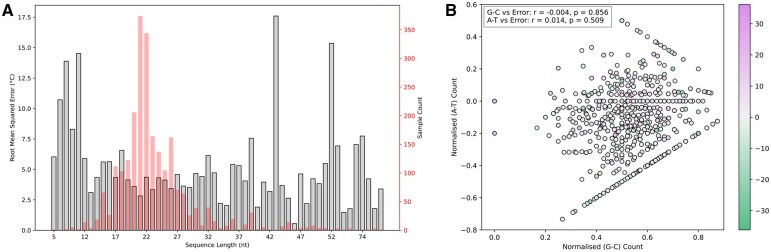 Figure 4
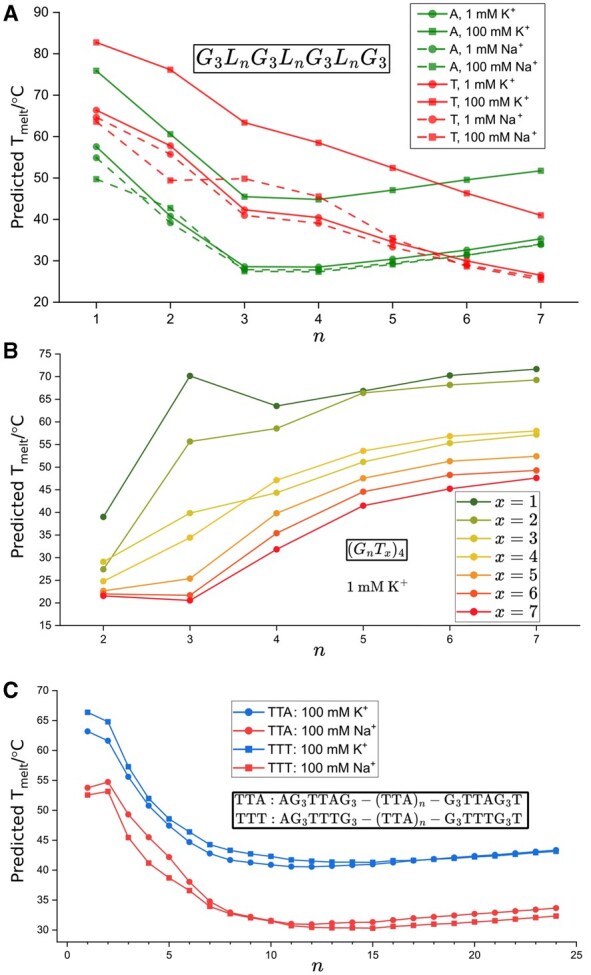 Figure 5
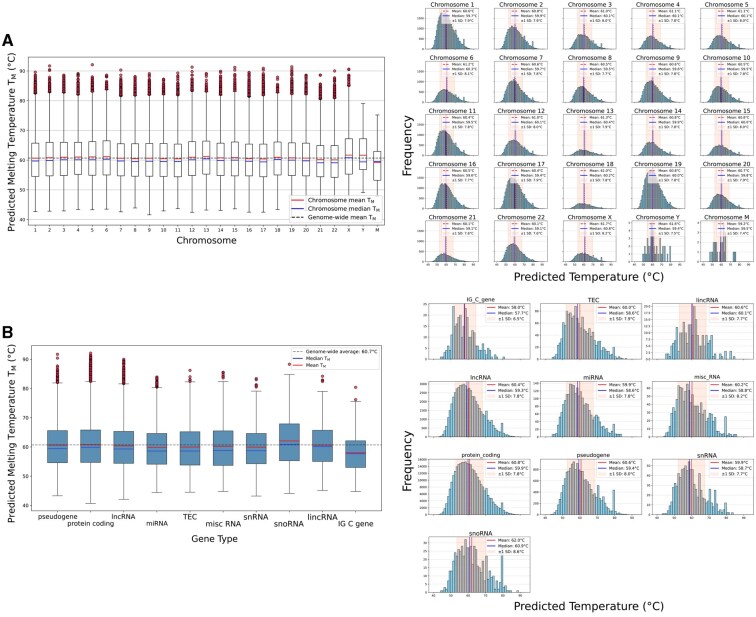 Figure 6
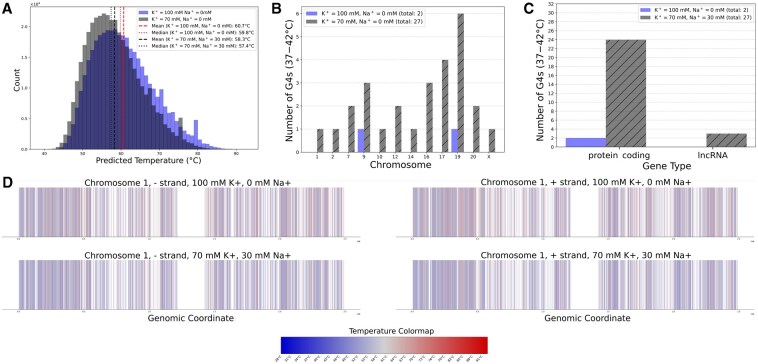 Figure 7
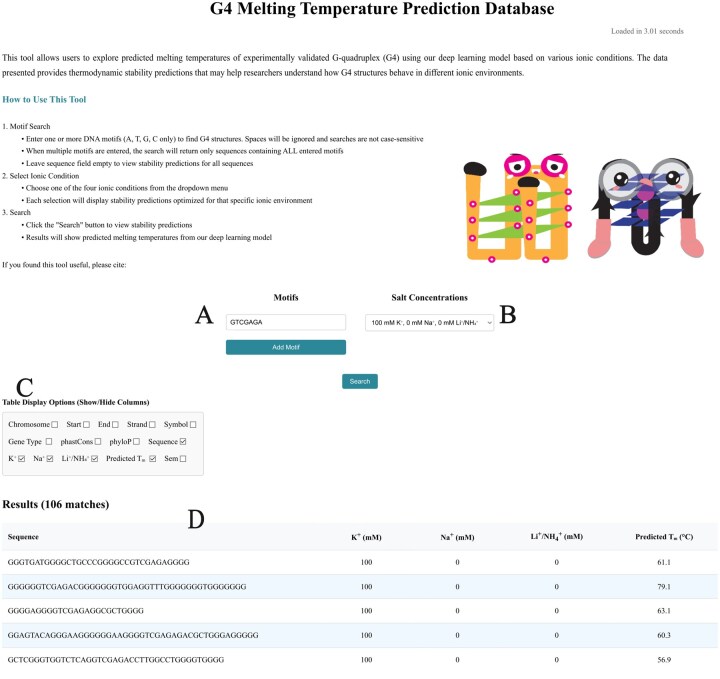 Figure 8
Peer Reviews
No public reviews on file for this paper yet. If you reviewed it on a platform where reviews are public (OpenReview, ICLR, NeurIPS, ICML), you can paste yours below so the community can read it here.
Videos
No videos yet. Explain this paper in a talk, walkthrough, or lecture? Add one.
Taxonomy
TopicsFuel Cells and Related Materials · Machine Learning in Materials Science · Advanced NMR Techniques and Applications