Targeted UDP-glucose ceramide glucosyltransferase stable overexpression induces a metabolic switch improving cell performance at high cell density
Marzia Rahimi, Lars K. Nielsen, Jesús Lavado-García

TL;DR
Overexpressing a specific enzyme in cells improves production of virus-like particles used in gene therapy, especially at high cell densities.
Contribution
A targeted overexpression strategy for UGCG enzyme is shown to improve cell performance and VLP production at high cell densities.
Findings
Constitutive UGCG overexpression shifts cell metabolism toward fatty acid oxidation.
Moderate UGCG expression enhances transfection efficiency and VLP production at high cell density.
Inducible UGCG expression improves productivity under high-density conditions.
Abstract
Viral vectors such as adeno-associated viruses (AAVs) and virus-like particles (VLPs) are critical tools in gene therapy, typically produced using transient gene expression (TGE). Intensification of TGE processes to high cell densities is hampered by the cell density effect (CDE), characterized by decreased cell-specific productivity as cell density increases. Physiological changes following transfection, particularly reduced glycosphingolipid biosynthesis, have been identified as factors affecting productivity and viability. We used a targeted integration approach to generate HEK293SF-3F6 cell lines constitutively or inducibly overexpressing UDP-glucose ceramide glucosyltransferase (UGCG), the precursor enzyme responsible for glycosphingolipid biosynthesis. We evaluated how varying UGCG expression levels influenced cellular metabolism, transfection efficiency, and HIV-1 Gag VLP…
Genes, proteins, chemicals, diseases, species, mutations and cell lines named across the full text — each resolved to its canonical identifier and authoritative record.
Click any figure to enlarge with its caption.
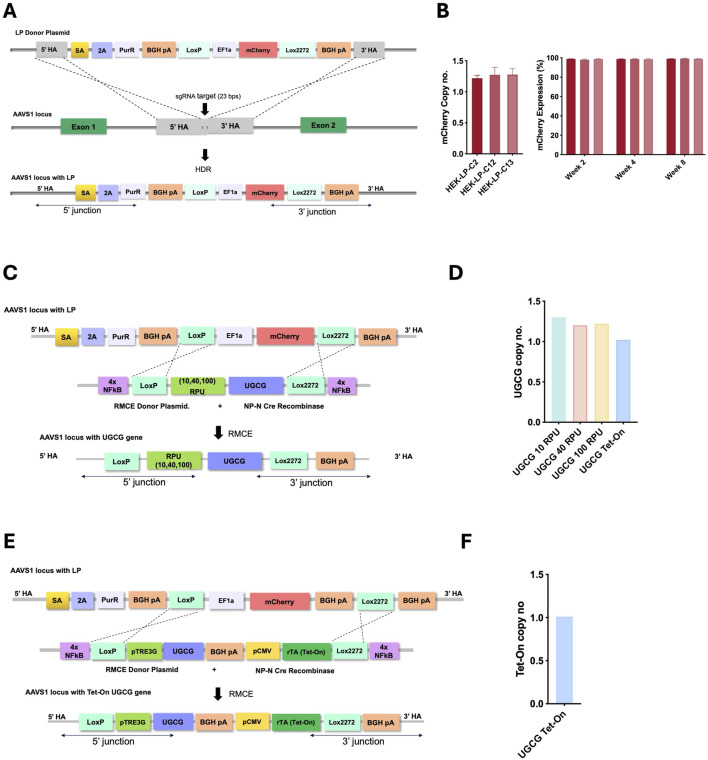 Figure 1
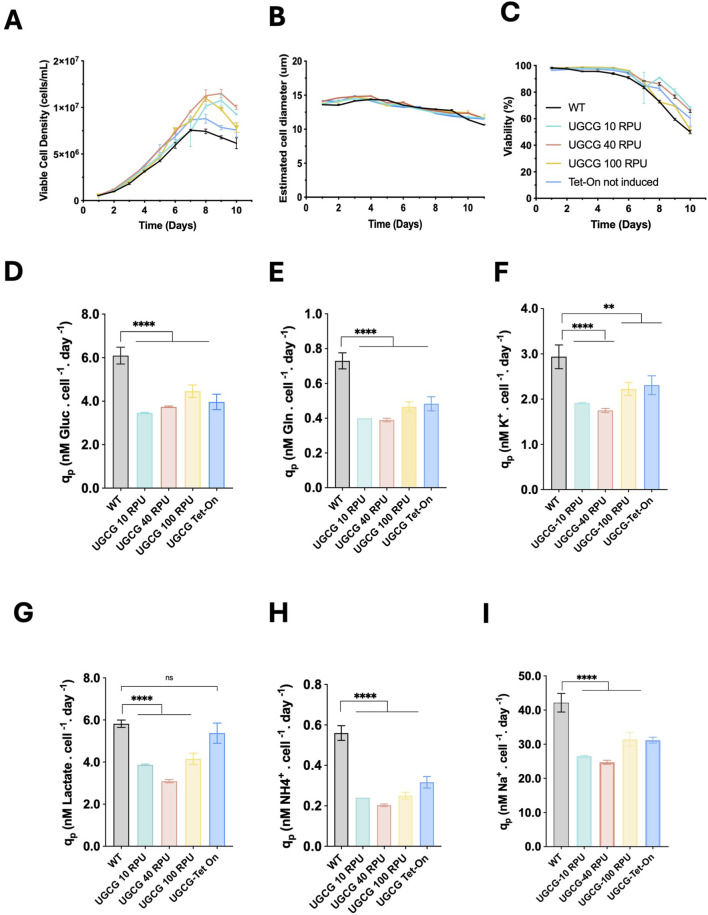 Figure 2
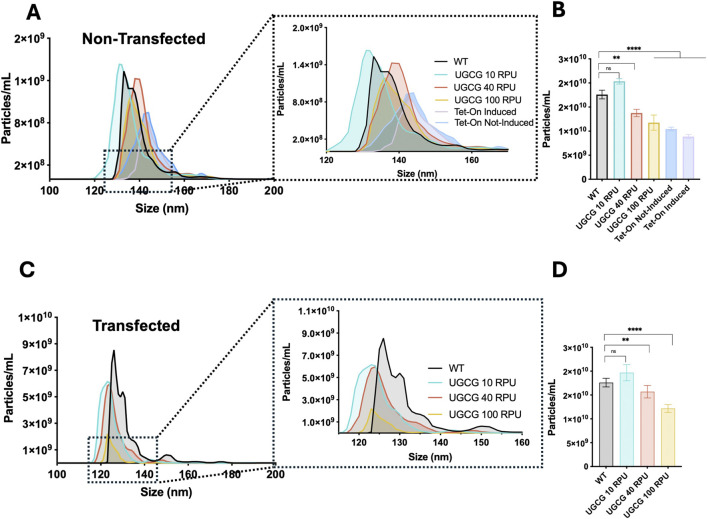 Figure 3
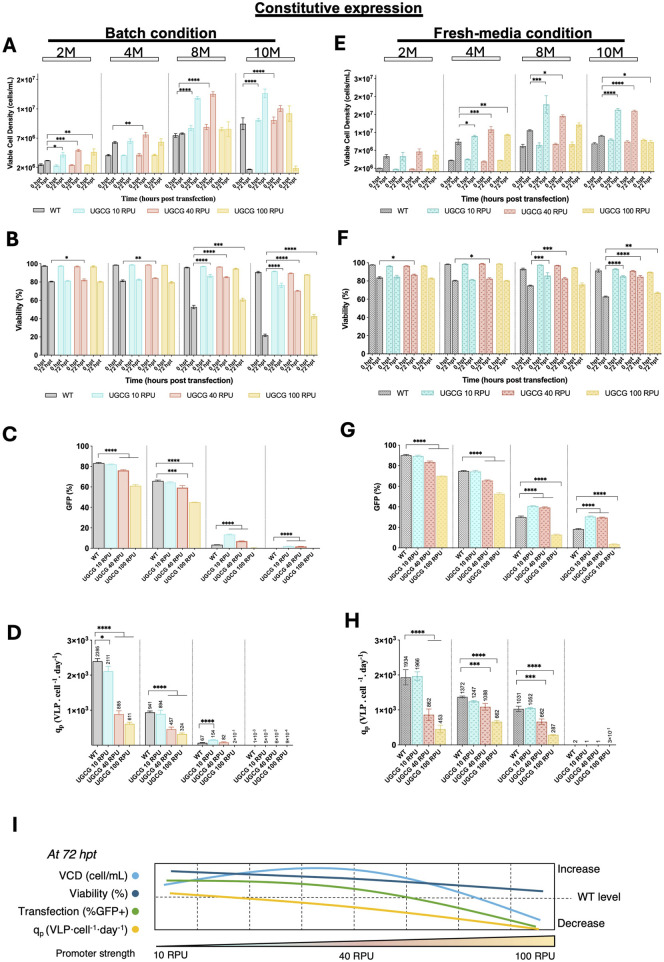 Figure 4
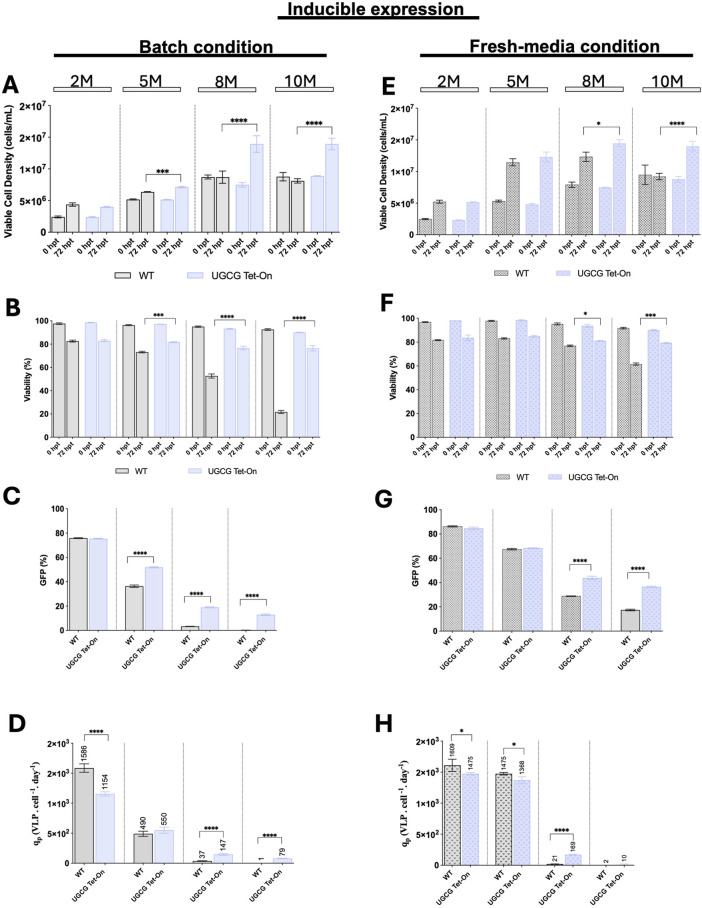 Figure 5
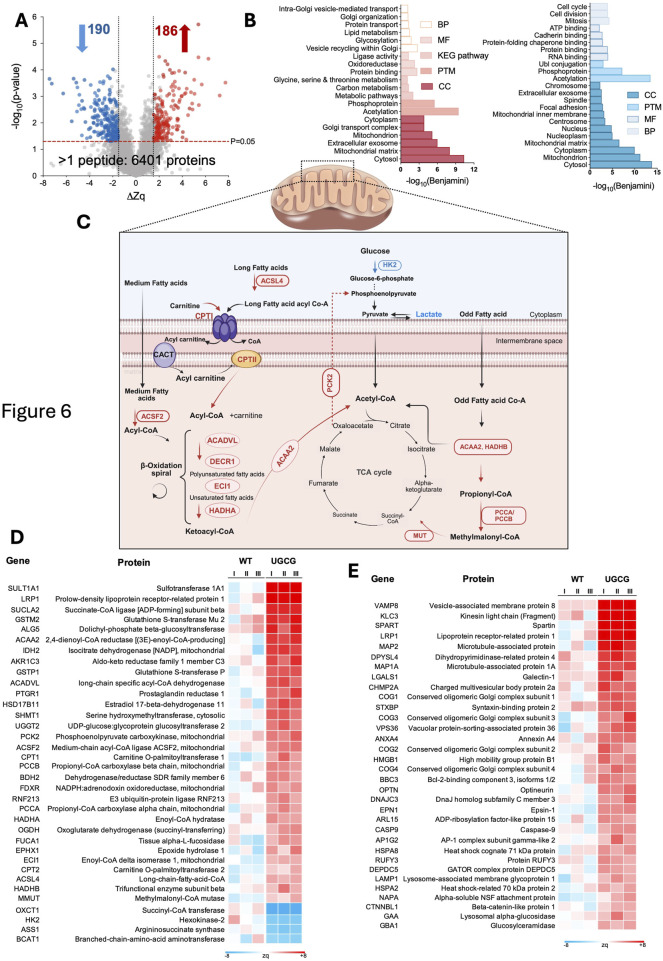 Figure 6
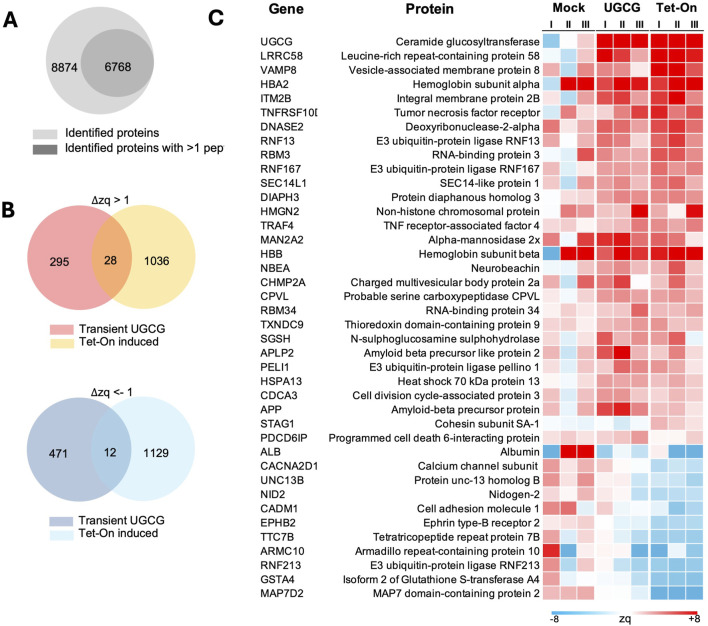 Figure 7
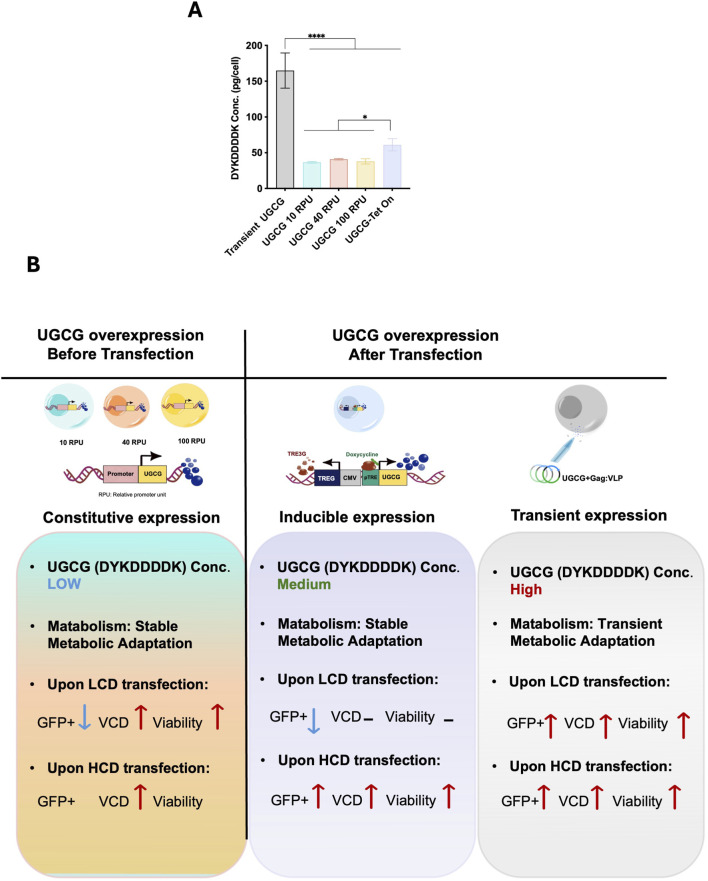 Figure 8
Peer Reviews
No public reviews on file for this paper yet. If you reviewed it on a platform where reviews are public (OpenReview, ICLR, NeurIPS, ICML), you can paste yours below so the community can read it here.
Videos
No videos yet. Explain this paper in a talk, walkthrough, or lecture? Add one.
Taxonomy
TopicsSphingolipid Metabolism and Signaling · Autophagy in Disease and Therapy · Pancreatic function and diabetes