Polylysine-based copolymer self-assemblies featuring acidity-activated structural transformation perceives and relieves sepsis
Qilong Wu, Chao Fang, Taixia Wang, Qiuxia Peng, Kun Zhang, Dan Wang, Shihao Xu

TL;DR
A new acidity-activated polymer can detect and treat sepsis by reducing inflammation, killing bacteria, and monitoring oxidative stress.
Contribution
A polylysine-based copolymer self-assembly that responds to sepsis acidity to enhance its therapeutic and diagnostic capabilities.
Findings
PPDD reduced pro-inflammatory markers like TNF-α and IL-6 significantly in septic models.
Day-14 survival in PPDD-treated sepsis models reached 80%, compared to 20% in controls.
PPDD disassembles in acidic environments, exposing more bioactive components for ROS scavenging and bacterial clearance.
Abstract
Sepsis, a systemic inflammatory response syndrome, causes severe immune dysfunction and is associated with high mortality because of the lack of effective clinical interventions. To address the pathogenesis of sepsis, such as bacterial infection and the exacerbation of inflammation and oxidative stress, an acidity-activated polylysine (PLL)-based copolymer self-assembly (PPDD) was developed. This material was synthesized by conjugating polyethylene glycol-modified PLL (PEG-PLL) with 2,7-dichlorofluorescein diacetate (DCFH-DA). PPDD, with its PLL-derived antibacterial and antioxidant properties, can scavenge reactive oxygen species (ROS), mitigate inflammation and eliminate bacteria. These combined actions help alleviate the symptoms of sepsis and improve survival rates. In vitro and in vivo experiments confirmed that this approach can rapidly neutralize ROS, significantly reduce…
Genes, proteins, chemicals, diseases, species, mutations and cell lines named across the full text — each resolved to its canonical identifier and authoritative record.
Click any figure to enlarge with its caption.
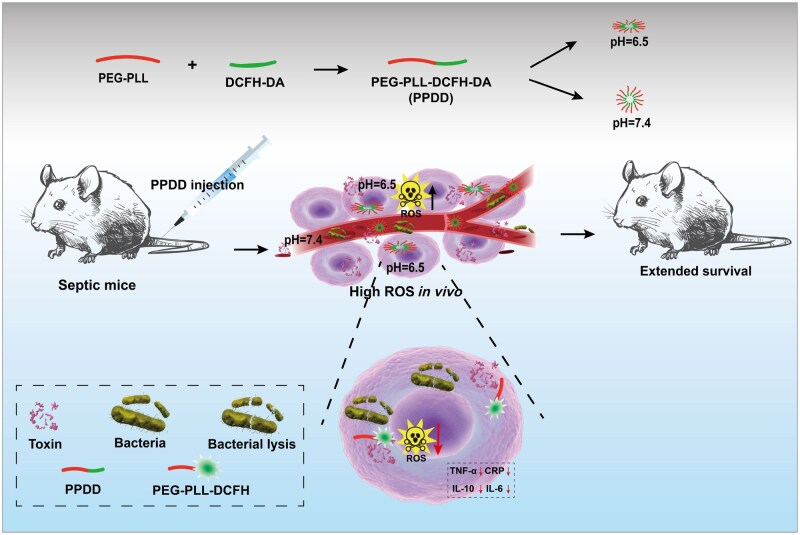 Figure 1
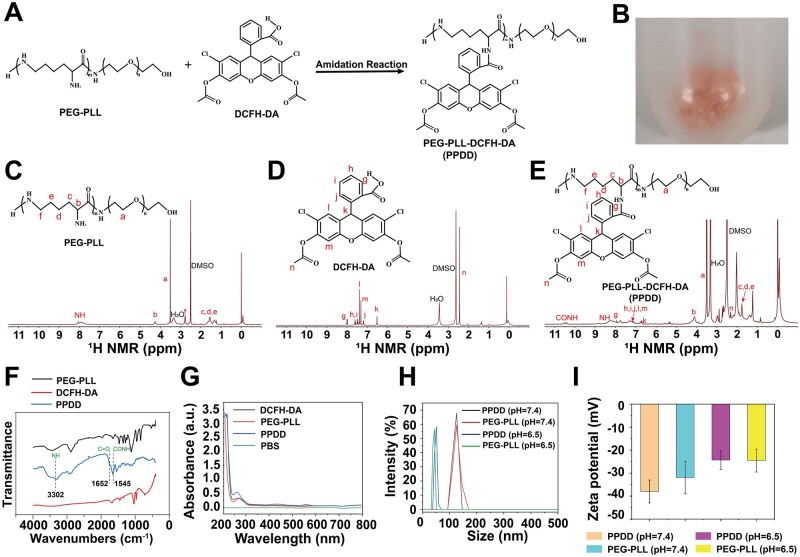 Figure 2
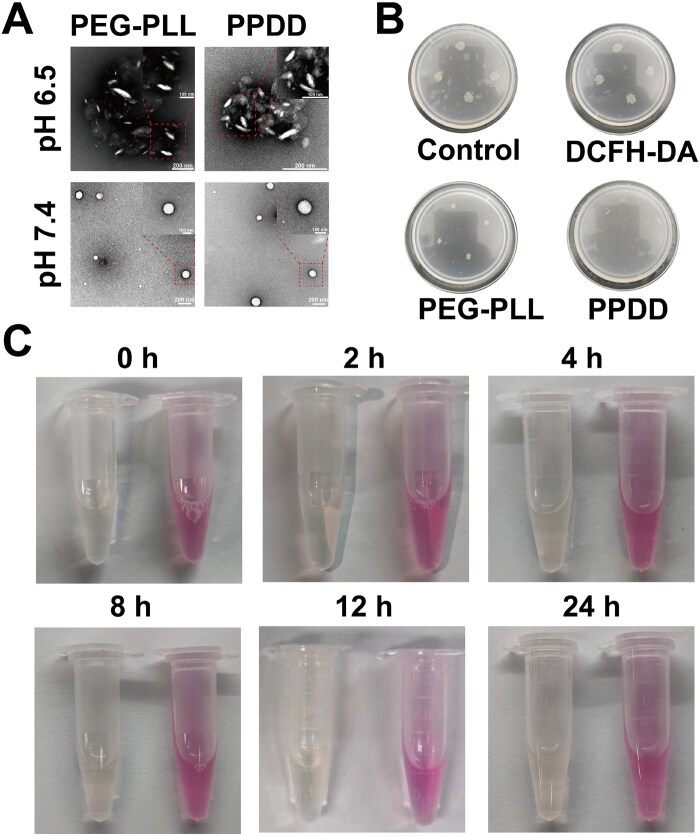 Figure 3
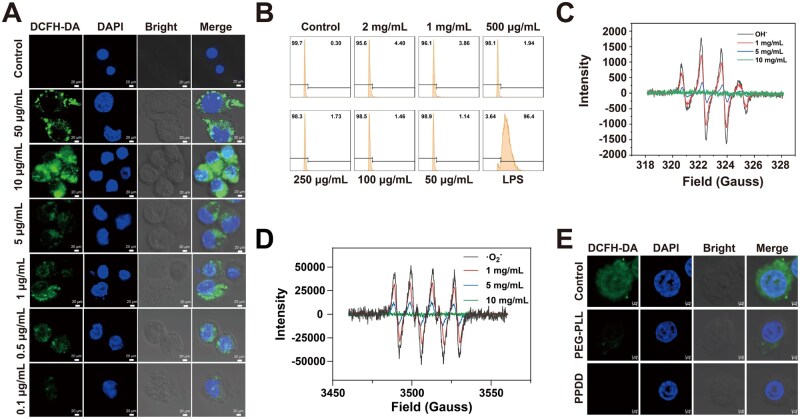 Figure 4
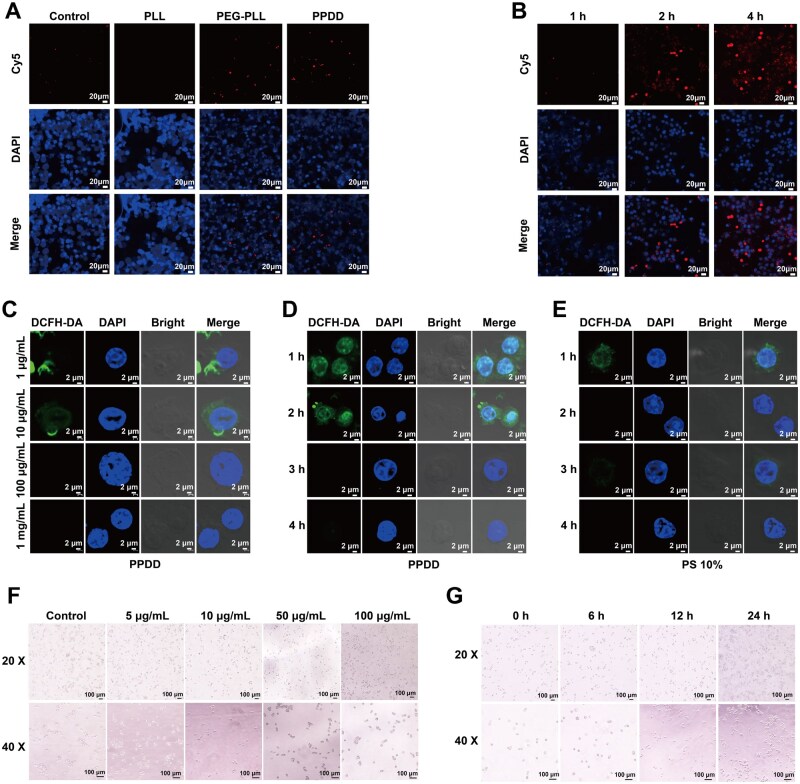 Figure 5
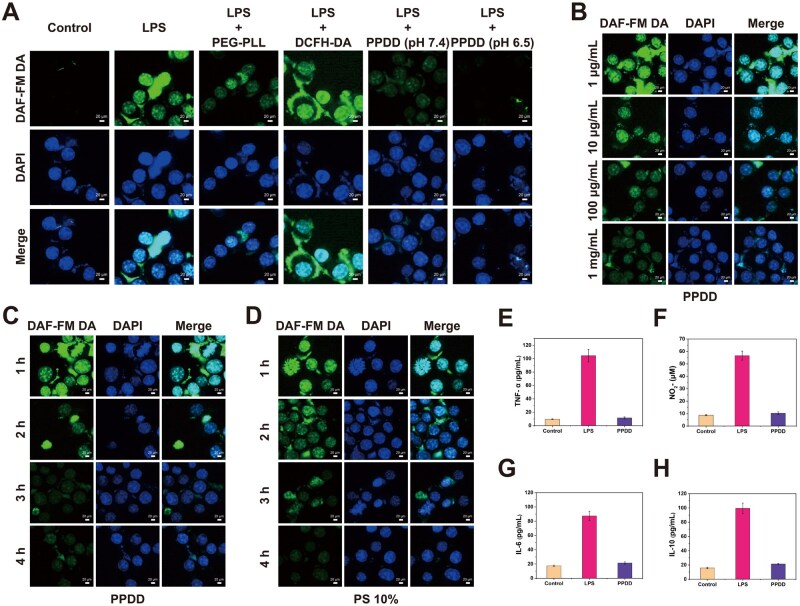 Figure 6
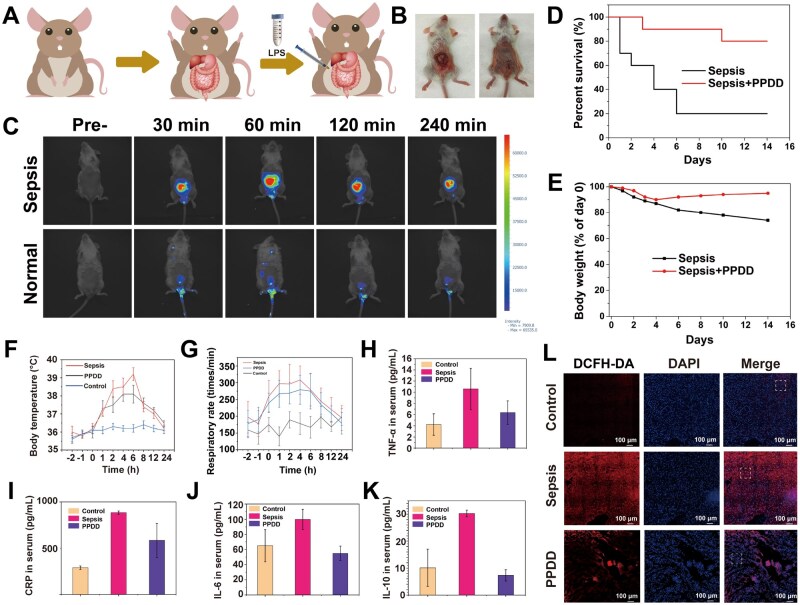 Figure 7
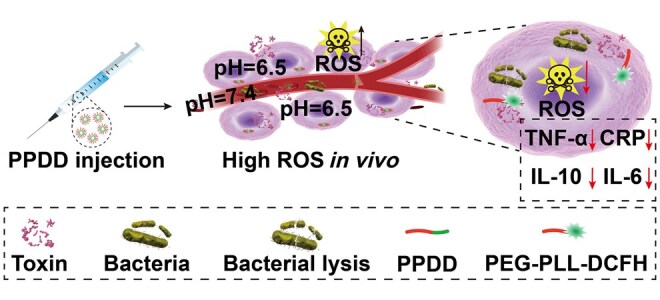 Figure 8
Peer Reviews
No public reviews on file for this paper yet. If you reviewed it on a platform where reviews are public (OpenReview, ICLR, NeurIPS, ICML), you can paste yours below so the community can read it here.
Videos
No videos yet. Explain this paper in a talk, walkthrough, or lecture? Add one.
Taxonomy
TopicsAdvanced Polymer Synthesis and Characterization