Adipocyte heparan sulfate determines type 2 diabetes susceptibility in mice via FGF1-Mediated glucose regulation
Chung-Jui Yu, Ariane R. Pessentheiner, Sihao Liu, Sarah Wax, Marissa L. Maciej-Hulme, Chelsea D. Painter, Bastian Ramms, Daniel R. Sandoval, Anthony Quach, Natalie DeForest, G. Michelle Ducasa, Chiara Tognaccini, Caroline Labib, Norah Al-Azzam, Friederike Haumann, Greg Trieger

TL;DR
This study shows that a sugar molecule in fat cells, called heparan sulfate, helps control blood sugar and insulin sensitivity, and its disruption increases diabetes risk in mice.
Contribution
The study reveals a novel role of adipocyte heparan sulfate in regulating glucose homeostasis through FGF1 signaling, independent of weight gain.
Findings
Adipocyte heparan sulfate sulfation is essential for FGF1-mediated glucose regulation.
Reduced HS sulfation increases insulin resistance and fatty liver disease in diet-induced obesity.
HS composition determines diabetes susceptibility independent of weight gain.
Abstract
Obesity is the principal driver of insulin resistance, and lipodystrophy is also linked with insulin resistance, emphasizing the vital role of adipose tissue in glucose homeostasis. The quality of adipose tissue expansion is a critical determinant of insulin resistance predisposition, with individuals suffering from metabolic unhealthy adipose expansion exhibiting greater risk. Adipocytes are pivotal in orchestrating metabolic adjustments in response to nutrient intake and cell intrinsic factors that positively regulate these adjustments are key to prevent Type-2 diabetes. Employing unique genetic mouse models, we established the critical involvement of heparan sulfate (HS), a fundamental element of the adipocyte glycocalyx, in upholding glucose homeostasis during dietary stress. Genetic models that compromise adipocyte HS accelerate the development of high-fat diet-induced…
Genes, proteins, chemicals, diseases, species, mutations and cell lines named across the full text — each resolved to its canonical identifier and authoritative record.
Click any figure to enlarge with its caption.
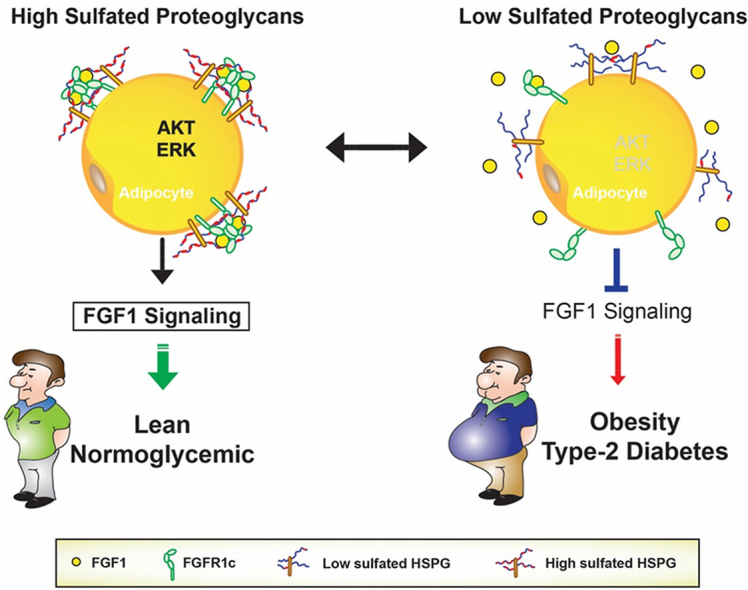 Figure 1
 Figure 2
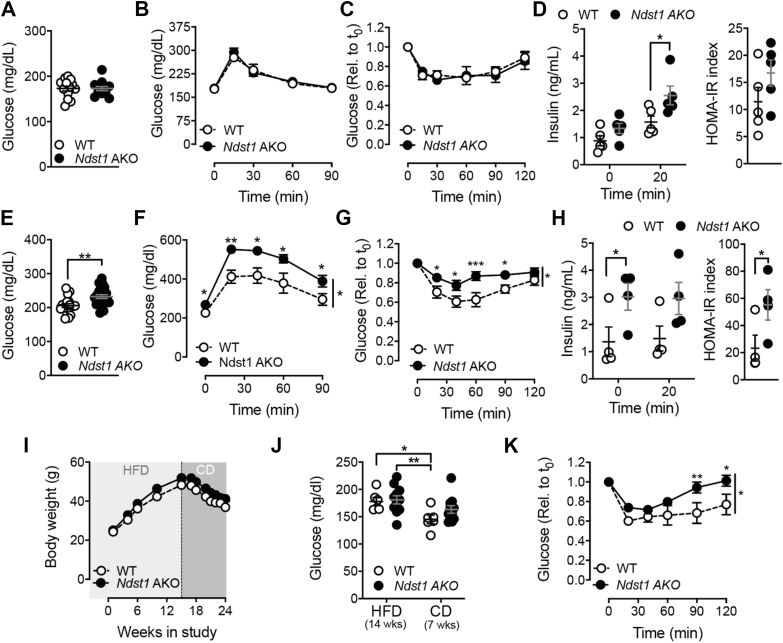 Figure 3
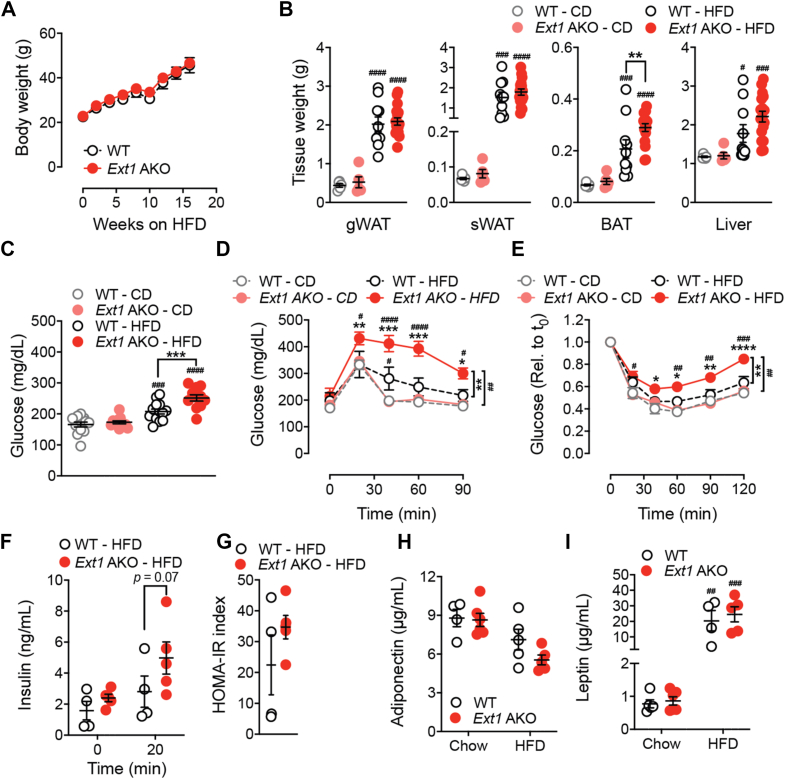 Figure 4
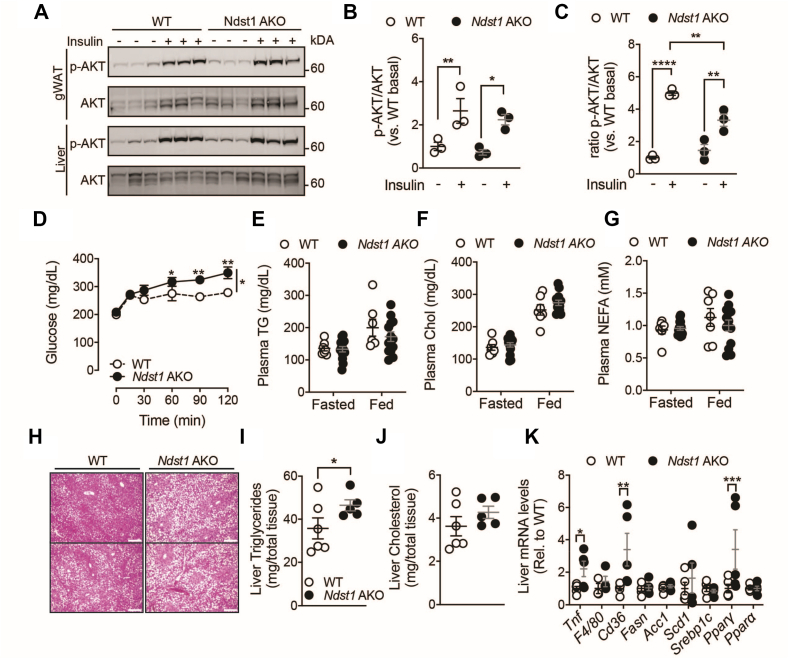 Figure 5
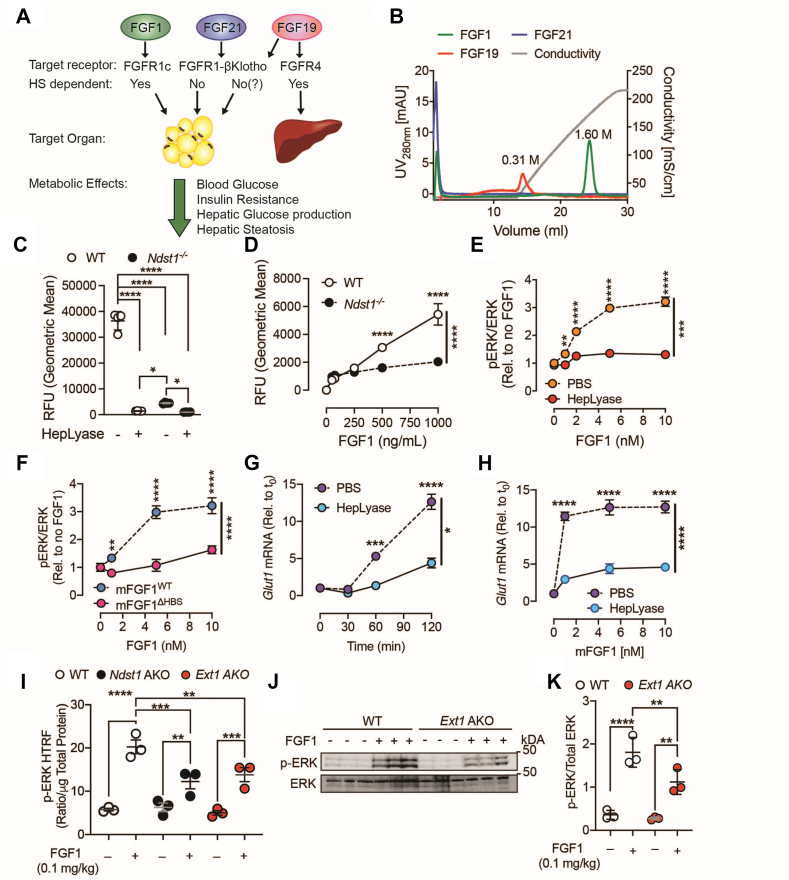 Figure 6
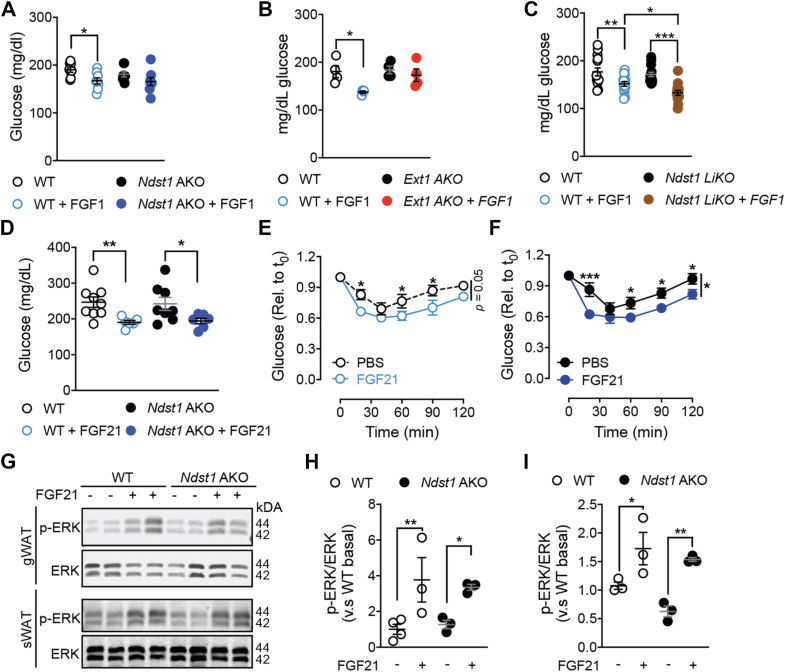 Figure 7
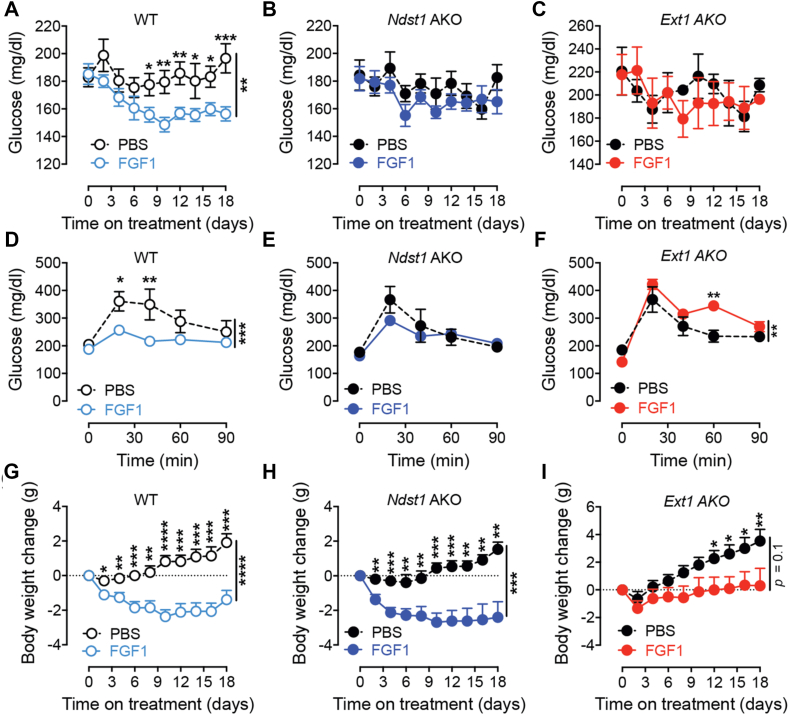 Figure 8
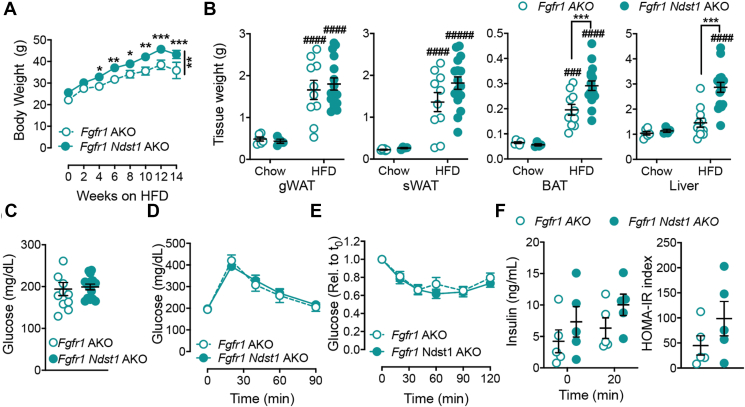 Figure 9
Peer Reviews
No public reviews on file for this paper yet. If you reviewed it on a platform where reviews are public (OpenReview, ICLR, NeurIPS, ICML), you can paste yours below so the community can read it here.
Videos
No videos yet. Explain this paper in a talk, walkthrough, or lecture? Add one.
Taxonomy
TopicsFibroblast Growth Factor Research · Proteoglycans and glycosaminoglycans research · Protein Tyrosine Phosphatases