Anthrax ET activates Rac1 and RTK signaling to induce F-actin reorganization and endothelial permeability
Prashant Jain, Annabel Guichard, Mahtab Moayeri, Saluja Kaduwal, Margot Mel de Fontenay, Ian Rousseau, Stephen H. Leppla, Ethan Bier

TL;DR
Anthrax edema toxin disrupts cell structure and increases blood vessel permeability by activating specific signaling pathways, which could lead to new treatments.
Contribution
The study reveals a novel mechanism of endothelial permeability caused by anthrax toxin involving Rac1, RTKs, and F-actin reorganization.
Findings
ET activates IGF1R and EGFR independently of cAMP, leading to F-actin remodeling.
Rac1, PI3K, and MEK inhibitors reduce ET-induced edema in a mouse model.
ET causes cAMP-dependent F-actin disruption and increased permeability in endothelial cells.
Abstract
Endothelial permeability induced by the potent adenylate cyclase edema toxin (ET) is central to bacterial dissemination and lethal vascular collapse during infections caused by Bacillus anthracis. Antibiotic and antitoxin treatments are ineffective against anthrax lethal toxemia once high doses of toxins have been released. This study uncovers a critical cAMP-dependent disruption of the F-actin network by ET in human brain microvascular endothelial cells (HBMECs), mediated by Rac1 and cofilin. Rac1 activation by ET leads to a loss of cell area and monolayer permeability. These effects are preceded by the rapid cAMP-independent activation of IGF1R and EGFR and their respective downstream effectors PI3K/AKT and MEK/ERK, which contribute to F-actin remodeling and permeability induced by ET. Consistent with these findings, Rac1, PI3K, and MEK inhibitors prevent ET-induced edema in a mouse…
Genes, proteins, chemicals, diseases, species, mutations and cell lines named across the full text — each resolved to its canonical identifier and authoritative record.
Click any figure to enlarge with its caption.
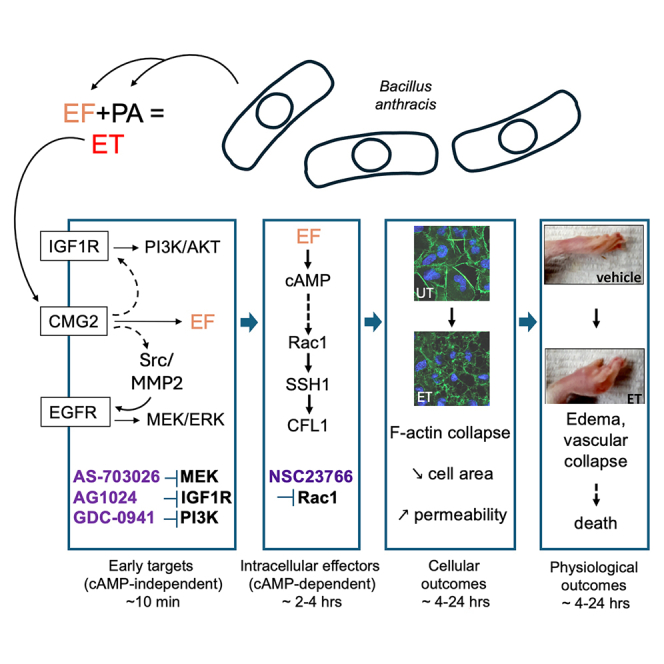 Figure 1
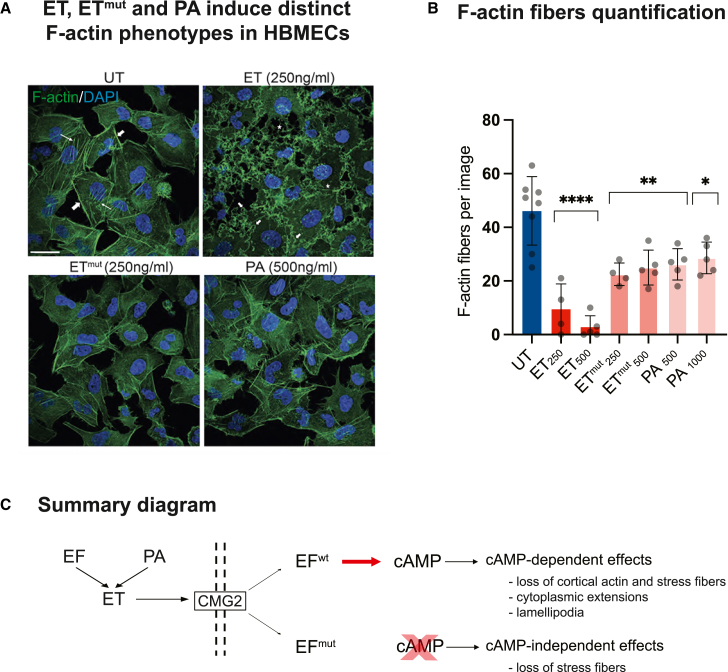 Figure 2
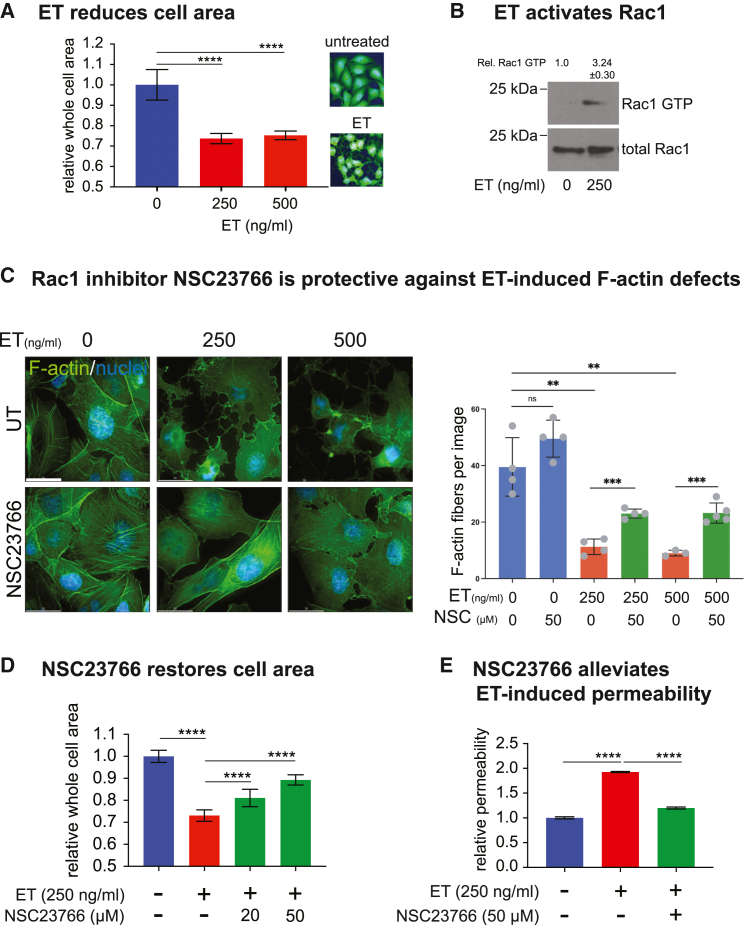 Figure 3
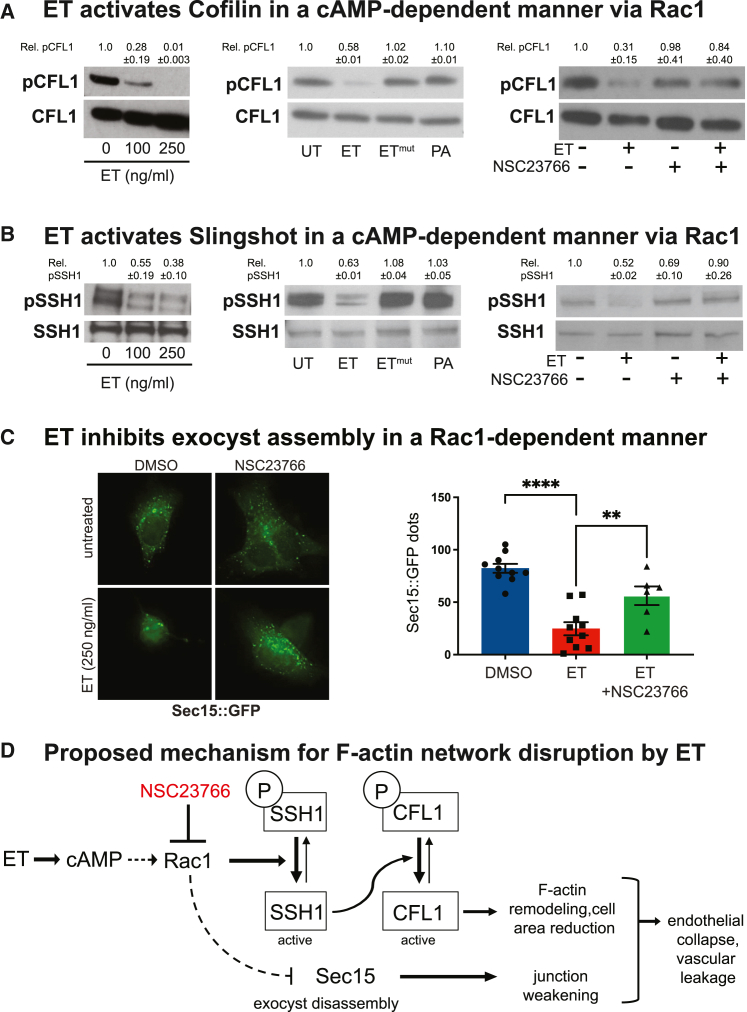 Figure 4
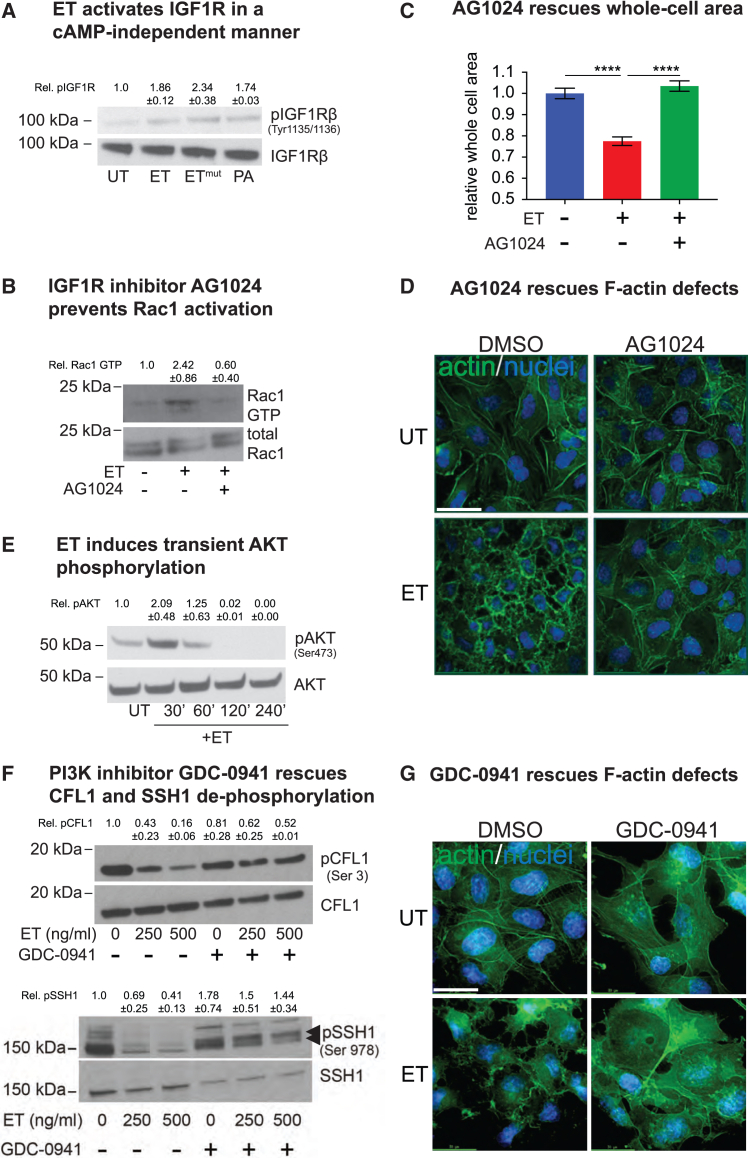 Figure 5
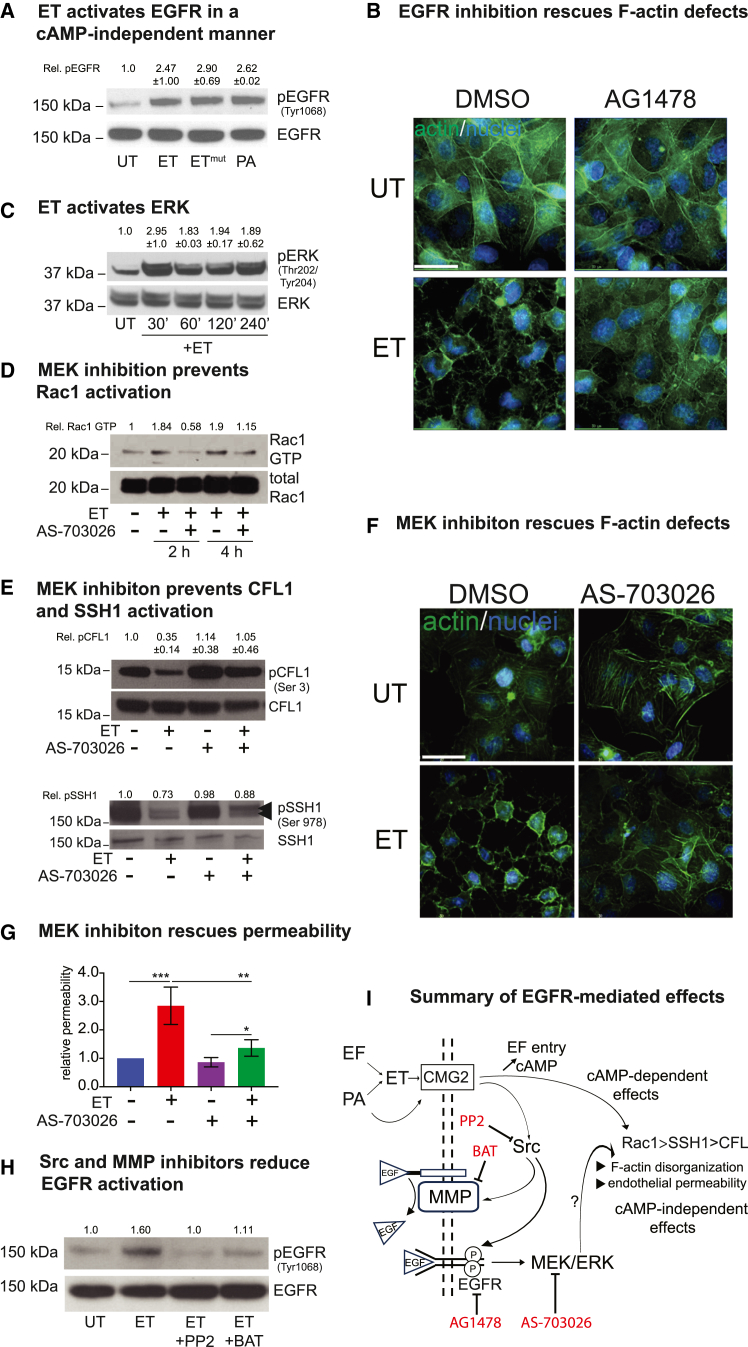 Figure 6
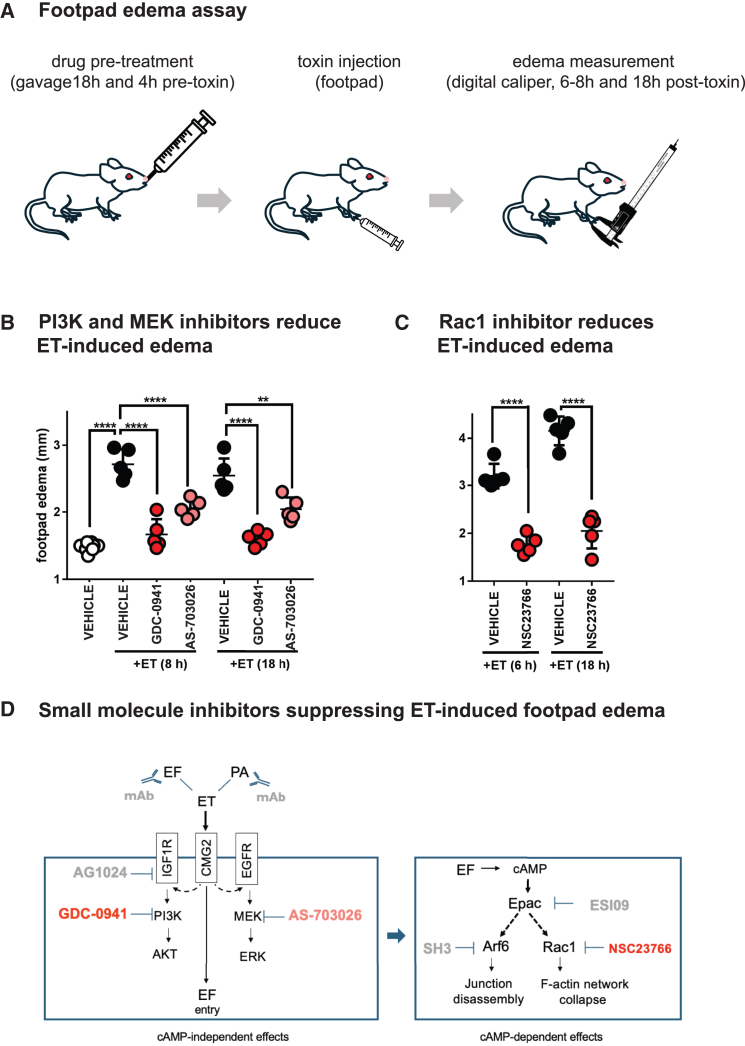 Figure 7
Peer Reviews
No public reviews on file for this paper yet. If you reviewed it on a platform where reviews are public (OpenReview, ICLR, NeurIPS, ICML), you can paste yours below so the community can read it here.
Videos
No videos yet. Explain this paper in a talk, walkthrough, or lecture? Add one.
Taxonomy
TopicsBacillus and Francisella bacterial research · Cancer Research and Treatments