Druggable target ATAD2 enhances the malignant progression and cooperates with E2F1 to up-regulate PDK1 expression in glioma
Shenghua Zhuo, Liangwang Yang, Zhimin Chen, Shenbo Chen, Shuo Yang, Taixue Chen, Wen-Shu Wu, Kai Wang, Kun Yang

TL;DR
This study shows that ATAD2 promotes glioma malignancy and works with E2F1 to increase PDK1 expression, making it a potential drug target for glioma treatment.
Contribution
The study identifies ATAD2 as a novel druggable target in glioma and reveals a new ATAD2-E2F1-PDK1 regulatory pathway.
Findings
ATAD2 knockdown reduces glioblastoma cell proliferation, migration, and invasion.
ATAD2 forms a positive feedback loop with E2F1 to up-regulate PDK1 expression.
High expression of ATAD2, E2F1, and PDK1 correlates with poor patient prognosis.
Abstract
Gliomas are characterized by high mortality and disability rates. Cancer-testis antigens (CTAs) are among the most promising therapeutic targets for combating cancer. While several CTAs have been associated with the development and progression of gliomas, the role of ATPase family AAA domain-containing protein 2 (ATAD2) in this context has not been thoroughly investigated. In this study, both in vitro and in vivo experiments validated the role of ATAD2 in enhancing malignant phenotypes. The LN229 cell lines were employed for RNA-seq and proteomics to uncover downstream targets of ATAD2. Results showed that elevated ATAD2 expression was noted in glioblastoma (GBM). ATAD2 knockdown significantly reduced the proliferation, migration, and invasion capabilities of GBM cells, while its overexpression had the opposite effect. The knockdown of ATAD2 led to a decrease in subcutaneous tumor size…
Genes, proteins, chemicals, diseases, species, mutations and cell lines named across the full text — each resolved to its canonical identifier and authoritative record.
Click any figure to enlarge with its caption.
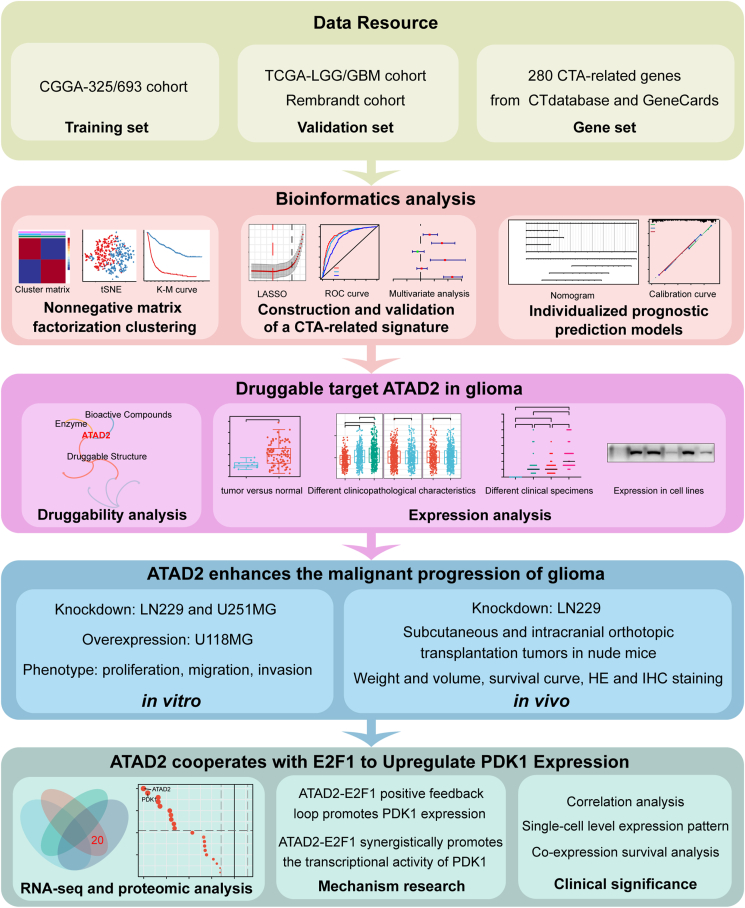 Figure 1
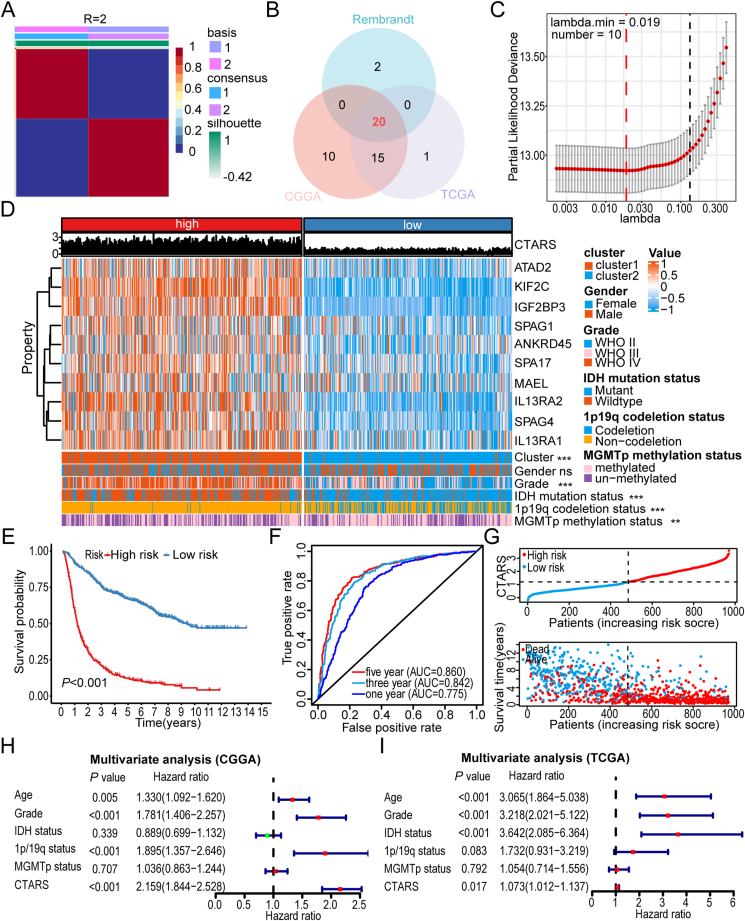 Figure 2
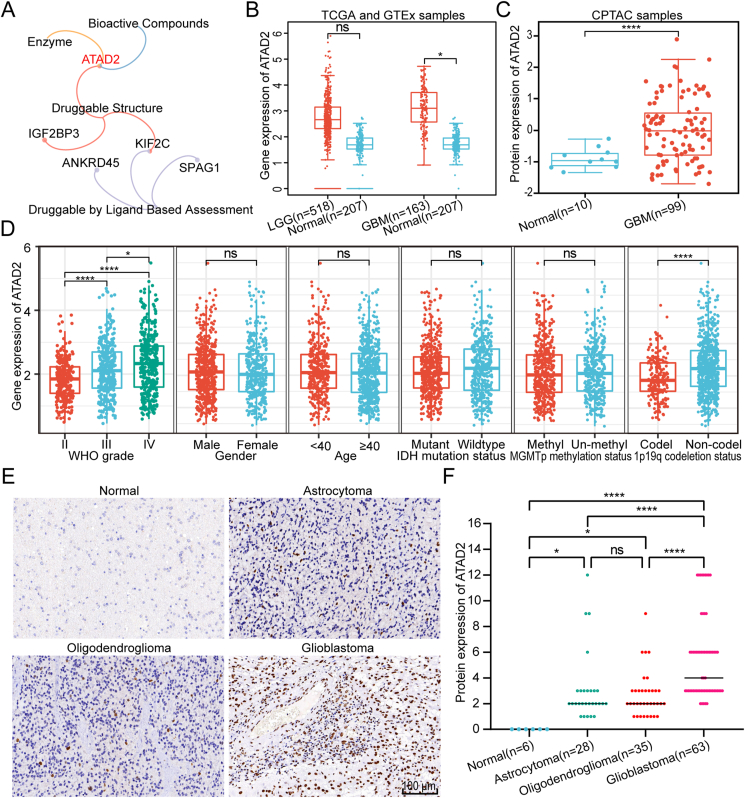 Figure 3
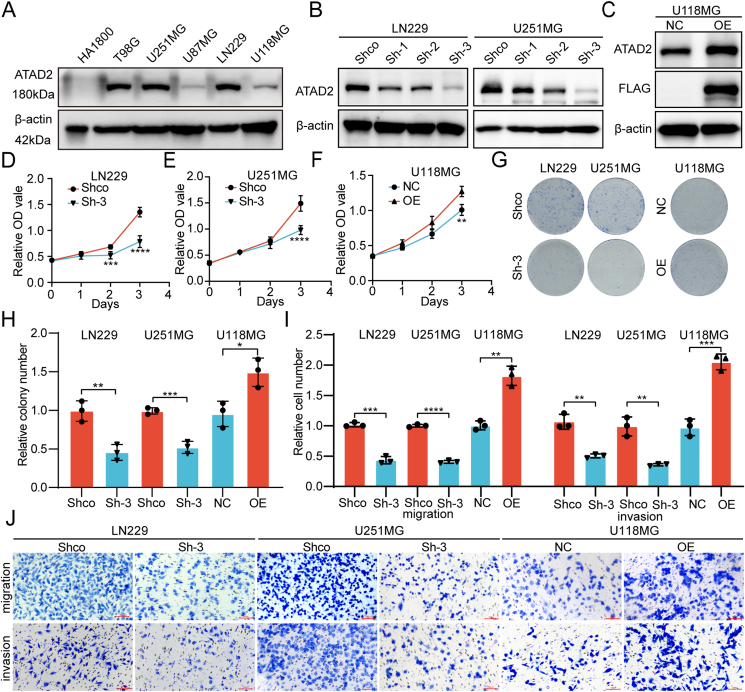 Figure 4
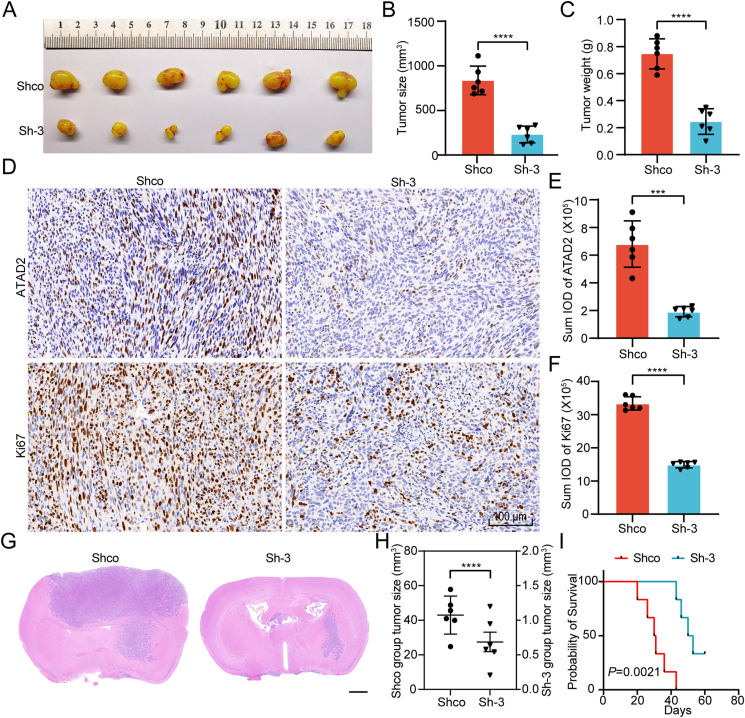 Figure 5
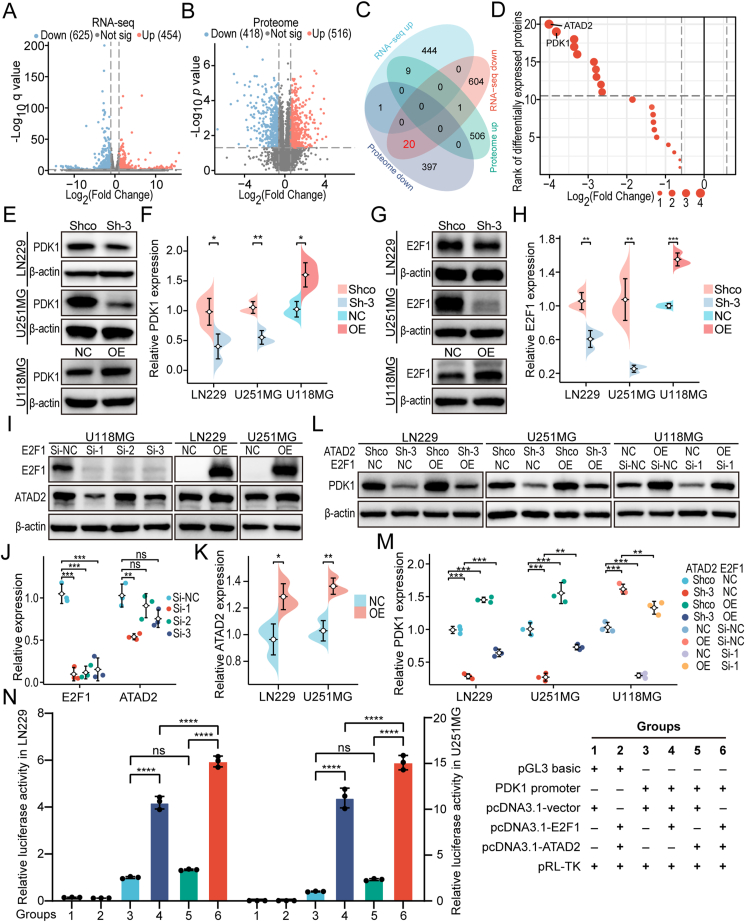 Figure 6
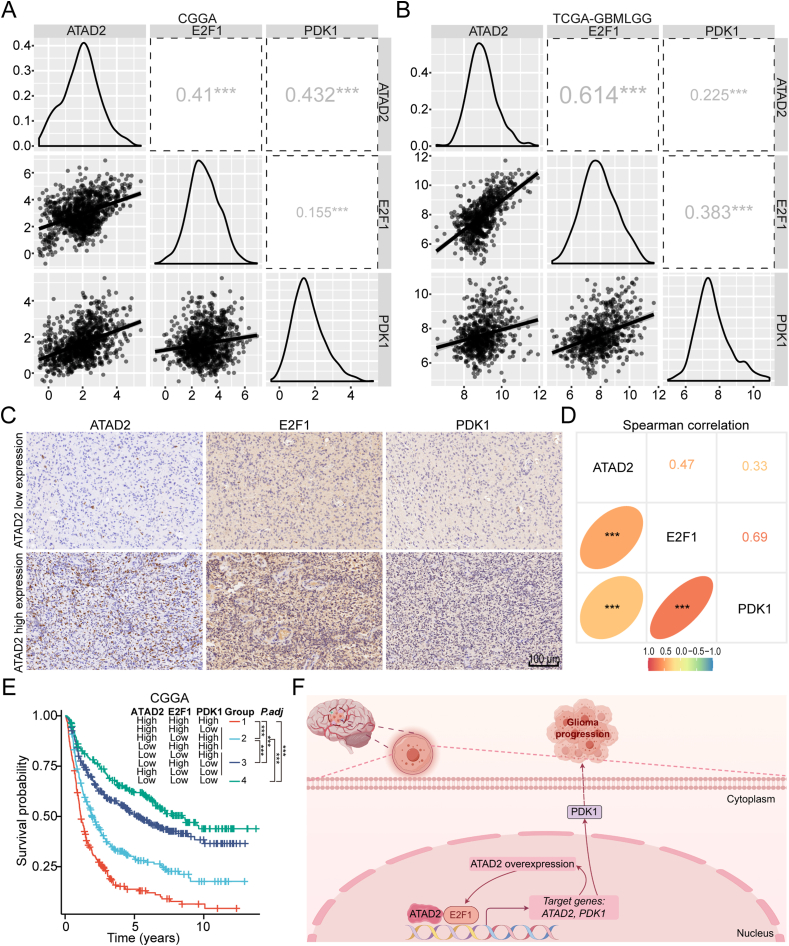 Figure 7
Peer Reviews
No public reviews on file for this paper yet. If you reviewed it on a platform where reviews are public (OpenReview, ICLR, NeurIPS, ICML), you can paste yours below so the community can read it here.
Videos
No videos yet. Explain this paper in a talk, walkthrough, or lecture? Add one.
Taxonomy
TopicsProtein Degradation and Inhibitors · Click Chemistry and Applications · CAR-T cell therapy research