Therapeutic Potential of Cynara scolymus Extract and Bifidobacterium longum in Alleviating Diabetes-Induced Male Reproductive Dysfunction
Hadis Bozorgpoursavadjani, Haniyeh Keyghobadi, Delaram Moghadam, Reza Zare, Farshad Dehghani, Iman Jamhiri, Farhad Koohpeyma, Sanaz Dastghaib

TL;DR
This study explores how Cynara scolymus extract and Bifidobacterium longum probiotic can help reduce diabetes-related damage to male reproductive health in rats.
Contribution
The novel contribution is the demonstration of combined Cynara and Bifidobacterium longum treatment's superior protective effect on diabetic male reproductive dysfunction.
Findings
Combined Cynara and Bifidobacterium longum treatment significantly reduced blood sugar and oxidative stress in diabetic rats.
The combination increased testosterone and key steroidogenesis enzyme mRNA expressions more than individual treatments.
Histological improvements in testicular structure were observed with combination therapy.
Abstract
Diabetes mellitus (DM) is associated with a number of adverse effects on male reproductive health, including oxidative stress, testosterone deficiency, and spermatogenesis defects. Natural and probiotic-based therapies have gained popularity as a means of alleviating DM-related complications. Streptozotocin (60 mg/kg) was employed to induce diabetes in male Sprague-Dawley rats, which were then divided into eight groups, each receiving hydroalcoholic Cynara scolymus (Cynara) extract, Bifidobacterium longum (BBL) probiotic or a combination of both. The following parameters were measured: Fasting blood sugar (FBS), serum malondialdehyde (MDA), serum sexual hormones, and testicular MDA and total antioxidant capacity (TAC), as well as mRNA expressions of steroidogenesis enzymes Star, Cyp11a1, and Hsd17b3. Histopathological study and modified Johnson scoring system were performed. Rats with…
Genes, proteins, chemicals, diseases, species, mutations and cell lines named across the full text — each resolved to its canonical identifier and authoritative record.
Click any figure to enlarge with its caption.
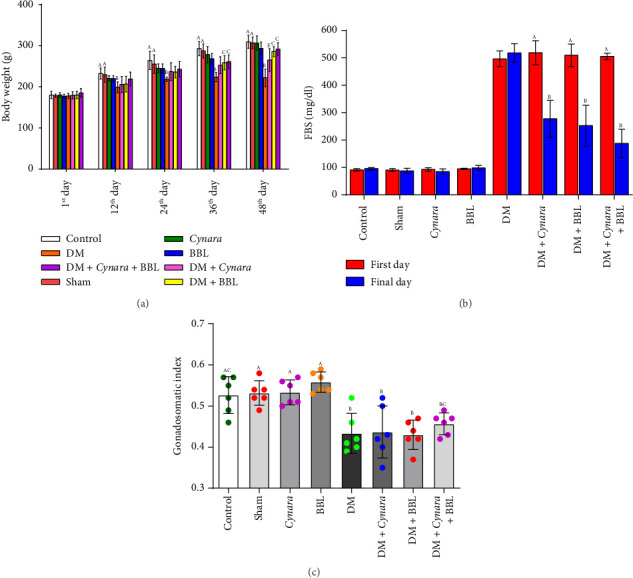 Figure 1
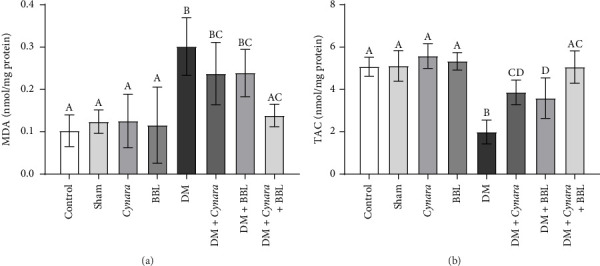 Figure 2
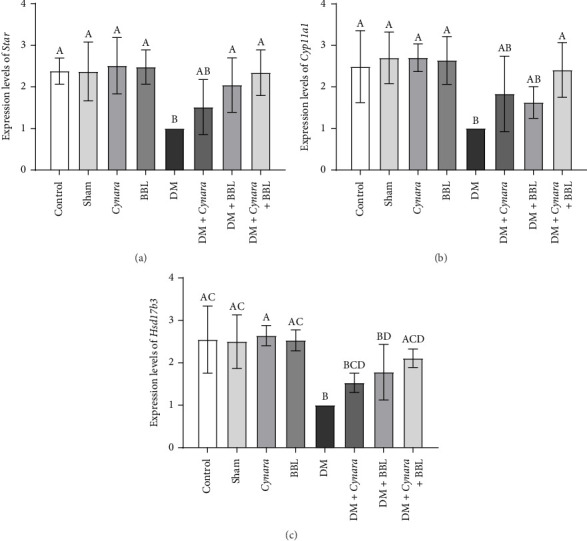 Figure 3
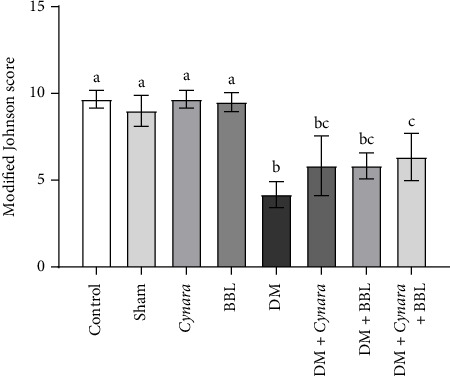 Figure 4
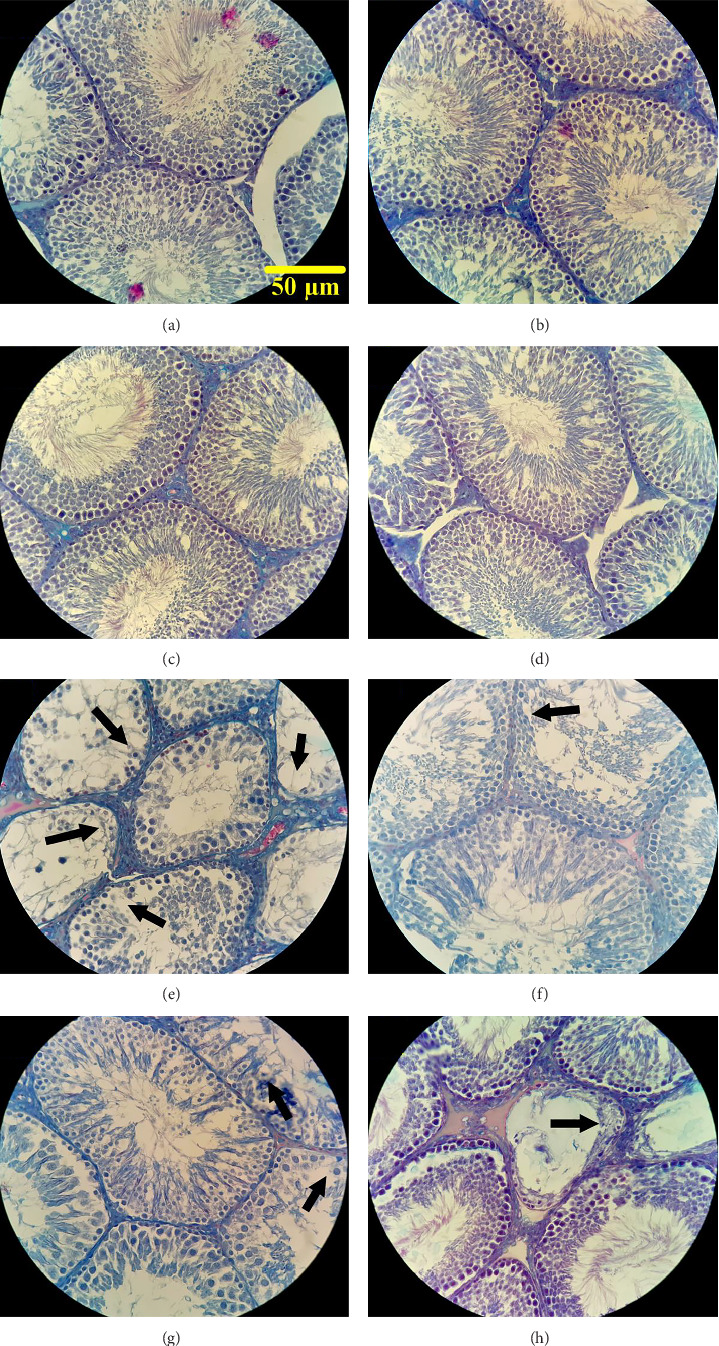 Figure 5
Peer Reviews
No public reviews on file for this paper yet. If you reviewed it on a platform where reviews are public (OpenReview, ICLR, NeurIPS, ICML), you can paste yours below so the community can read it here.
Videos
No videos yet. Explain this paper in a talk, walkthrough, or lecture? Add one.
Taxonomy
TopicsCynara cardunculus studies · Coenzyme Q10 studies and effects · Pomegranate: compositions and health benefits