Distinct diurnal temperature rhythm patterns in critical illness myopathy: secondary analysis of two prospective trials
D. Mewes, S. Weber-Carstens, K. Rubarth, S. D. Boie, C. Spies, A. Kramer, J. Fielitz, T. Wollersheim, B. Ananthasubramaniam, F. Braune, L. Hancke, L. Spies, F. Balzer, L. J. Engelhardt

TL;DR
This study finds that critically ill patients with muscle disease have altered daily body temperature patterns compared to those without the disease and healthy individuals.
Contribution
The study identifies distinct diurnal temperature rhythm patterns in critical illness myopathy compared to non-myopathy ICU patients and healthy controls.
Findings
CIM patients showed a shifted temperature rhythm nadir compared to healthy controls.
CIM patients had lower temperature rhythm mesors and higher amplitudes than non-CIM patients.
Blunted amplitude suppression in CIM patients may reflect reduced adaptation to ICU-related circadian disruption.
Abstract
Critical illness myopathy (CIM) increases mortality and causes long-term disabilities. CIM is characterized by reduced muscle excitability, muscle atrophy, weakness, and impaired glucose metabolism. Functional circadian rhythms are important for skeletal muscle homeostasis. Circadian rhythms are often disrupted during critical illness in the Intensive Care Unit (ICU). This analysis investigates whether diurnal temperature rhythms differ in critically ill CIM compared to no-CIM patients. This is a secondary analysis of two prospective trials including critically ill patients with CIM (n = 32) or no-CIM (n = 30) based on electrophysiological tests. Diurnal body temperature rhythms were compared between CIM and no-CIM groups in reference to n = 16 participants included in a bed rest study. Cosinor analysis was performed to determine the rhythm parameters and classify into rhythm classes.…
Genes, proteins, chemicals, diseases, species, mutations and cell lines named across the full text — each resolved to its canonical identifier and authoritative record.
Click any figure to enlarge with its caption.
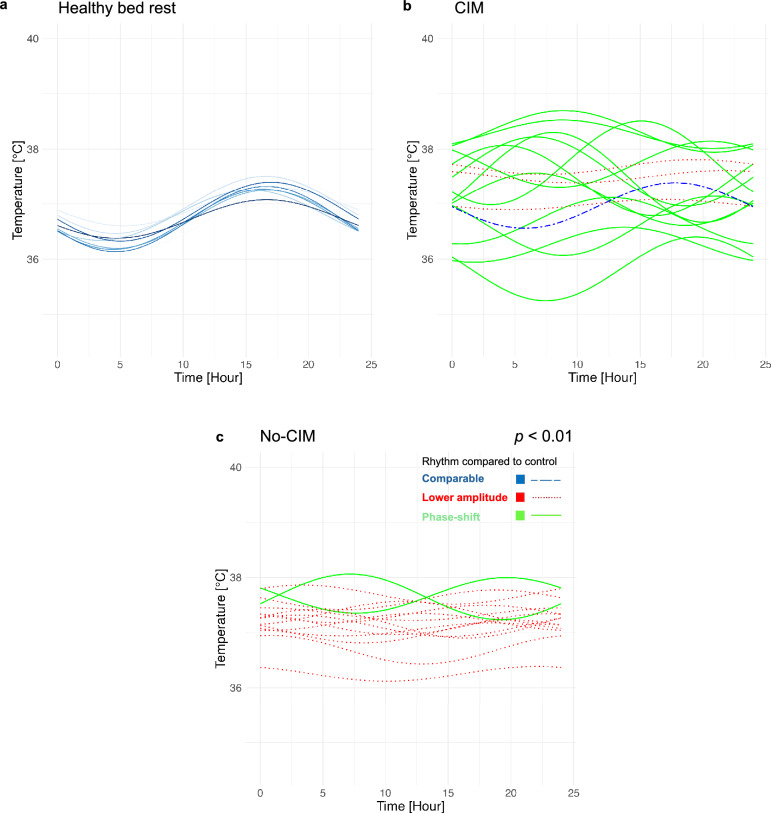 Figure 1
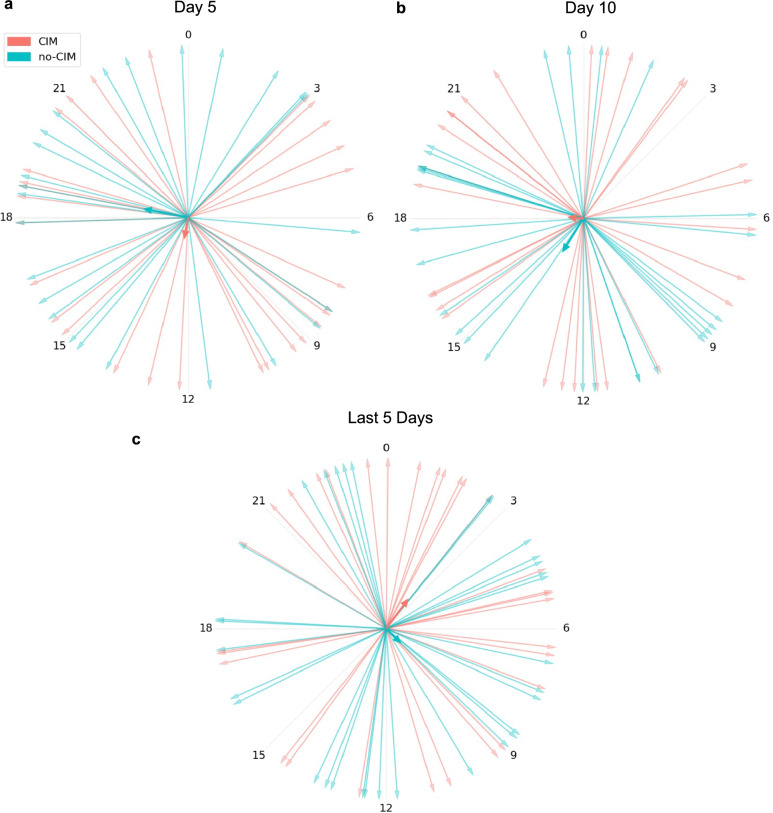 Figure 2
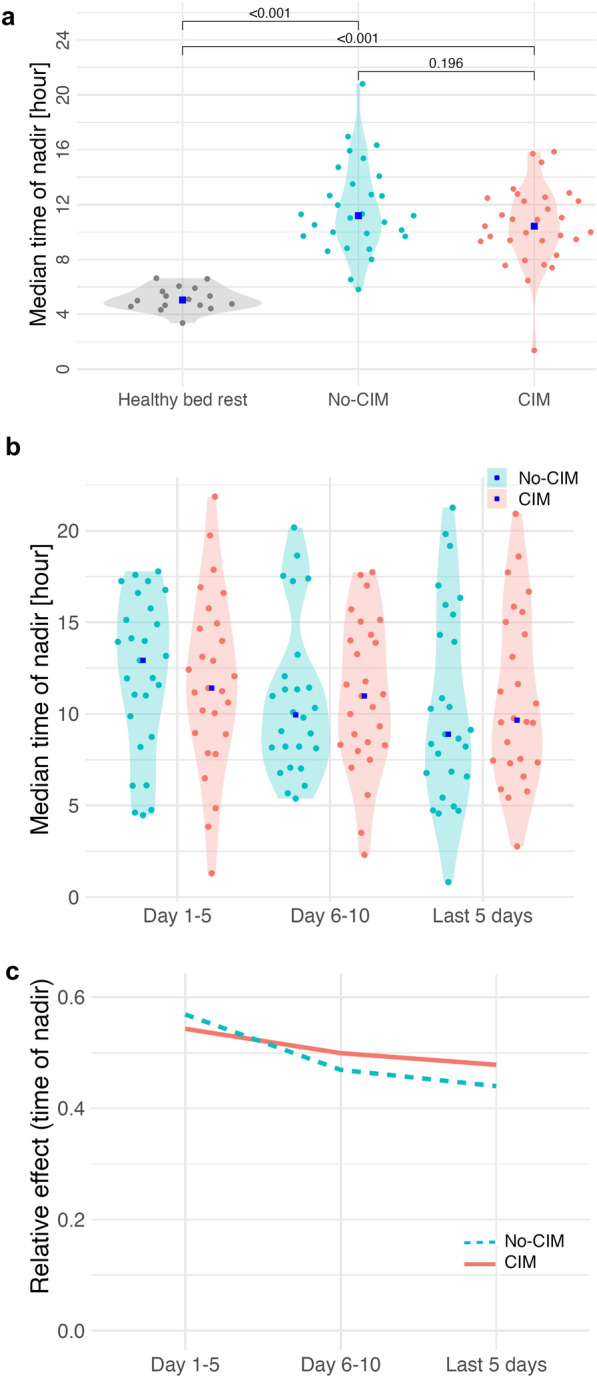 Figure 3
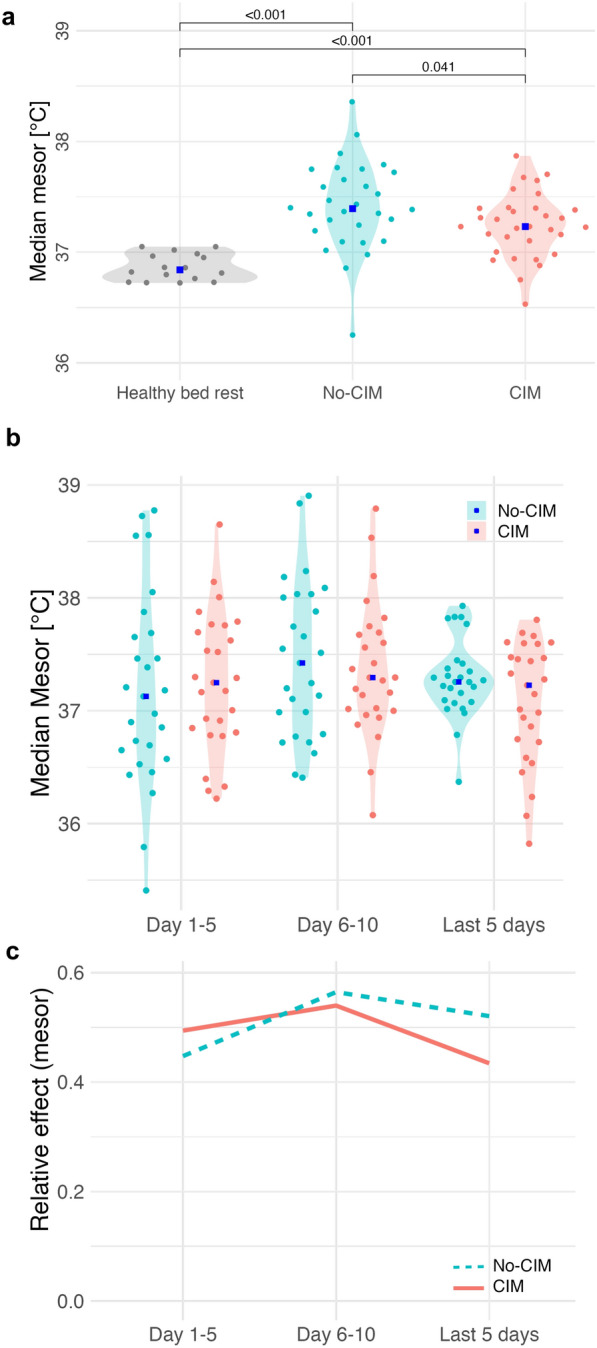 Figure 4
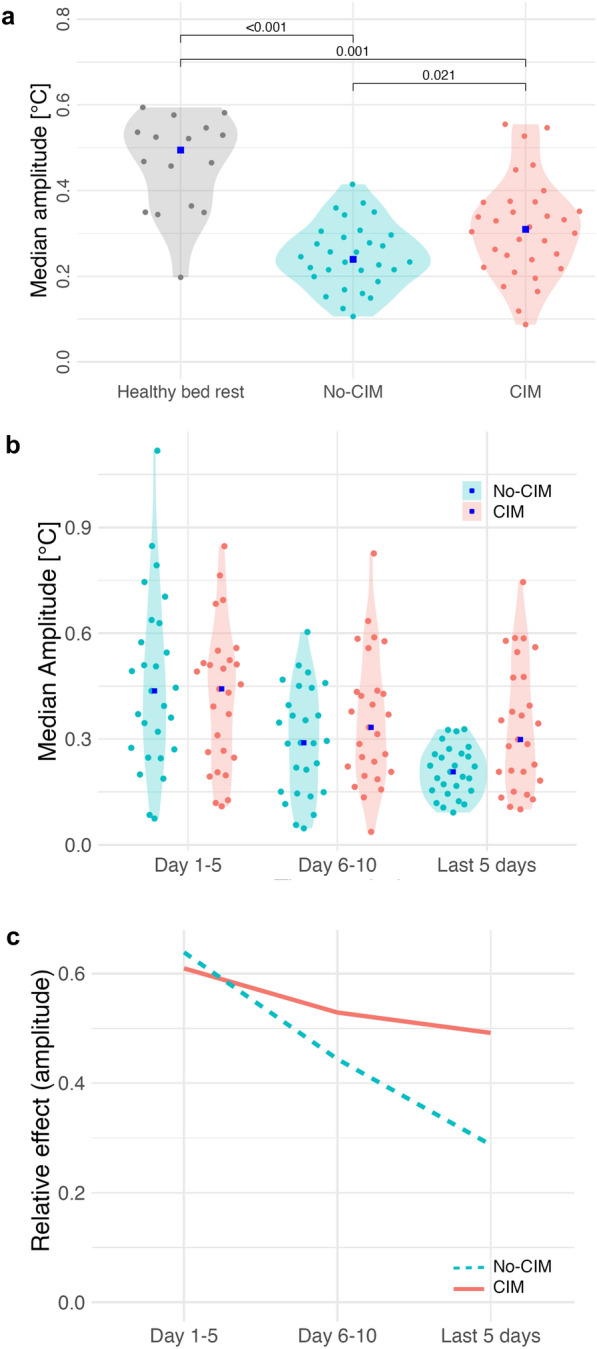 Figure 5
 Figure 6
 Figure 7
 Figure 8
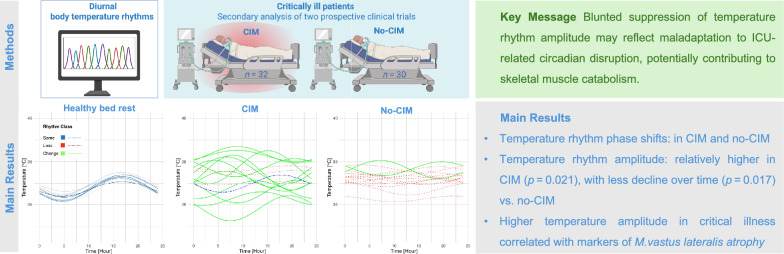 Figure 9
Peer Reviews
No public reviews on file for this paper yet. If you reviewed it on a platform where reviews are public (OpenReview, ICLR, NeurIPS, ICML), you can paste yours below so the community can read it here.
Videos
No videos yet. Explain this paper in a talk, walkthrough, or lecture? Add one.
Taxonomy
TopicsIntensive Care Unit Cognitive Disorders · Circadian rhythm and melatonin · Thermoregulation and physiological responses