Ineffable absences, irrefutable presences
Gisela Heffes, Jay Odenbaugh, Tracey Heatherington

TL;DR
This essay explores how everyday objects can reveal stories of extinction and loss, urging a deeper reflection on ecological and cultural erasure.
Contribution
It proposes a Museum of Extinction and emphasizes creative engagement with artifacts as a means to confront absences and inspire change.
Findings
Everyday objects carry embedded histories that reveal damaging extractive practices and ecological loss.
A speculative Museum of Extinction can highlight contrasts between natural remnants and constructed environments.
Creative engagement with artifacts fosters reflection and motivates material interventions for ecological and cultural preservation.
Abstract
This speculative essay examines the concepts of extinction and (de)extinction through the lens of quotidian objects, emphasizing that each material artifact tells a story about its ingrained elements and the “absence” it signifies. Situated within the framework of the Anthropocene, this reflection draws inspiration from a recent exhibit at the Peale Museum, showcasing artifacts retrieved from sites along the Jones Falls River and the Chesapeake Bay in Baltimore, MD. Adopting an interdisciplinary approach that contemplates futuristic visions of place and the embedded histories within objects, such as dolls, calculators and soda cans, the essay envisions a Museum of Extinction that interrogates the stark contrasts between tangible remnants of the natural world and living organisms in constructed environments. These objects embody haunting stories of damaging extractive practices and…
Genes, proteins, chemicals, diseases, species, mutations and cell lines named across the full text — each resolved to its canonical identifier and authoritative record.
Click any figure to enlarge with its caption.
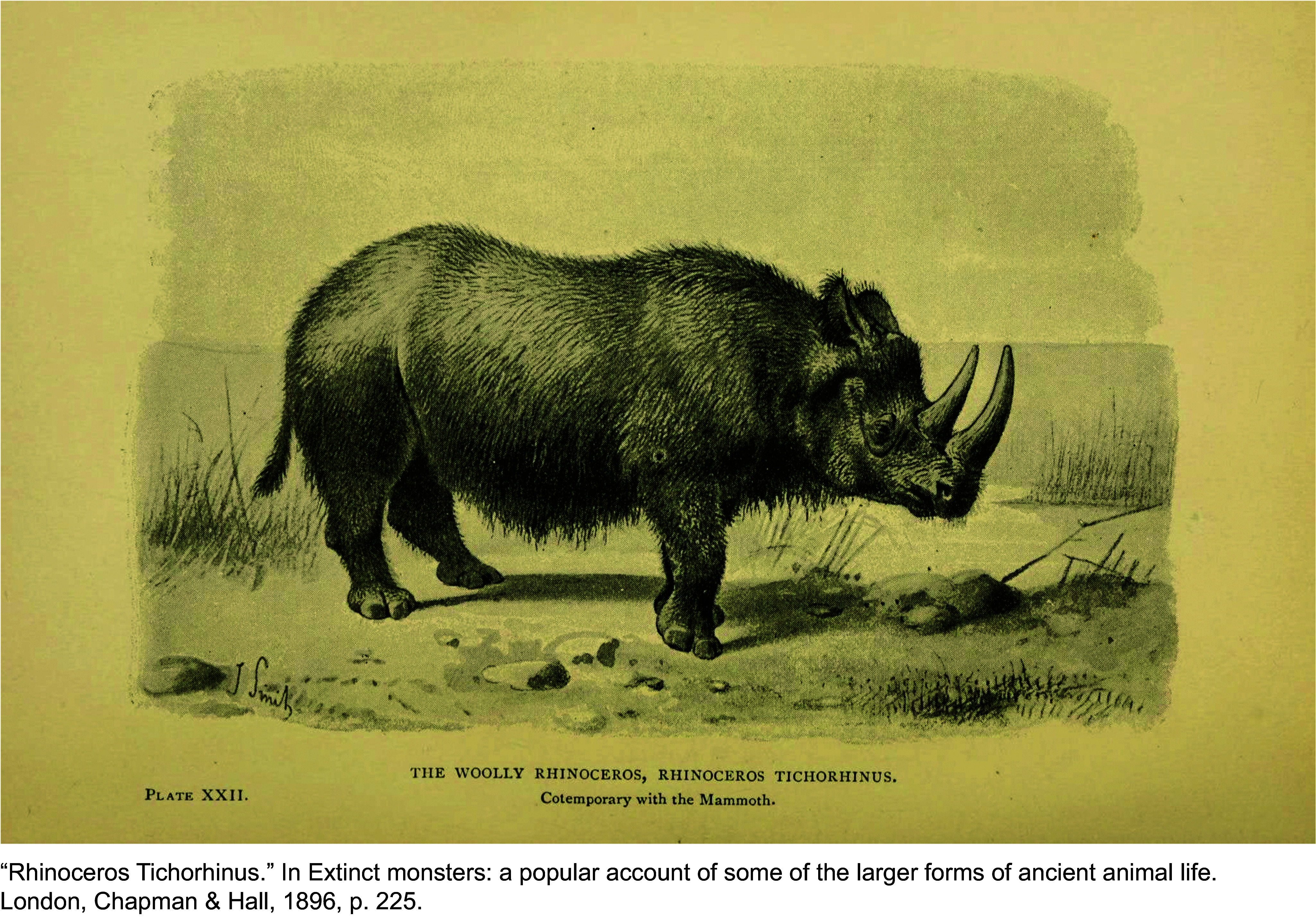 Figure 1
Peer Reviews
No public reviews on file for this paper yet. If you reviewed it on a platform where reviews are public (OpenReview, ICLR, NeurIPS, ICML), you can paste yours below so the community can read it here.
Videos
No videos yet. Explain this paper in a talk, walkthrough, or lecture? Add one.
Taxonomy
TopicsPosthumanist Ethics and Activism · Geographies of human-animal interactions · Ecocriticism and Environmental Literature