Carnosine ameliorates dexamethasone-induced muscle atrophy with associated modulation of ubiquitin ligases and oxidative stress in C57BL/6J female mice
Md Mizanur Rahman, Anayt Ulla, Honomi Ogura, Haruka Tsuda, Takayuki Uchida, Tomoya Fukawa, Takeshi Nikawa

TL;DR
Carnosine helps prevent muscle loss caused by dexamethasone in mice by reducing harmful protein activity and oxidative stress.
Contribution
This study shows carnosine can reduce dexamethasone-induced muscle atrophy by targeting ubiquitin ligases and oxidative stress.
Findings
Carnosine mitigated dexamethasone-induced reductions in muscle mass and myofiber cross-sectional area.
Carnosine suppressed the expression of atrophy-related ubiquitin ligases Atrogin-1, MuRF1, and Cbl-b.
Carnosine reduced oxidative stress and preserved IRS-1 levels in dexamethasone-treated mice.
Abstract
Muscle atrophy, characterized by a decline in muscle mass and function, has limited treatment options, highlighting the need for further research. In this study, we investigated the effect of carnosine, a dipeptide with well-established antioxidant properties, on dexamethasone (Dex)-induced muscle atrophy in female C57BL/6J mice. Dex (10 mg/kg body weight) reduced muscle weight, cross-sectional area (CSA), and myosin heavy chain (MyHC) protein expression, while elevating the expression of the muscle atrophy–related ubiquitin ligases Atrogin-1 and Muscle RING-finger protein-1 (MuRF1). Dex also increased oxidative stress, leading to upregulation of the oxidative stress–sensitive ubiquitin ligase Cbl-b and downregulation of IRS-1. Notably, a 21-day treatment with carnosine (300 mg/kg body weight) significantly mitigated Dex-induced reductions in muscle mass, myofiber CSA, and MyHC protein,…
Genes, proteins, chemicals, diseases, species, mutations and cell lines named across the full text — each resolved to its canonical identifier and authoritative record.
Click any figure to enlarge with its caption.
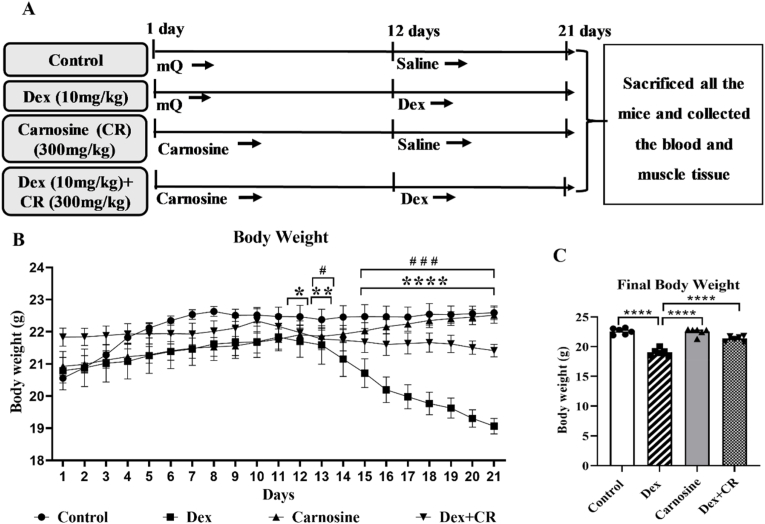 Figure 1
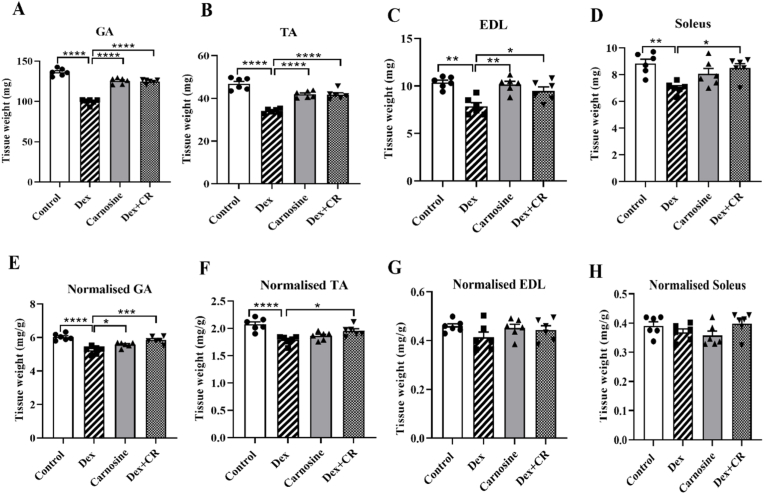 Figure 2
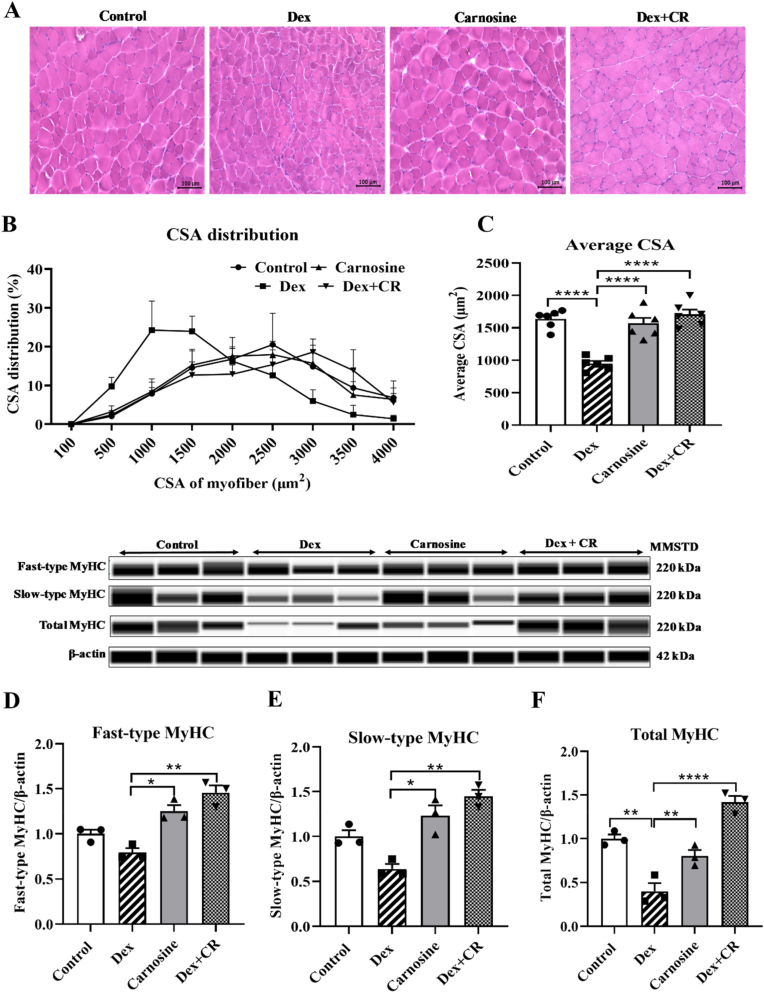 Figure 3
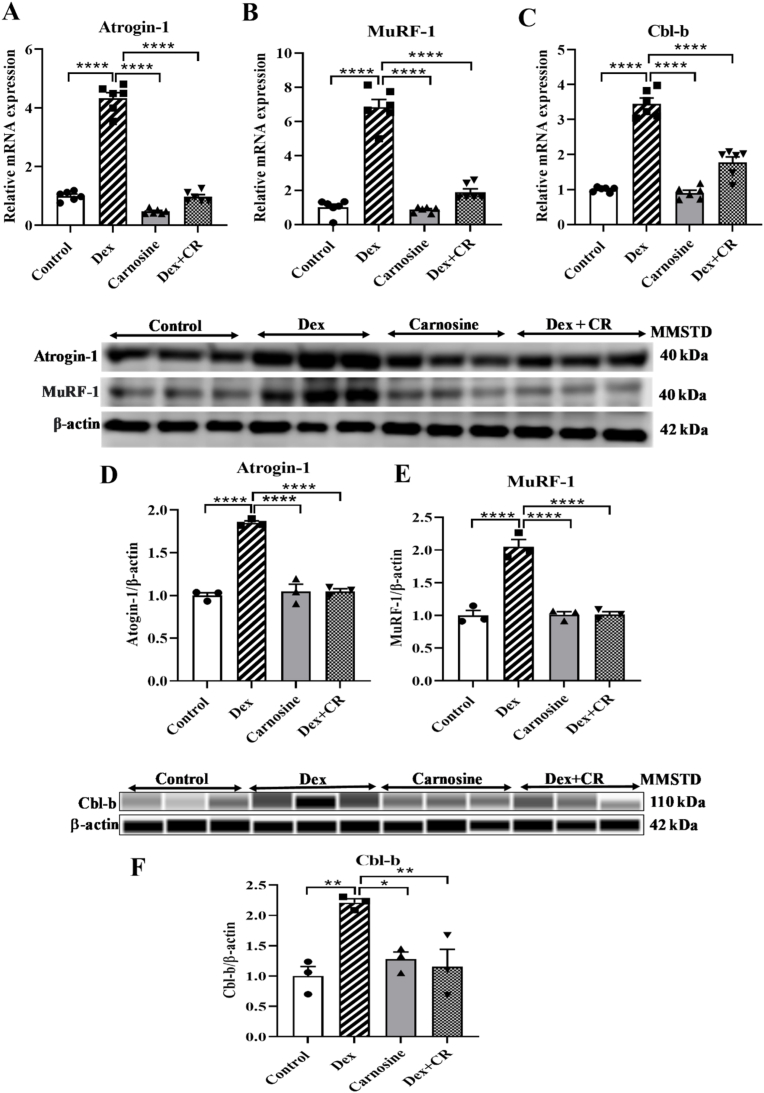 Figure 4
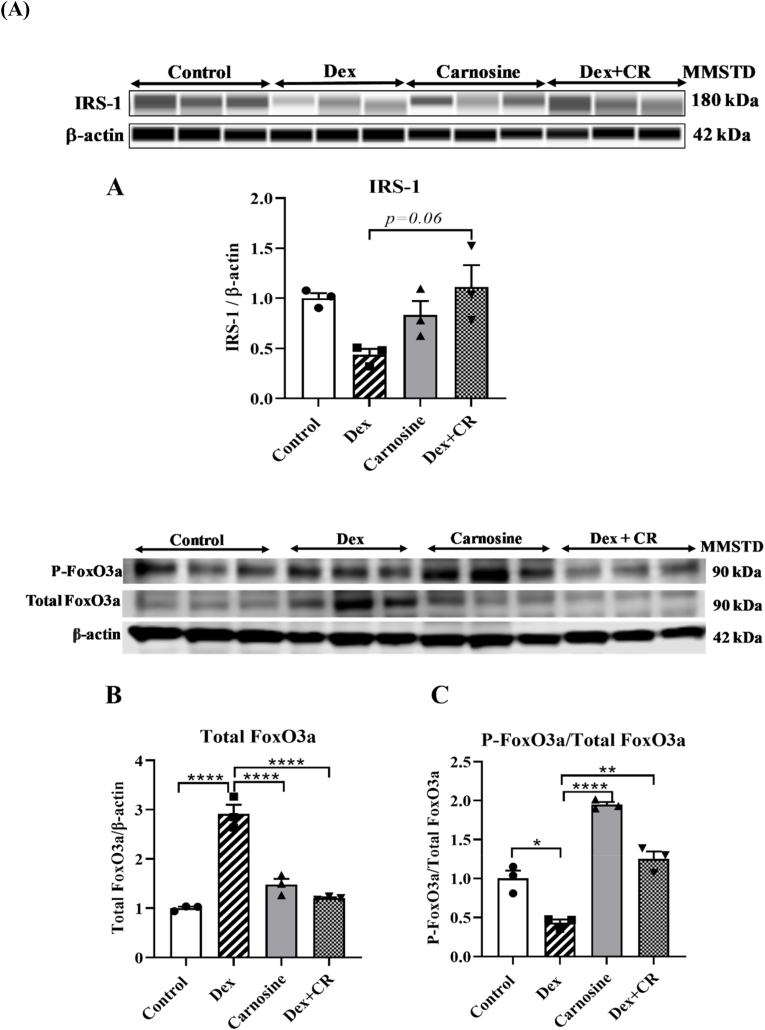 Figure 5
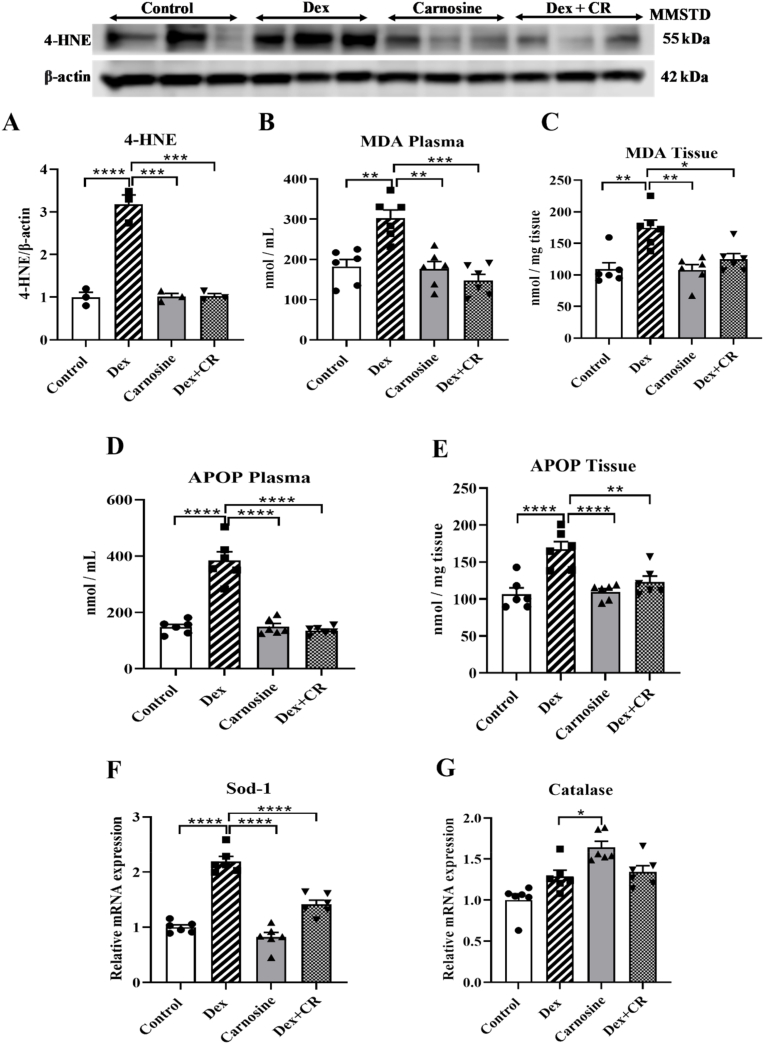 Figure 6
Peer Reviews
No public reviews on file for this paper yet. If you reviewed it on a platform where reviews are public (OpenReview, ICLR, NeurIPS, ICML), you can paste yours below so the community can read it here.
Videos
No videos yet. Explain this paper in a talk, walkthrough, or lecture? Add one.
Taxonomy
TopicsBiochemical effects in animals · Fibromyalgia and Chronic Fatigue Syndrome Research · Sirtuins and Resveratrol in Medicine