Dormant Metastases Exhibit a Unique Phenotype Primarily Promoted by the Ch25h Gene and Are Maintained in Dormancy by T Lymphocytes
Virginia Chamorro, Ignacio Algarra, Verónica Sanz, María Pulido, Irene Romero, Estefanía Chico, Marina Millán, María Escaño‐Maestre, Pablo Botella, Isabel Linares, Ángel M. García‐Lora

TL;DR
Dormant cancer metastases have a unique gene-driven immune-controlled state that could lead to new treatments.
Contribution
The study identifies a unique dormant metastasis phenotype primarily driven by the Ch25h gene and immune cell interactions.
Findings
Dormant metastases show a distinct response to nutrients, chemotherapy, and cytokines.
Ch25h gene expression and elevated mir-142-3p microRNA are key features of dormant metastases.
T lymphocytes and neutrophils are enriched in the microenvironment of dormant metastases.
Abstract
During the course of cancer, metastatic cells frequently enter a state of dormancy that can be controlled by the immune system. In our laboratory, we developed a preclinical mouse model of metastatic immunodormancy. Dormant spontaneous metastases are controlled by the immune system of wild‐type mice. Depletion of the host immune system causes these metastases to awaken and progress. Dormant metastases are compared with nude metastases and overt metastases that have never been in dormancy. The findings of the study indicate that the dormant metastases exhibit a unique and differentiated phenotype. This is evidenced by their varied response to nutrient‐restrictive conditions, chemotherapeutic agents, and cytokines in vitro. Furthermore, dormant metastases exhibit a distinctive transcriptional pattern of gene expression, which is predominantly promoted by the Ch25h gene. Additionally, the…
Genes, proteins, chemicals, diseases, species, mutations and cell lines named across the full text — each resolved to its canonical identifier and authoritative record.
Click any figure to enlarge with its caption.
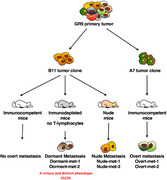 Figure 1
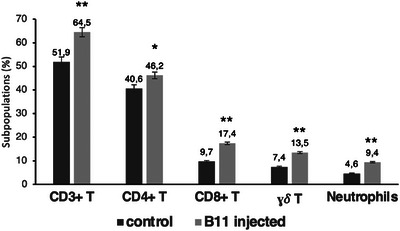 Figure 2
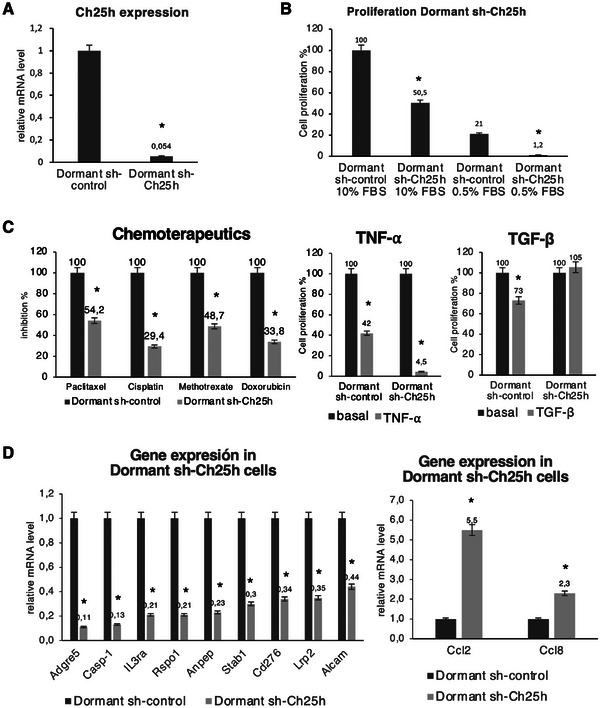 Figure 3
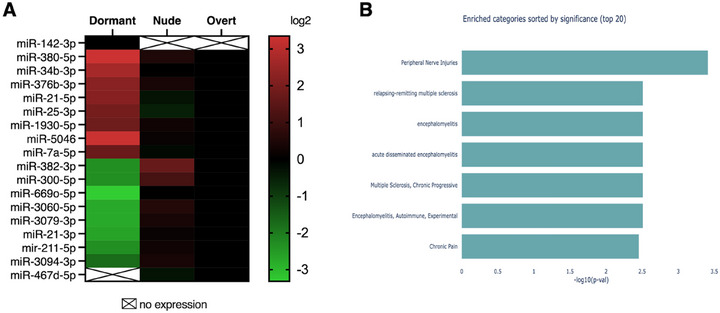 Figure 4
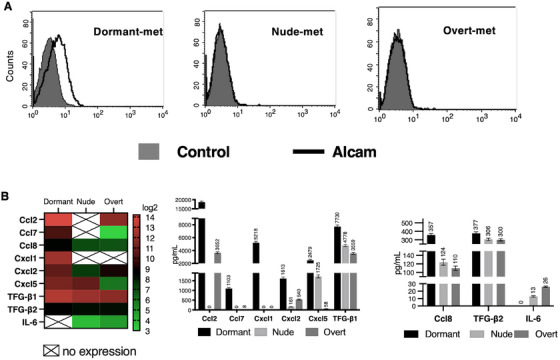 Figure 5
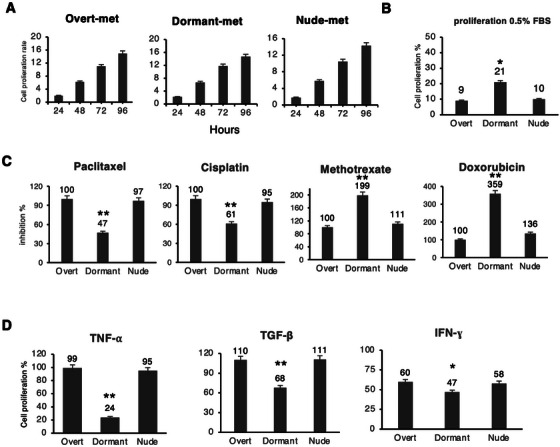 Figure 6
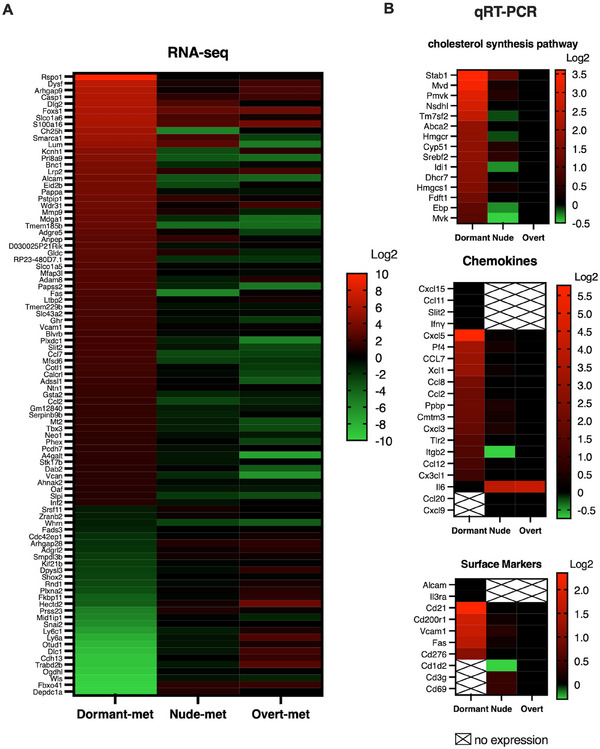 Figure 7
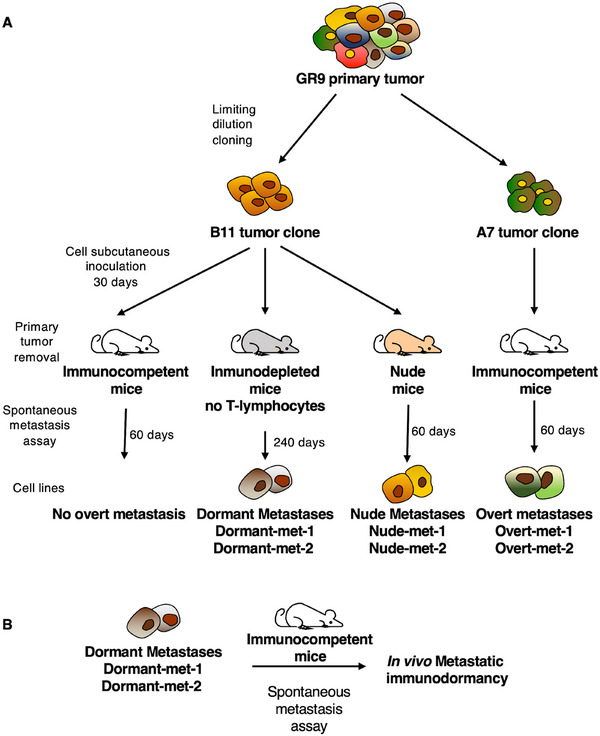 Figure 8
Peer Reviews
No public reviews on file for this paper yet. If you reviewed it on a platform where reviews are public (OpenReview, ICLR, NeurIPS, ICML), you can paste yours below so the community can read it here.
Videos
No videos yet. Explain this paper in a talk, walkthrough, or lecture? Add one.
Taxonomy
TopicsEpigenetics and DNA Methylation · Cancer Cells and Metastasis · Ferroptosis and cancer prognosis