Specific Spoilage Bacterium of Chilled Sturgeon Fillets and the Bacterial Reduction Effect of ClO2
Shirui Yu, Qin Cen, Shan Yu, Wenkang Hu, Xuechun Yin, Min Shan, Xuefeng Zeng, Xiaohua Chen

TL;DR
This study identifies bacteria that spoil chilled sturgeon fillets and finds that chlorine dioxide treatment can reduce spoilage and extend shelf life.
Contribution
The study identifies Pseudomonas jessenii as the specific spoilage bacterium and determines optimal ClO2 treatment parameters for its inhibition.
Findings
Seven dominant spoilage bacteria were identified, with Pseudomonas jessenii being the most active in spoilage.
Optimal ClO2 treatment parameters were found to be 36 μg/mL concentration, 6 mm fillet thickness, and 17 min soaking time.
ClO2 treatment effectively reduced bacterial loads and extended the shelf life of chilled sturgeon fillets.
Abstract
Chilled sturgeon fillets are highly perishable, posing a significant challenge to their long‐distance transportation. This study aimed to identify the dominant spoilage bacteria in refrigerated sturgeon fillets and evaluate the effectiveness of chlorine dioxide (ClO2) treatment in inhibiting bacterial growth and preserving product quality. The results indicated that spoilage microorganisms proliferated rapidly during storage, with sensory, physicochemical, and microbiological parameters reaching critical thresholds by the 10th day. High‐throughput 16S rDNA sequencing revealed seven dominant spoilage bacteria: Rahnella aquatilis , Pseudomonas fluorescens , Pseudomonas jessenii , Citrobacter freundii , Chryseobacterium indologenes, Hafnia alvei , and Serratia fonticola . Among them, Pseudomonas jessenii was identified as the specific spoilage bacterium with significant spoilage…
Genes, proteins, chemicals, diseases, species, mutations and cell lines named across the full text — each resolved to its canonical identifier and authoritative record.
Click any figure to enlarge with its caption.
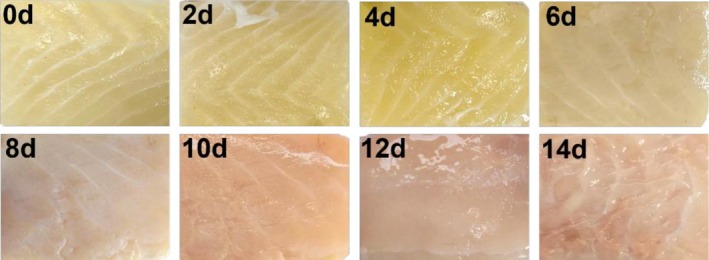 Figure 1
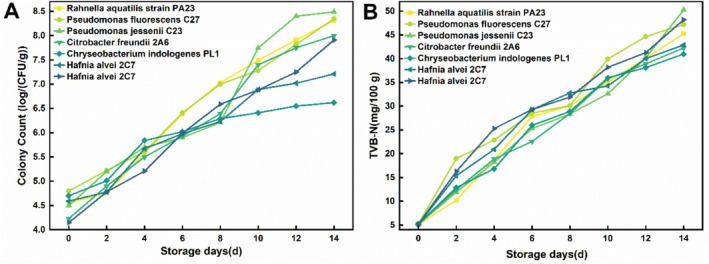 Figure 2
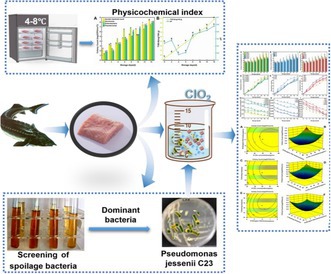 Figure 3
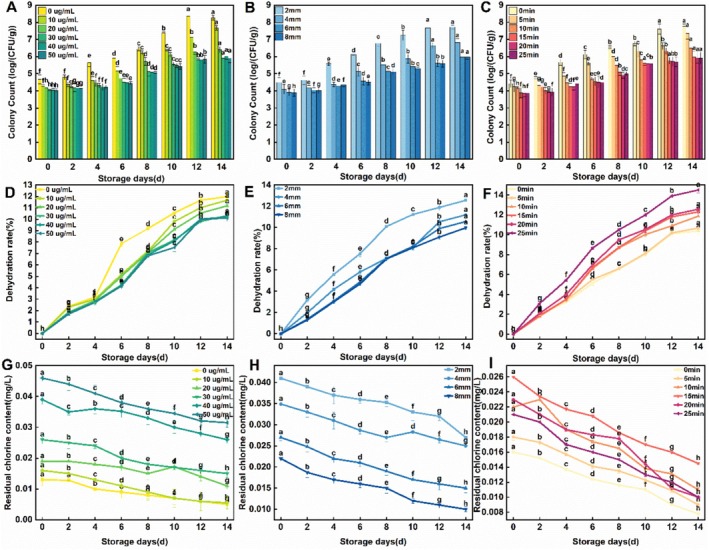 Figure 4
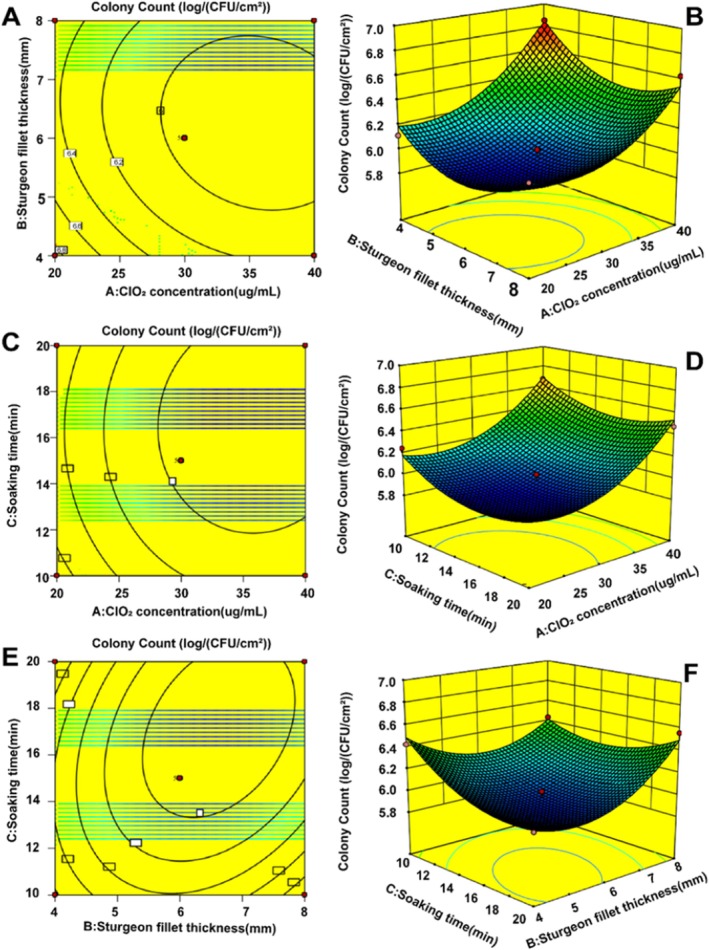 Figure 5
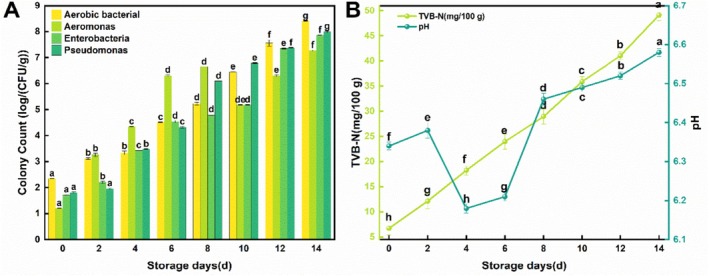 Figure 6
Peer Reviews
No public reviews on file for this paper yet. If you reviewed it on a platform where reviews are public (OpenReview, ICLR, NeurIPS, ICML), you can paste yours below so the community can read it here.
Videos
No videos yet. Explain this paper in a talk, walkthrough, or lecture? Add one.
Taxonomy
TopicsAquaculture disease management and microbiota · Meat and Animal Product Quality · Aquaculture Nutrition and Growth