Propolis mitigates busulfan-induced testicular dysfunction in rats: insights into redox stabilization, PCNA modulation, and caspase-3 inhibition
Elham A. AbdAllah, Basant A. Eid, Hassan A. Hussein, Nasser S. Abou khalil, Sohair M. M. Ragab, Asmaa Y. Wahman, Hailah M. Almohaimeed, Rehab H. Moneeb, Hanem S. Abdel-Tawab, Zuhair M. Mohammedsaleh, Jameel Barnawi, Hanan S. A. Waly

TL;DR
Propolis helps protect rat testicles from damage caused by busulfan, a chemotherapy drug, by reducing oxidative stress and preventing cell death.
Contribution
This study demonstrates propolis's protective effects against busulfan-induced reproductive dysfunction through redox stabilization and anti-apoptotic mechanisms.
Findings
Propolis mitigated busulfan-induced reductions in sperm count and quality in rats.
Propolis reversed oxidative stress and restored antioxidant enzyme activities in testicular tissues.
Propolis reduced caspase-3 activity and PCNA immunoreactivity, indicating anti-apoptotic effects.
Abstract
Testicular cytofunctional defects are among the most hazardous effects of cancer chemotherapies. Propolis mitigates the fertility problems associated with gonadotoxic agents through its redox stabilizing, anti-apoptotic, and cytoprotective properties due to presence of bioactive agents identified in our study by gas chromatography–mass spectrometry analysis including, flavonoids, terpenes, aliphatic and aromatic compounds, and amino acids. Herein, we investigated the potential reversal effects of aqueous propolis on busulfan-induced reproductive abnormalities in adult rats. Thirty rats were randomly assigned to five experimental groups, with six animals per group, for duration of 6 weeks. The control group received only the vehicle daily through oral gavage. The DMSO group was given a single intraperitoneal injection of DMSO. The busulfan group received a single intraperitoneal…
Genes, proteins, chemicals, diseases, species, mutations and cell lines named across the full text — each resolved to its canonical identifier and authoritative record.
Click any figure to enlarge with its caption.
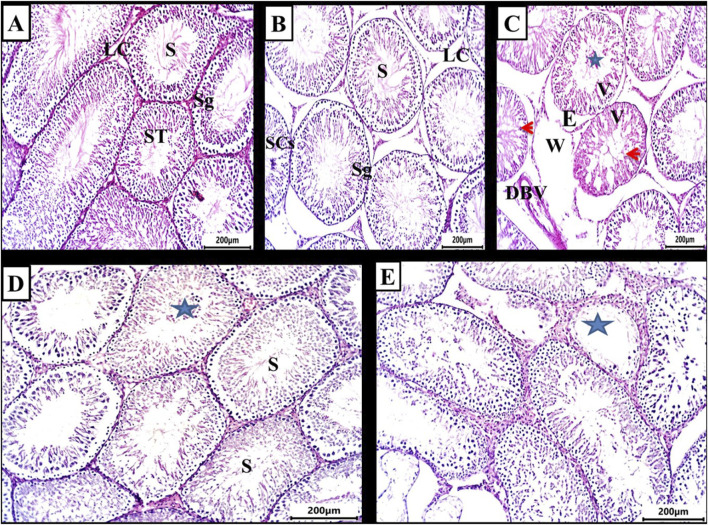 Figure 1
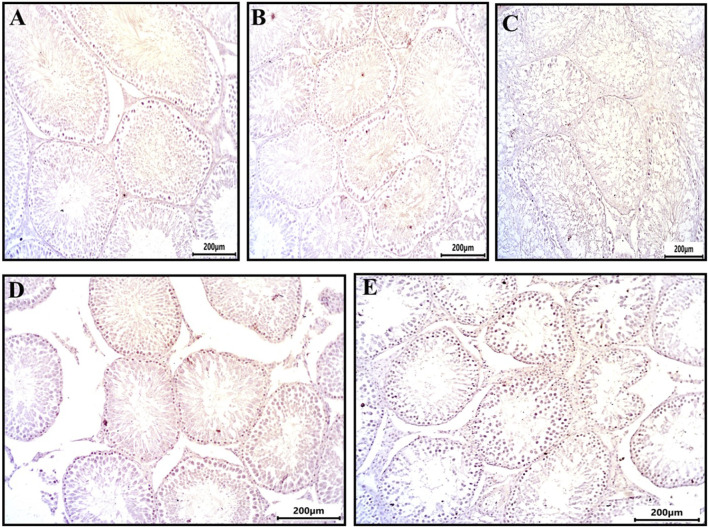 Figure 2
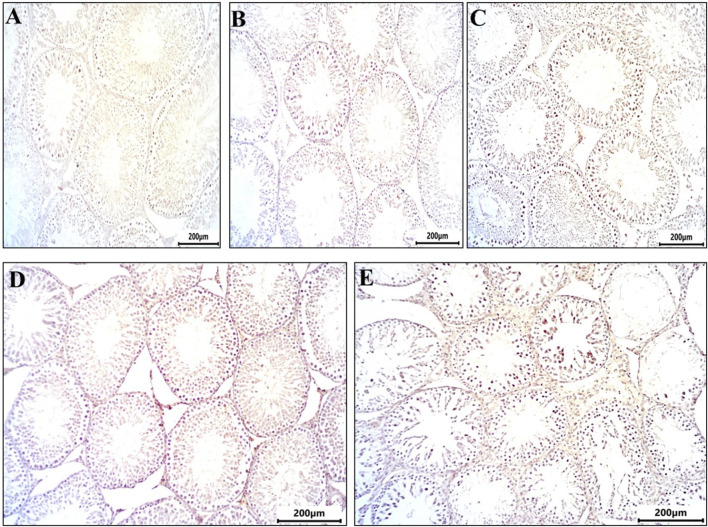 Figure 3
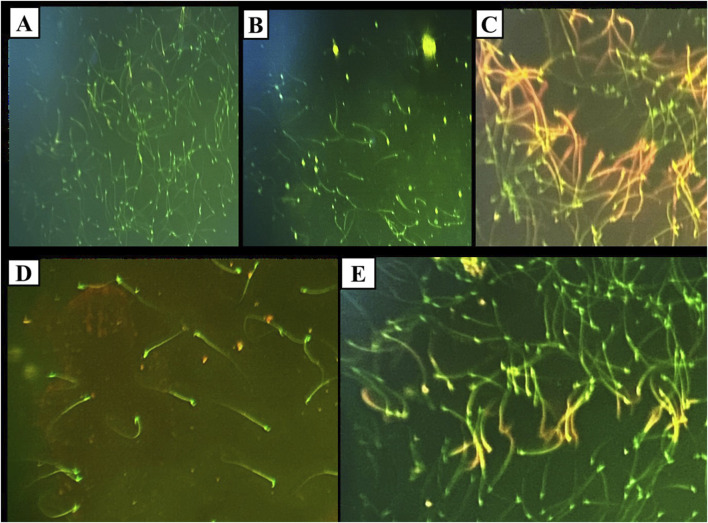 Figure 4
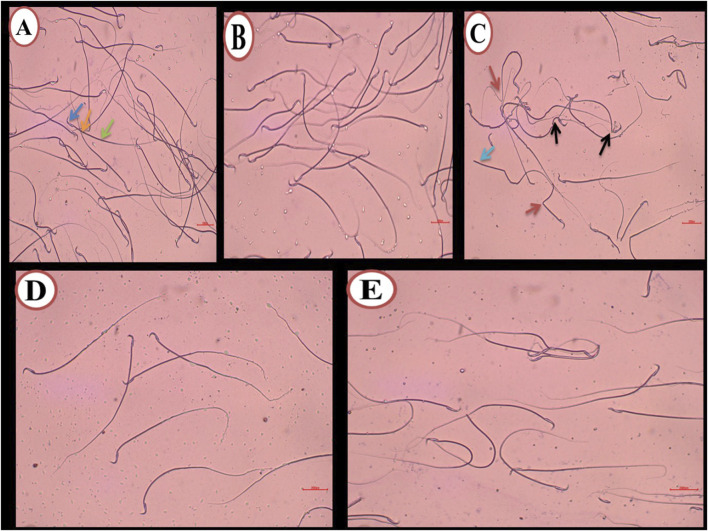 Figure 5
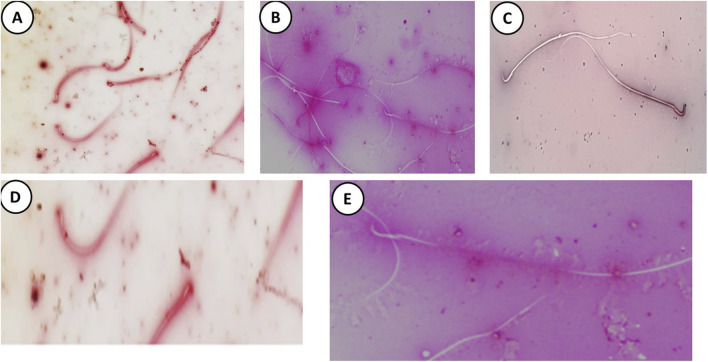 Figure 6
Peer Reviews
No public reviews on file for this paper yet. If you reviewed it on a platform where reviews are public (OpenReview, ICLR, NeurIPS, ICML), you can paste yours below so the community can read it here.
Videos
No videos yet. Explain this paper in a talk, walkthrough, or lecture? Add one.
Taxonomy
TopicsBee Products Chemical Analysis · Toxin Mechanisms and Immunotoxins · Plant Toxicity and Pharmacological Properties