Metabolic resilience governs sex-specific pain recovery during hormonal aging: a multi-omics study of neuropathy in mice
Sara Marinelli, Claudia Rossi, Luisa Pieroni, Giacomo Giacovazzo, Valentina Vacca, Federica De Angelis, Ilaria Cicalini, Valentina Mastrorilli, Chiara Parisi, Zuleyha Nihan Yurtsever, Domenico Ciavardelli, Roberto Coccurello

TL;DR
Aging and sex influence metabolic changes that affect pain recovery differently in males and females, with females showing better recovery during hormonal aging.
Contribution
The study reveals sex-specific metabolic adaptations during aging that govern pain recovery after nerve injury.
Findings
Aging females showed increased fatty acid oxidation and metabolic flexibility, aiding pain recovery.
Males exhibited metabolic inflexibility with glycolytic reliance and reduced adiponectin and PPARγ.
Females recovered more fully from nerve injury compared to males during hormonal aging.
Abstract
Biological aging and sex interact to shape systemic metabolism, yet their role in chronic pain resolution remains unexplored. We hypothesized that metabolic resilience—the ability to flexibly switch fuel sources and maintain energy homeostasis—rules successful recovery from nerve injury in a sex-dependent manner during aging. In 12-month-old male and female mice, corresponding to the perimenopausal phase in females and the onset of hormonal decline in both sexes, we induced sciatic nerve chronic constriction injury and performed multi-omics profiling during Wallerian degeneration, a phase known to trigger long-term neurobiological remodeling. Aging females exhibited early activation of fatty acid oxidation, increased resting energy expenditure, upregulation of mitochondrial redox enzymes and circulating progesterone and corticosterone. Proteomic and metabolomic analysis revealed…
Genes, proteins, chemicals, diseases, species, mutations and cell lines named across the full text — each resolved to its canonical identifier and authoritative record.
Click any figure to enlarge with its caption.
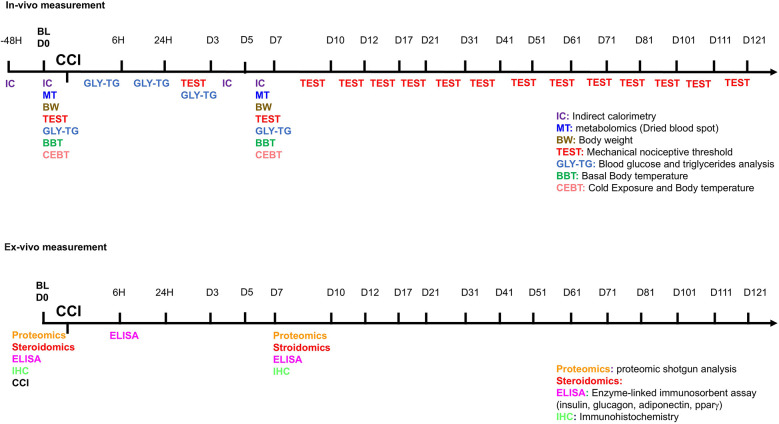 Figure 1
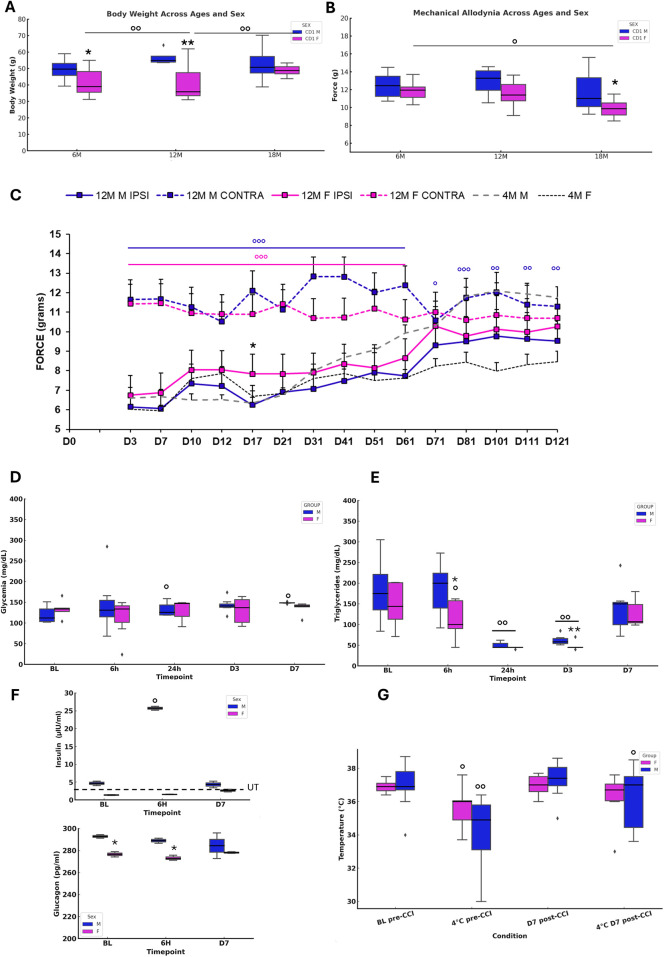 Figure 2
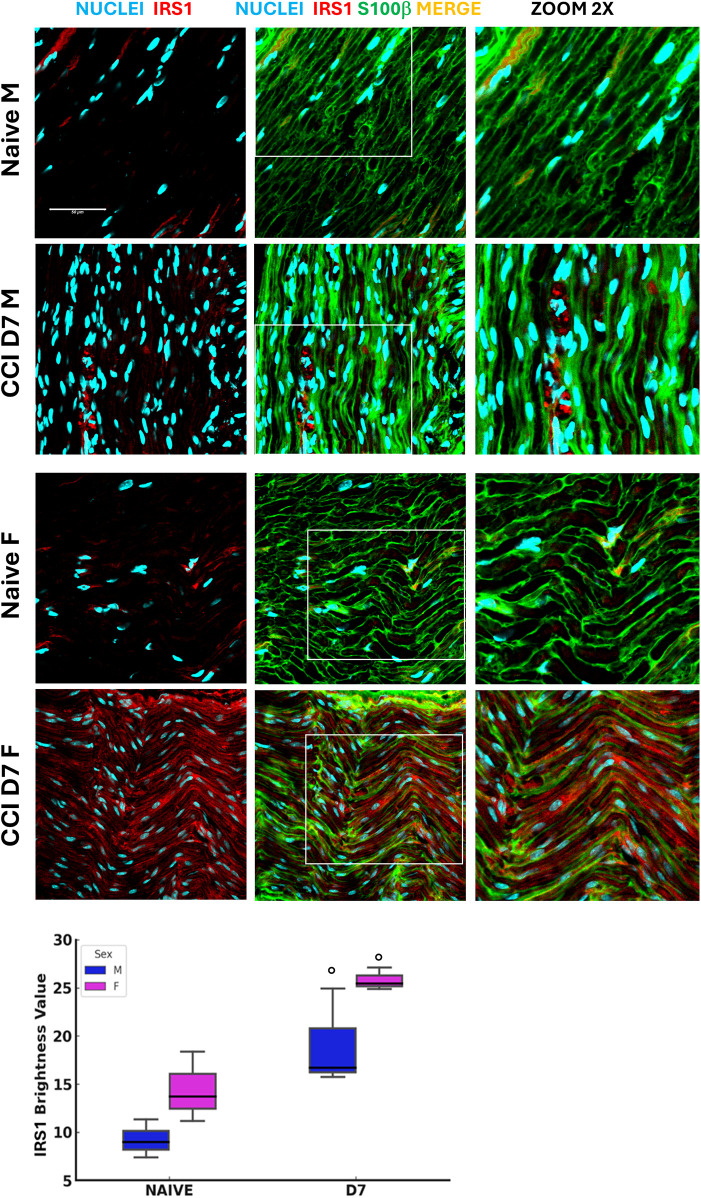 Figure 3
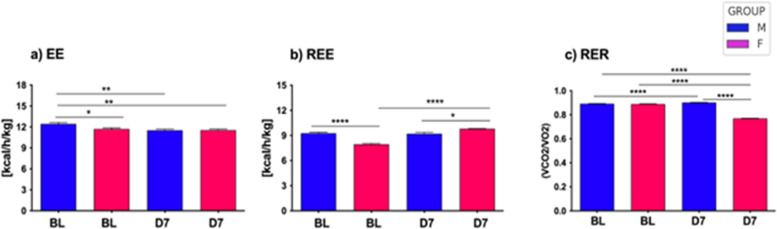 Figure 4
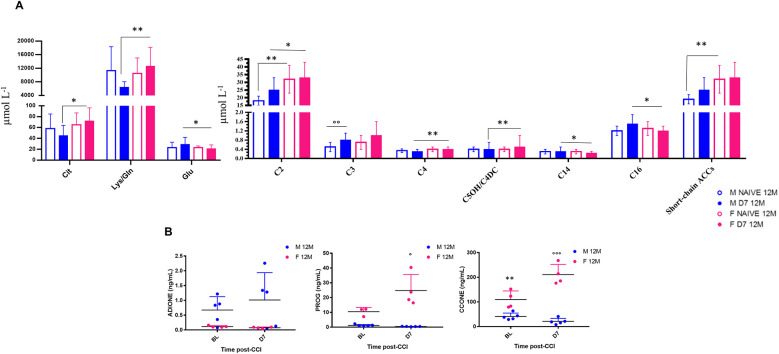 Figure 5
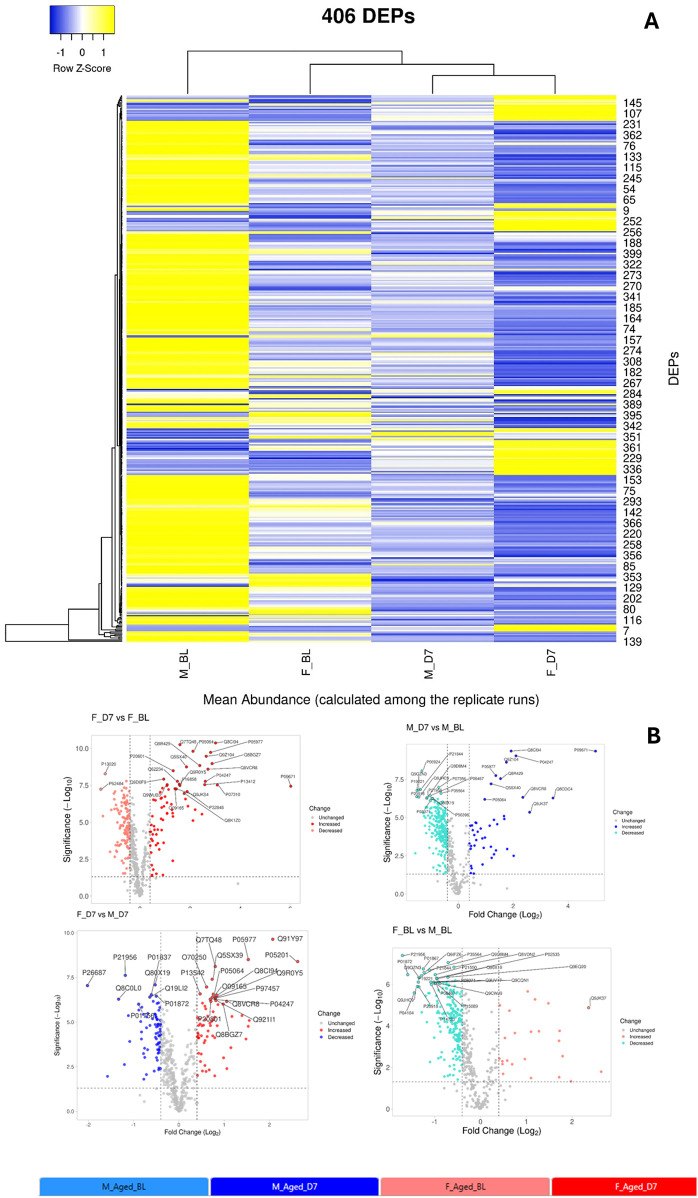 Figure 6
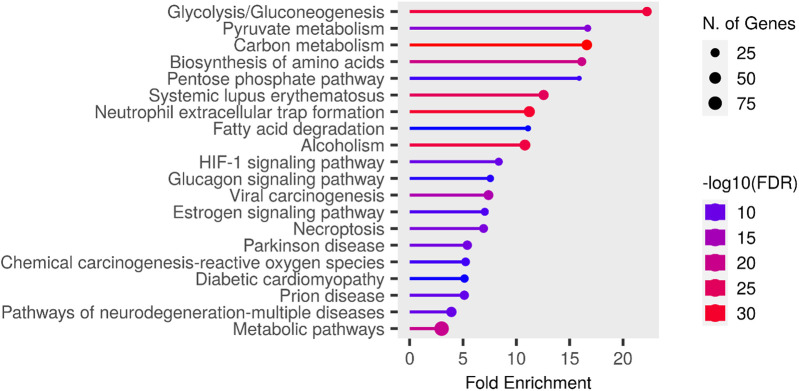 Figure 7
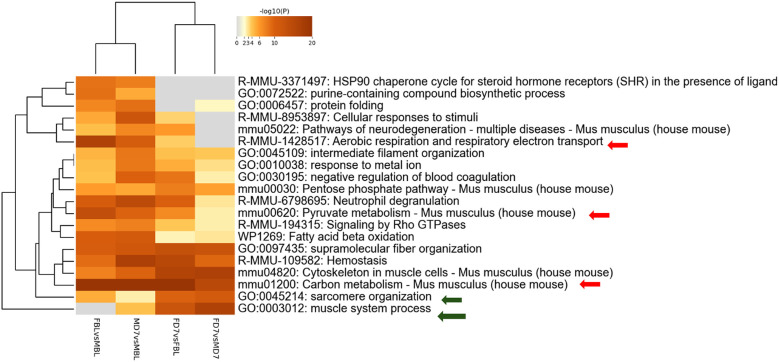 Figure 8
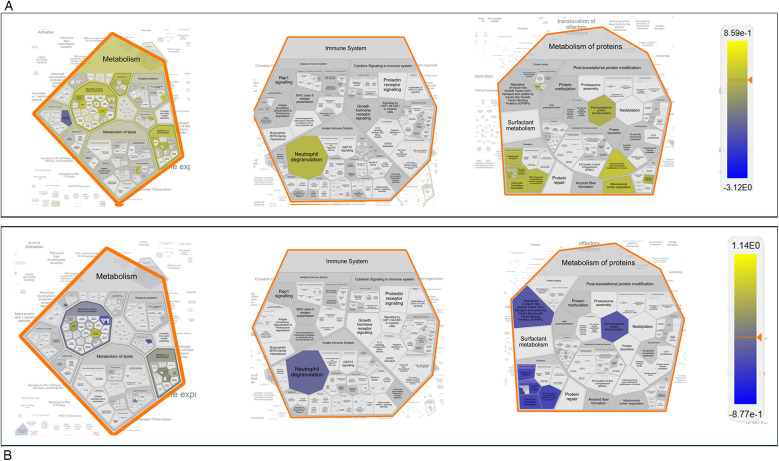 Figure 9
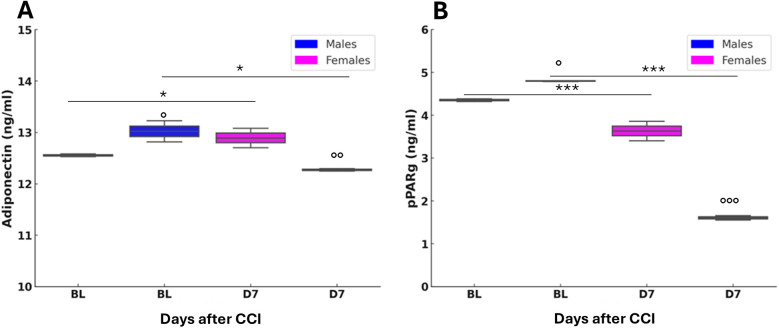 Figure 10
Peer Reviews
No public reviews on file for this paper yet. If you reviewed it on a platform where reviews are public (OpenReview, ICLR, NeurIPS, ICML), you can paste yours below so the community can read it here.
Videos
No videos yet. Explain this paper in a talk, walkthrough, or lecture? Add one.
Taxonomy
TopicsPain Mechanisms and Treatments · Adipose Tissue and Metabolism · Dietary Effects on Health