The influence of affective touch on interoceptive and exteroceptive sensory integration in infants: evidence from heartbeat-evoked and event-related potentials
Yukari Tanaka, Masako Myowa

TL;DR
This study explores how affective touch during caregiver-infant interactions influences infants' brain integration of internal and external sensory information.
Contribution
The study provides empirical evidence that affective touch enhances interoceptive-exteroceptive integration in infants.
Findings
Affective touch enhanced heartbeat-evoked potentials (HEPs) in frontal-central regions.
Affective touch modulated ERPs to faces, with stronger P400 amplitudes in parietal regions.
A positive correlation emerged between HEP responses and ERPs to faces.
Abstract
The daily accumulation of multimodal interactions with a primary caregiver is thought to integrate interoceptive and exteroceptive information in the infant brain, which may contribute to the development of social cognition. However, the neural mechanisms underlying this integration in infancy remain largely unexplored. Focusing on affective touch as a sensory stimulus affecting infants' interoception during caregiver-infant interactions, this study examined how the perception of affective touch (i.e., stroking) affects the neural processing of interoceptive-exteroceptive integration in infants' brains. During the exposure phase, infants' legs were stroked while viewing a stranger's face (Affective Touch, AT), while another face was presented without touch as a control (No-Affective Touch, No-AT). In the test phase, infants viewed the same faces in isolation. Electroencephalography…
Genes, proteins, chemicals, diseases, species, mutations and cell lines named across the full text — each resolved to its canonical identifier and authoritative record.
Click any figure to enlarge with its caption.
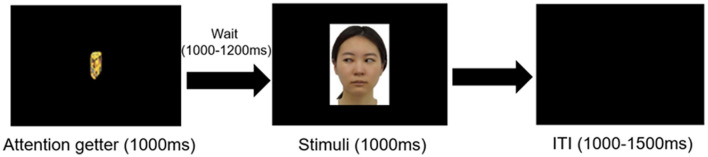 Figure 1
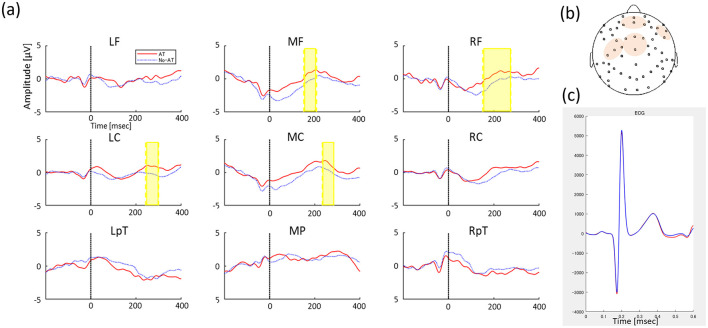 Figure 2
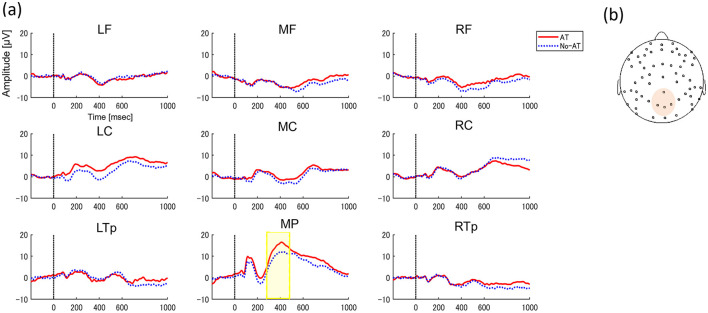 Figure 3
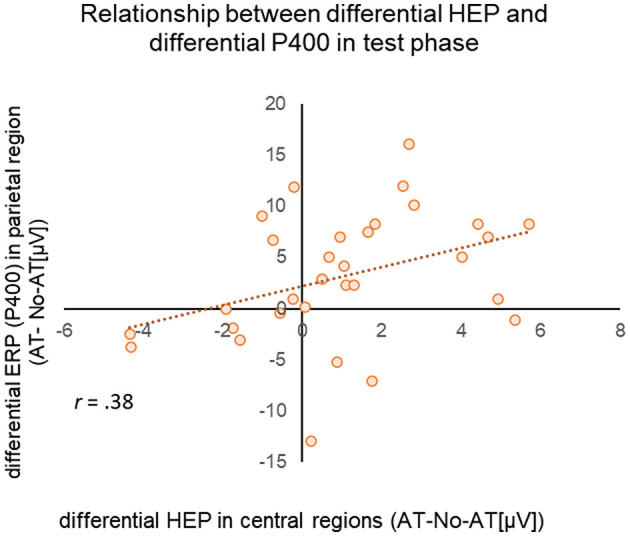 Figure 4
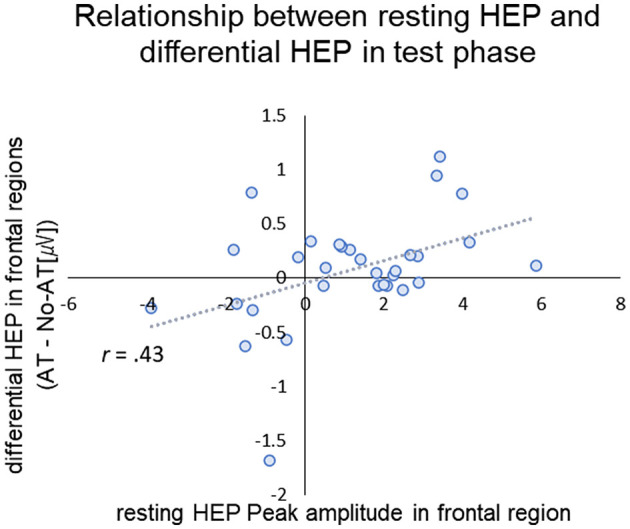 Figure 5
Peer Reviews
No public reviews on file for this paper yet. If you reviewed it on a platform where reviews are public (OpenReview, ICLR, NeurIPS, ICML), you can paste yours below so the community can read it here.
Videos
No videos yet. Explain this paper in a talk, walkthrough, or lecture? Add one.
Taxonomy
TopicsPsychosomatic Disorders and Their Treatments · Action Observation and Synchronization · Infant Health and Development