Exploring molecular characteristics and interactions of blood stasis syndrome in ischemic heart failure by integrated multi-omics
Aolong Wang, Jingjing Wei, Lijie Qiao, Xingyuan Li, Ming Li, Xinfeng Zhu, Yilin Zhang, Qifei Zhao, Rui Yu, Bin Li, Xinlu Wang, Mingjun Zhu

TL;DR
This study uses multi-omics to uncover molecular features and pathways linked to blood stasis syndrome in ischemic heart failure, identifying potential diagnostic and therapeutic targets.
Contribution
The study introduces an integrated multi-omics approach to reveal core molecular networks and pathways specific to blood stasis syndrome in ischemic heart failure.
Findings
Key pathways include complement and coagulation cascade and B-cell receptor signaling.
F2, F8, F9, and FN1 are identified as potential diagnostic and therapeutic targets for blood stasis syndrome.
Metabolic pathways like glycine, arginine, and tryptophan metabolism are involved in blood stasis syndrome.
Abstract
Ischemic heart failure (IHF) is one of the leading causes of death worldwide. In traditional Chinese medicine, blood stasis syndrome (BSS) is regarded as a core pathological feature of IHF. This study aims to clarify the main biological characteristics and underlying mechanisms of BSS in IHF. Using an integrated multi-omics strategy combining transcriptomics, proteomics, and targeted metabolomics, we systematically analyzed the molecular characteristics of BSS in patients with IHF from multiple perspectives. By integrating multi-omics data and correlating them with clinical parameters, we identified a core molecular network associated with BSS. Key targets within this network were further validated using iPRM and RT-qPCR. ROC curve analysis and responses to pharmacological intervention were employed to confirm the diagnostic and therapeutic potential of these core molecular targets. A…
Genes, proteins, chemicals, diseases, species, mutations and cell lines named across the full text — each resolved to its canonical identifier and authoritative record.
Click any figure to enlarge with its caption.
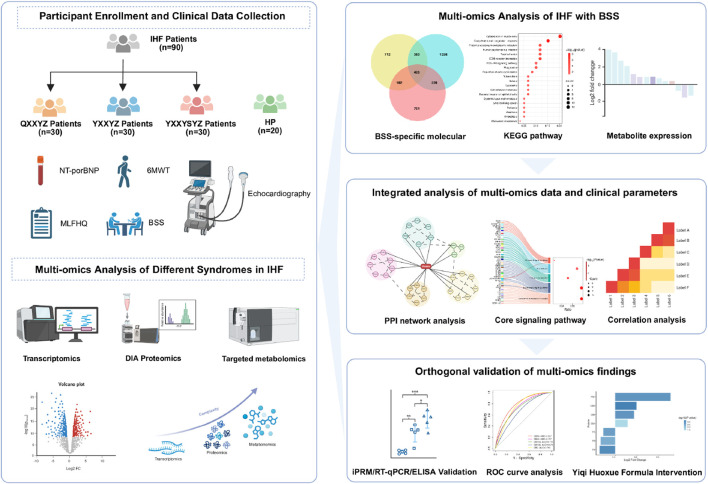 Figure 1
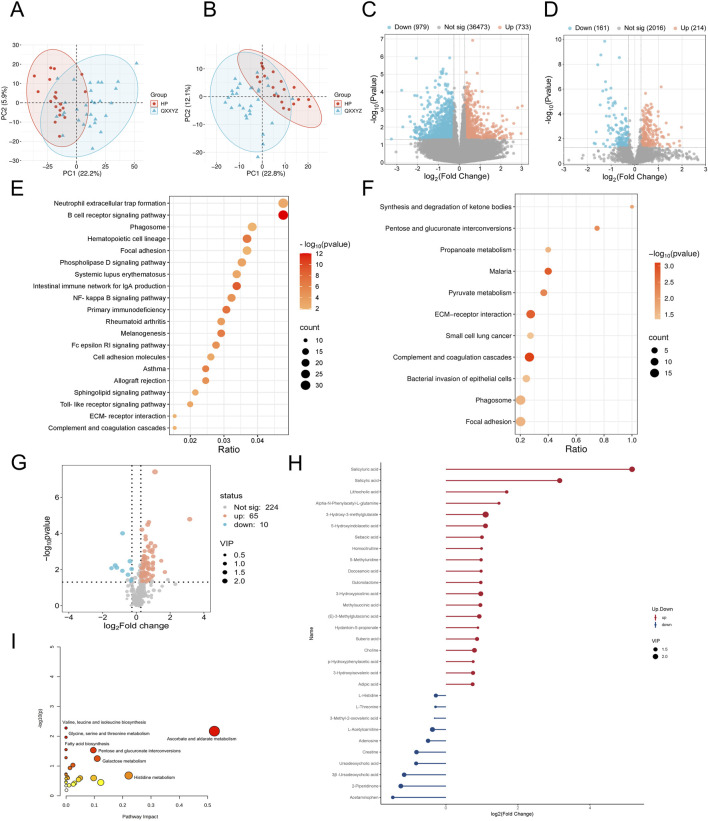 Figure 2
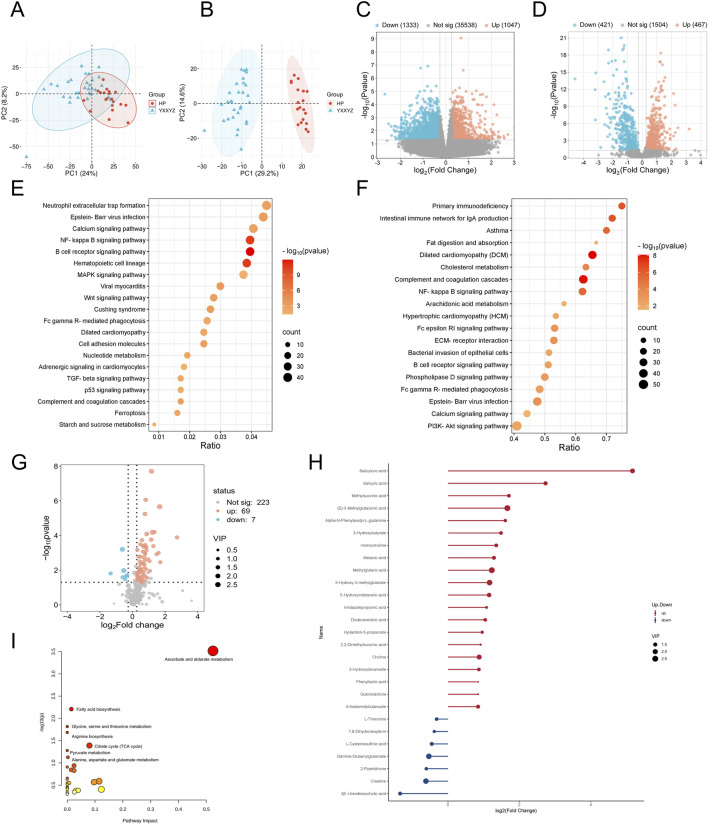 Figure 3
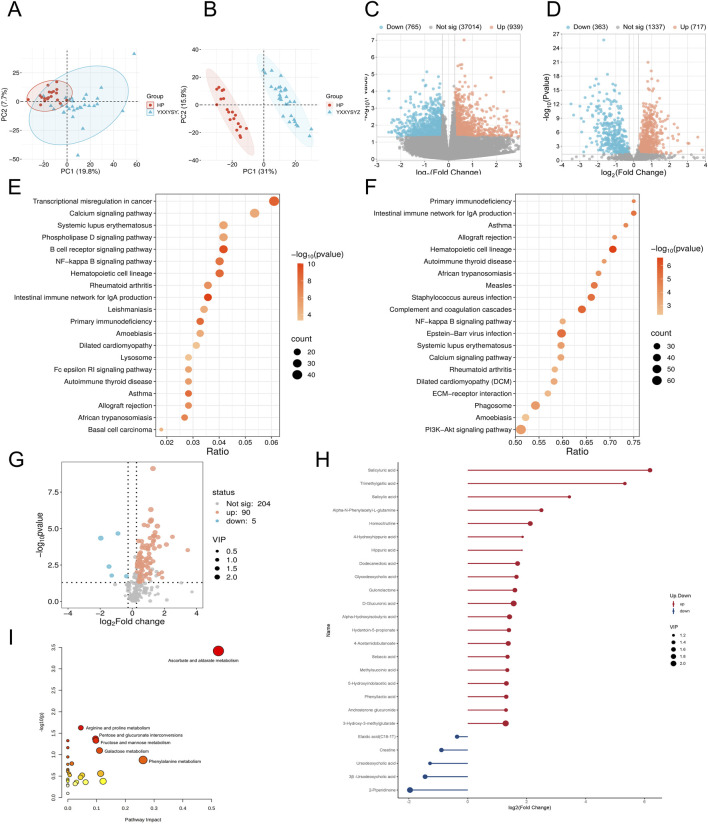 Figure 4
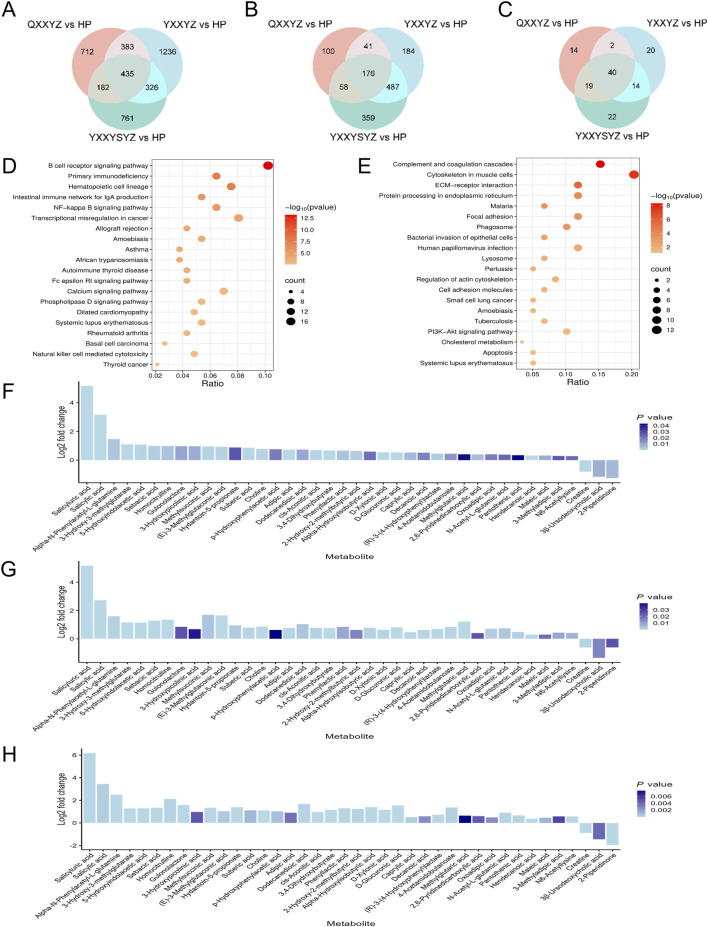 Figure 5
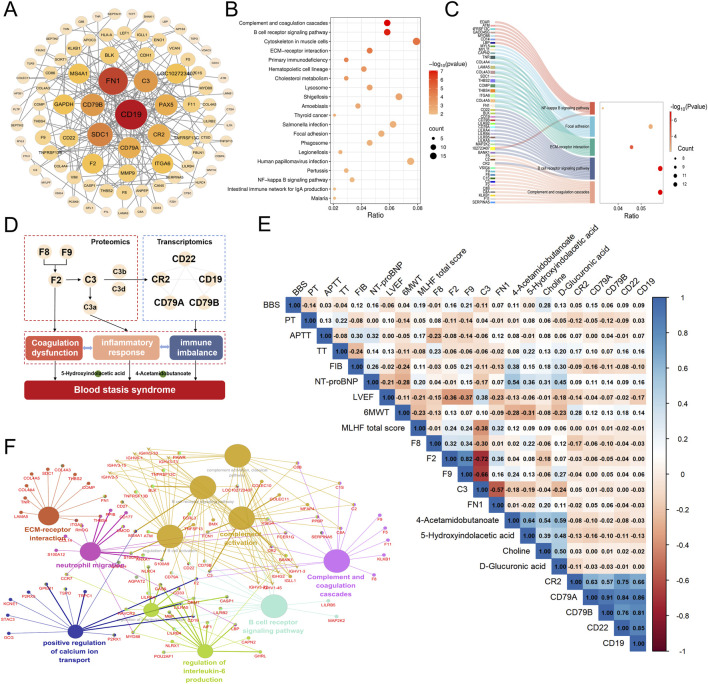 Figure 6
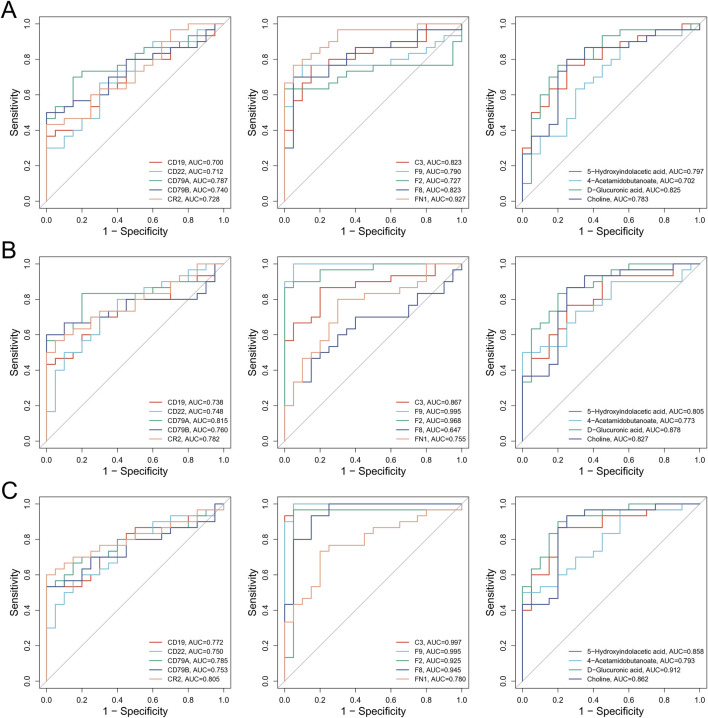 Figure 7
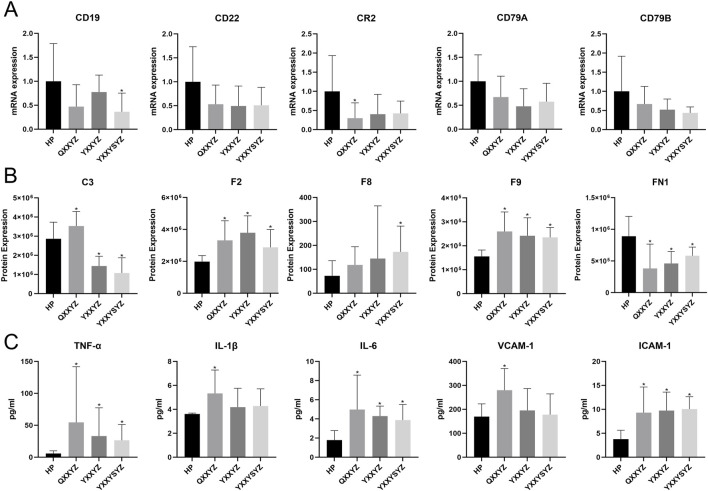 Figure 8
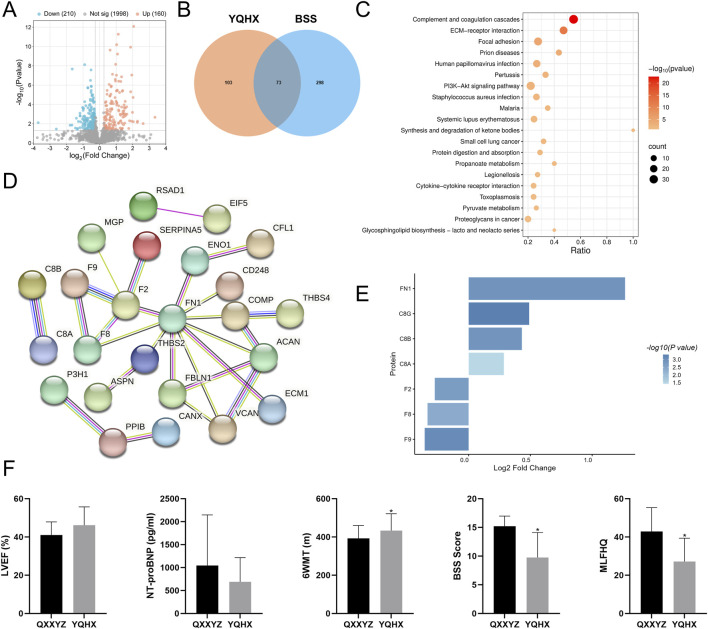 Figure 9
Peer Reviews
No public reviews on file for this paper yet. If you reviewed it on a platform where reviews are public (OpenReview, ICLR, NeurIPS, ICML), you can paste yours below so the community can read it here.
Videos
No videos yet. Explain this paper in a talk, walkthrough, or lecture? Add one.
Taxonomy
TopicsCardiovascular Function and Risk Factors · Mitochondrial Function and Pathology · Electrochemical sensors and biosensors