The role of cytostatic in oxidative stress reactions
Renata Polaniak, Aleksander Kwiatkowski, Michał Górski, Elżbieta Grochowska-Niedworok, Małgorzata Latocha

TL;DR
This paper explores how cytostatic drugs used in cancer treatment increase oxidative stress and affect antioxidant enzymes in cells.
Contribution
The study provides insights into how cytostatic drugs modulate antioxidant enzyme activity under oxidative stress conditions.
Findings
Cytostatic drugs like doxorubicin and cisplatin increase mitochondrial production of reactive oxygen species.
Antioxidant enzymes such as superoxide dismutase and catalase are modulated under oxidative stress from these drugs.
Abstract
Cytostatic drugs are widely applied in cancer therapy. Among the most commonly used agents are anthracyclines, such as doxorubicin, and platinum (II) complexes, including cisplatin, carboplatin, and oxaliplatin. Treatment with cytostatic drugs has been shown to enhance the mitochondrial production of reactive oxygen species (ROS). Cells regulate redox homeostasis through scavenging systems, with antioxidant enzymes playing a crucial role in neutralizing ROS. Key enzymes involved in this defense include superoxide dismutase, catalase, and glutathione S-transferase, whose activity may be modulated under oxidative stress conditions. Previous research has documented the effects of cytostatic drugs on cancer cell cultures in vitro, as well as the corresponding alterations in antioxidant enzyme activity observed under these conditions.
Genes, proteins, chemicals, diseases, species, mutations and cell lines named across the full text — each resolved to its canonical identifier and authoritative record.
Click any figure to enlarge with its caption.
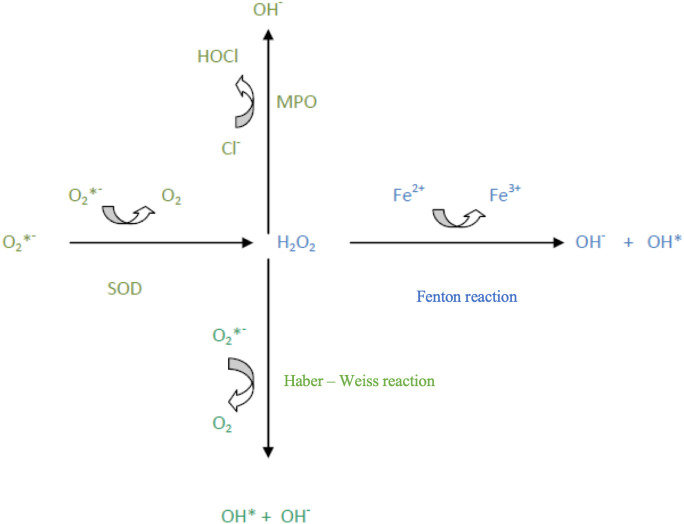 Figure 1
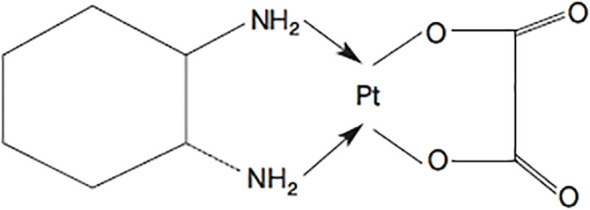 Figure 2
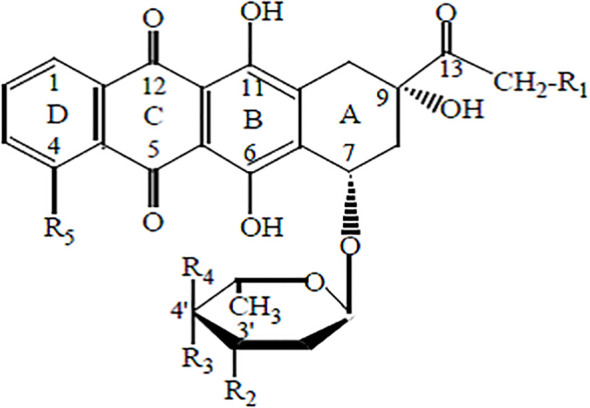 Figure 3
Peer Reviews
No public reviews on file for this paper yet. If you reviewed it on a platform where reviews are public (OpenReview, ICLR, NeurIPS, ICML), you can paste yours below so the community can read it here.
Videos
No videos yet. Explain this paper in a talk, walkthrough, or lecture? Add one.
Taxonomy
TopicsGenomics, phytochemicals, and oxidative stress · Chemotherapy-induced organ toxicity mitigation · Glutathione Transferases and Polymorphisms