From Stroke Suspicion to Genetic Confirmation: Familial Hemiplegic Migraine Type 2 as a Rare Stroke Mimic With Persistent Hemiplegia
Mohamed Haggag, Syed Hussaini, Ahmed Shehabeldein, Suzanne Muhammad

TL;DR
A rare genetic condition, familial hemiplegic migraine type 2, can mimic stroke with severe neurological symptoms and requires genetic testing for accurate diagnosis.
Contribution
Highlights FHM2 as a rare stroke mimic and emphasizes the importance of genetic testing and clinical awareness for accurate diagnosis.
Findings
FHM2 can present with stroke-like symptoms including seizures, encephalopathy, and MRI diffusion restriction.
Genetic confirmation via ATP1A2 mutation testing is critical for diagnosis and prognosis.
Nimodipine therapy showed variable outcomes in FHM2, highlighting the need for further therapeutic studies.
Abstract
Hemiplegic migraine (HM) is a rare migraine subtype characterized by reversible motor aura that can closely mimic acute ischemic stroke. Familial HM (FHM) is an autosomal dominant condition linked to mutations in CACNA1A, ATP1A2, and SCN1A genes. FHM type 2 (FHM2), associated with ATP1A2 mutations, disrupts astrocytic Na⁺/K⁺-ATPase function and may present with seizures, encephalopathy, or prolonged neurological deficits. Accurate recognition is critical, as misdiagnosis can result in inappropriate interventions. We report the case of a 33-year-old woman who presented with a gradual onset of severe left-sided headache, dysphasia, and hemiparesis over a two-day period. Shortly after initial imaging, she developed tonic-clonic seizures, loss of consciousness, and pyrexia, requiring intubation and intensive care unit (ICU) admission. Non-contrast computed tomography (CT) of the brain…
Genes, proteins, chemicals, diseases, species, mutations and cell lines named across the full text — each resolved to its canonical identifier and authoritative record.
Click any figure to enlarge with its caption.
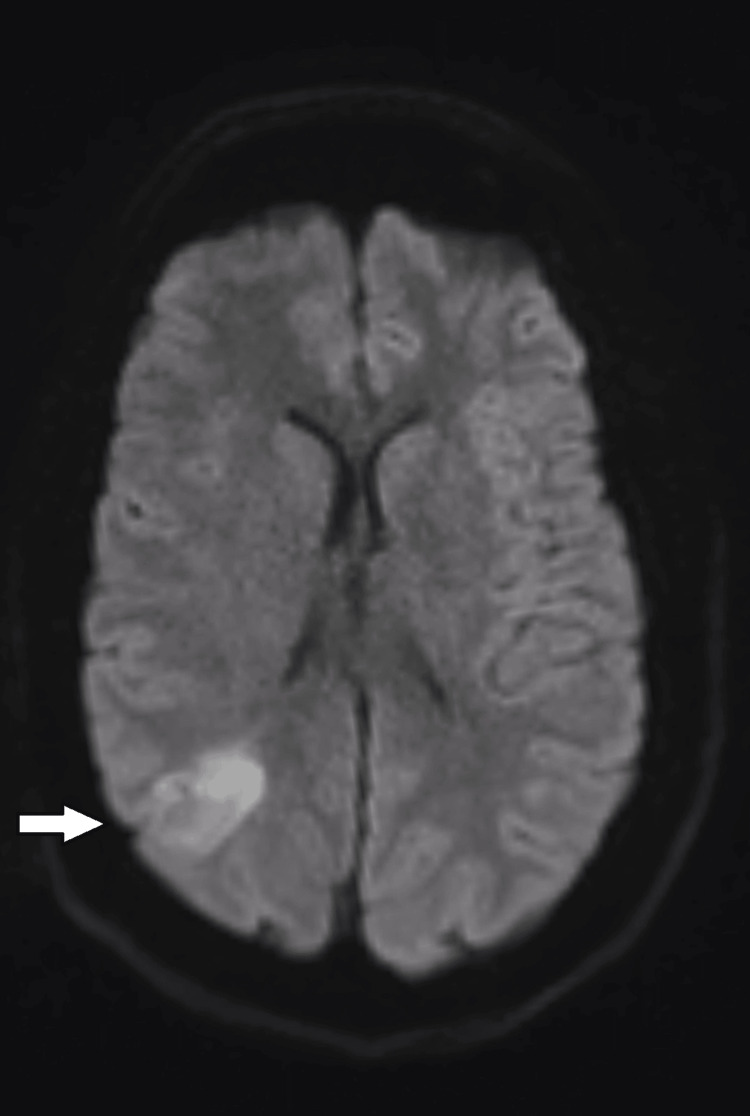 Figure 1
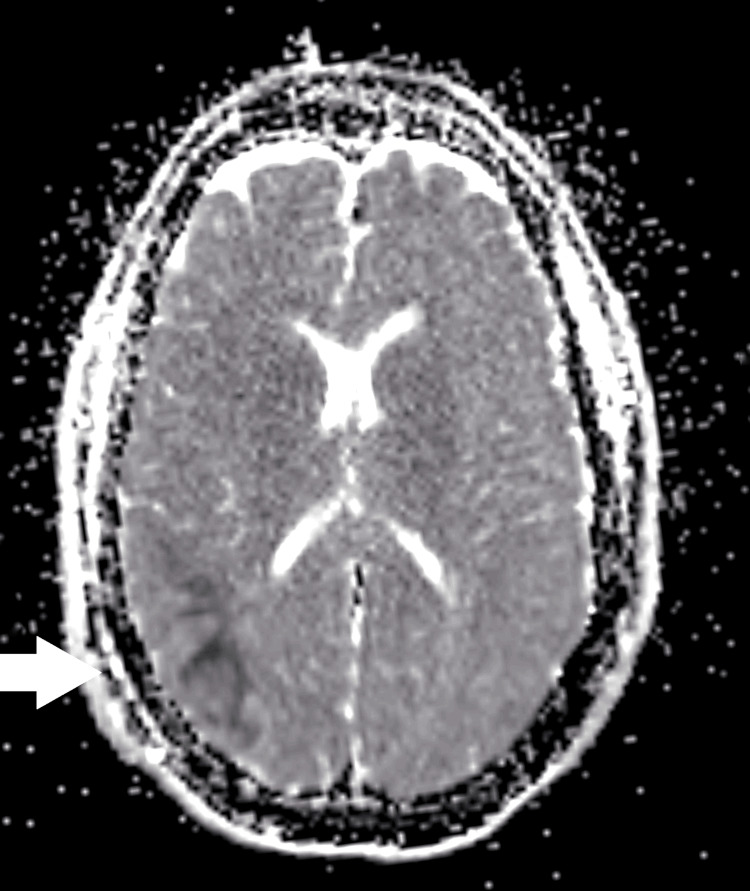 Figure 2
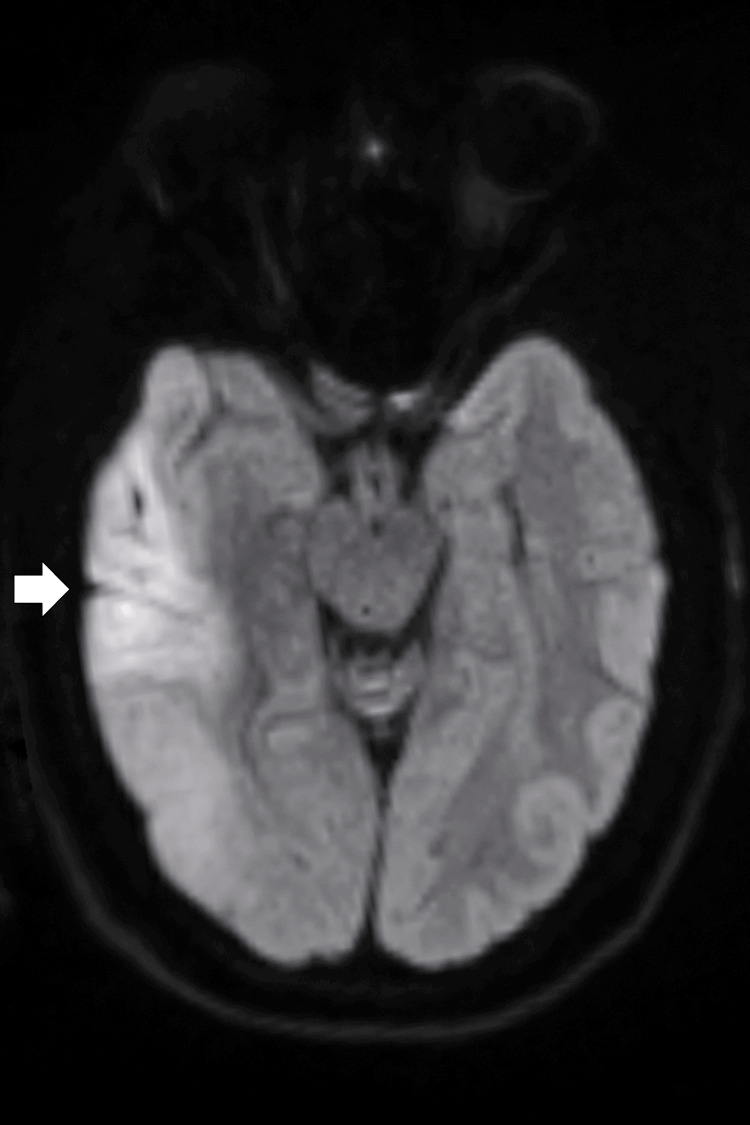 Figure 3
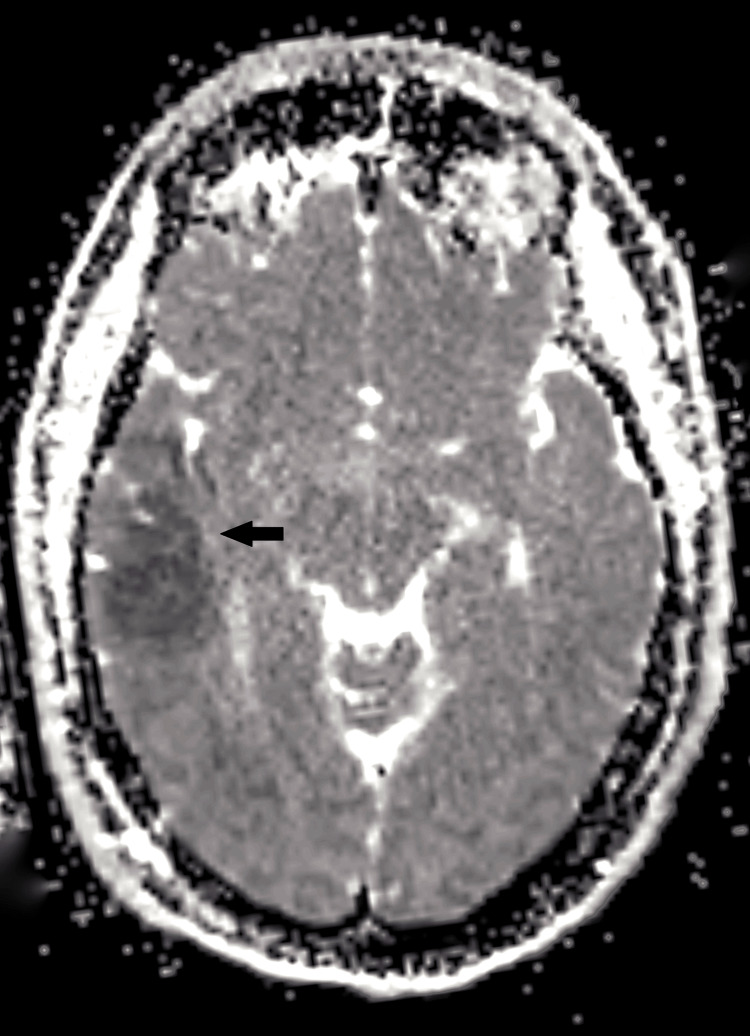 Figure 4
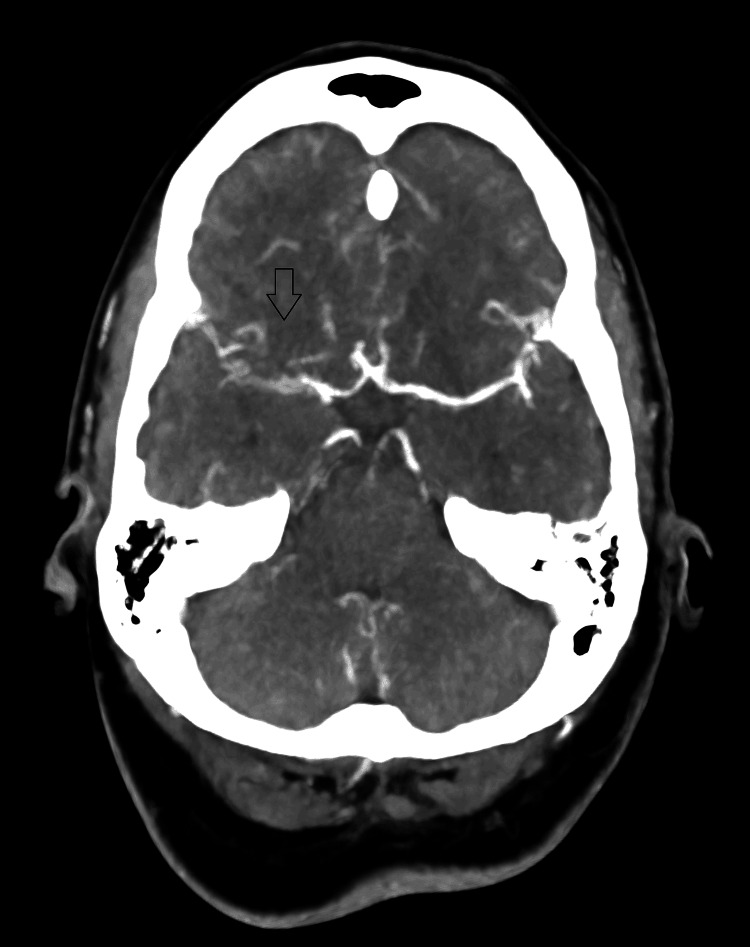 Figure 5
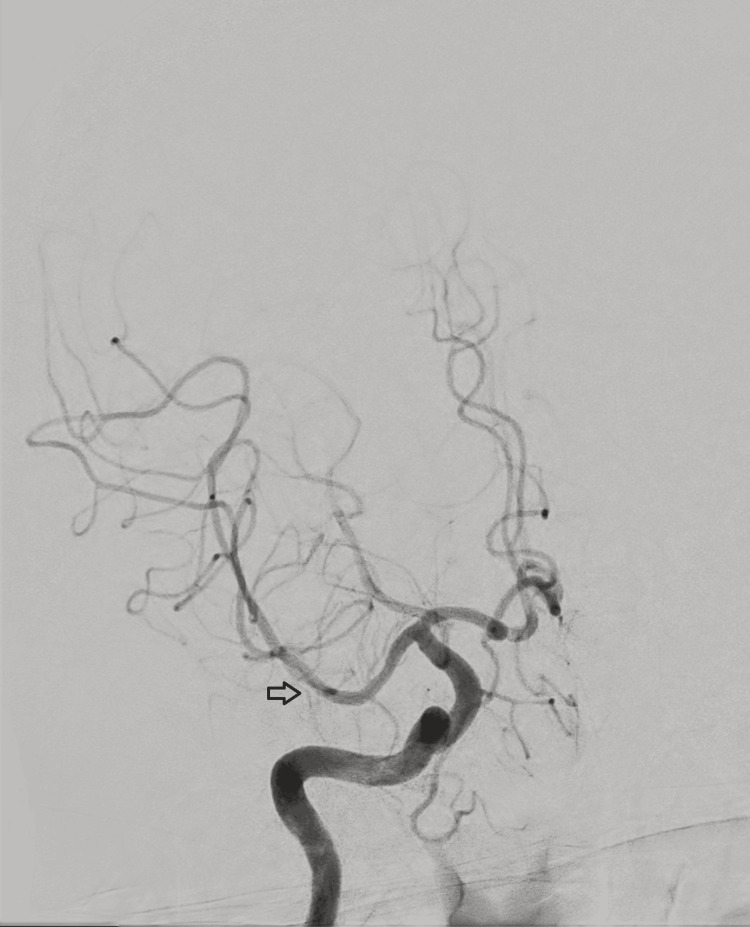 Figure 6
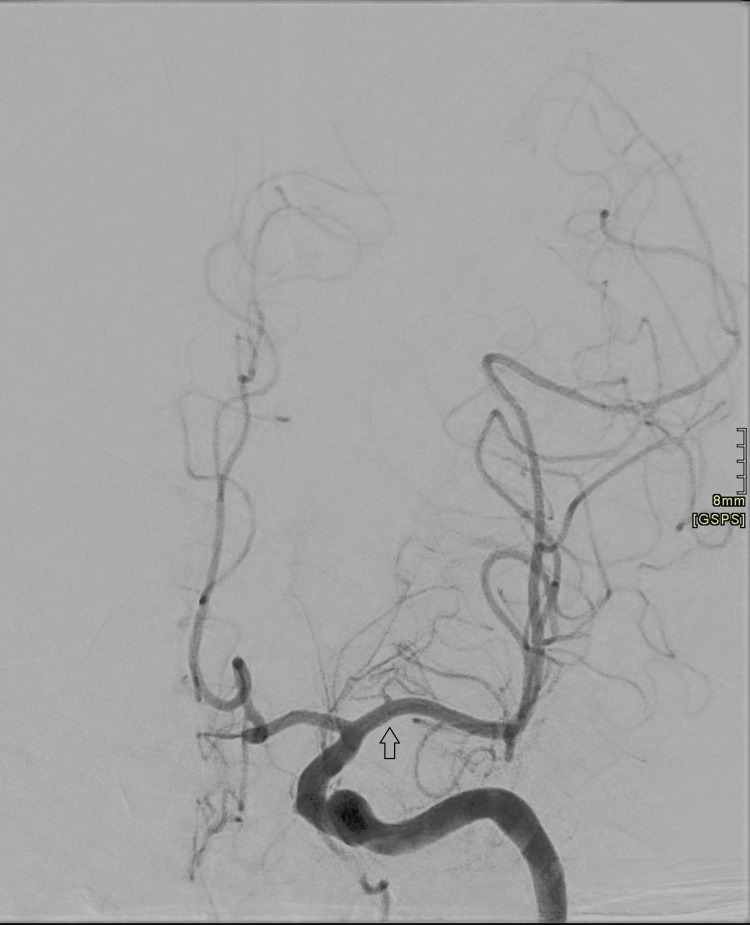 Figure 7
Peer Reviews
No public reviews on file for this paper yet. If you reviewed it on a platform where reviews are public (OpenReview, ICLR, NeurIPS, ICML), you can paste yours below so the community can read it here.
Videos
No videos yet. Explain this paper in a talk, walkthrough, or lecture? Add one.
Taxonomy
TopicsMigraine and Headache Studies · Cerebrovascular and genetic disorders · Neurological Disorders and Treatments