Thoracic aortic aneurysm combined with intracranial vascular abnormalities caused by dual mutations in MYLK and FBN2: a case report
Maorong Cai, Yang Liu, Zhaodi Liao, Yiping Wu, Jiantong Jiao

TL;DR
A patient with a rare combination of thoracic aortic aneurysm and brain artery issues was found to have mutations in two genes, MYLK and FBN2, suggesting a genetic link to these conditions.
Contribution
This case report identifies novel mutations in MYLK and FBN2 associated with combined thoracic aortic and intracranial vascular abnormalities.
Findings
The patient had two heterozygous mutations in MYLK and FBN2, which may explain their combined vascular phenotype.
The mutations were maternally and paternally inherited, respectively, indicating a possible autosomal dominant inheritance pattern.
The findings suggest that gene mutations linked to thoracic aortic aneurysm may also predispose to intracranial vascular abnormalities.
Abstract
To perform genetic testing on a patient with ruptured vertebral artery aneurysm and subarachnoid hemorrhage who was also found to have a thoracic aortic aneurysm/dissection (TAA/D) during preoperative evaluation, along with their family members. The aim was to identify potential pathogenic gene variants, analyze the inheritance pattern, and investigate the association with coexisting intracranial and aortic vascular abnormalities. Intracranial vascular lesions (ruptured vertebral artery aneurysm and subarachnoid hemorrhage) were confirmed via computed tomography (CT), computed tomography angiography (CTA), and digital subtraction angiography (DSA). Whole-exome sequencing (WES) via next-generation sequencing (NGS) was conducted on the proband and family members to identify pathogenic gene mutations associated with thoracic aortic aneurysm/dissection (TAA/D) and intracranial vascular…
Genes, proteins, chemicals, diseases, species, mutations and cell lines named across the full text — each resolved to its canonical identifier and authoritative record.
Click any figure to enlarge with its caption.
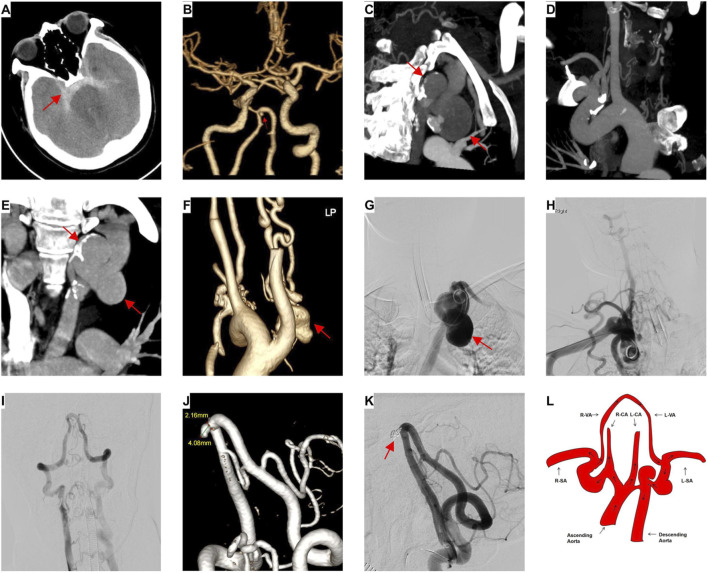 Figure 1
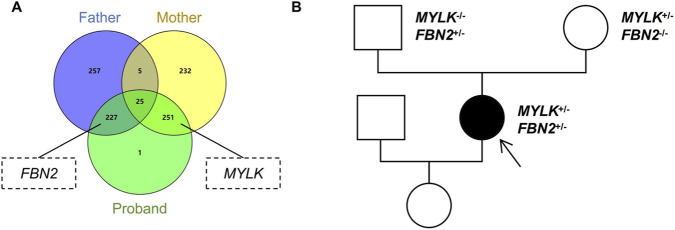 Figure 2
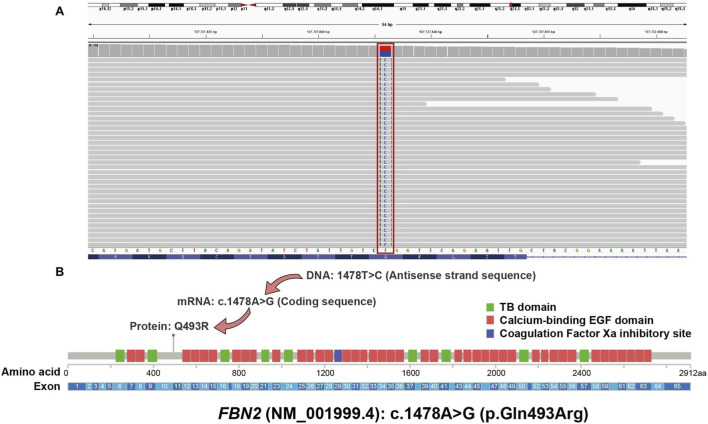 Figure 3
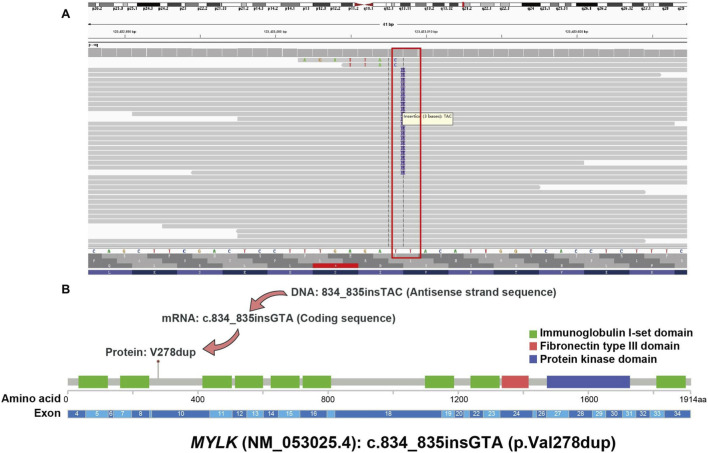 Figure 4
Peer Reviews
No public reviews on file for this paper yet. If you reviewed it on a platform where reviews are public (OpenReview, ICLR, NeurIPS, ICML), you can paste yours below so the community can read it here.
Videos
No videos yet. Explain this paper in a talk, walkthrough, or lecture? Add one.
Taxonomy
TopicsConnective tissue disorders research · Aortic aneurysm repair treatments · Aortic Disease and Treatment Approaches