Presentation Modes, Anticipation, and Penetrance: A Case Series of Huntington’s Disease
Towhida Sumaiya, Rezvey Sultana, Mofazzal Hossain Mridul

TL;DR
This paper presents three Huntington’s disease cases, highlighting how the disease presents, its genetic anticipation, and variable penetrance.
Contribution
The study contributes a case series illustrating presentation modes, anticipation, and penetrance in Huntington’s disease.
Findings
HD typically presents with psychiatric, cognitive, and motor symptoms.
Anticipation leads to earlier onset in successive generations due to CAG repeat expansion instability.
Reduced penetrance alleles are common, with disease threshold at 35 CAG repeats.
Abstract
Huntington’s disease (HD) is an inherited, potentially incurable neurodegenerative disease. It typically presents as a triad of progressive psychiatric, cognitive, and motor symptoms and shows significant anticipation and penetrance. It is caused by trinucleotide CAG (cytosine, adenine, guanine) repeat expansion in the Huntington (HTT) gene. It exhibits significant anticipation, earlier onset in successive generations within a pedigree, which is caused by the instability of the HTT gene, along with a further increase in its length in subsequent generations. Reduced penetrance alleles of HD are relatively common in the general population. The threshold for disease is 35, with complete penetrance above 39 and incomplete penetrance for 36, 37, and 38 repeats. A series of three cases of HD have been discussed here, along with their pattern of presentation, anticipation, and genetic…
Genes, proteins, chemicals, diseases, species, mutations and cell lines named across the full text — each resolved to its canonical identifier and authoritative record.
Click any figure to enlarge with its caption.
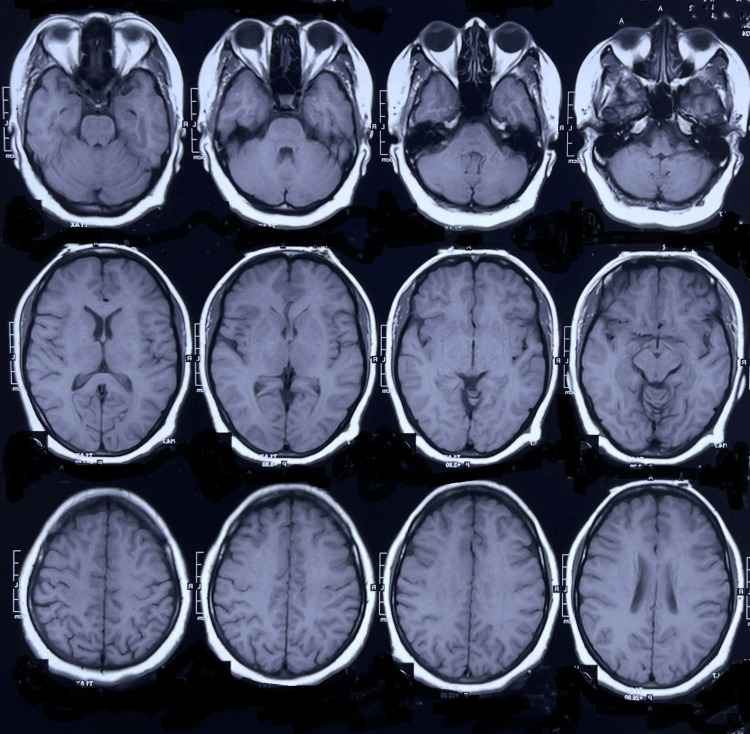 Figure 1
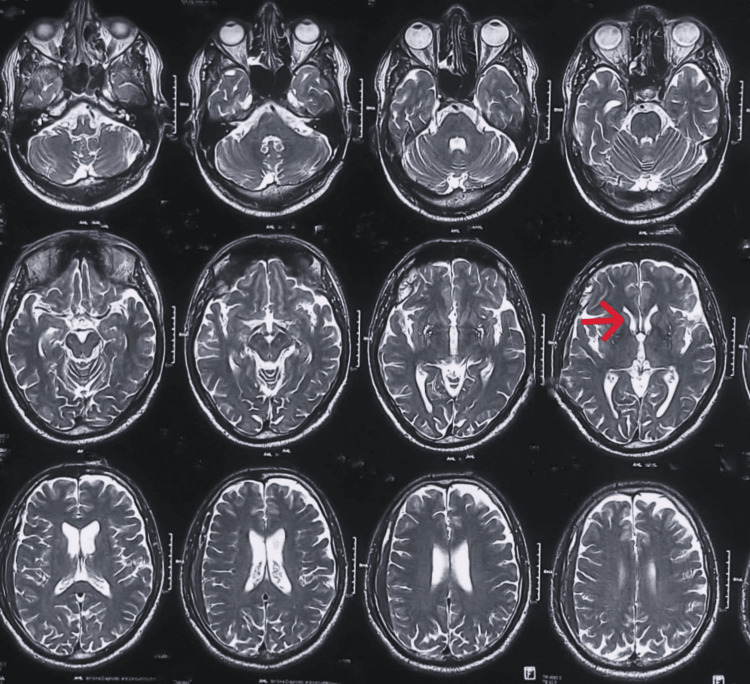 Figure 2
Peer Reviews
No public reviews on file for this paper yet. If you reviewed it on a platform where reviews are public (OpenReview, ICLR, NeurIPS, ICML), you can paste yours below so the community can read it here.
Videos
No videos yet. Explain this paper in a talk, walkthrough, or lecture? Add one.
Taxonomy
TopicsGenetic Neurodegenerative Diseases · Neurological disorders and treatments · Parkinson's Disease Mechanisms and Treatments