Development and external validation of a FISH-clinical nomogram for predicting overall survival in bladder cancer patients after radical cystectomy
Junjiong Zheng, Sihong Lu, Qihang Zhang, Long Zhang, Yi Huang, Jianqiu Kong, Xu Chen, Jie Zhang, Yuhui Yao, Yun Luo, Tianxin Lin

TL;DR
Researchers developed a model combining FISH test results and clinical data to predict survival in bladder cancer patients after surgery, validated in multiple patient groups.
Contribution
A novel FISH–clinical nomogram was developed and externally validated for predicting bladder cancer survival after radical cystectomy.
Findings
A FISH–clinical model with six independent predictors showed good calibration and discrimination (C-indexes 0.772–0.705).
Chromosome 7 aneuploidy and p16 locus loss were significant predictors incorporated into the model.
Patients were stratified into high-, medium-, and low-risk groups based on the model.
Abstract
Bladder cancer has notable heterogeneity. The urine-based fluorescence in situ hybridization (FISH) test can detect bladder cancer noninvasively. In this study, we aimed to construct a nomogram based on FISH results and clinical features (referred to as the FISH–clinical model) to predict the overall survival (OS) of bladder cancer patients following radical cystectomy (RC). A total of 261 eligible patients were enrolled for this study. The SYSMH cohort was divided into training (n = 138) and internal validation (n = 70) sets; the SYSUTH cohort was used for external validation (n = 53). Multivariate Cox proportional hazards regression was applied for FISH–clinical model construction, and model performance was evaluated according to analyses of calibration, discrimination ability, and clinical usefulness. FISH-identified chromosome 7 and 17 aneuploidies correlated significantly with…
Genes, proteins, chemicals, diseases, species, mutations and cell lines named across the full text — each resolved to its canonical identifier and authoritative record.
Click any figure to enlarge with its caption.
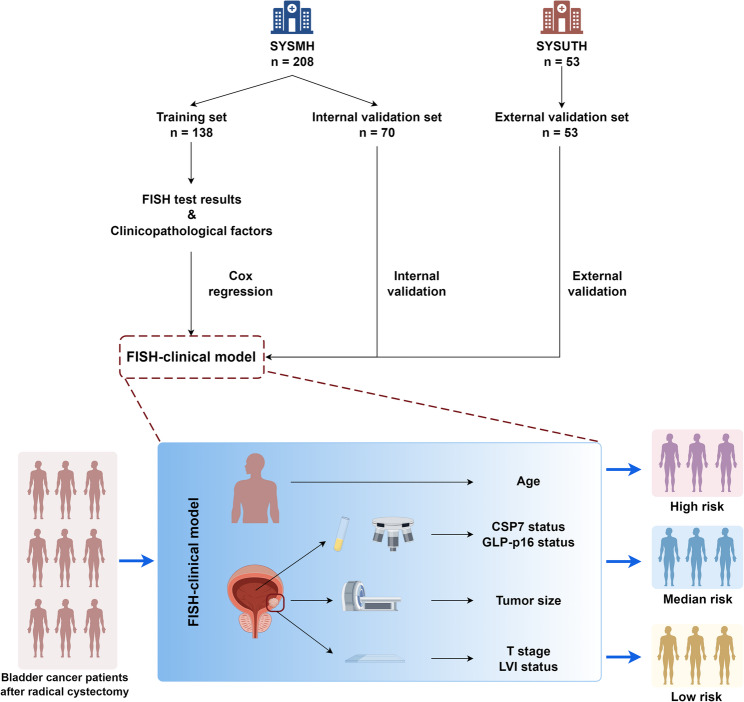 Figure 1
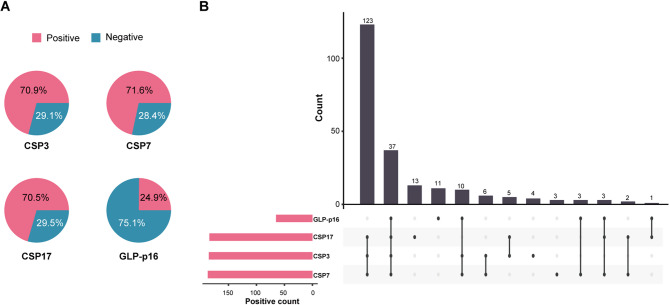 Figure 2
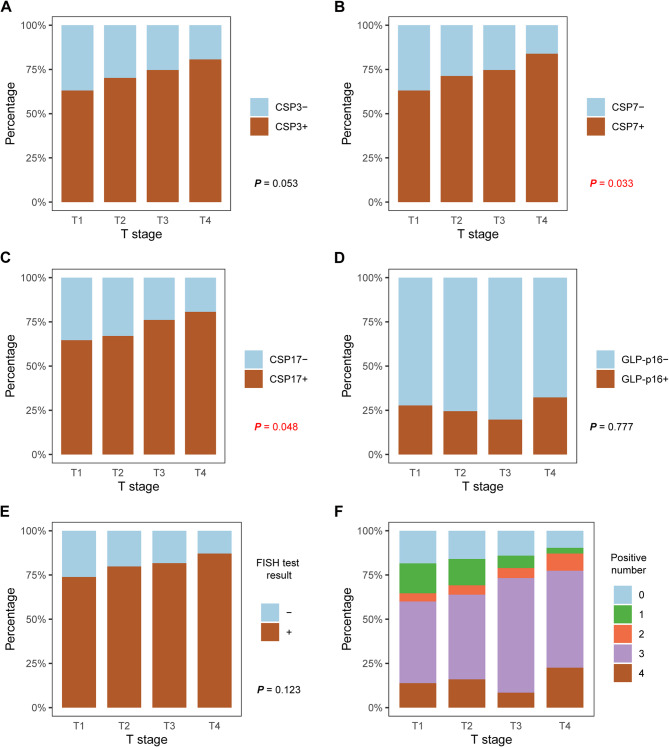 Figure 3
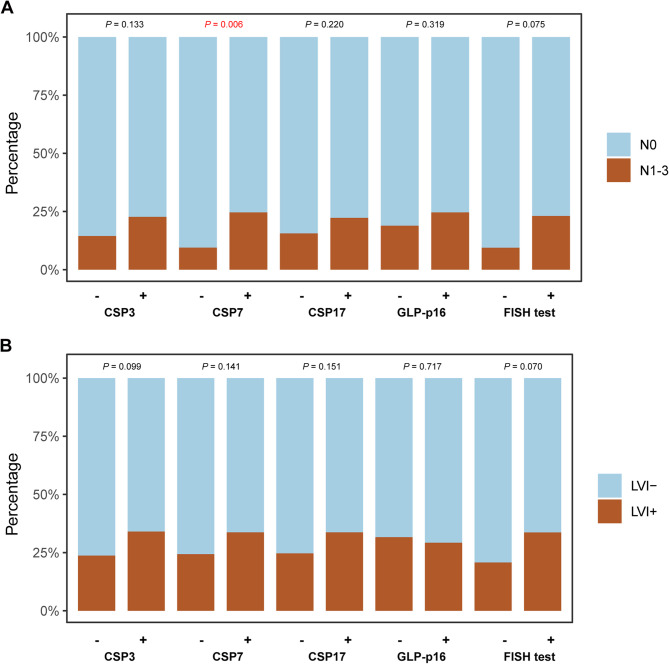 Figure 4
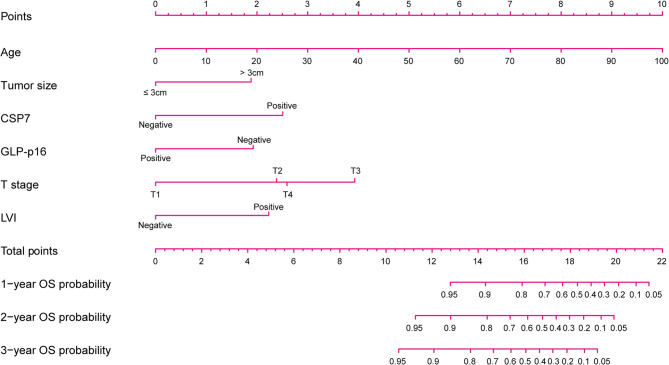 Figure 5
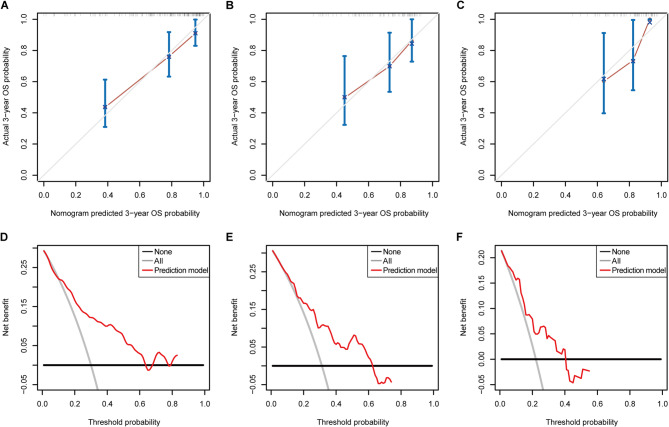 Figure 6
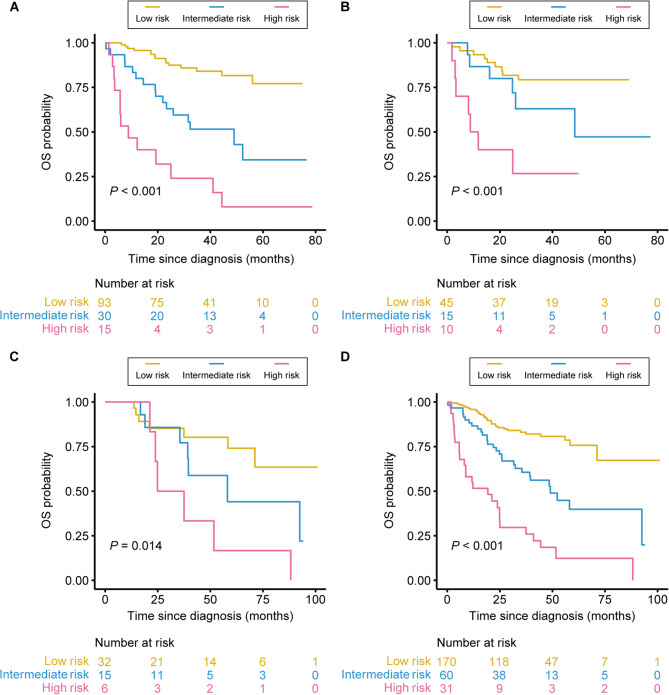 Figure 7
Peer Reviews
No public reviews on file for this paper yet. If you reviewed it on a platform where reviews are public (OpenReview, ICLR, NeurIPS, ICML), you can paste yours below so the community can read it here.
Videos
No videos yet. Explain this paper in a talk, walkthrough, or lecture? Add one.
Taxonomy
TopicsBladder and Urothelial Cancer Treatments · Urinary and Genital Oncology Studies · Colorectal Cancer Screening and Detection