Tumor-derived exosomal miR-199b-5p promotes proliferation and epithelial-mesenchymal transition in non-small cell lung cancer by targeting CCNL1
Bangzhu Liu, Yan Rui, Miao Li, Linian Huang

TL;DR
This study shows that exosomal miR-199b-5p from lung cancer cells promotes cancer growth and spread by targeting CCNL1 and activating the Wnt/β-catenin pathway.
Contribution
The novel finding is that miR-199b-5p promotes lung cancer progression via CCNL1 and the Wnt/β-catenin signaling pathway.
Findings
Exosomal miR-199b-5p enhances lung cancer cell proliferation and epithelial-mesenchymal transition (EMT).
miR-199b-5p targets CCNL1 and activates the Wnt/β-catenin signaling pathway in lung cancer cells.
Exosomes from SK-LU-1 cells with high miR-199b-5p levels promote metastasis and inhibit CCNL1 expression.
Abstract
•MiR-199b-5p showed the highest expression level in SK-LU-1 cells and its exosomes.•Overexpression of miR-199b-5p promotes lung cancer cell proliferation, migration, and EMT.•The underlying mechanism of miR-199b-5p was related to CCNL1. MiR-199b-5p showed the highest expression level in SK-LU-1 cells and its exosomes. Overexpression of miR-199b-5p promotes lung cancer cell proliferation, migration, and EMT. The underlying mechanism of miR-199b-5p was related to CCNL1. To explore the effect of exosome-mediated miR-199b-5p on lung cancer cells behavior, intrapulmonary metastasis, and its underlying mechanism. Exosomes from SK-LU-1 cells overexpressing has-miR-199b-5p (miR-199b-5p) were used to treat A549 or H299 cells. Cell motility was evaluated using wound scratch healing and transwell assays. Gene and protein expression were detected by quantitative real-time PCR (QRT-PCR) and…
Genes, proteins, chemicals, diseases, species, mutations and cell lines named across the full text — each resolved to its canonical identifier and authoritative record.
Click any figure to enlarge with its caption.
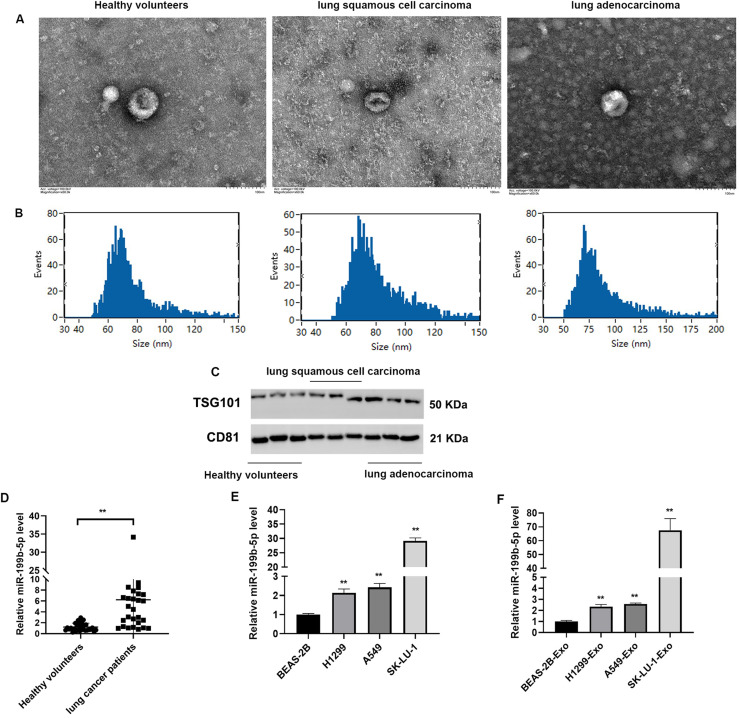 Figure 1
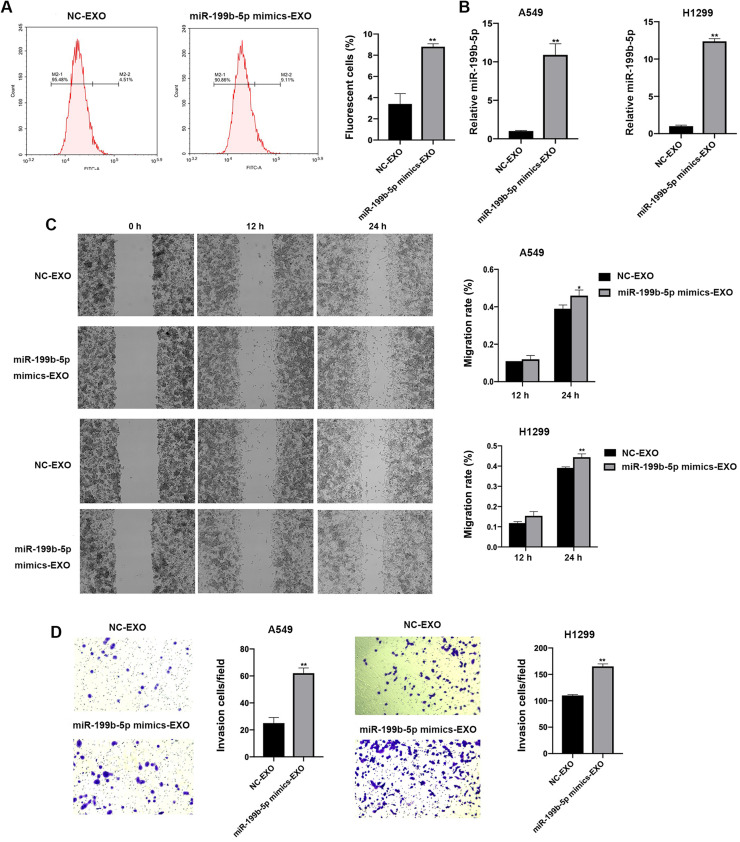 Figure 2
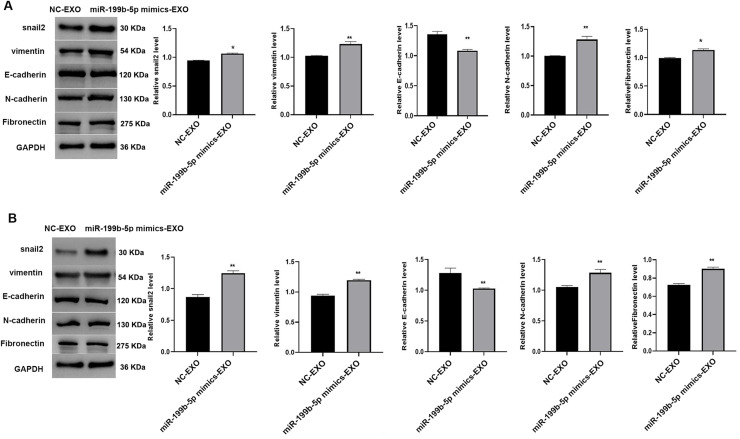 Figure 3
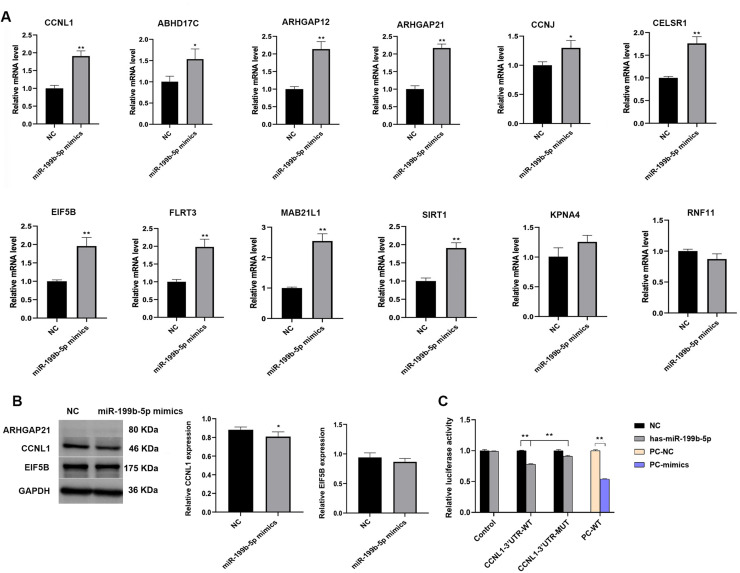 Figure 4
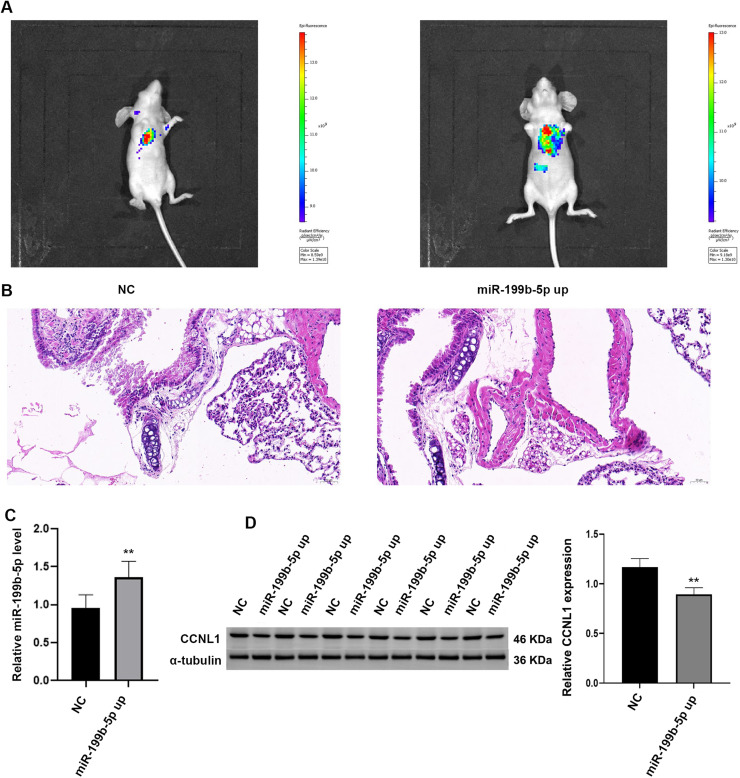 Figure 5
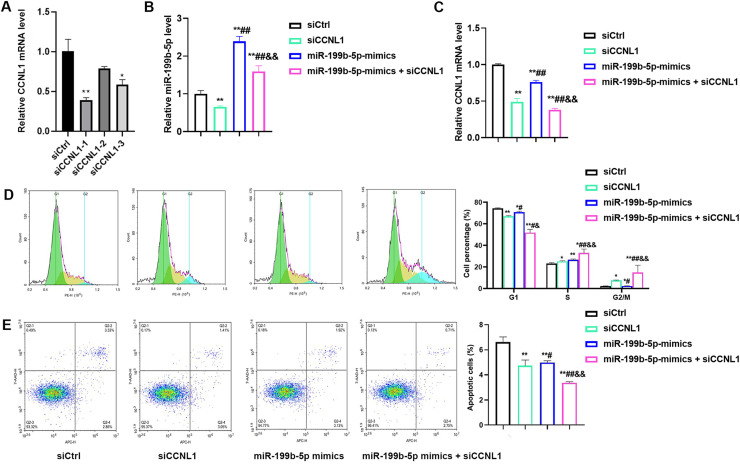 Figure 6
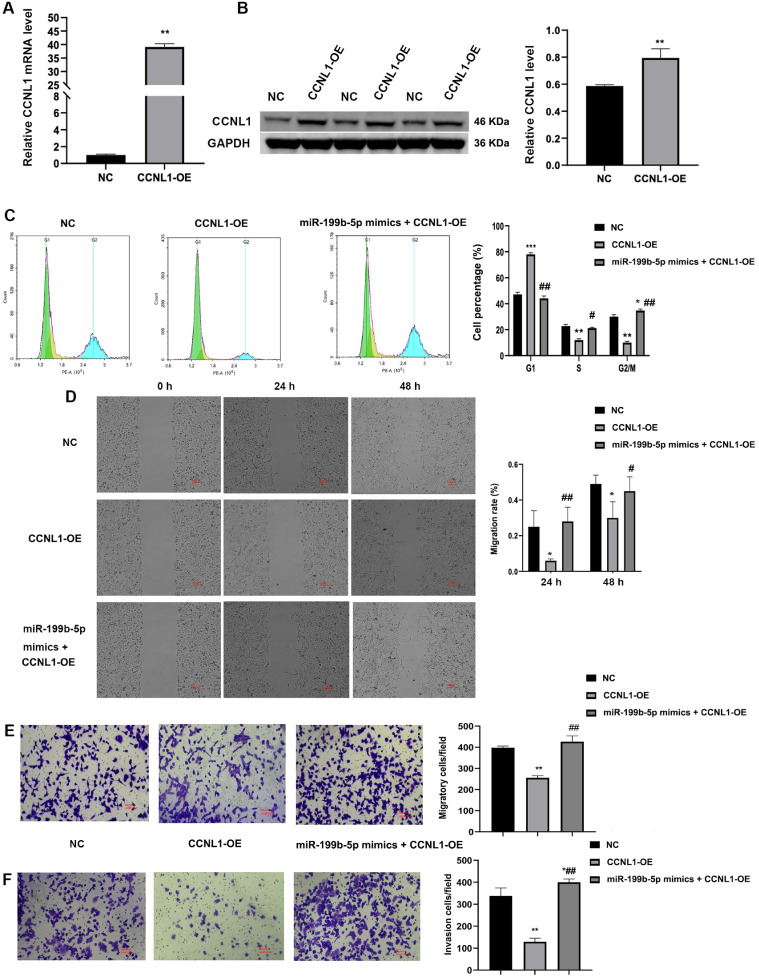 Figure 7
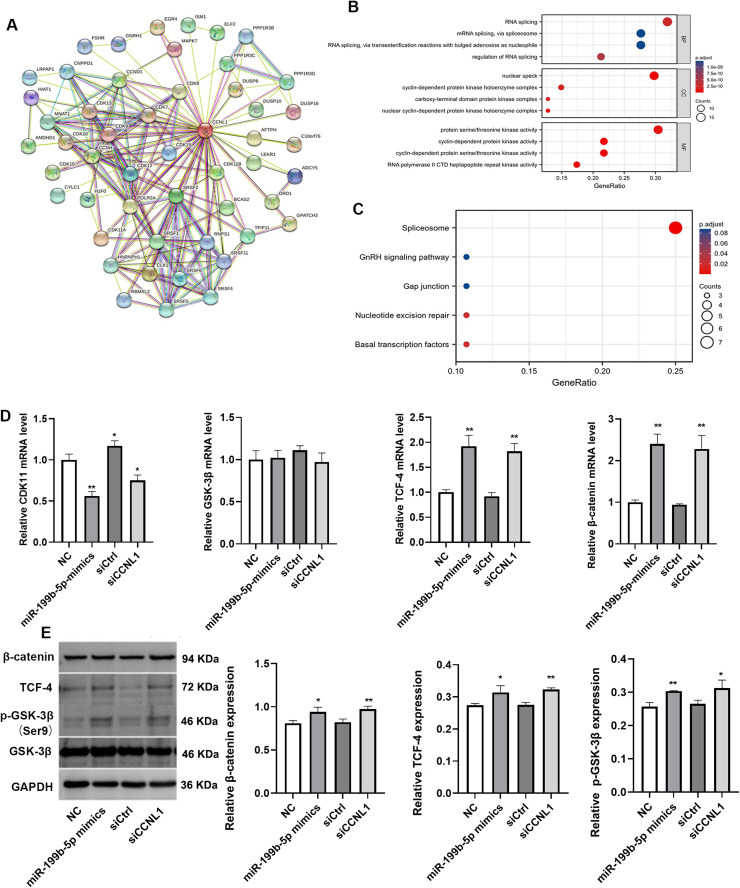 Figure 8
Peer Reviews
No public reviews on file for this paper yet. If you reviewed it on a platform where reviews are public (OpenReview, ICLR, NeurIPS, ICML), you can paste yours below so the community can read it here.
Videos
No videos yet. Explain this paper in a talk, walkthrough, or lecture? Add one.
Taxonomy
TopicsExtracellular vesicles in disease · MicroRNA in disease regulation · Cancer-related molecular mechanisms research