PTH-driven modulation of platelet activity via the NOX2 pathway in postsurgical hypoparathyroidism
Alessandra D'Amico, Gaia Tabacco, Cristina Nocella, Anda Mihaela Naciu, Annunziata Nusca, Francesco Piccirillo, Michele Mattia Viscusi, Federico Bernardini, Valentina Valenti, Angela Leonardo, Sebastiano Sciarretta, Ernesto Greco, Gianmarco Sarto, Beatrice Simeone

TL;DR
This study shows that patients with hypoparathyroidism have increased platelet activity and oxidative stress, which may be worsened by PTH therapy, suggesting a need for cardiovascular monitoring.
Contribution
The study identifies a PTH1R–calcium–PKC–NOX2 signaling pathway in platelets that links PTH therapy to increased thrombotic risk in hypoparathyroidism.
Findings
HypoPT patients show heightened platelet activation and oxidative stress compared to controls.
PTH (1–34) therapy increases platelet activation and thrombus formation in HypoPT patients.
In vitro, PTH (1–34) affects platelet function only in HypoPT-derived platelets via NOX2-dependent ROS generation.
Abstract
Postsurgical chronic hypoparathyroidism (HypoPT) has been linked to an increased cardiovascular risk, but the underlying pathophysiological mechanisms remain incompletely understood. Emerging evidence suggests a potential direct role of parathyroid hormone (PTH) in modulating platelet function and oxidative stress, both contributors to atherothrombosis. Our study aimed to investigate the impact of PTH on platelet function and activation, with a particular focus on NOX2-mediated platelet activation in patients with HypoPT. We conducted a cross-sectional study involving 24 patients with HypoPT and 40 age- and sex-matched healthy controls. Clinical, biochemical, and platelet function parameters were assessed. In a subgroup of five HypoPT patients, changes were evaluated after 24 months of PTH (1–34) therapy. Platelet aggregation, oxidative stress biomarkers (sNOX2-dp, H2O2, 8-OHdG), and…
Genes, proteins, chemicals, diseases, species, mutations and cell lines named across the full text — each resolved to its canonical identifier and authoritative record.
Click any figure to enlarge with its caption.
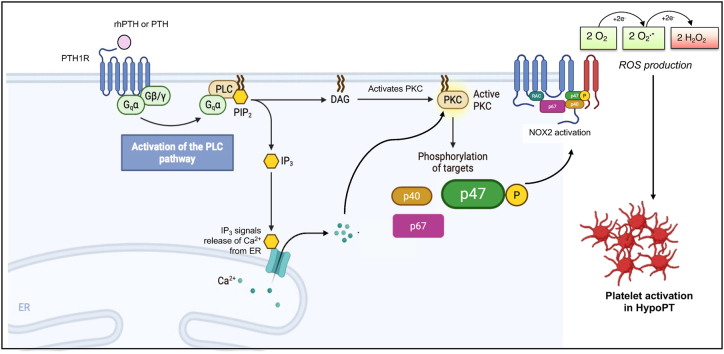 Figure 1
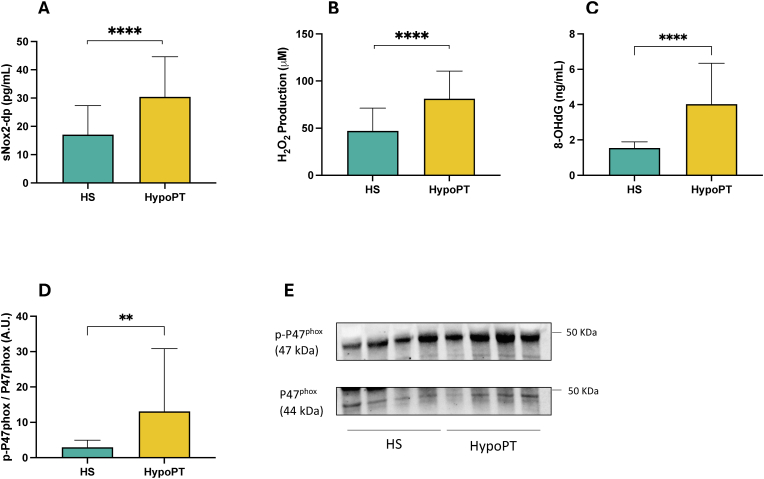 Figure 2
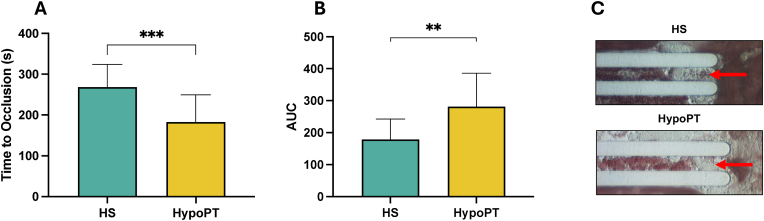 Figure 3
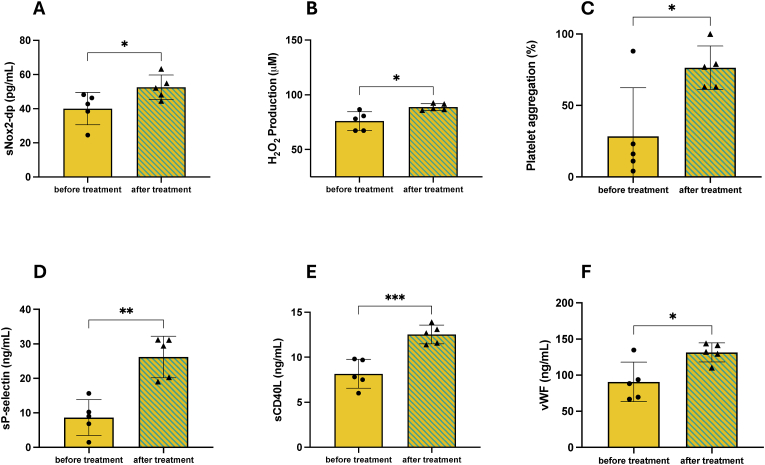 Figure 4
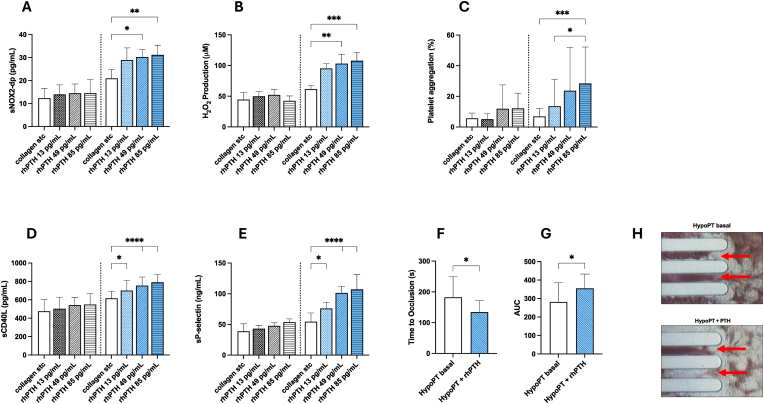 Figure 5
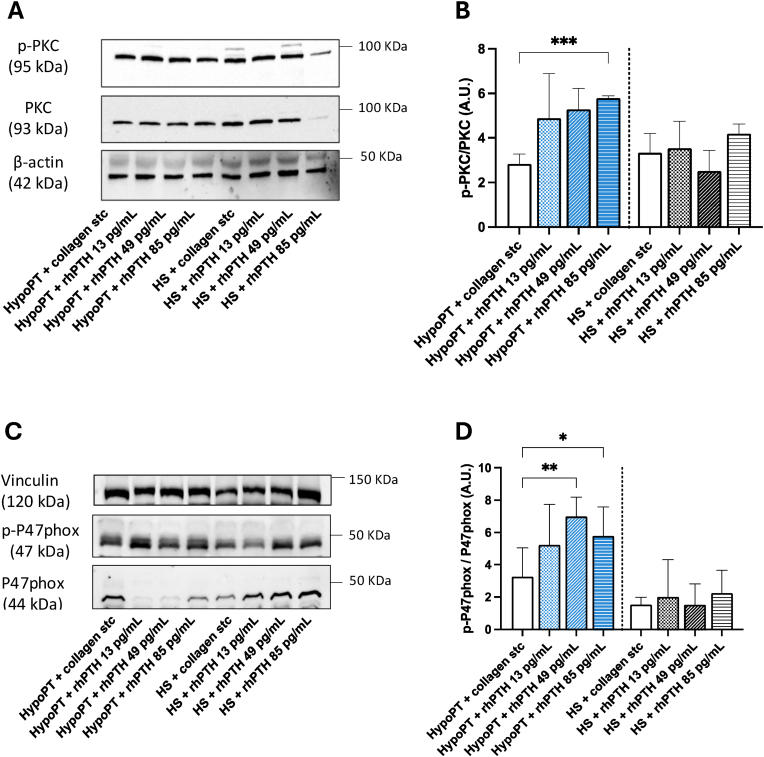 Figure 6
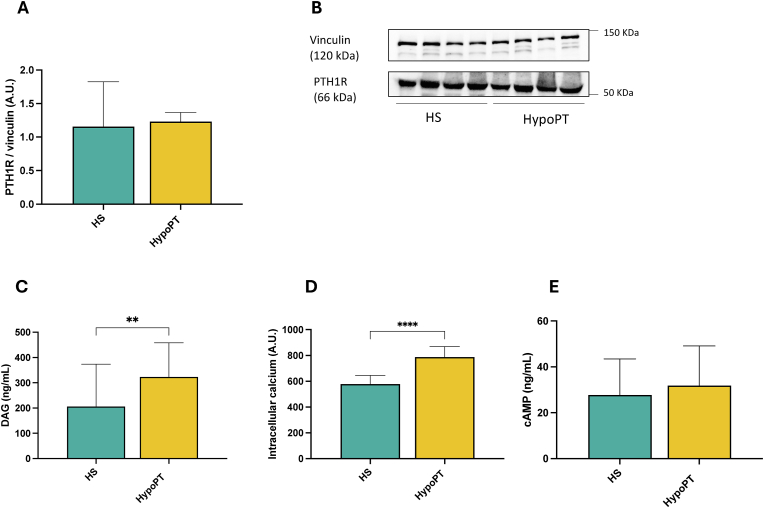 Figure 7
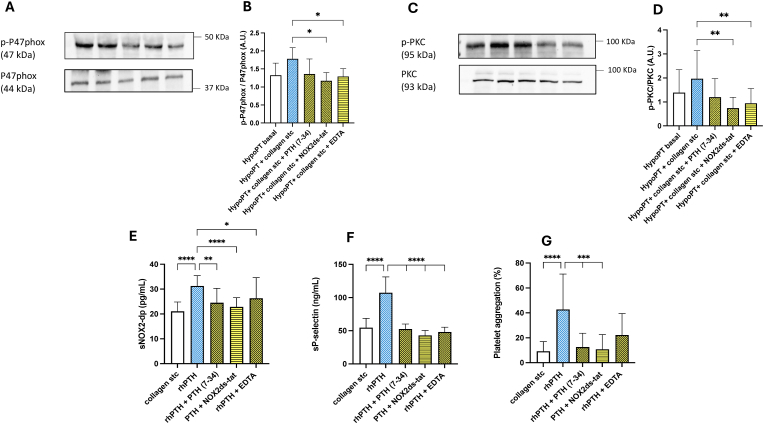 Figure 8
Peer Reviews
No public reviews on file for this paper yet. If you reviewed it on a platform where reviews are public (OpenReview, ICLR, NeurIPS, ICML), you can paste yours below so the community can read it here.
Videos
No videos yet. Explain this paper in a talk, walkthrough, or lecture? Add one.
Taxonomy
TopicsThyroid and Parathyroid Surgery · Thyroid Cancer Diagnosis and Treatment