Clinical correlation of p16 expression with lymphatic invasion and epithelial-mesenchymal transition (EMT) in oropharyngeal carcinomas
Vaishak Jawahar, Saraswathy Sreeram, Jyoti Kini, Sourjya Banerjee, Athiyamaan M S, Johan Sunny, Abhishek Krishna, Challapalli Srinivas, Dilson Lobo, Paul Simon, Bharat Sai, Lanisha Sequeira, Agapiti H Chuwa

TL;DR
This study explores how p16 expression relates to lymphatic invasion and EMT in oropharyngeal cancer patients, finding better survival rates in p16-positive cases.
Contribution
The study provides new clinical correlations between p16 expression, EMT markers, and survival outcomes in HPV-associated oropharyngeal carcinomas.
Findings
p16-positive patients had significantly higher 1-year overall survival compared to p16-negative patients.
HPV-associated patients presented with advanced nodal disease and higher-stage tumors at diagnosis.
E-cadherin was expressed in all HPV-positive patients, while vimentin was absent in these cases.
Abstract
To examine the clinical correlation of p16 expression with Epithelial–Mesenchymal Transition (EMT) markers and lymphatic invasion in OPSCC patients in terms of clinical status at presentation, subsequent progression, and survival. Tissue blocks of biopsy-proven Oropharyngeal Squamous Cell Carcinoma were subjected to Immunohistochemistry (IHC) for evaluating the expression of p16, e-cadherin, vimentin and podoplanin. This expression pattern was correlated with the demographic details, treatment response and survival patterns. 60 patients were finally available for evaluation in this study. Prevalence of HPV infection in our study was found to be 11.7%. E-cadherin expression was found in all HPV-associated patients whereas vimentin was not expressed in any of these. 71.4% patients had low Podoplanin expression and 85.7% had low lymphatic vessel count. Among the HPV- associated patients,…
Genes, proteins, chemicals, diseases, species, mutations and cell lines named across the full text — each resolved to its canonical identifier and authoritative record.
Click any figure to enlarge with its caption.
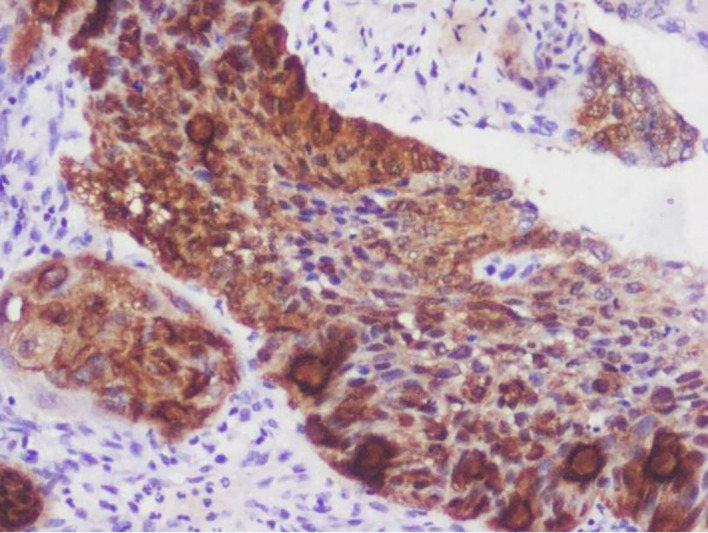 Figure 1
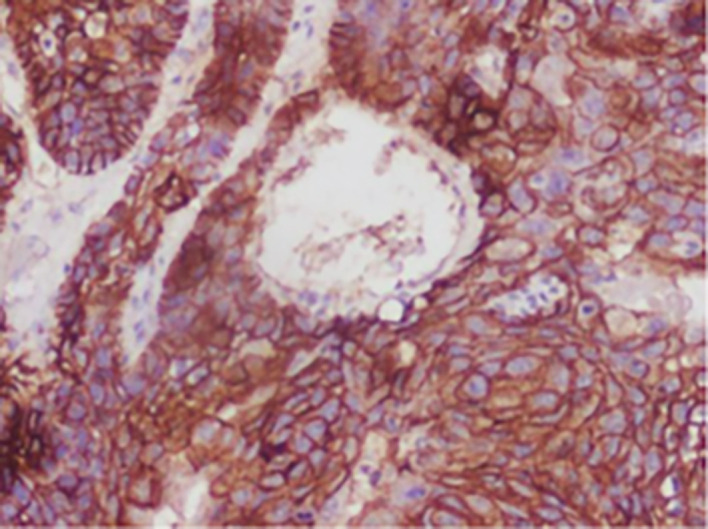 Figure 2
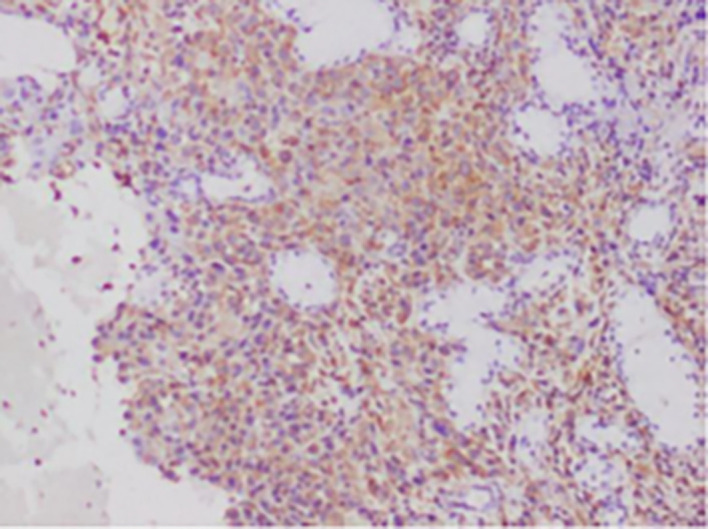 Figure 3
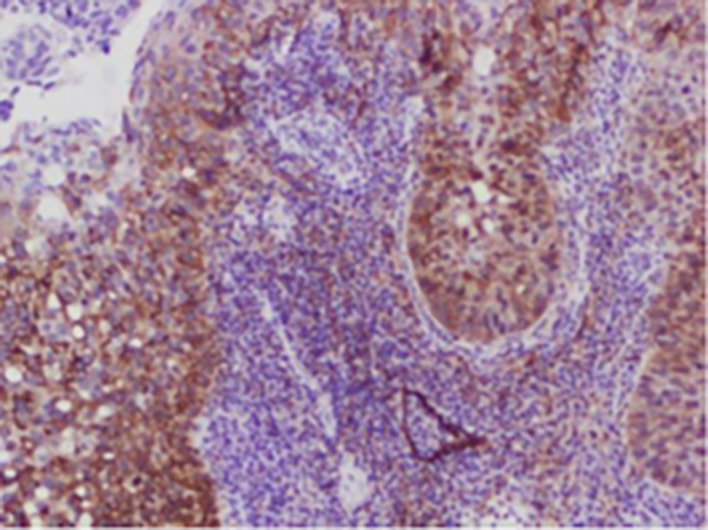 Figure 4
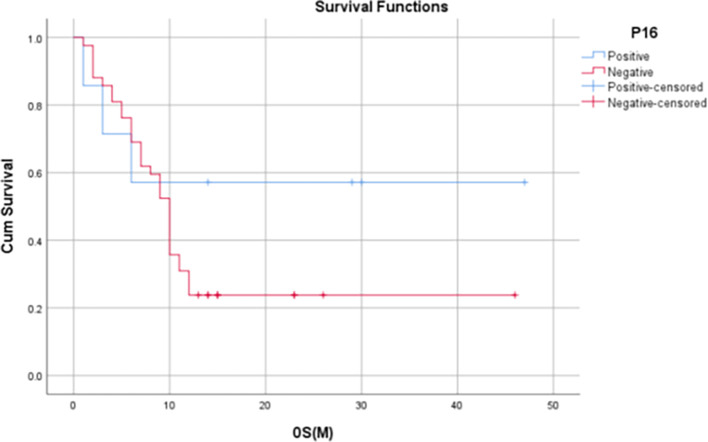 Figure 5
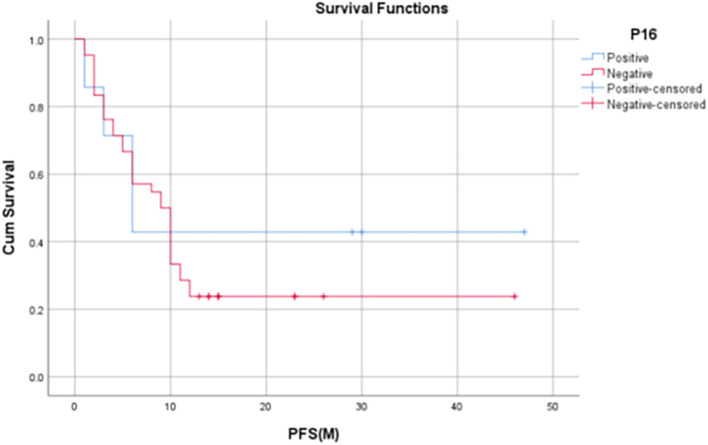 Figure 6
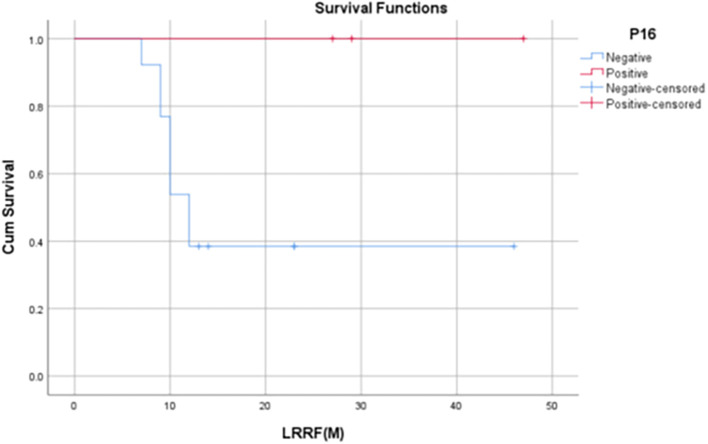 Figure 7
Peer Reviews
No public reviews on file for this paper yet. If you reviewed it on a platform where reviews are public (OpenReview, ICLR, NeurIPS, ICML), you can paste yours below so the community can read it here.
Videos
No videos yet. Explain this paper in a talk, walkthrough, or lecture? Add one.
Taxonomy
TopicsHead and Neck Cancer Studies · Esophageal Cancer Research and Treatment · Metastasis and carcinoma case studies