Stable Ruptured Thoracic Aortic Aneurysm
Ahmed Mahmood, Samia Sarwar, Ayman Mahmoud Hamouda

TL;DR
A 70-year-old woman with a ruptured thoracic aortic aneurysm was stabilized and referred for further treatment.
Contribution
The case highlights the management of a stable ruptured thoracic aortic aneurysm in an elderly patient.
Findings
The patient presented with an unwitnessed collapse and was diagnosed with a ruptured thoracic aortic aneurysm.
Initial tests indicated the aneurysm was stable, allowing for referral to a vascular team for further treatment.
Abstract
A ruptured aortic aneurysm is a life-threatening condition that should be dealt with promptly and requires early management by a concerned specialist team. A ruptured aortic aneurysm can present with a wide array of symptoms, ranging from shortness of breath, chest pain, to sudden collapse. This is a case of a female in her 70s who presented to the emergency department after an unwitnessed collapse at home. Following early tests, it was determined that the patient had a ruptured thoracic aortic aneurysm (TAA), which was deemed to be stable. She was then referred to the vascular team for additional treatment.
Genes, proteins, chemicals, diseases, species, mutations and cell lines named across the full text — each resolved to its canonical identifier and authoritative record.
Click any figure to enlarge with its caption.
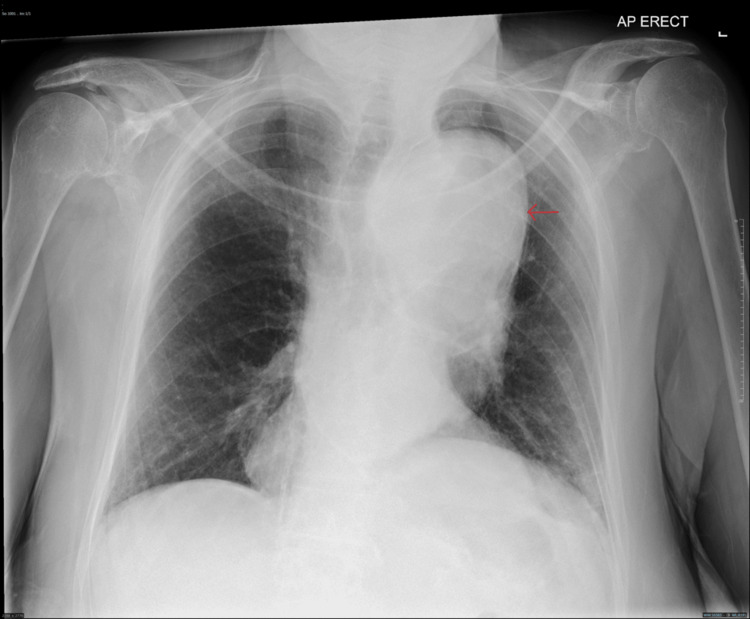 Figure 1
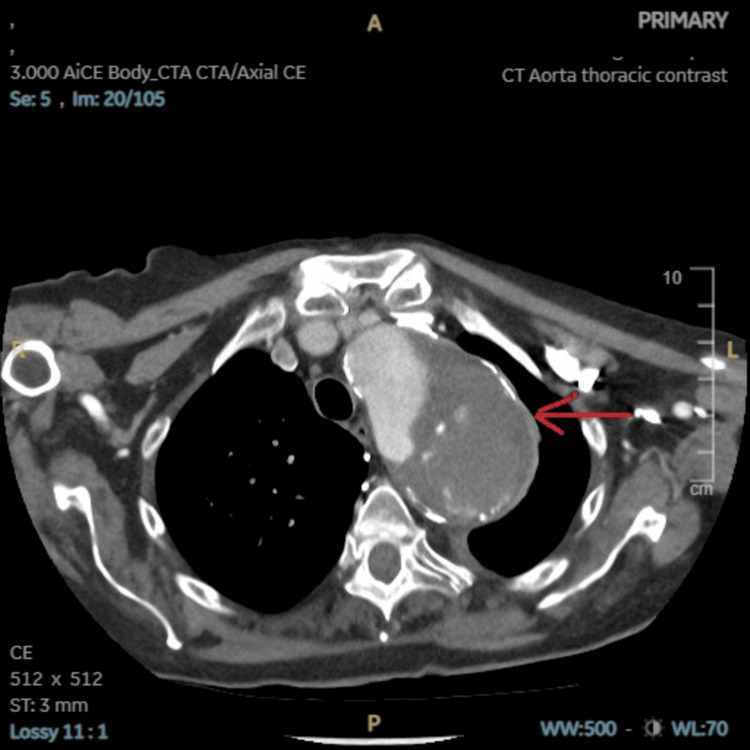 Figure 2
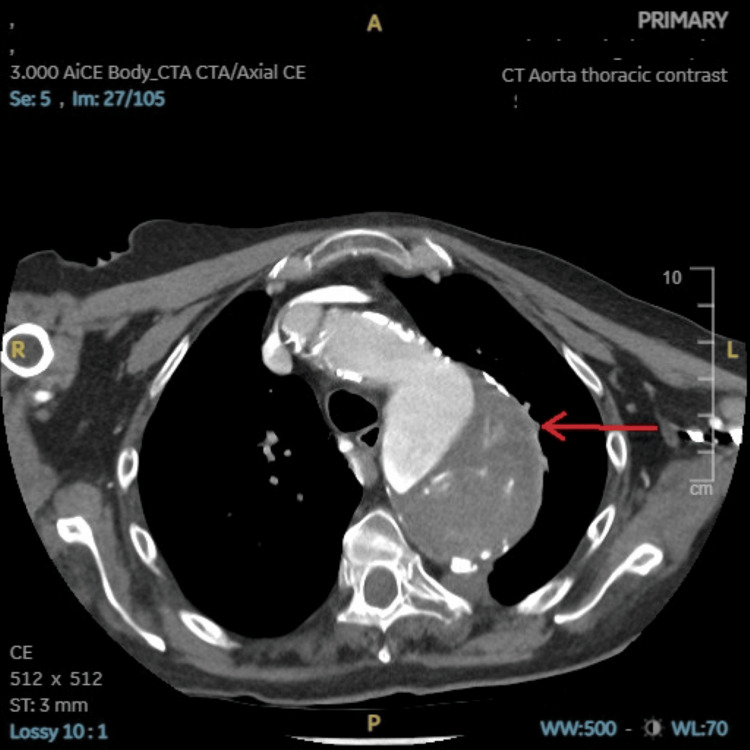 Figure 3
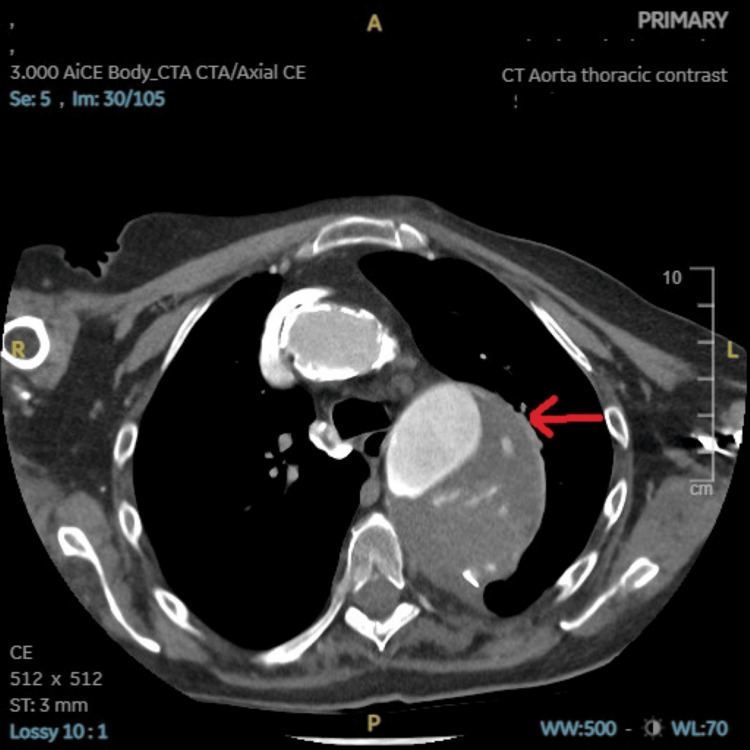 Figure 4
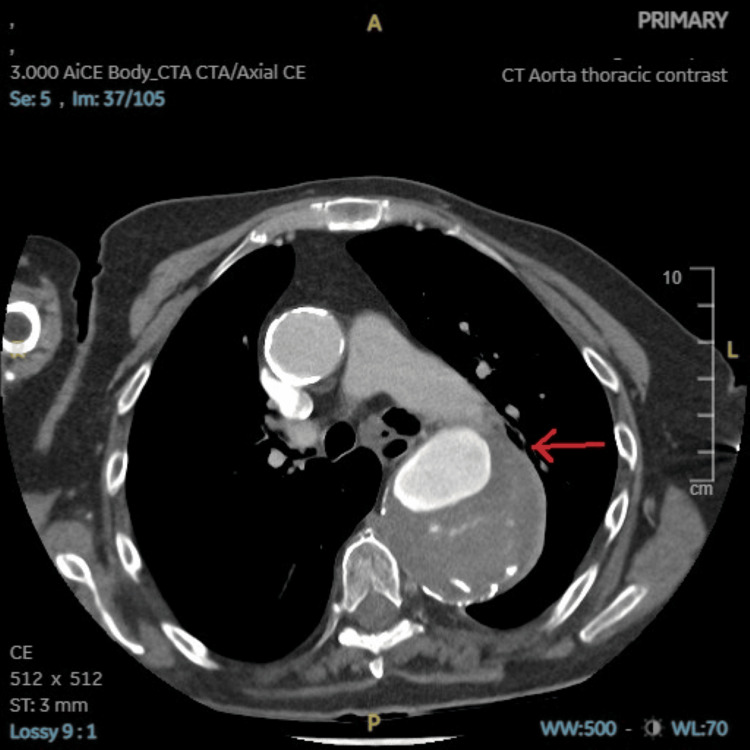 Figure 5
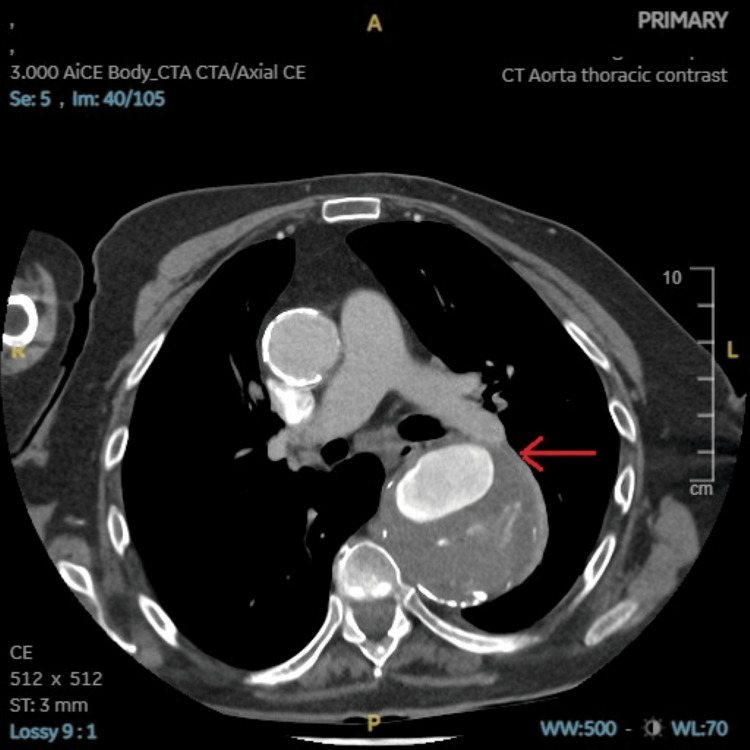 Figure 6
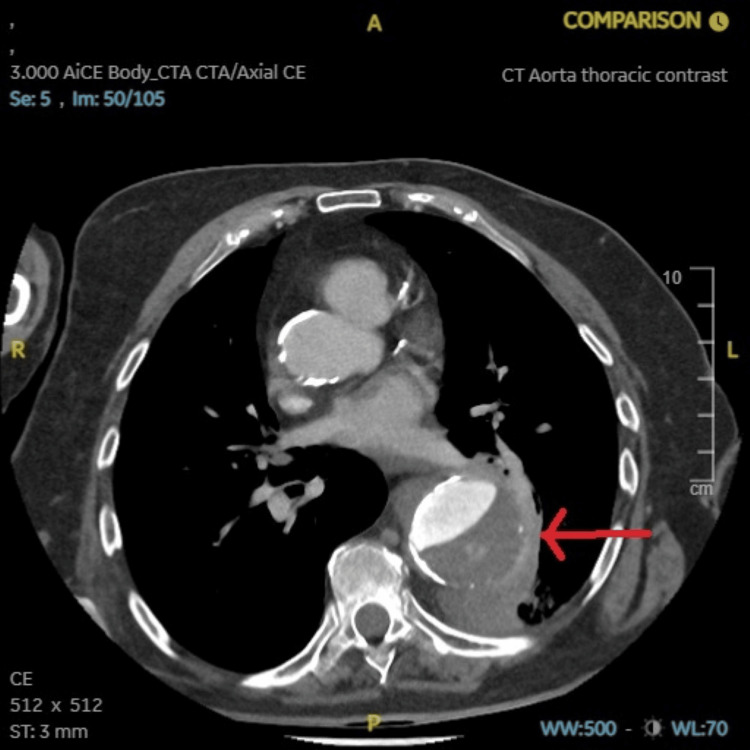 Figure 7
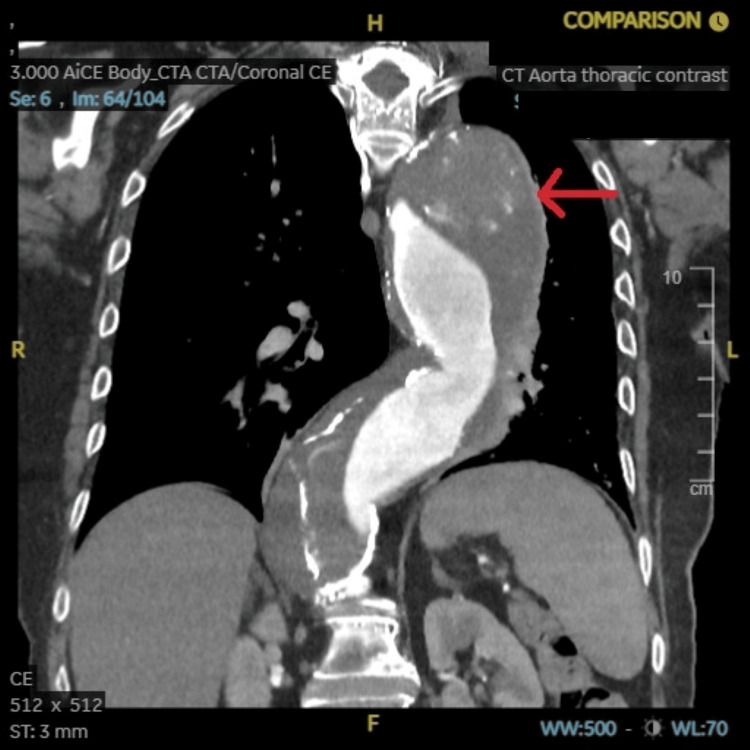 Figure 8
Peer Reviews
No public reviews on file for this paper yet. If you reviewed it on a platform where reviews are public (OpenReview, ICLR, NeurIPS, ICML), you can paste yours below so the community can read it here.
Videos
No videos yet. Explain this paper in a talk, walkthrough, or lecture? Add one.
Taxonomy
TopicsAortic Disease and Treatment Approaches · Cardiac Structural Anomalies and Repair · Cardiac Valve Diseases and Treatments