Pathology of the conus medullaris and cauda equina. Beyond the usual suspects
Nerses Nersesyan, Maria Lucia Brun Vergara, Azza Reda, Suely Fazio Ferraciolli, Leandro Lucato, Carlos Torres

TL;DR
This paper reviews the diagnostic challenges and imaging features of conus medullaris and cauda equina pathologies to improve accurate diagnosis.
Contribution
The paper provides an educational review of both common and rare causes of conus medullaris and cauda equina lesions with a focus on imaging characteristics.
Findings
Contrast-enhanced MRI is the gold standard for diagnosing conus medullaris and cauda equina lesions.
Myxopapillary ependymomas and schwannomas are the most frequent neoplasms in these regions.
Infections like tuberculous arachnoiditis and neurocysticercosis can mimic neoplastic processes.
Abstract
Pathologies affecting the conus medullaris and cauda equina can present with overlapping clinical symptoms, making an accurate diagnosis essential. Conus medullaris syndrome results from damage at the T12–L2 level, while cauda equina syndrome arises from nerve root compression below the conus. Both conditions may cause motor deficits, sensory disturbances, and autonomic dysfunction, necessitating a detailed differential diagnosis. This educational review highlights common and rare etiologies of conus medullaris and cauda equina lesions, emphasizing imaging characteristics and diagnostic considerations. A comprehensive review of tumors, infections, inflammatory, vascular, and degenerative conditions affecting these regions was performed. Contrast-enhanced MRI was identified as the gold standard for diagnosis. Tumors: myxopapillary ependymomas and schwannomas are the most frequent…
Genes, proteins, chemicals, diseases, species, mutations and cell lines named across the full text — each resolved to its canonical identifier and authoritative record.
Click any figure to enlarge with its caption.
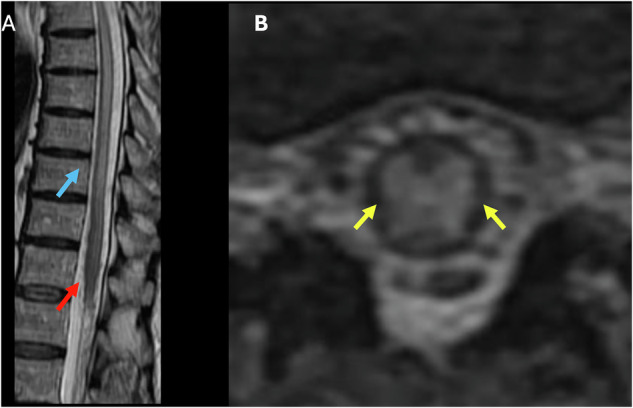 Figure 10
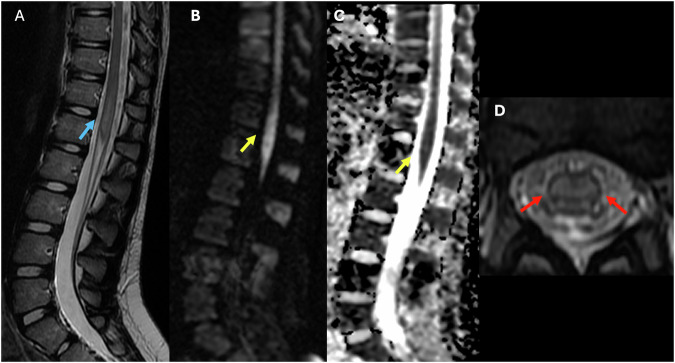 Figure 11
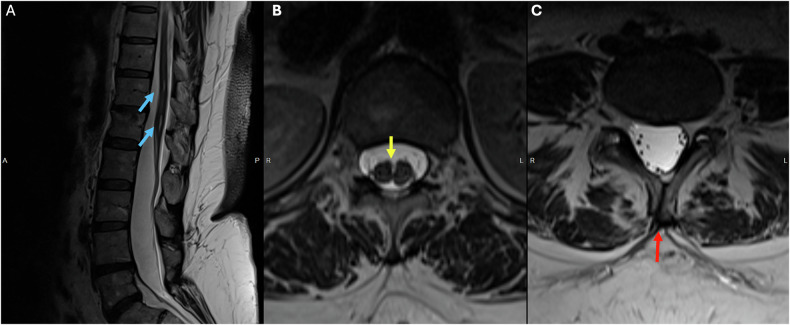 Figure 12
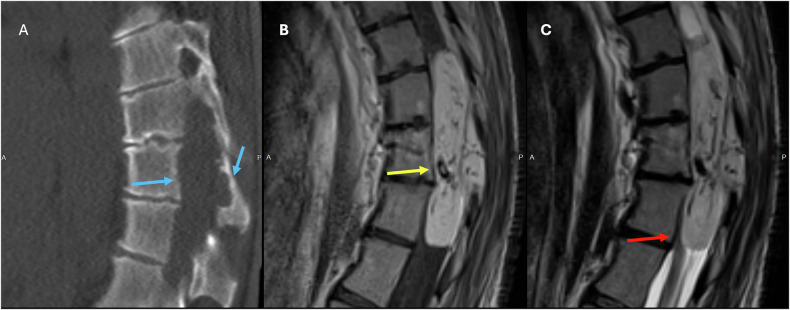 Figure 1
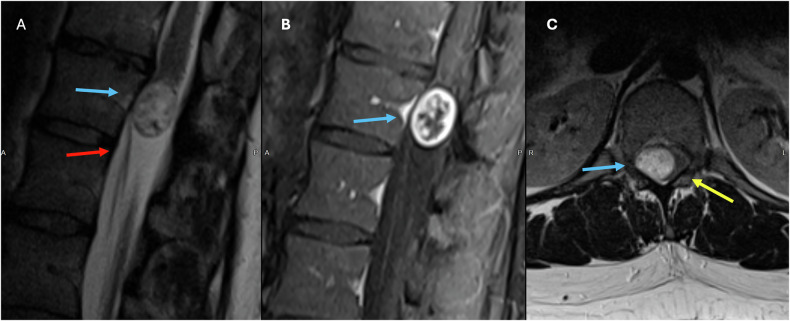 Figure 2
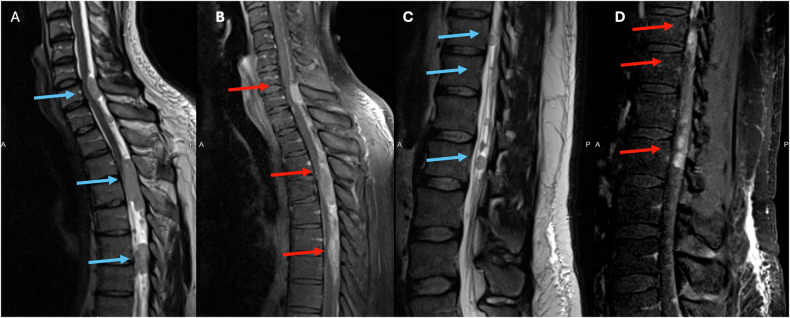 Figure 3
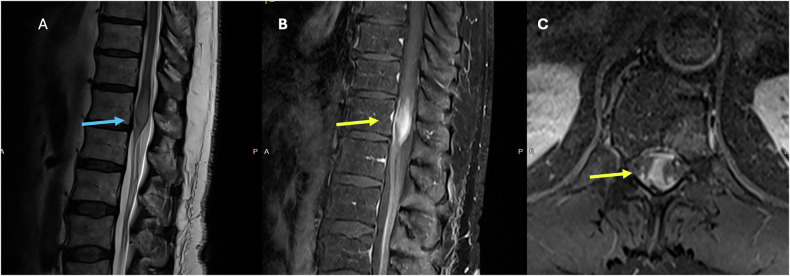 Figure 4
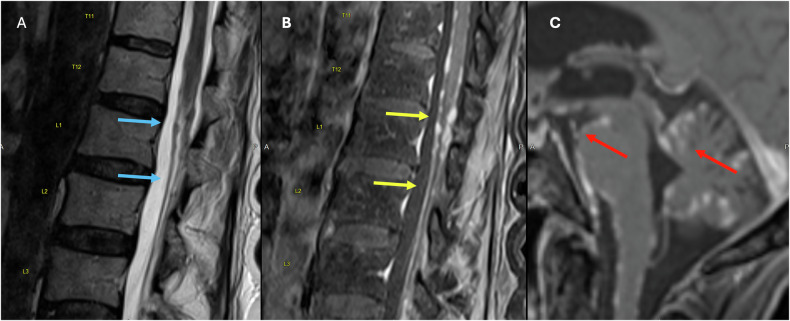 Figure 5
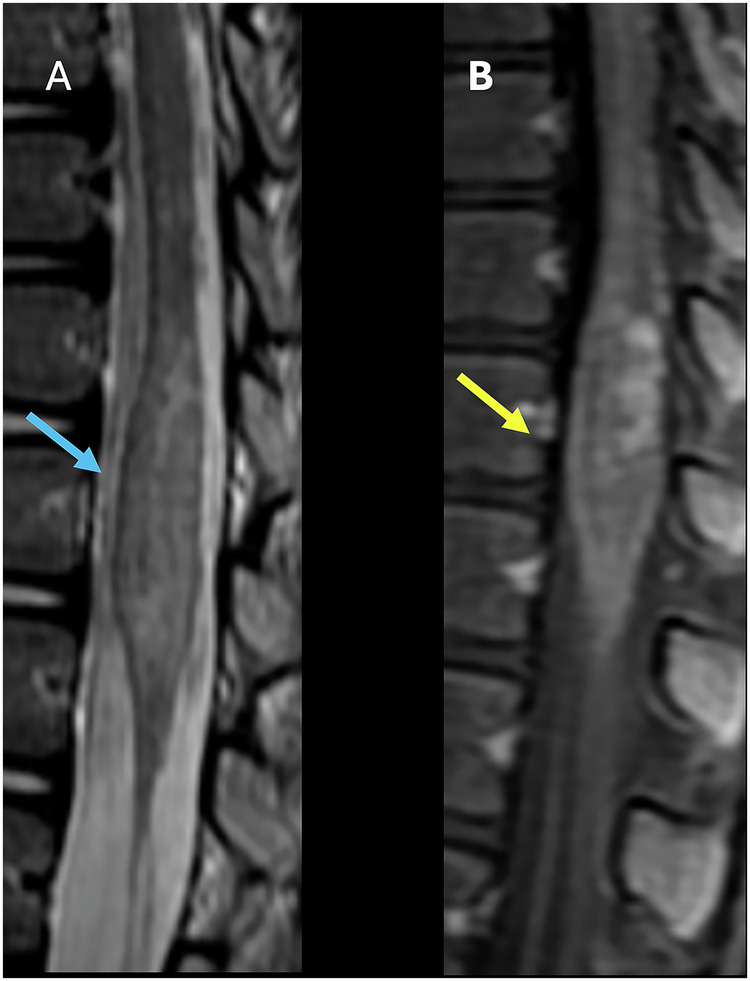 Figure 6
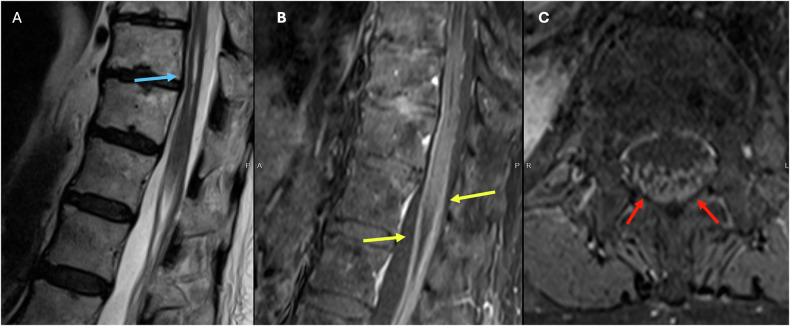 Figure 7
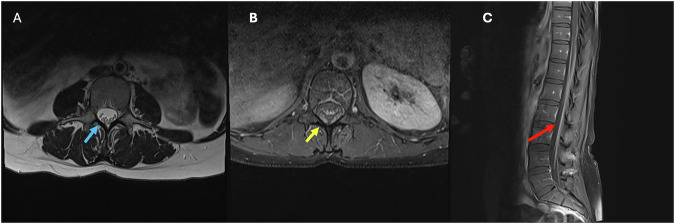 Figure 8
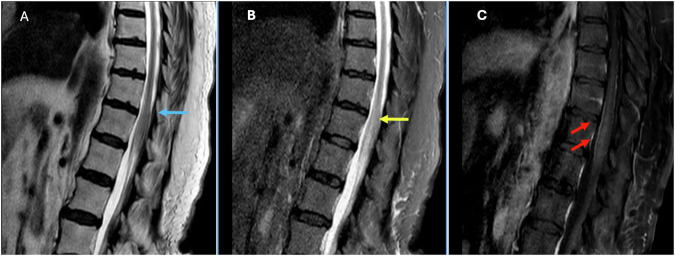 Figure 9
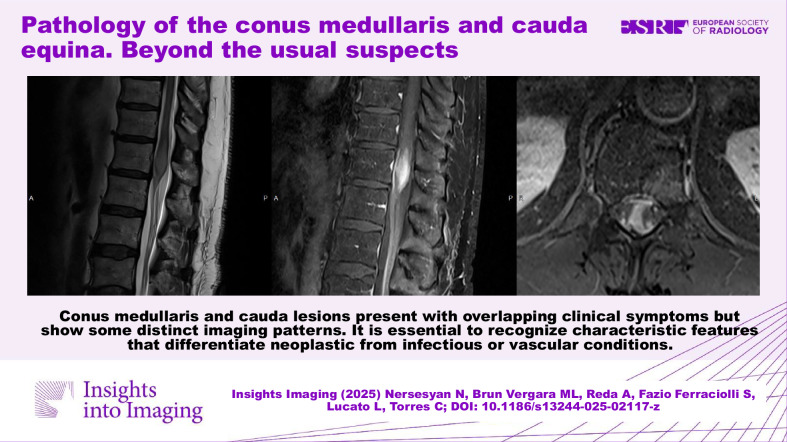 Figure 13
Peer Reviews
No public reviews on file for this paper yet. If you reviewed it on a platform where reviews are public (OpenReview, ICLR, NeurIPS, ICML), you can paste yours below so the community can read it here.
Videos
No videos yet. Explain this paper in a talk, walkthrough, or lecture? Add one.
Taxonomy
TopicsCerebrospinal fluid and hydrocephalus · Spinal Dysraphism and Malformations · Infectious Diseases and Tuberculosis