Beyond embryological remnants: imaging of ligamentum teres hepatis and falciform ligament pathologies
Sevtap Arslan, Ali Devrim Karaosmanoglu, Deniz Akata, Mustafa Nasuh Ozmen, Muşturay Karcaaltincaba

TL;DR
This paper reviews the anatomy and pathologies of the falciform ligament and ligamentum teres hepatis, emphasizing the importance of imaging for accurate diagnosis and avoiding misinterpretation.
Contribution
The paper provides a comprehensive review of imaging characteristics and pathologies of the falciform ligament and ligamentum teres hepatis, highlighting their clinical significance.
Findings
The falciform ligament and ligamentum teres hepatis are susceptible to various pathologies due to their anatomical relationships.
Cross-sectional imaging is essential for diagnosing these pathologies and differentiating them from pseudolesions.
Accurate recognition of these structures on imaging helps avoid unnecessary interventions and improves surgical planning.
Abstract
The falciform ligament and the ligamentum teres hepatis (LTH) have historically been regarded as embryological remnants with minimal clinical significance. However, their complex anatomical relationships with the liver, diaphragm, retroperitoneum, and abdominal and thoracic walls make them susceptible to various pathological conditions. This review highlights the anatomy of the falciform ligament and the LTH, their significance in surgical procedures, and pathologies of these structures on cross-sectional imaging. We will discuss the normal anatomy, congenital variations, inflammatory and infectious processes, neoplastic conditions, and vascular anomalies affecting these structures. Recognition of the imaging characteristics of the falciform ligament and the LTH pathologies is crucial for accurate diagnosis and management. Recognition of the falciform ligament and the ligamentum teres…
Genes, proteins, chemicals, diseases, species, mutations and cell lines named across the full text — each resolved to its canonical identifier and authoritative record.
Click any figure to enlarge with its caption.
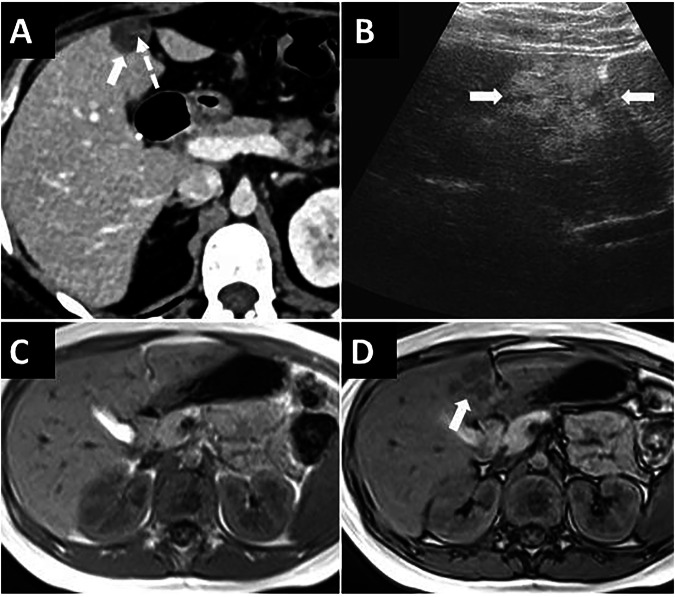 Figure 10
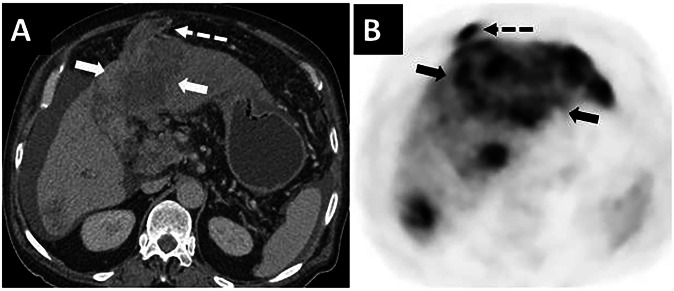 Figure 11
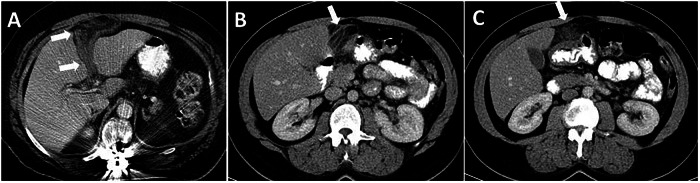 Figure 12
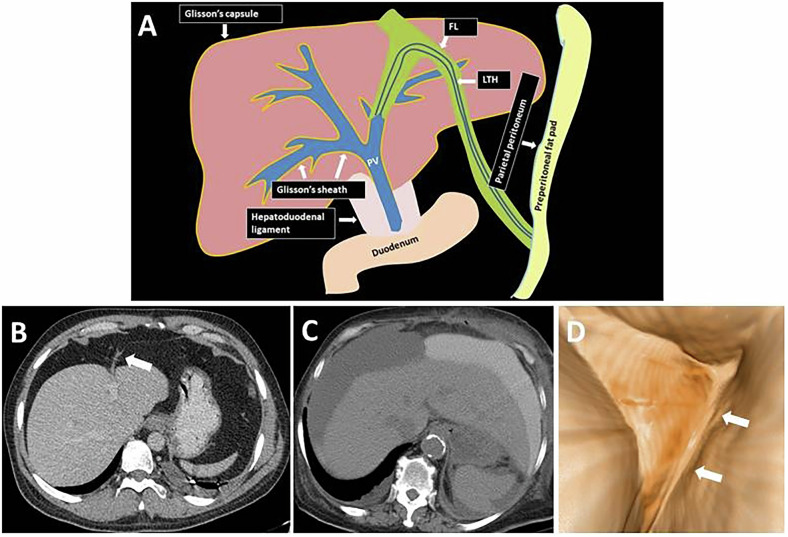 Figure 1
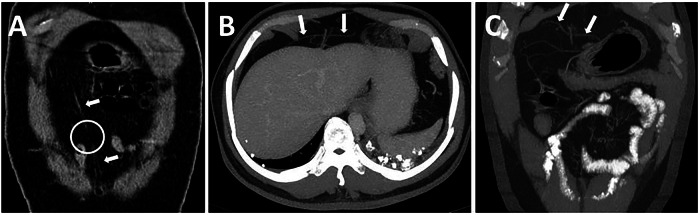 Figure 2
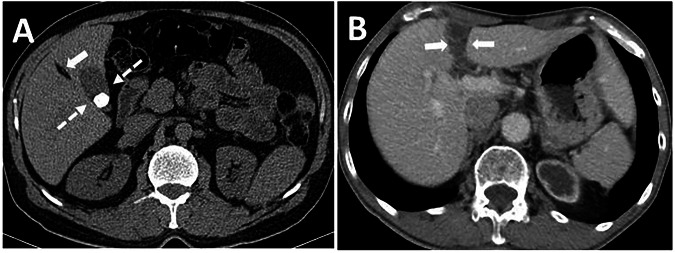 Figure 3
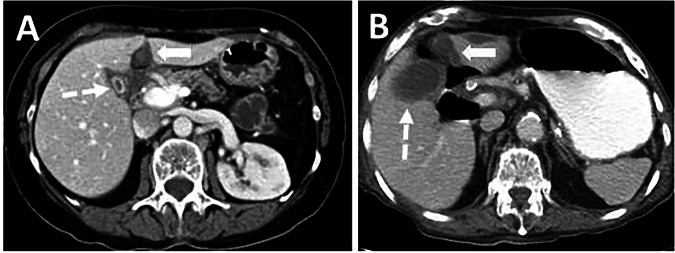 Figure 4
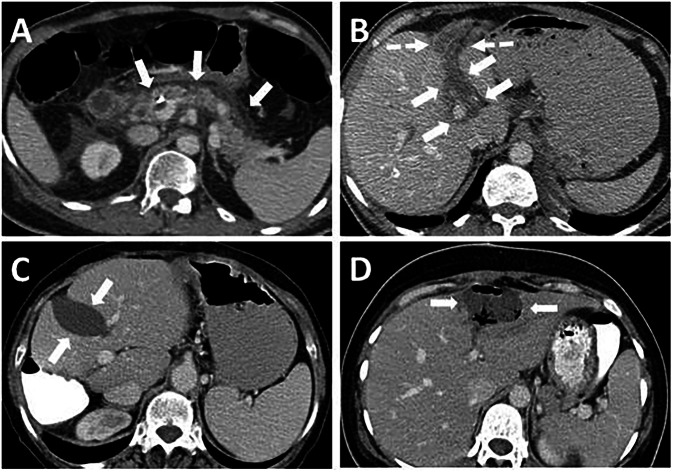 Figure 5
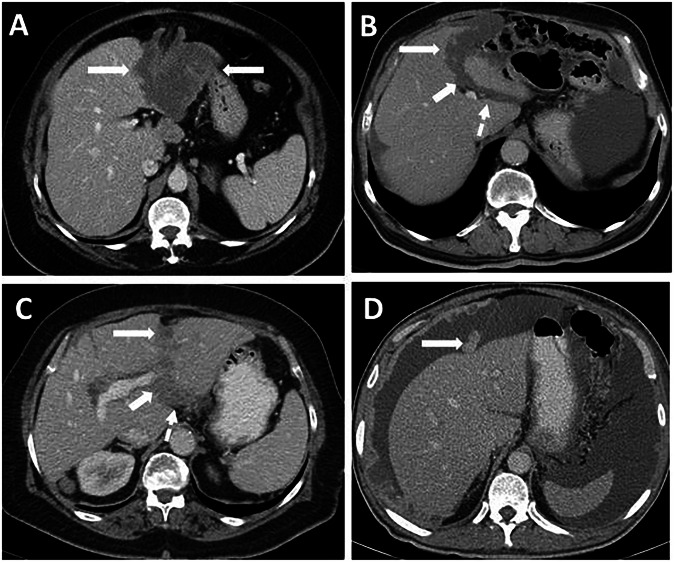 Figure 6
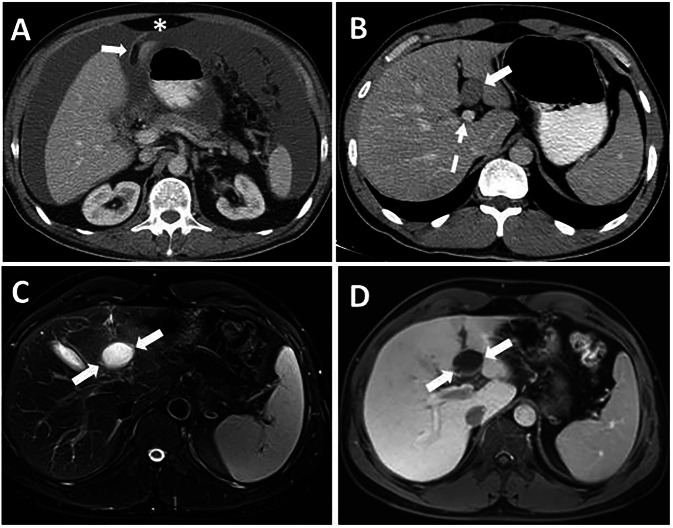 Figure 7
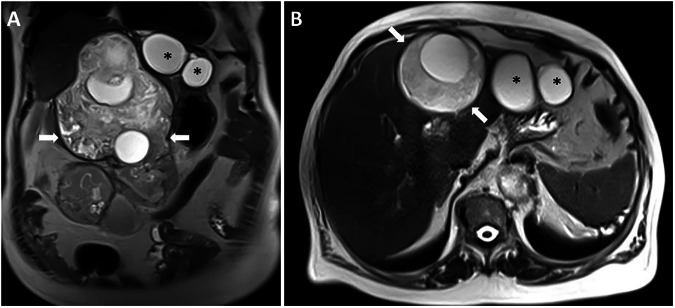 Figure 8
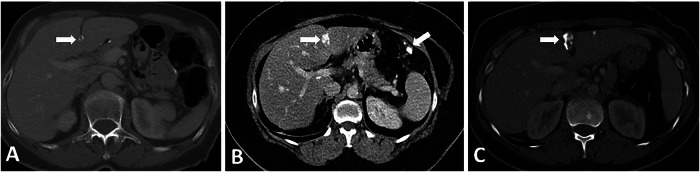 Figure 9
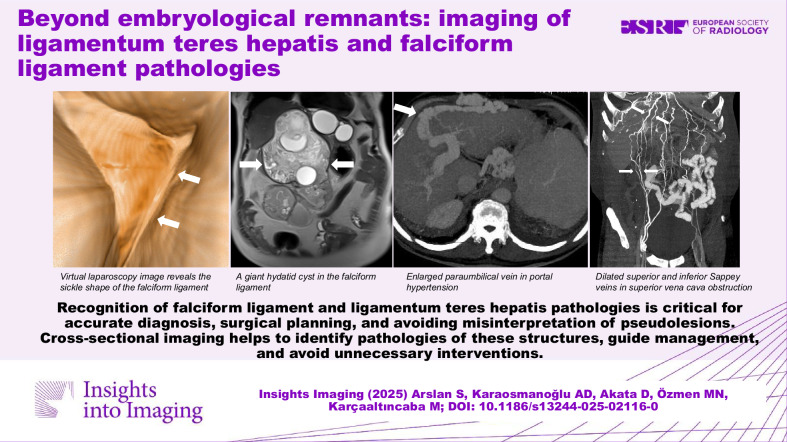 Figure 13
Peer Reviews
No public reviews on file for this paper yet. If you reviewed it on a platform where reviews are public (OpenReview, ICLR, NeurIPS, ICML), you can paste yours below so the community can read it here.
Videos
No videos yet. Explain this paper in a talk, walkthrough, or lecture? Add one.
Taxonomy
TopicsOmental and Epiploic Conditions · Ovarian cancer diagnosis and treatment · Endometriosis Research and Treatment