Location of centers of rotation and existence of terminal hinge axes during jaw movements – a preliminary in vivo clarification
Albert C. Mehl, Sarah C. Woodford, Dale L. Robinson, Jaafar Abduo, Peter V. S. Lee, David C. Ackland

TL;DR
This study shows that jaw opening involves both rotation and translation, challenging the assumption of pure rotation in mechanical articulators.
Contribution
It provides in vivo evidence of combined rotational and translational condylar movement during jaw opening.
Findings
The center of rotation during full mouth opening is located caudally and slightly posterior to the condyle center.
Rotation-translation diagrams confirm combined condylar movement, not pure rotation.
The findings challenge standard mechanical articulator concepts based on pure condyle rotation.
Abstract
This study aimed to evaluate the behaviour of jaw opening movements in vivo, especially focusing on locating the center of rotation and extracting the translational and rotational components of mandibular movements respectively. Jaw movements of healthy participants were recorded using an optoelectronic tracking device and kinematics registered to bony anatomy segmented from CT scans. An evaluation program was developed to support visualization and quantification of mandibular movements. Landmarks representing anatomic and arbitrary condylar positions were defined and their trajectories investigated. Center of rotation positions were calculated for the full opening paths, and rotation-translation diagrams were recorded to investigate condylar movements for different jaw opening angles. Analyzing landmark trajectories in a virtual skull model explicitly demonstrated their dependency on…
Genes, proteins, chemicals, diseases, species, mutations and cell lines named across the full text — each resolved to its canonical identifier and authoritative record.
Click any figure to enlarge with its caption.
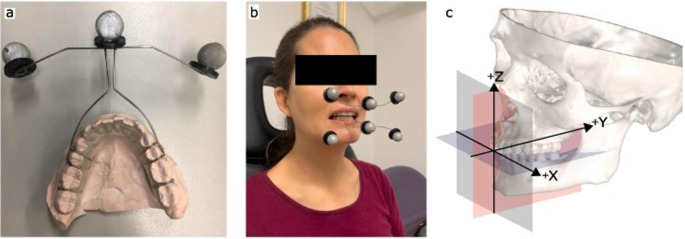 Figure 1
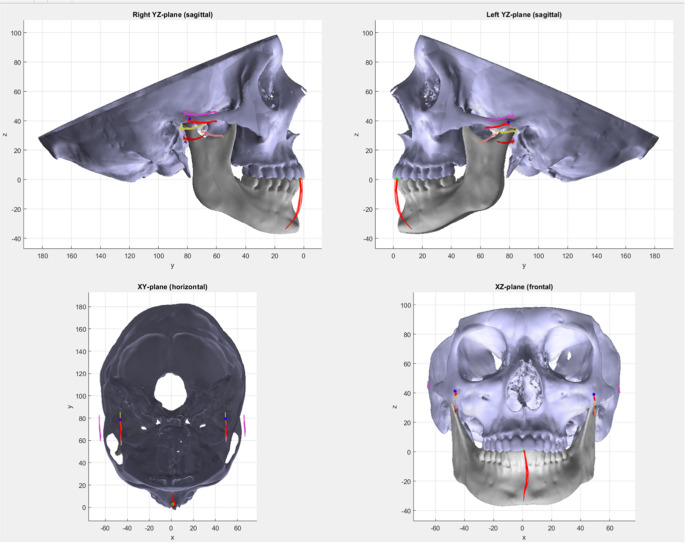 Figure 2
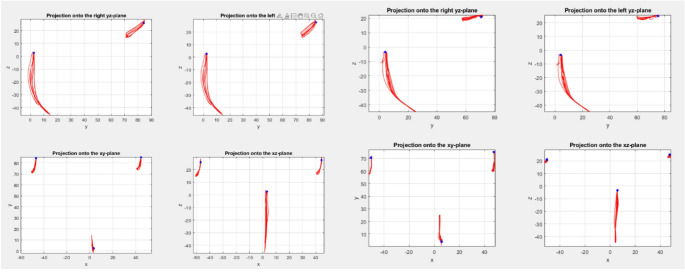 Figure 3
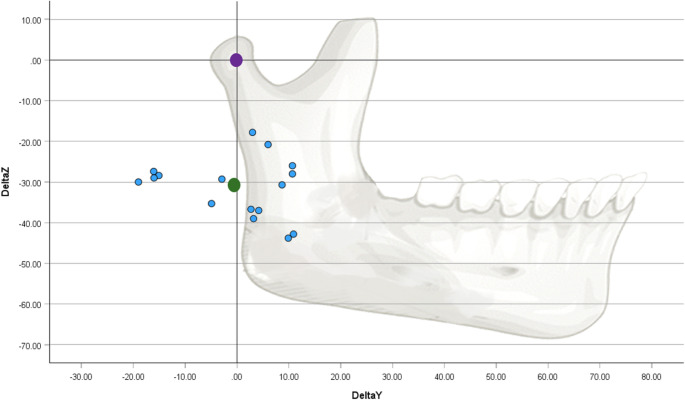 Figure 4
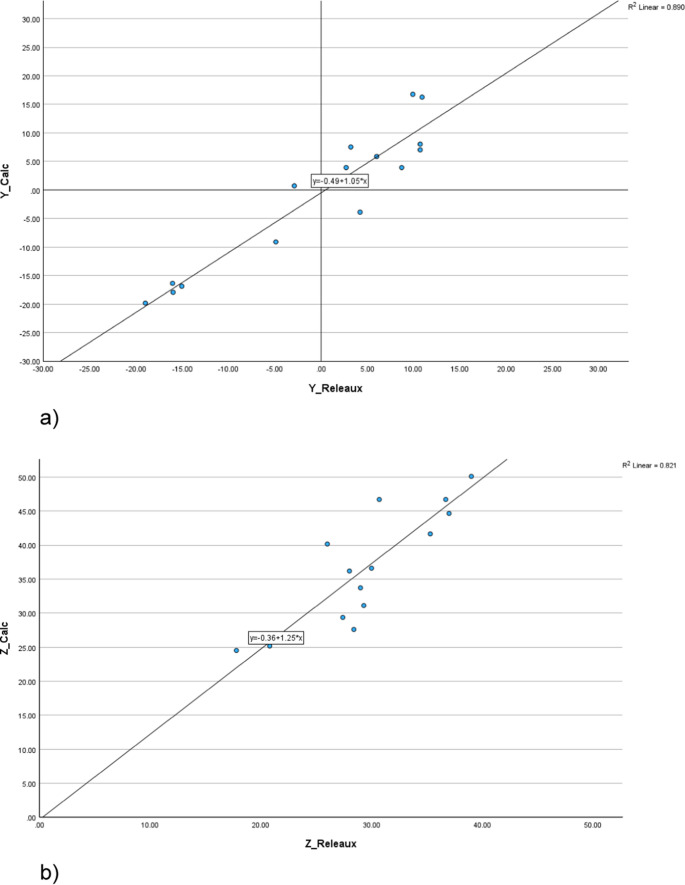 Figure 5
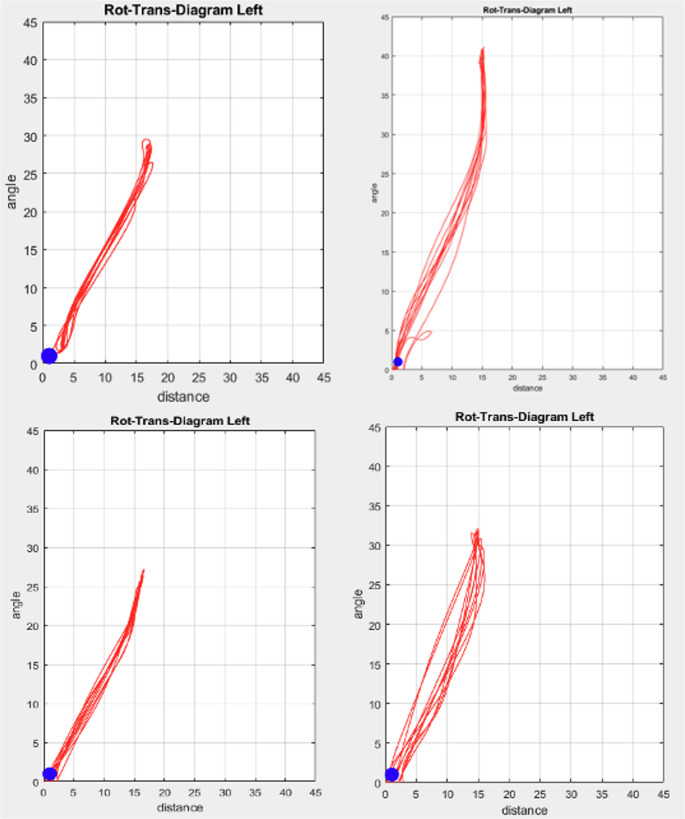 Figure 6
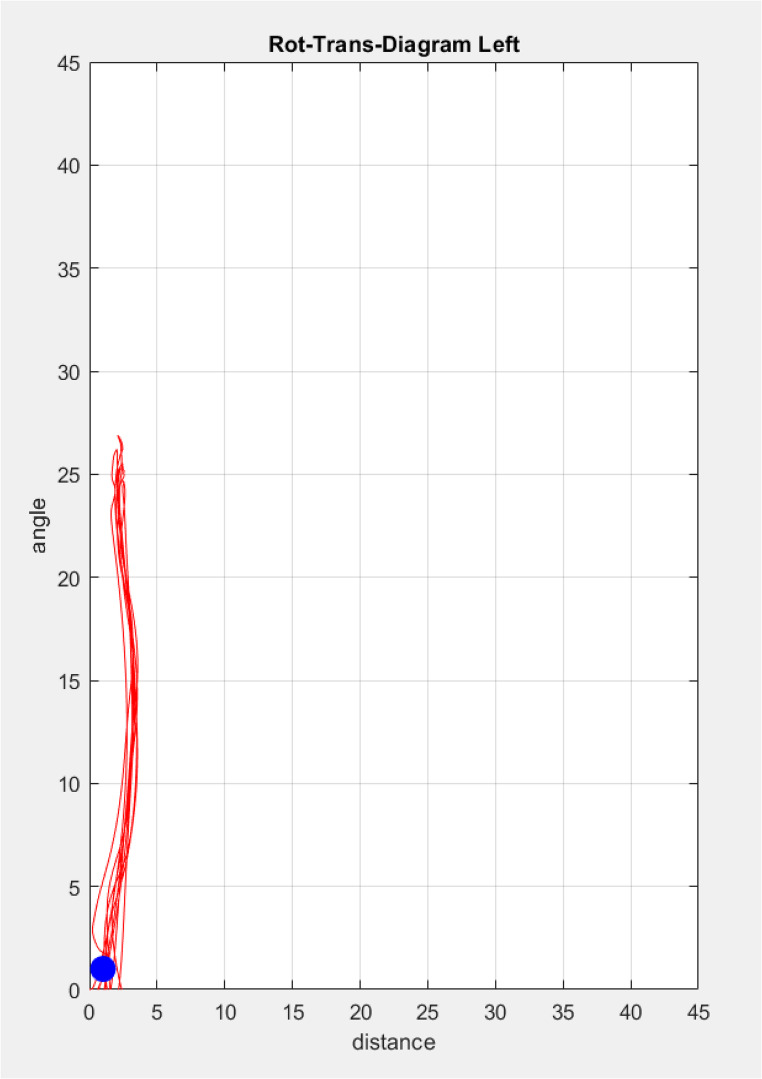 Figure 7
Peer Reviews
No public reviews on file for this paper yet. If you reviewed it on a platform where reviews are public (OpenReview, ICLR, NeurIPS, ICML), you can paste yours below so the community can read it here.
Videos
No videos yet. Explain this paper in a talk, walkthrough, or lecture? Add one.
Taxonomy
TopicsTemporomandibular Joint Disorders · Orthodontics and Dentofacial Orthopedics · Facial Nerve Paralysis Treatment and Research