Oxidative Stress Induces the Phosphorylation of NAD+ to NADP+ by NAD Kinase in Cultured Primary Rat Astrocytes
Johanna Elisabeth Willker, Patrick Watermann, Ralf Dringen

TL;DR
This study shows that oxidative stress causes astrocytes to convert NAD+ into NADP+ using an enzyme called NAD kinase, which helps manage cellular redox balance.
Contribution
The study provides experimental evidence that NAD kinase mediates NAD+ phosphorylation to NADP+ in astrocytes under oxidative stress.
Findings
Oxidative stress leads to a rapid oxidation of GSH and a doubling of the NADPx pool in astrocytes.
NAD kinase activity was detected in astrocytes with specific kinetic parameters for NAD+ and ATP.
Thionicotinamide inhibits stress-induced NAD+ phosphorylation, confirming the role of NAD kinase.
Abstract
Astrocytes have important functions in the metabolism and antioxidative defence of the brain. Three redox pairs and the ratio of the reduced and oxidized partners in each pair are essential for astrocytic redox metabolism, GSx (glutathione (GSH) plus glutathione disulfide (GSSG)), NADx (NADH plus NAD+) and NADPx (NADPH plus NADP+). In order to elucidate the interactions between the three redox pairs in astrocytes, we first analysed the basal levels of the six redox co-substrates for cultured primary rat astrocytes by using sensitive and specific enzymatic cycling assays. In untreated cultures, the basal specific contents of GSx, NADPx and NADx were 44.7 ± 8.2 nmol/mg protein, 0.64 ± 0.09 nmol/mg protein and 2.91 ± 0.40 nmol/mg protein, with the reduced co-substrates accounting for 97 ± 3%, 37 ± 14% and 28 ± 10% of the total amounts, respectively. Exposure of cultured astrocytes to…
Genes, proteins, chemicals, diseases, species, mutations and cell lines named across the full text — each resolved to its canonical identifier and authoritative record.
Click any figure to enlarge with its caption.
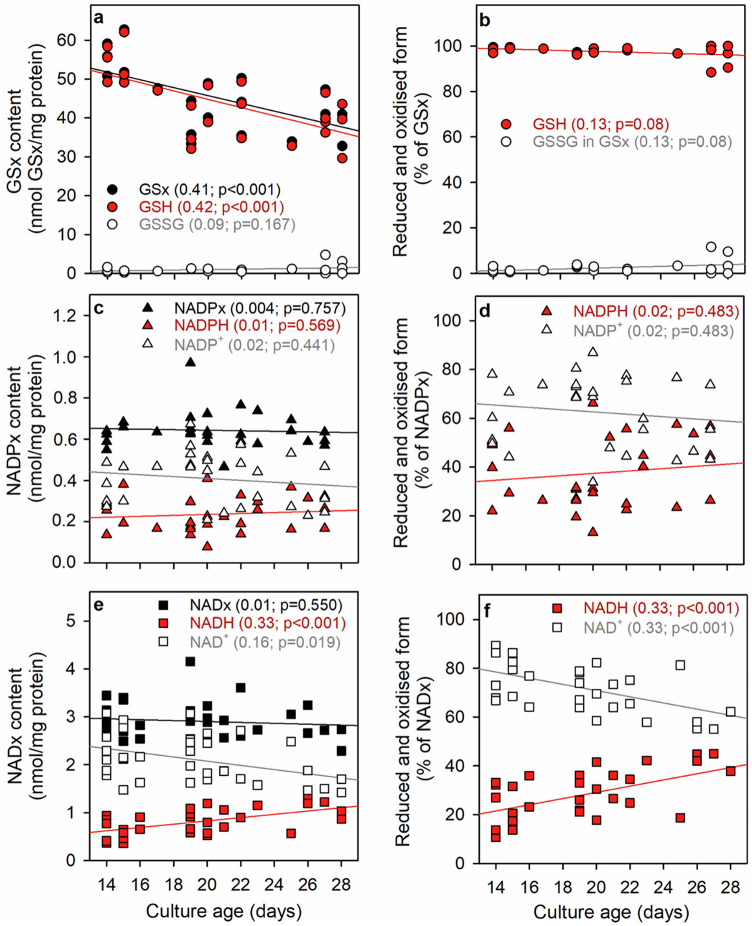 Figure 1
 Figure 2
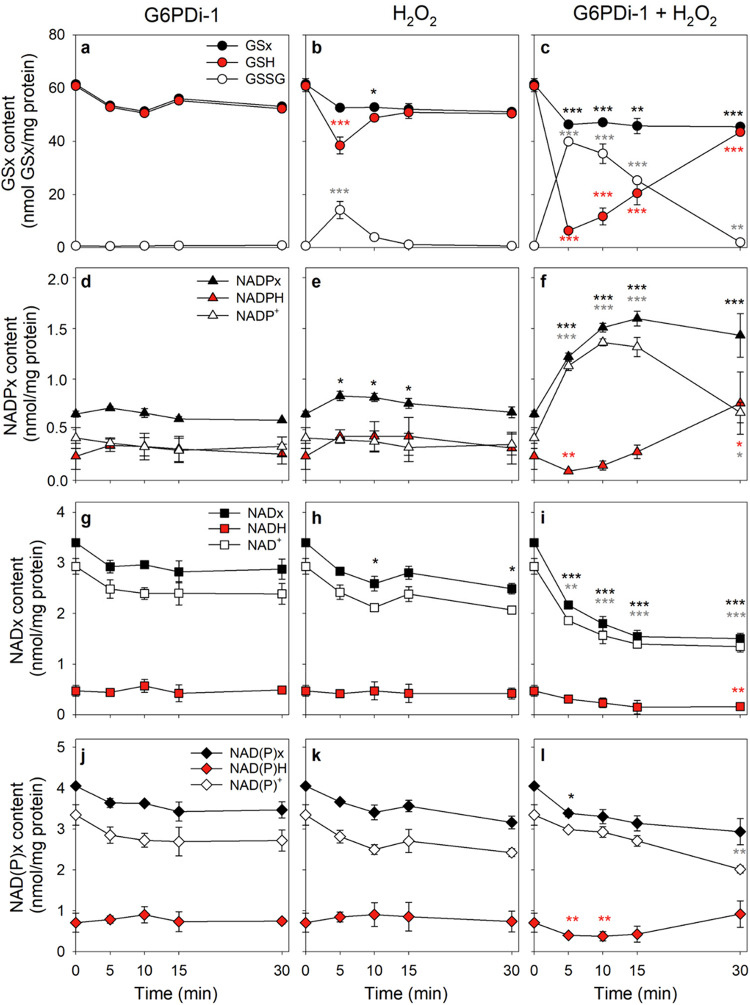 Figure 3
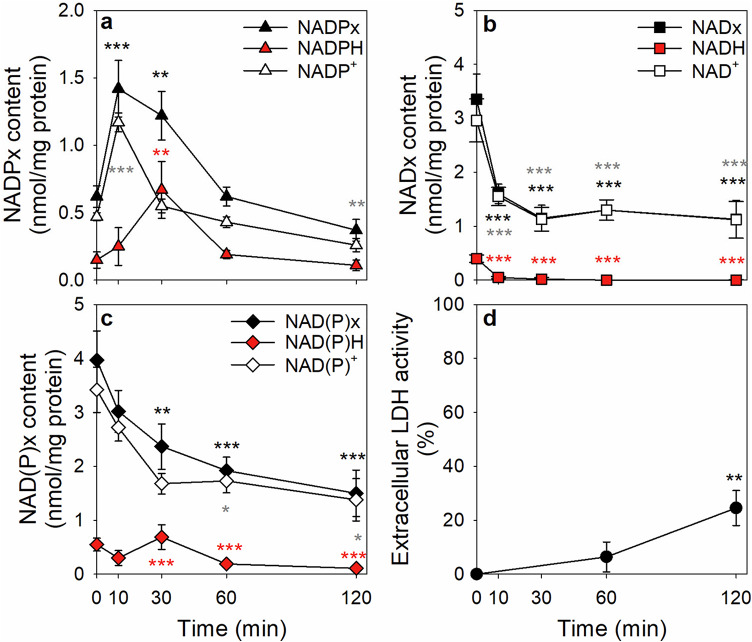 Figure 4
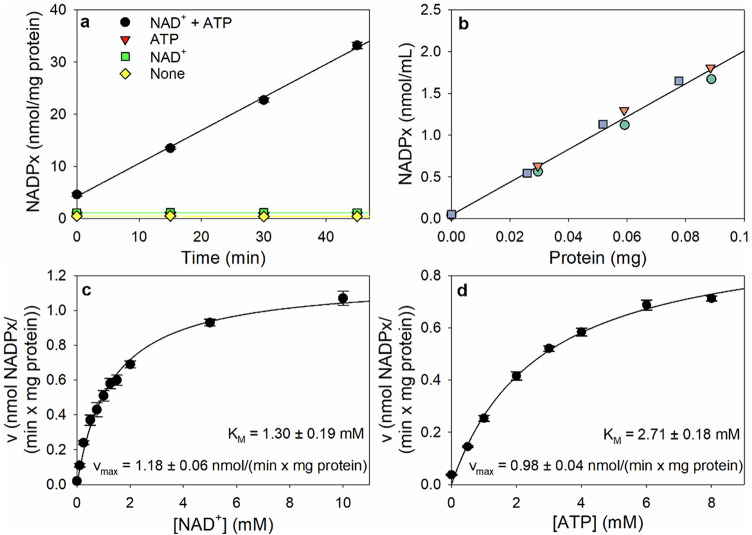 Figure 5
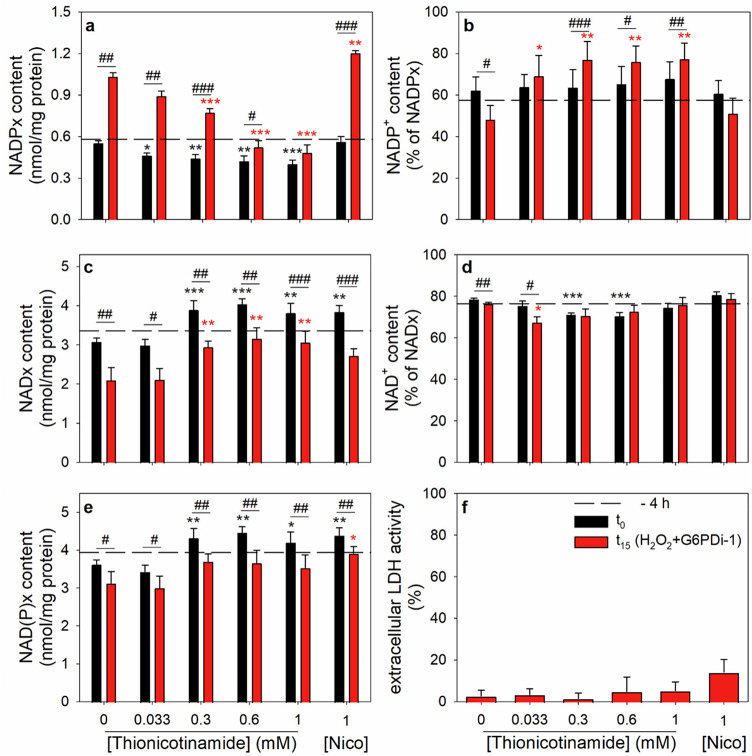 Figure 6
Peer Reviews
No public reviews on file for this paper yet. If you reviewed it on a platform where reviews are public (OpenReview, ICLR, NeurIPS, ICML), you can paste yours below so the community can read it here.
Videos
No videos yet. Explain this paper in a talk, walkthrough, or lecture? Add one.
Taxonomy
TopicsNeuroinflammation and Neurodegeneration Mechanisms · Calcium signaling and nucleotide metabolism · Tryptophan and brain disorders