Assessing the feasibility of mechanical recycling for plastic tree shelters used in agriculture and forestry: degradation and contamination of waste
Ignacio Bernabé, Ma Ulagares de la Orden, Enrique Blázquez-Blázquez, Ma Luisa Cerrada, Gabriela Castro, Victoria Fernández-Fernández, Miguel Cobo-Golpe, María Ramil, Isaac Rodríguez, Joaquín Martínez Urreaga

TL;DR
This study examines whether old plastic tree shelters used in agriculture and forestry can be mechanically recycled, finding that most are still suitable despite some degradation and contamination.
Contribution
The study provides a detailed analysis of polymer degradation and contamination in used PP tree shelters to assess mechanical recycling feasibility.
Findings
Fungicide residues were found only in some agricultural tree shelters.
Overall material degradation is less severe than it appears due to a dilution effect.
Most PP tree shelters, even after years of use, are suitable for mechanical recycling.
Abstract
Plastic tree shelters are widely used in agriculture and forestry to protect young plants from predators and generate a favorable microclimate, thus increasing survival and growth rates. Considering that several thousand tons of plastic tree shelters (mostly polypropylene, PP) are used each year in Europe and that discarded aged shelters can release microplastics, residues of additives, and even pesticides, the destination of this material after use is a matter of concern. Mechanical recycling is the best option for these residues, but its technical feasibility depends on the polymer degradation level and its contamination, both by inorganic materials and by residues of additives and/or agrochemicals. Therefore, not all tree shelter waste is suitable for recycling. The main objective of this work is to characterize the degradation and contamination of PP tree shelters used in…
Genes, proteins, chemicals, diseases, species, mutations and cell lines named across the full text — each resolved to its canonical identifier and authoritative record.
Click any figure to enlarge with its caption.
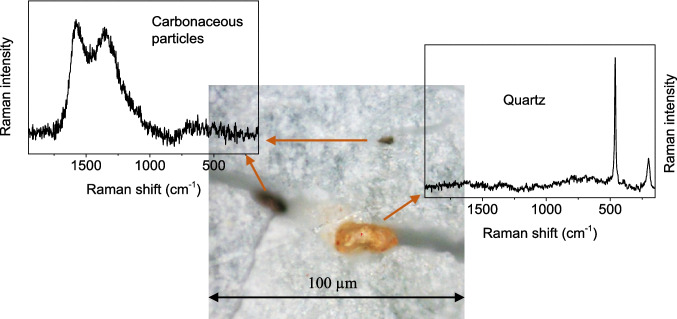 Figure 10
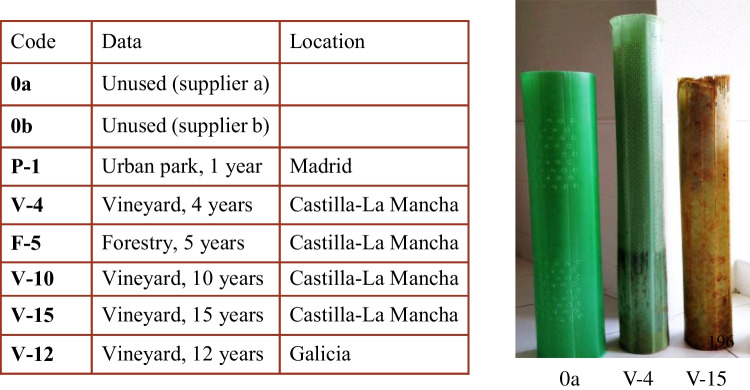 Figure 1
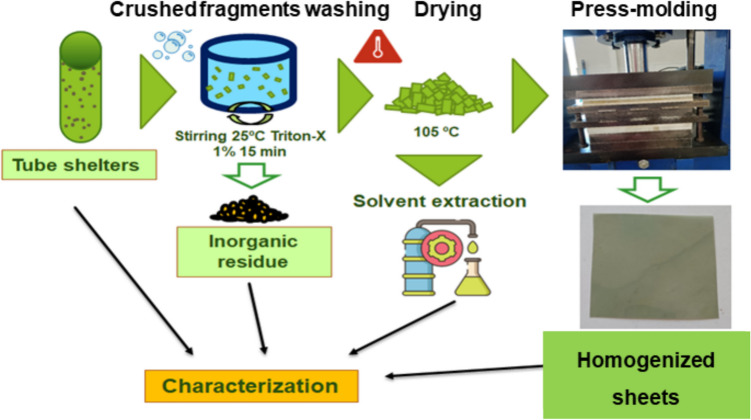 Figure 2
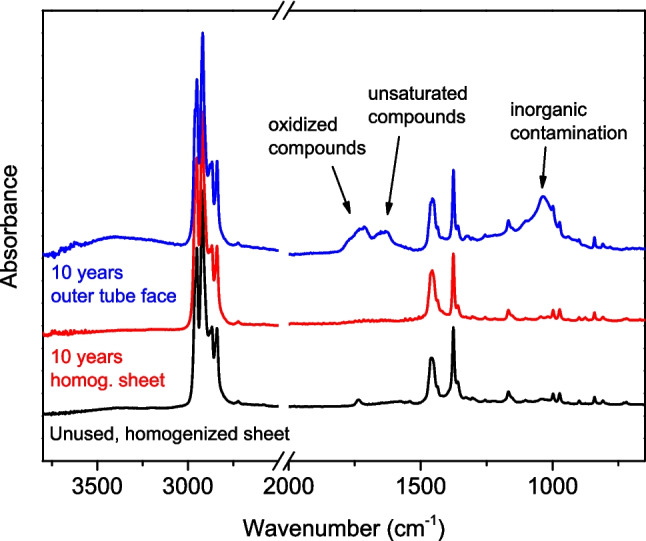 Figure 3
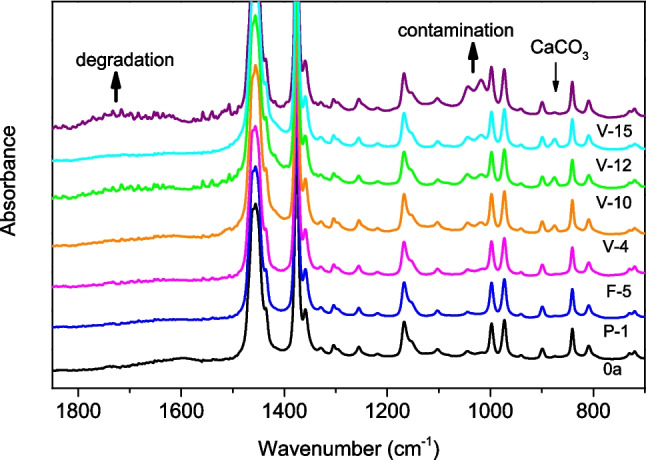 Figure 4
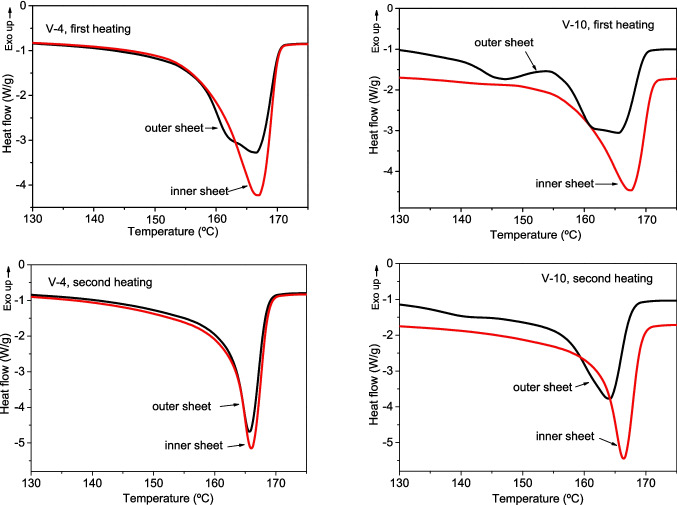 Figure 5
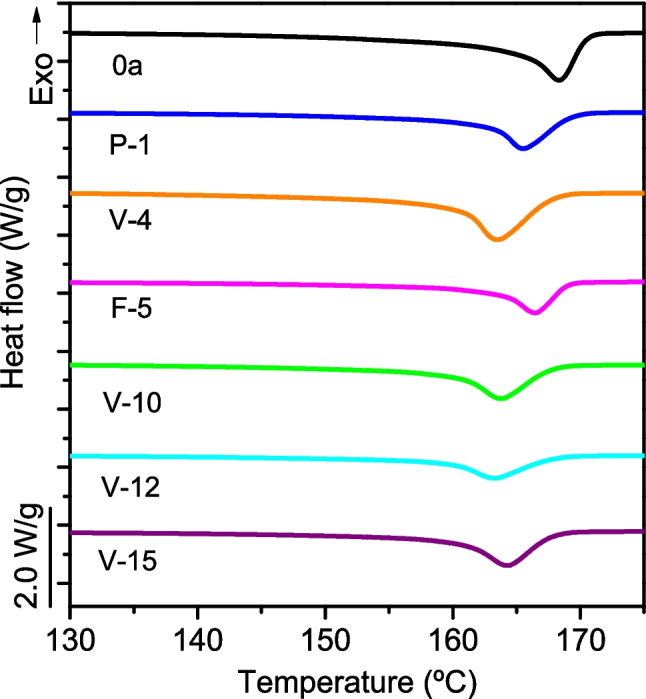 Figure 6
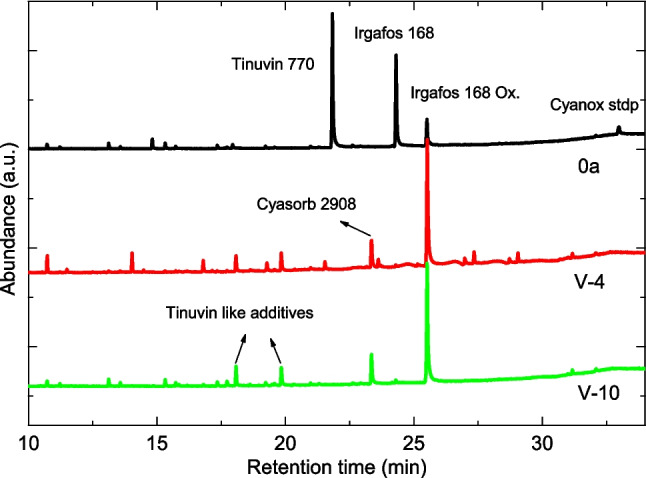 Figure 7
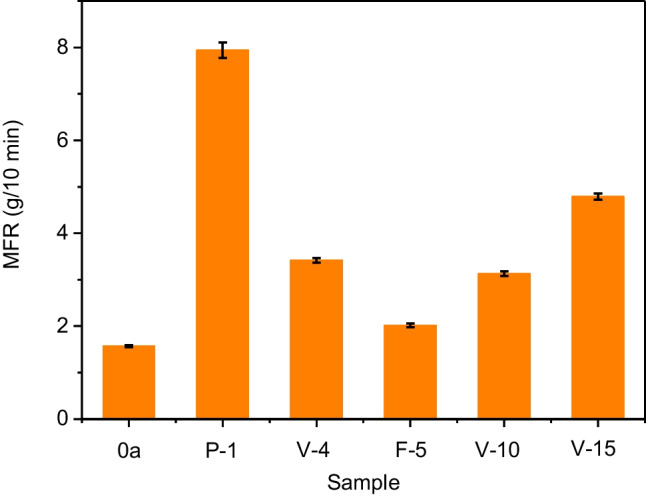 Figure 8
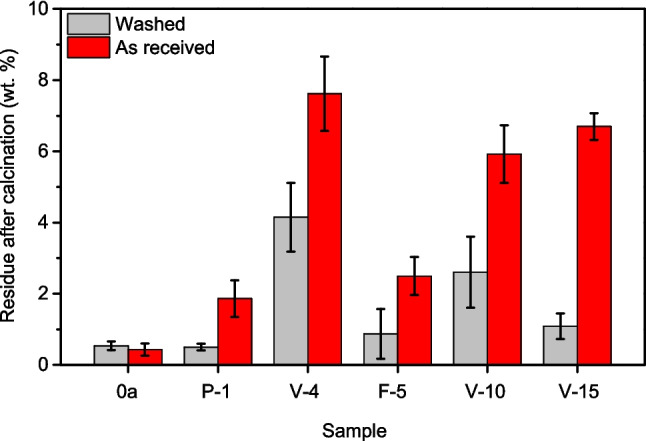 Figure 9
Peer Reviews
No public reviews on file for this paper yet. If you reviewed it on a platform where reviews are public (OpenReview, ICLR, NeurIPS, ICML), you can paste yours below so the community can read it here.
Videos
No videos yet. Explain this paper in a talk, walkthrough, or lecture? Add one.
Taxonomy
Topicsbiodegradable polymer synthesis and properties · Forest Biomass Utilization and Management · Plant Surface Properties and Treatments