Comparative Analysis of the Thulium Fiber Laser, Holmium: YAG Laser, and Pneumatic Lithotripter in Mini-Percutaneous Nephrolithotomy: A Tertiary Care Center Experience
Narayan Shubham, Ujwal Kumar, Yashasvi Singh, Sameer Trivedi, Lalit Kumar, Aviral Srivastava, Sahil Data, Anil Baliyan, Madan Gopal Bhardwaj

TL;DR
This study compares three tools used in kidney stone surgery, finding that the thulium fiber laser is faster and more efficient but may have long-term risks.
Contribution
The study provides direct comparative evidence on the performance of TFL, Holmium: YAG, and pneumatic lithotripters in mini-PCNL.
Findings
TFL had significantly shorter stone disintegration and operative times compared to other methods.
TFL achieved the highest stone-free rate and used less energy per case.
TFL showed lower blood loss but a potential trend toward higher long-term stenosis.
Abstract
Background Mini-percutaneous nephrolithotomy (mini-PCNL) has become a standard treatment for moderate-sized renal calculi. Among intracorporeal lithotripters, the thulium fiber laser (TFL), Holmium: YAG laser, and pneumatic devices remain the most widely used, yet direct comparative evidence in mini-PCNL remains limited. Aim The aim of this study is to compare the intraoperative efficiency, perioperative outcomes, and long-term sequelae of TFL, Holmium: YAG, and pneumatic lithotripters in mini-PCNL. Materials and methods A comparative study was conducted in 221 patients undergoing mini-PCNL for 10-30 mm renal stones. Patients were allocated to TFL (n=79), Holmium: YAG (n=72), or pneumatic lithotripter (n=70) groups. Demographics, stone characteristics, intraoperative parameters, perioperative complications, and 12-month outcomes were analyzed. Statistical comparisons included ANOVA…
Genes, proteins, chemicals, diseases, species, mutations and cell lines named across the full text — each resolved to its canonical identifier and authoritative record.
Click any figure to enlarge with its caption.
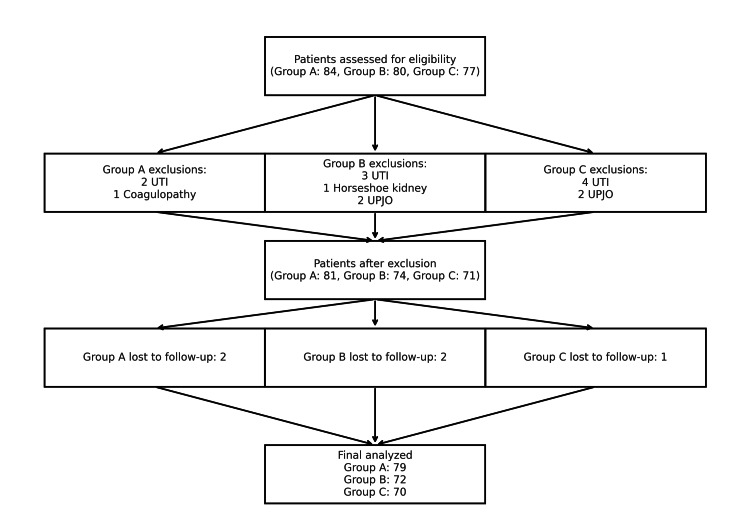 Figure 1
 Figure 2
 Figure 3
 Figure 4
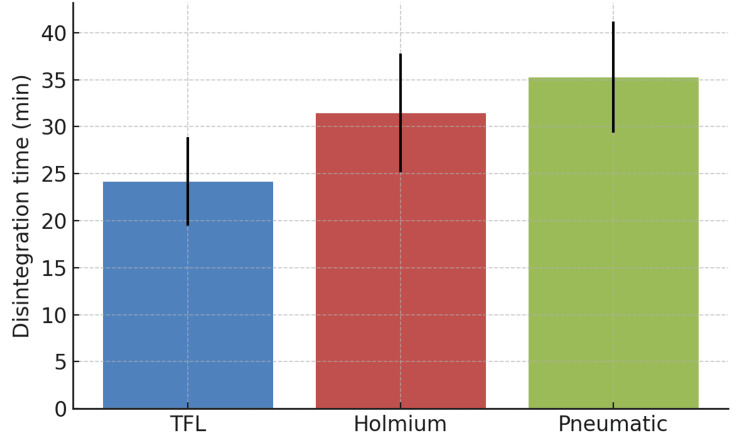 Figure 5
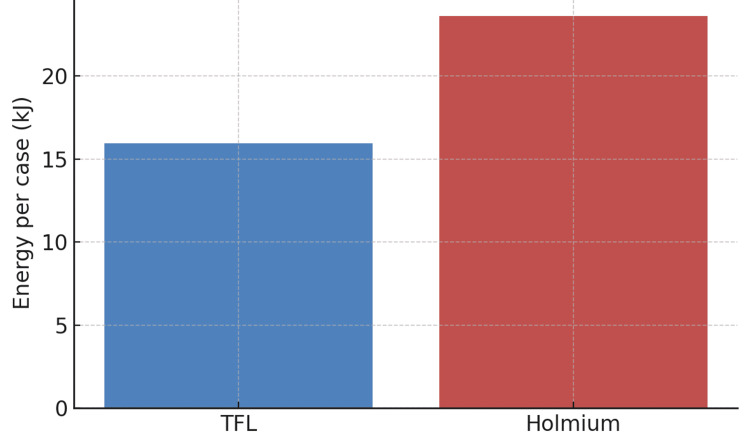 Figure 6
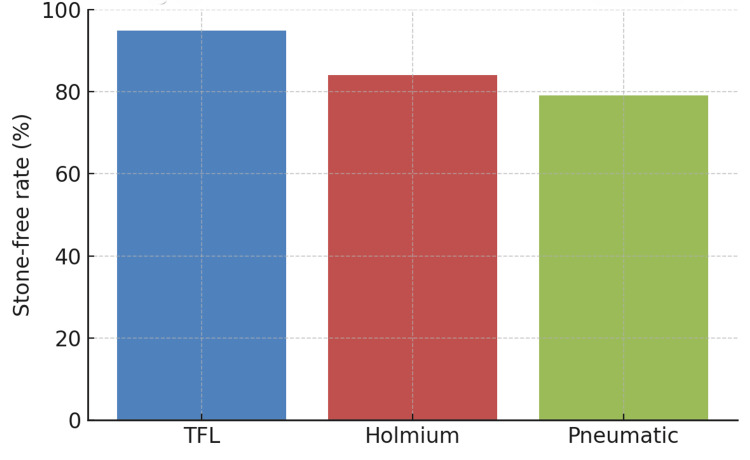 Figure 7
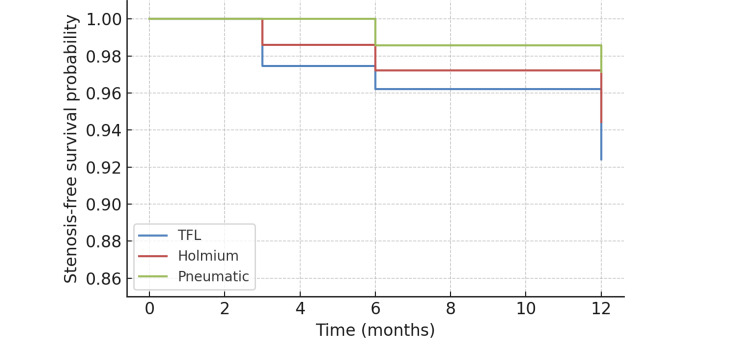 Figure 8
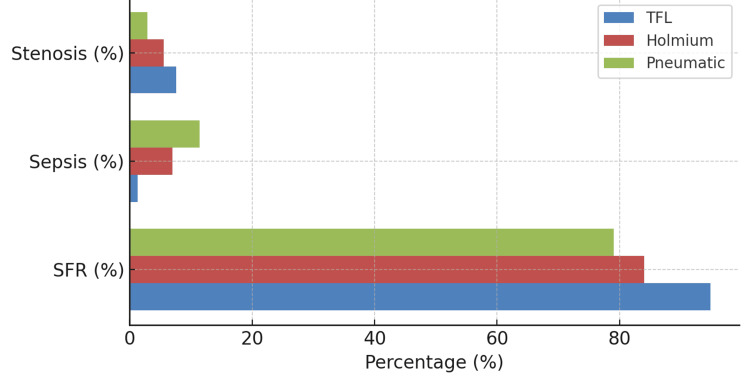 Figure 9
Peer Reviews
No public reviews on file for this paper yet. If you reviewed it on a platform where reviews are public (OpenReview, ICLR, NeurIPS, ICML), you can paste yours below so the community can read it here.
Videos
No videos yet. Explain this paper in a talk, walkthrough, or lecture? Add one.
Taxonomy
TopicsKidney Stones and Urolithiasis Treatments · Pediatric Urology and Nephrology Studies · Gallbladder and Bile Duct Disorders