Influence of temperature on developmental and biochemical traits of the red squat lobster Grimothea monodon (H. Milne Edwards, 1837) during early ontogeny
Marco Quispe-Machaca, Luis Olavarría, Gabriela Torres, Ángel Urzúa

TL;DR
This study examines how temperature affects the early development of red squat lobster larvae and finds that they can adapt to temperature changes without significant negative effects.
Contribution
The study reveals intraspecific variability in developmental traits and high physiological plasticity in G. monodon larvae under different temperatures.
Findings
Development time and larval size varied with temperature, but mortality remained unchanged.
No significant differences were found in biomass or biochemical composition at advanced larval stages.
G. monodon larvae show high physiological-energetic plasticity to cope with temperature variations in their environment.
Abstract
Temperature is one of the most important environmental factors that influence on the successful development and survival of decapod larvae. Our model species, the red squat lobster Grimothea monodon, has a wide biogeographic distribution in the Humboldt Current Ecosystem (HCE) and support important fishing activities. Recently, it has been described that juvenile and adult individuals of G. monodon (i.e., benthic phase of their ontogeny), present intraspecific variations in size, lifestyle, and nutritional condition, which could be modulated by the environmental conditions like temperature associated with depth. However, it is still unknown whether these intraspecific variations also occur during early ontogeny (i.e., planktonic larval phase). To investigate, we evaluated the effect of contrasting temperatures (i.e., cold: 12 °C vs. warm: 20 °C) on the developmental and biochemical…
Genes, proteins, chemicals, diseases, species, mutations and cell lines named across the full text — each resolved to its canonical identifier and authoritative record.
Click any figure to enlarge with its caption.
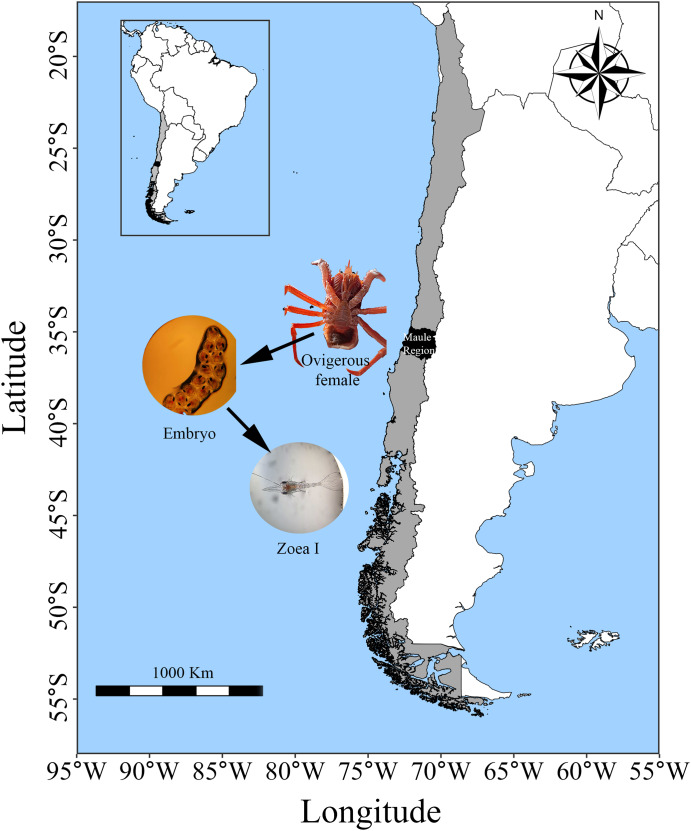 Figure 1
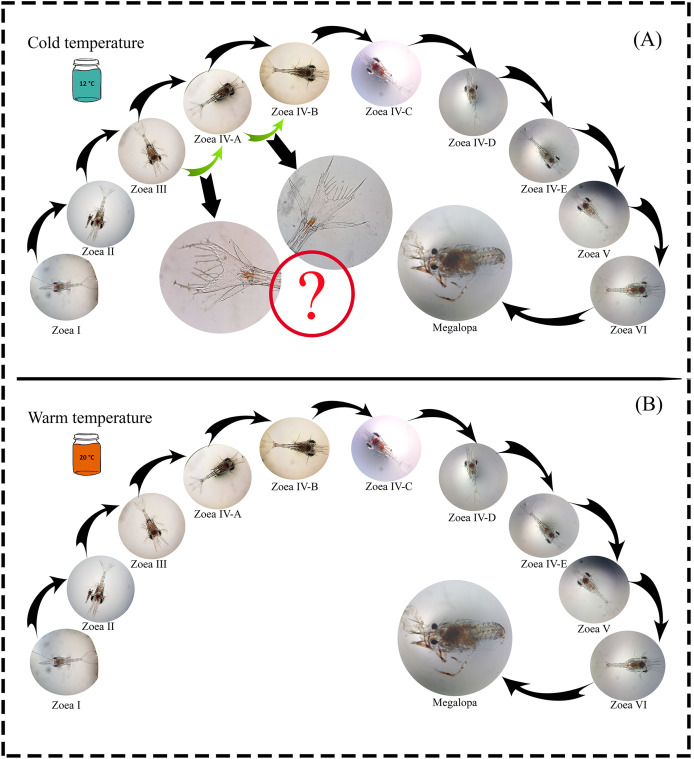 Figure 2
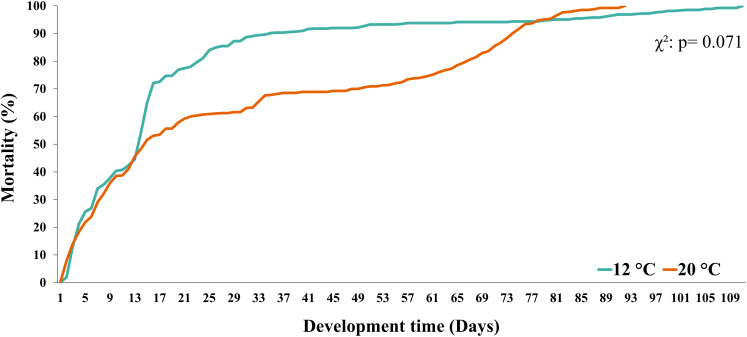 Figure 3
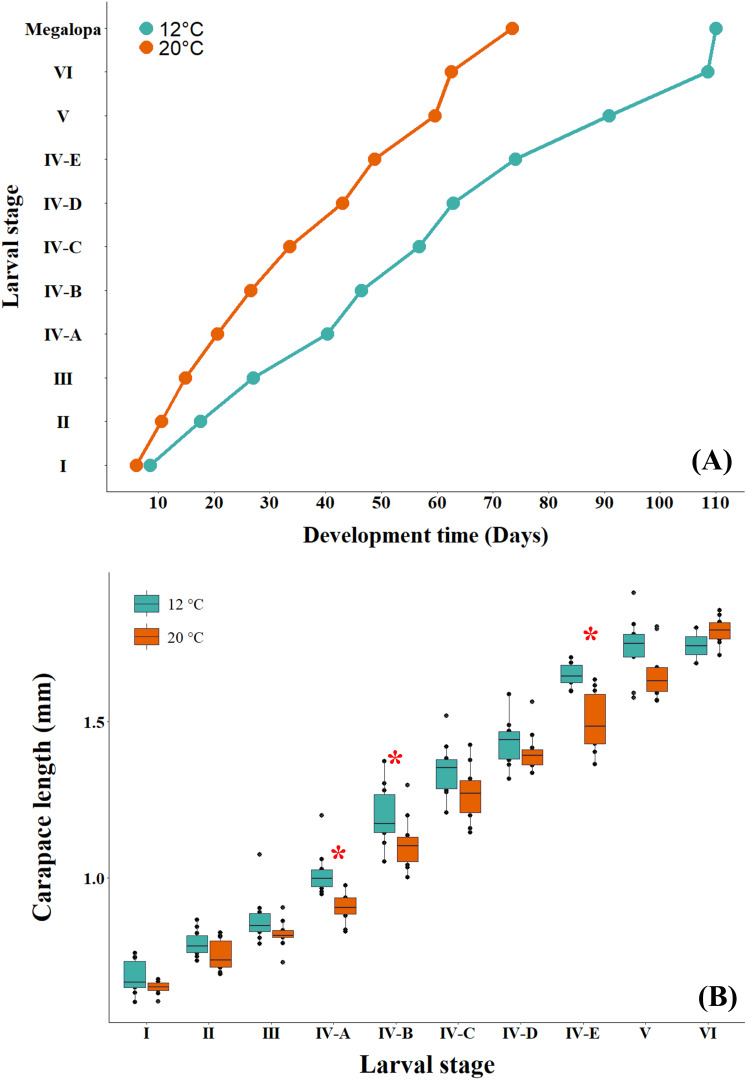 Figure 4
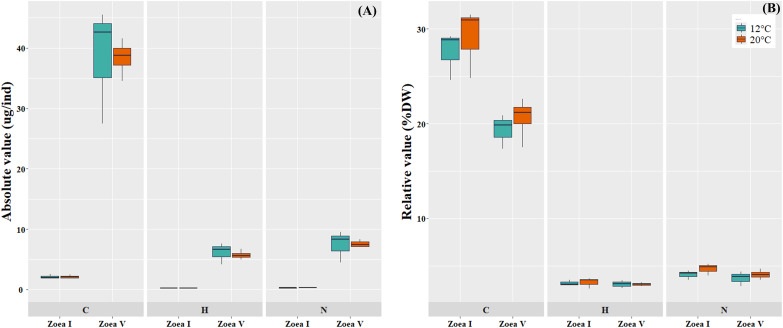 Figure 5
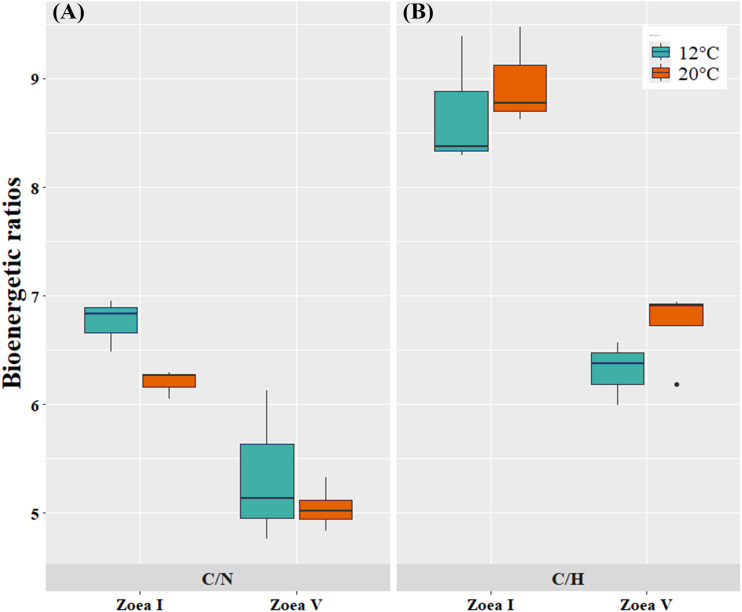 Figure 6
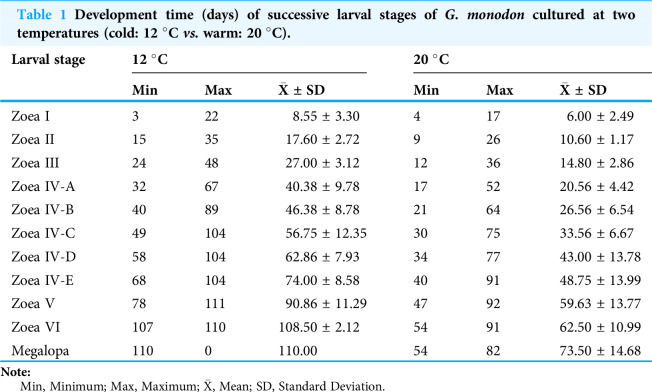 Figure 7
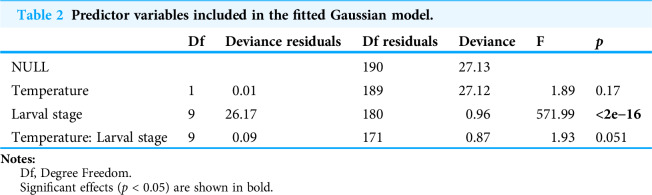 Figure 8
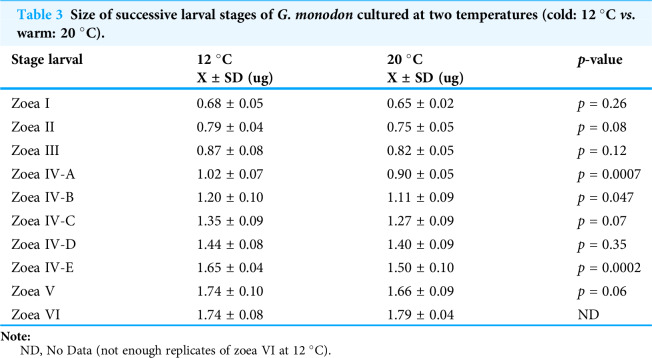 Figure 9
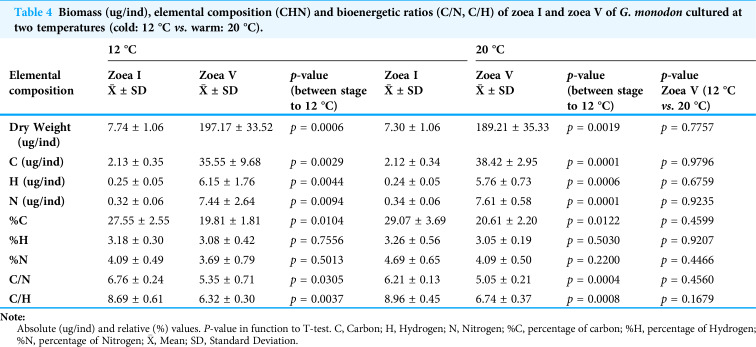 Figure 10
 Figure 11
 Figure 12
 Figure 13
 Figure 14
Peer Reviews
No public reviews on file for this paper yet. If you reviewed it on a platform where reviews are public (OpenReview, ICLR, NeurIPS, ICML), you can paste yours below so the community can read it here.
Videos
No videos yet. Explain this paper in a talk, walkthrough, or lecture? Add one.
Taxonomy
TopicsCrustacean biology and ecology · Aquaculture Nutrition and Growth · Marine and fisheries research