Rhizosheath Characteristics of Annual Ephemerals in Sandy and Gravelly Habitats of Northern Xinjiang Deserts
Yu Ding, Cheng Lv, Kangwei Jiang, Xinyu Xia, Zhiqing Zhang, Qingqing Zhang

TL;DR
This study explores how desert plants in northern Xinjiang form rhizosheaths, which help them absorb water and nutrients, and finds that sandy habitats support better rhizosheath development.
Contribution
The study identifies species-specific rhizosheath formation patterns in desert annuals and reveals that sandy habitats promote stronger rhizosheath traits.
Findings
15 annual ephemeral species in northern Xinjiang deserts form rhizosheaths, mostly from the Poaceae family.
Rhizosheath traits like length, diameter, and surface area are significantly greater in sandy habitats compared to gravelly ones.
Three species (Eremopyrum distans, Eremopyrum triticeum, and Eremopyrum orientale) form rhizosheaths in both sandy and gravelly habitats.
Abstract
The rhizosheath is an important root trait that plays a critical role in enhancing plant uptake of water and nutrients, contributing to the adaptation of plant species to specific environmental conditions. This study investigates the formation and characteristics of rhizosheaths in annual ephemeral plants in the desert environment of northern Xinjiang through systematic field surveys and comparative analyses. Key findings include: (1) A total of 67 annual ephemeral species were surveyed, with 15 species exhibiting distinct rhizosheath structures, predominantly from the Poaceae family. (2) Among the rhizosheath‐forming species, 11 were identified in sandy habitats, while 7 were found in gravelly habitats. Notably, three species (Eremopyrum distans, Eremopyrum triticeum , and Eremopyrum orientale) were observed to form rhizosheaths in both habitat types. Rhizosheath traits, such as…
Genes, proteins, chemicals, diseases, species, mutations and cell lines named across the full text — each resolved to its canonical identifier and authoritative record.
Click any figure to enlarge with its caption.
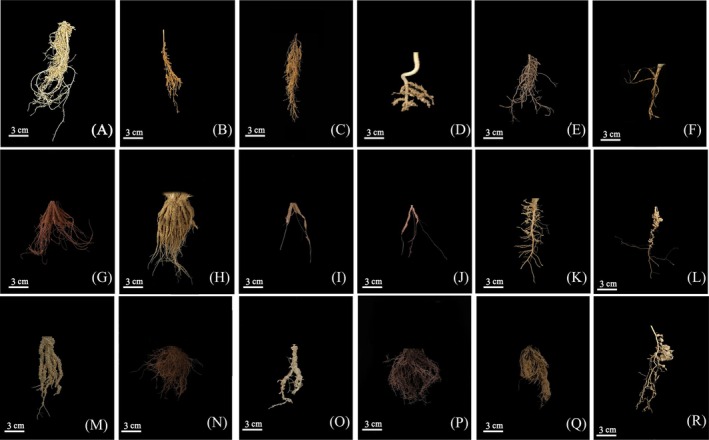 Figure 1
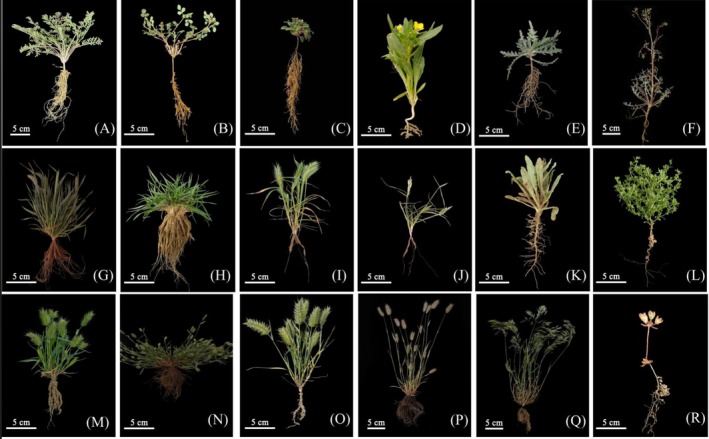 Figure 2
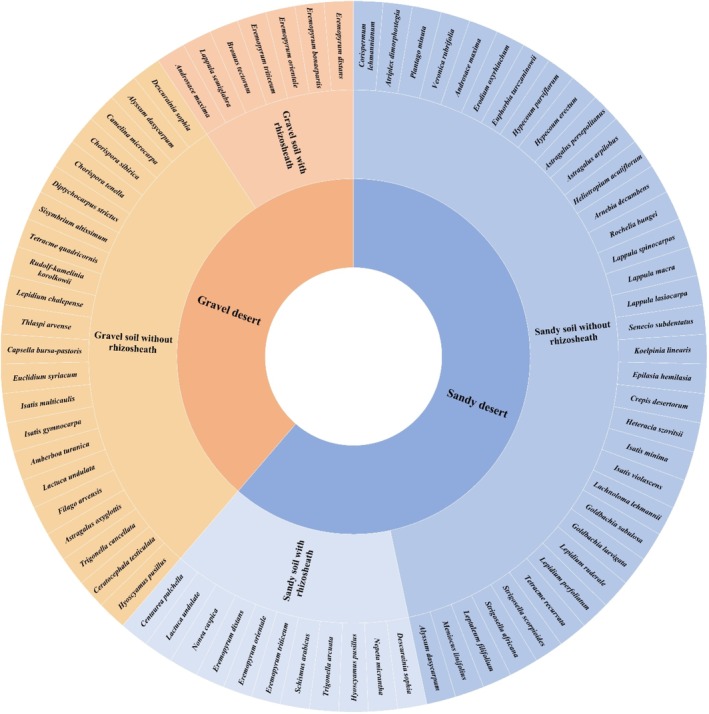 Figure 3
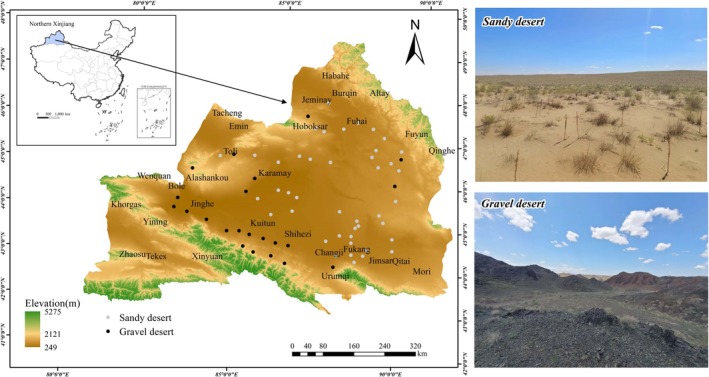 Figure 4
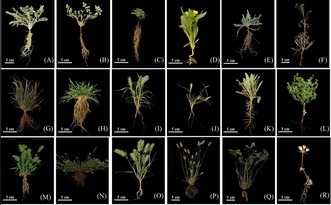 Figure 5
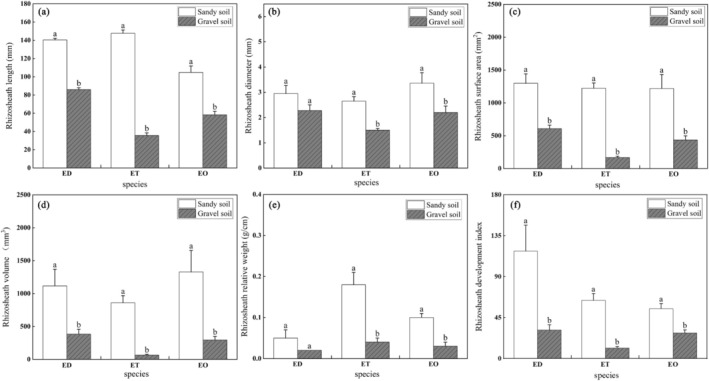 Figure 6
Peer Reviews
No public reviews on file for this paper yet. If you reviewed it on a platform where reviews are public (OpenReview, ICLR, NeurIPS, ICML), you can paste yours below so the community can read it here.
Videos
No videos yet. Explain this paper in a talk, walkthrough, or lecture? Add one.
Taxonomy
TopicsPlant Ecology and Soil Science · Forest, Soil, and Plant Ecology in China · Geology and Paleoclimatology Research