AnyBio – An easy off-the-shelf masked stereolithography bioprinter conversion combined with radical-scavenging strategies
Maj-Britt Buchholz, Nils Bessler, Anne C. Rios

TL;DR
This paper describes an affordable way to convert a 3D printer into a bioprinter for tissue engineering, using strategies to protect cells during printing.
Contribution
A low-cost conversion of a stereolithography printer into a bioprinter with radical-scavenging strategies for cell viability.
Findings
The converted printer can produce complex, perfusable architectures with high cell viability.
The method uses cell-friendly photon absorption and radical scavenging to optimize bioinks.
Instructions are provided for optimizing bioinks and printing conditions at low cost.
Abstract
Over the last two decades 3D bioprinting has gained momentum to fabricate tissue mimicking constructs serving as tissue models, animal-free drug screening platforms and tissue replacements for regenerative medicine. Recently, the focus has shifted towards the development of light-based bioprinting methods due to its high accuracy and absence of nozzle-induced shear stress on printed cells. However, light-based bioprinting equipment can be costly and photo-sensitive materials difficult to optimize. In this work, we present the conversion of a masked stereolithography printer into a heated, humidified, and easily sterilizable bioprinter, with minimal financial investment (<350 € including purchase of the printer). We provide instructions on how to optimize bioinks and printing conditions and explore novel bioresin additives utilizing cell-friendly photon absorption and radical scavenging…
Genes, proteins, chemicals, diseases, species, mutations and cell lines named across the full text — each resolved to its canonical identifier and authoritative record.
Click any figure to enlarge with its caption.
 Figure 1
 Figure 2
 Figure 3
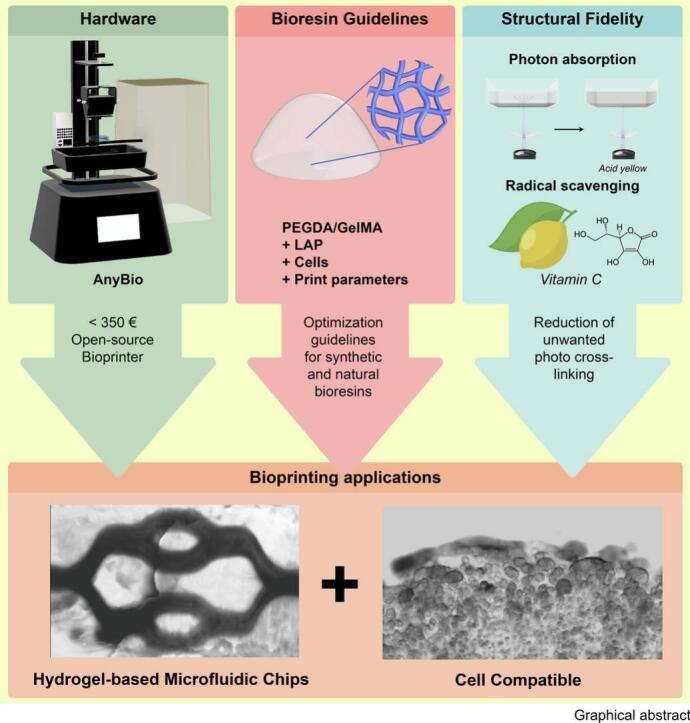 Figure 4
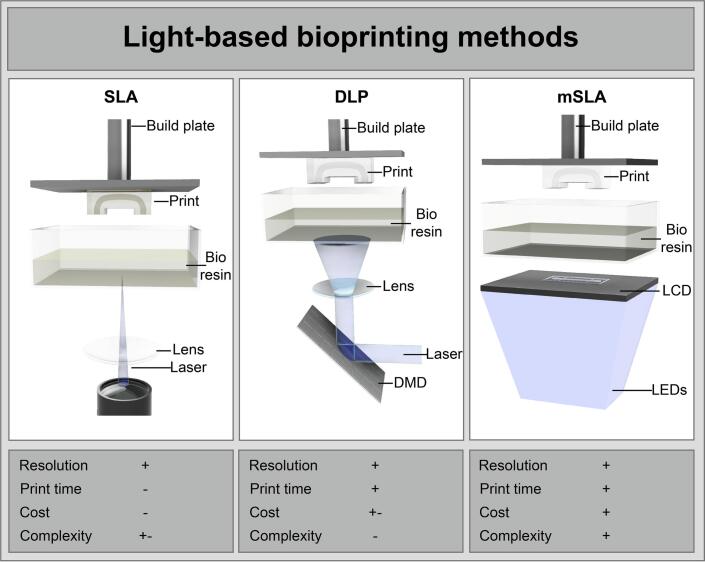 Figure 5
 Figure 6
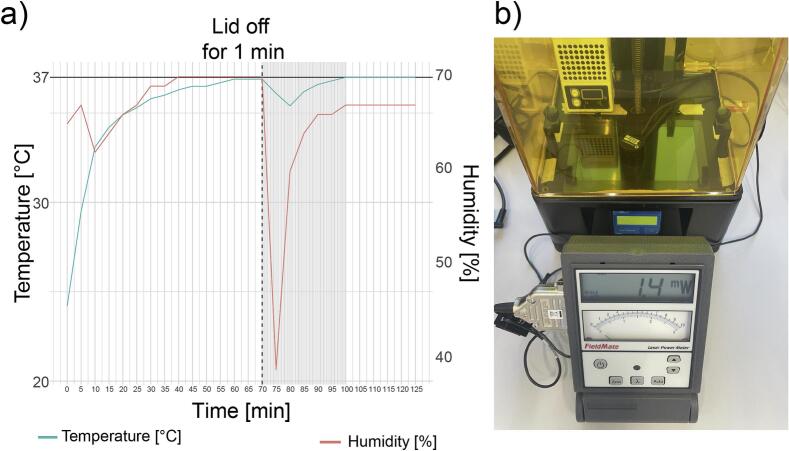 Figure 7
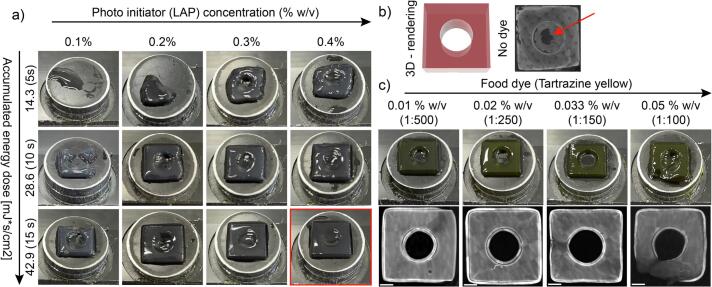 Figure 8
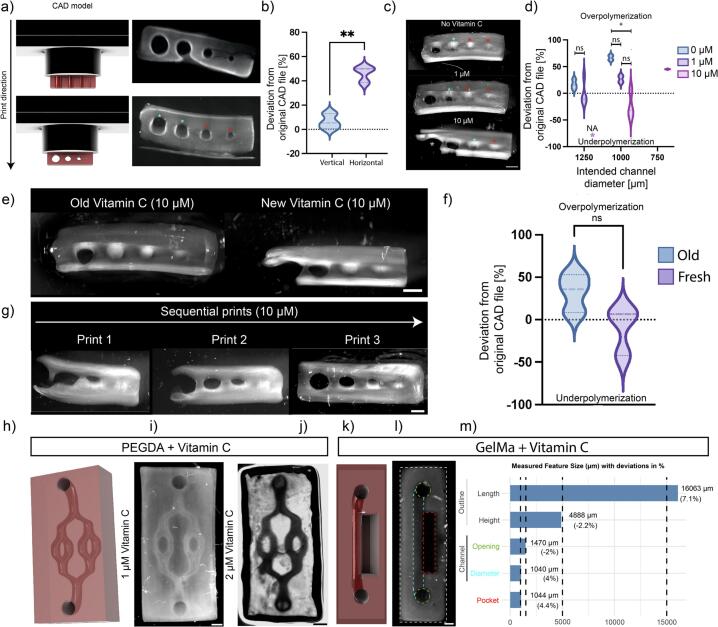 Figure 9
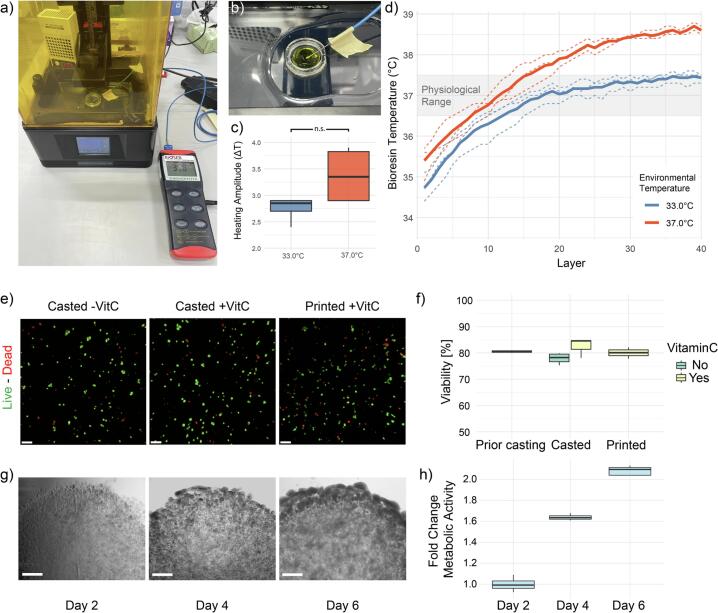 Figure 10
 Figure 11
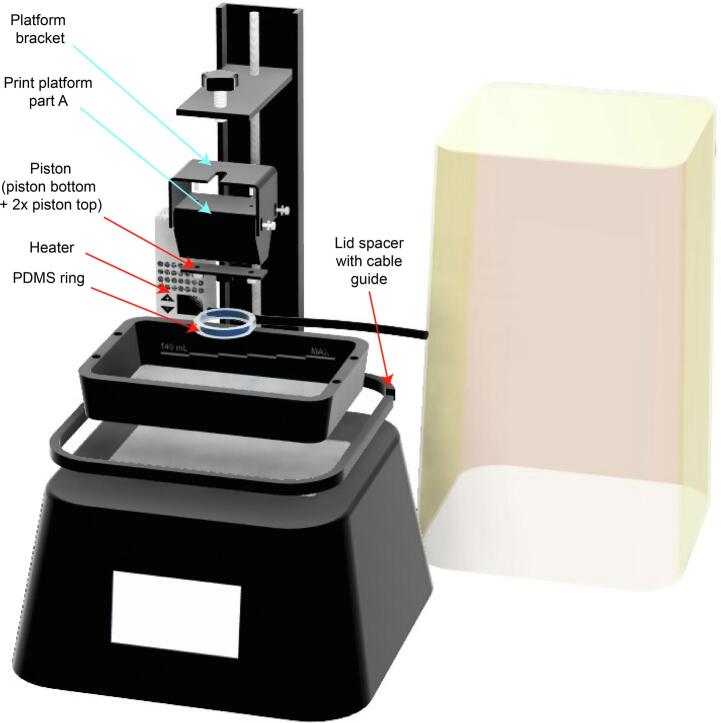 Figure 12
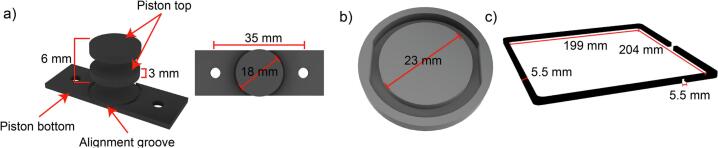 Figure 13
 Figure 14
 Figure 15
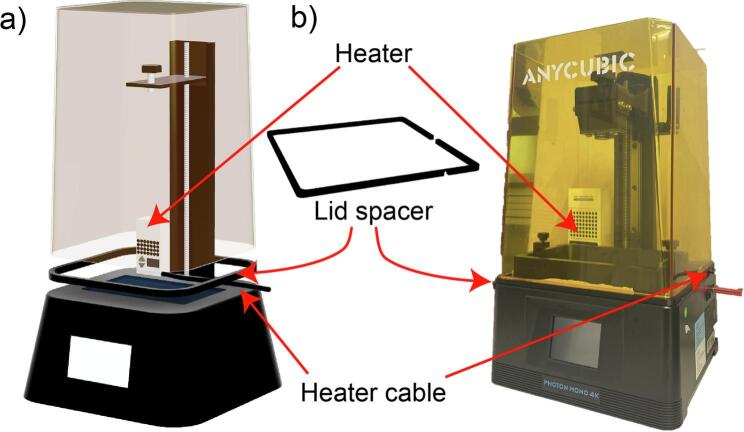 Figure 16
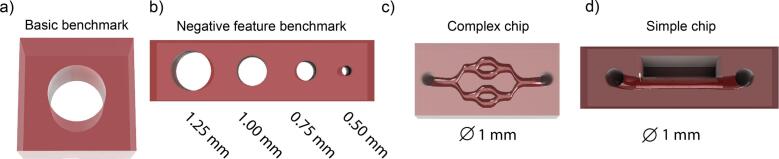 Figure 17
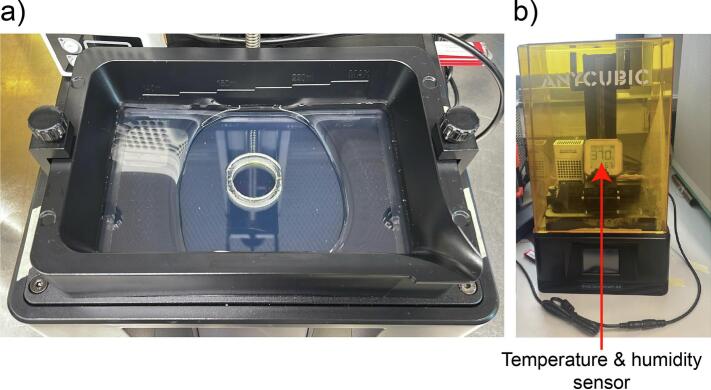 Figure 18
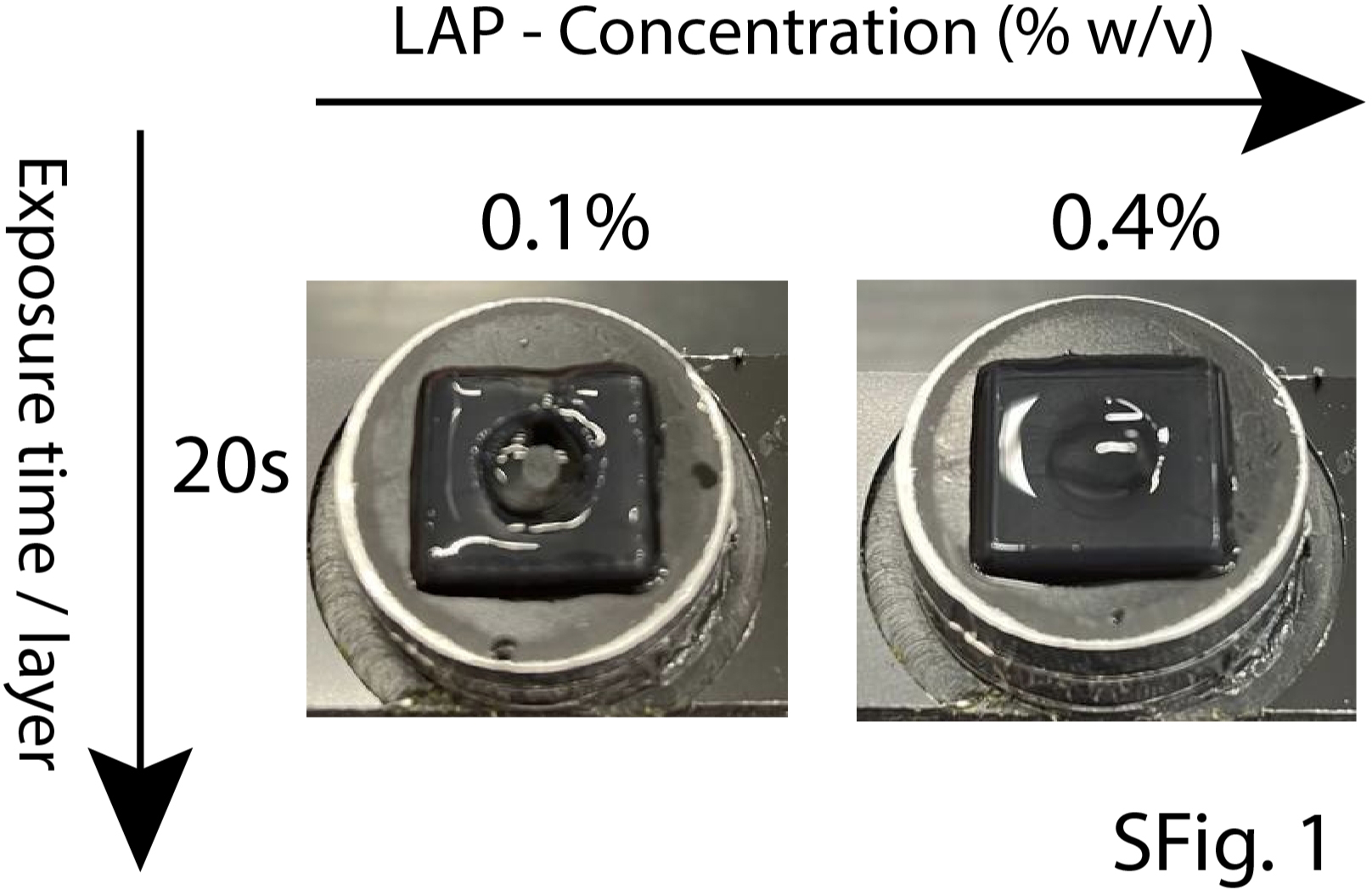 Figure 19
Peer Reviews
No public reviews on file for this paper yet. If you reviewed it on a platform where reviews are public (OpenReview, ICLR, NeurIPS, ICML), you can paste yours below so the community can read it here.
Videos
No videos yet. Explain this paper in a talk, walkthrough, or lecture? Add one.
Taxonomy
Topics3D Printing in Biomedical Research · Additive Manufacturing and 3D Printing Technologies · Bone Tissue Engineering Materials