Multi-omics-informed hydrogel design: modulating IL-6 to reduce endoplasmic reticulum stress in bone regeneration
Jiannan Zhou, Jingtao Dai, Shixian Hu, Cancan Qi, Jiahao Chen, Wentai Zhang, Dorothea Alexander, An Li, Yin Xiao, Ping Li

TL;DR
This study uses multi-omics data to design a hydrogel that delivers IL-6 to reduce stress in cells and improve bone healing in difficult-to-treat areas.
Contribution
A novel gelatin-based hydrogel was developed to locally deliver IL-6 for enhanced bone regeneration in femoral defects.
Findings
High IL-6 in M2 macrophages reduces endoplasmic reticulum stress and prevents cell death during alveolar bone healing.
The hydrogel significantly improved femoral bone regeneration by modulating ERS and hematoma responses.
Multi-omics analysis identified site-specific differences in bone healing that informed hydrogel design.
Abstract
Post-traumatic bone healing exhibits significant heterogeneity, especially in different injury sites. Notably, bone healing progresses more rapidly in alveolar bone defects compared to the slower repair process observed in femoral bone. Given this physiological phenomenon, understanding site-specific differences is crucial for designing functional biomaterials to enhance bone regeneration. This study, via multi-omics analysis, identified the pivotal role of high interleukin-6 (IL-6) expressing alternatively activated (M2) macrophages in early alveolar bone healing. It was found that IL-6 level in M2 macrophages could modulate heat shock protein family A member 5, alleviating endoplasmic reticulum stress (ERS) and preventing apoptosis, thereby promoting bone regeneration. Based on these findings, a gelatin-based porous hydrogel optimized for localized IL-6 delivery was further developed…
Genes, proteins, chemicals, diseases, species, mutations and cell lines named across the full text — each resolved to its canonical identifier and authoritative record.
Click any figure to enlarge with its caption.
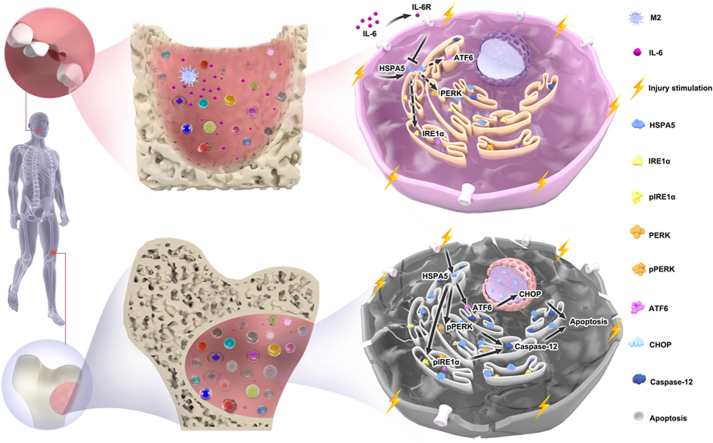 Figure 1
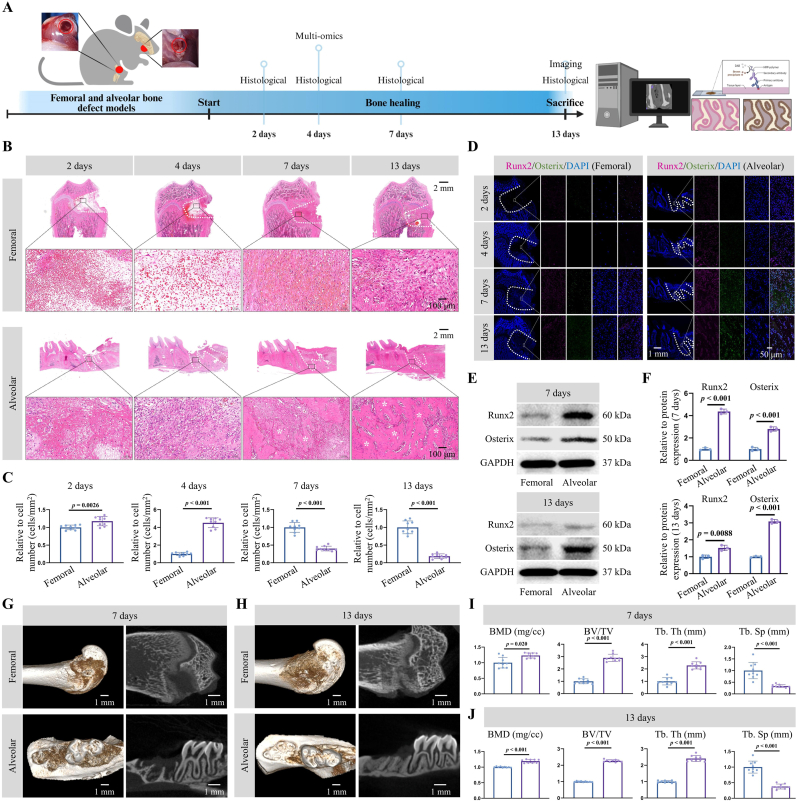 Figure 2
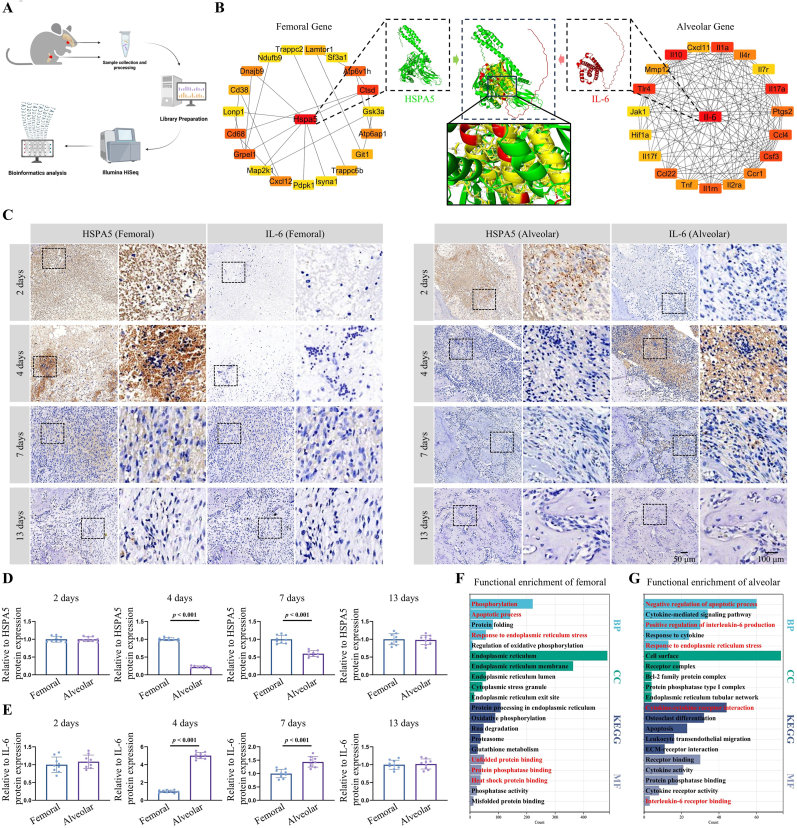 Figure 3
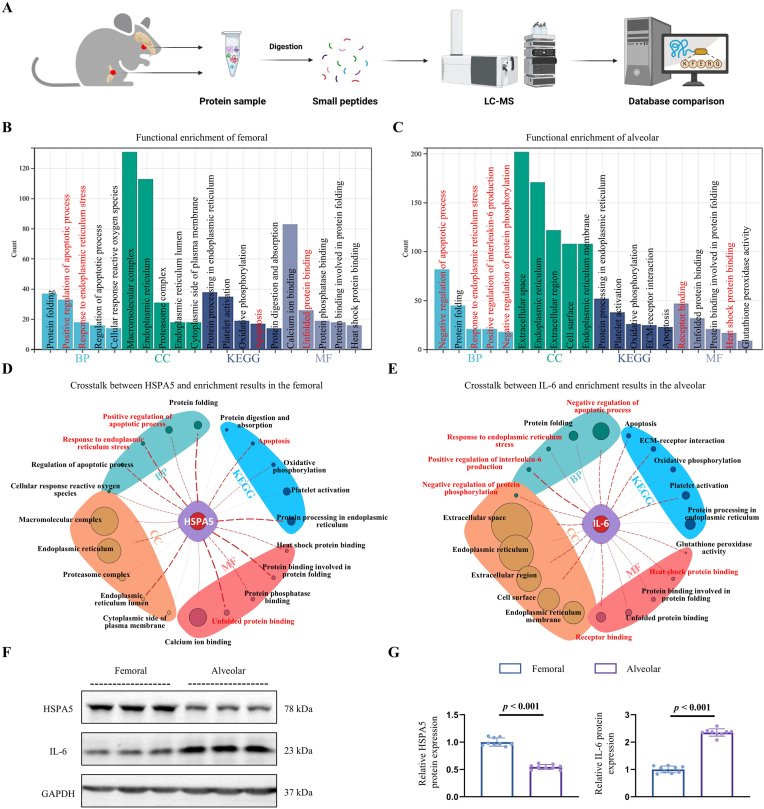 Figure 4
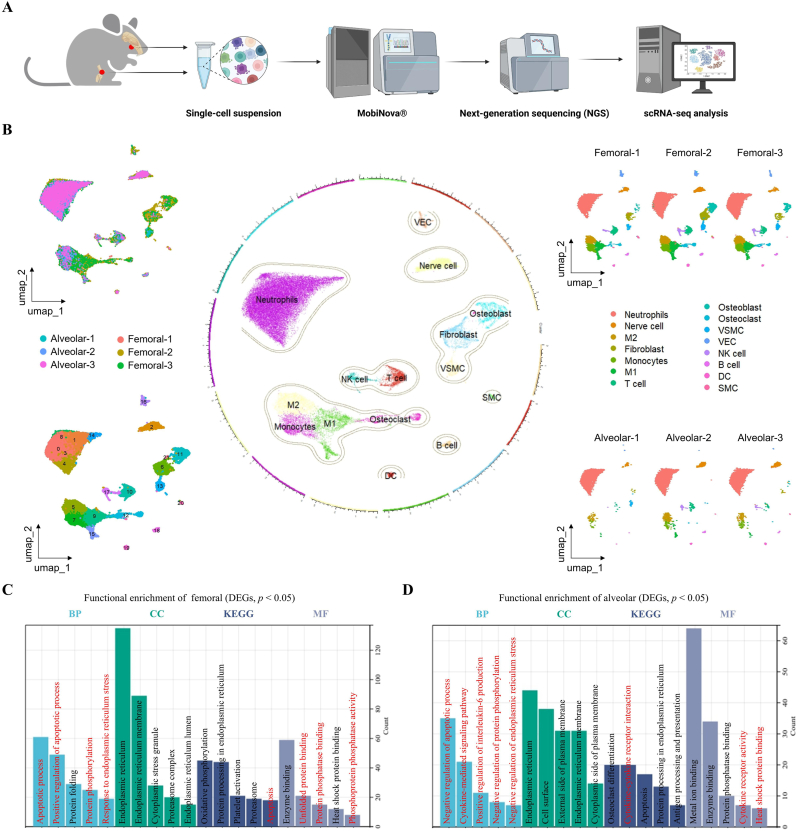 Figure 5
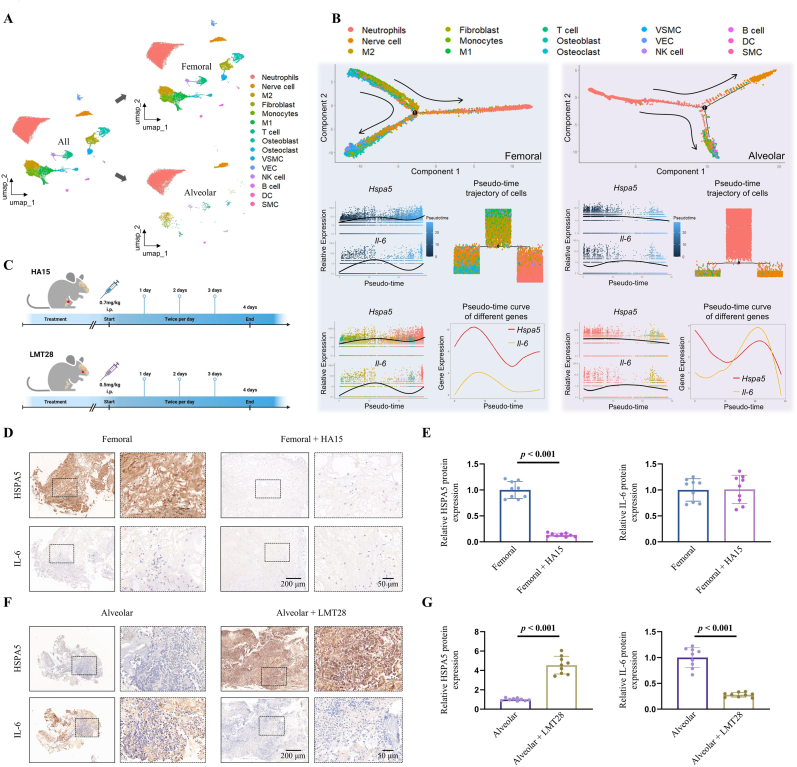 Figure 6
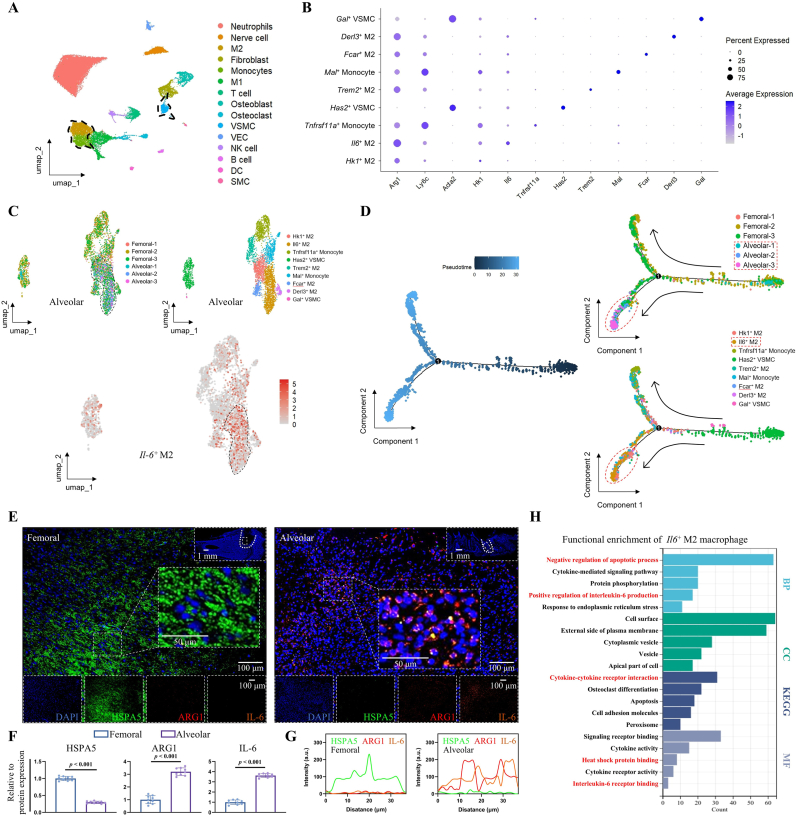 Figure 7
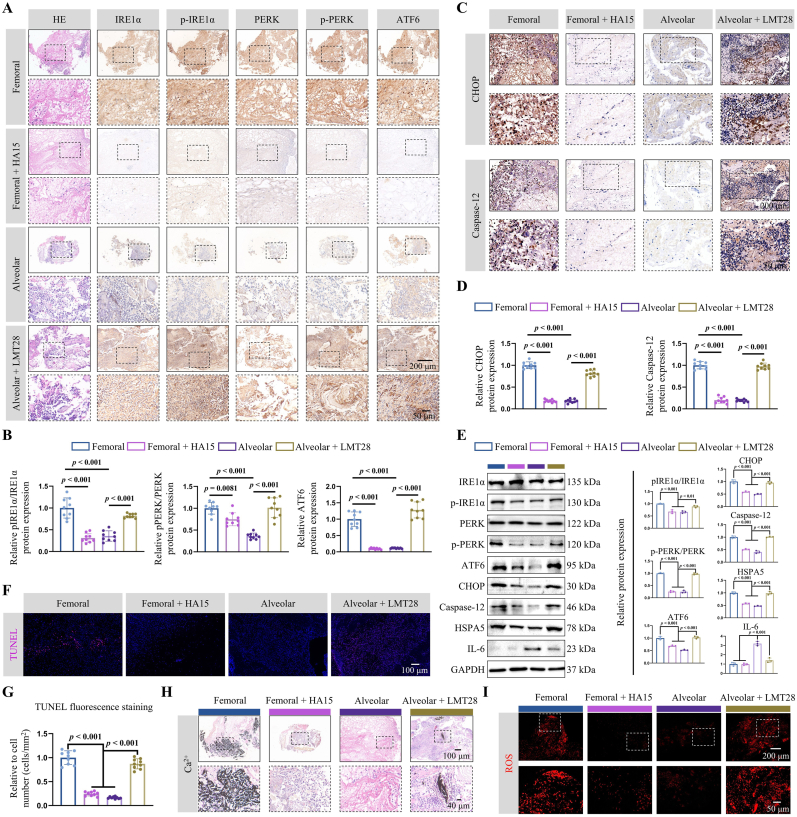 Figure 8
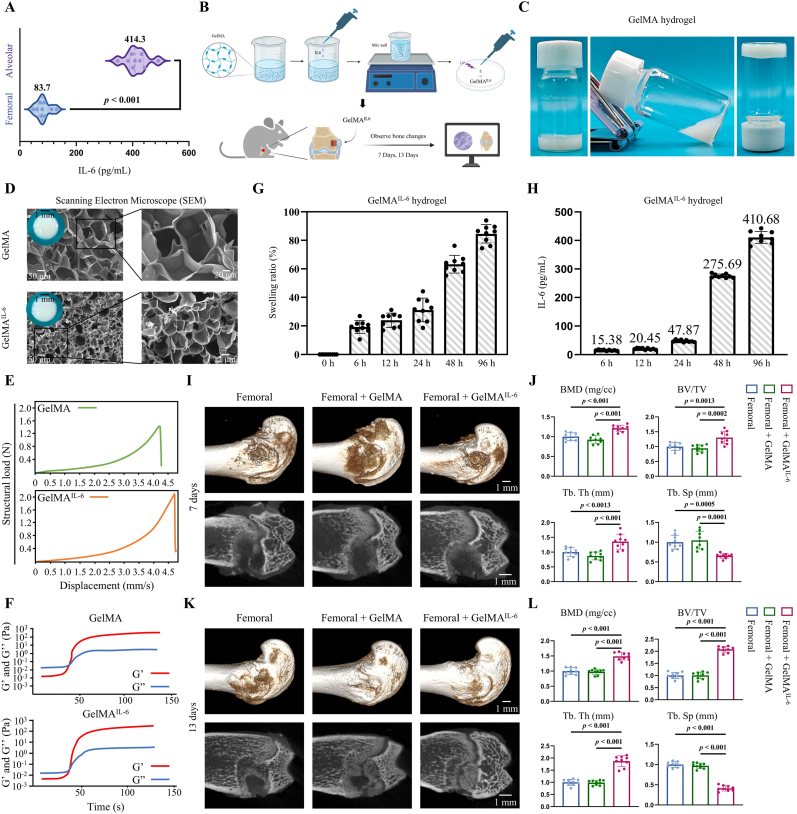 Figure 9
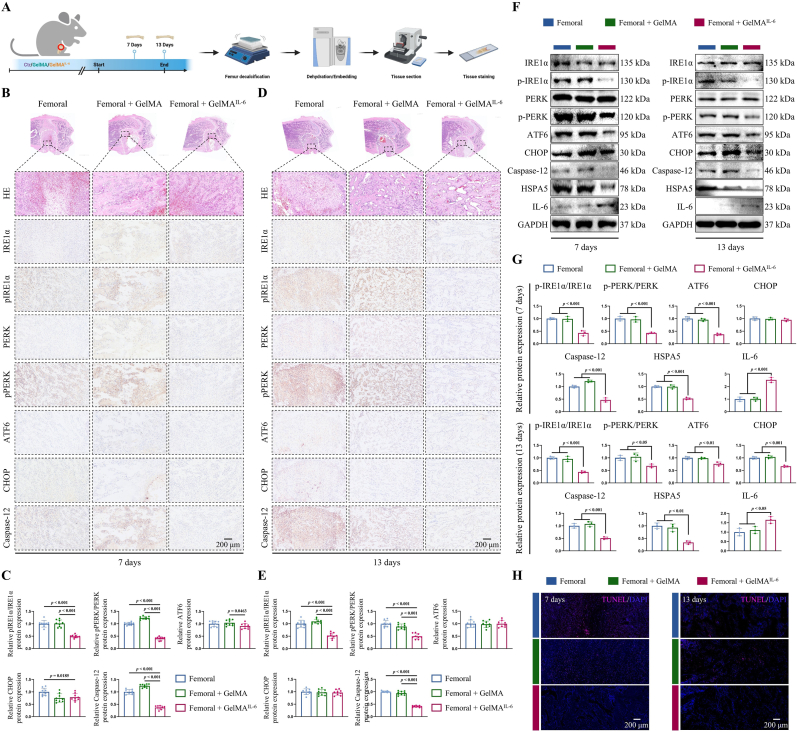 Figure 10
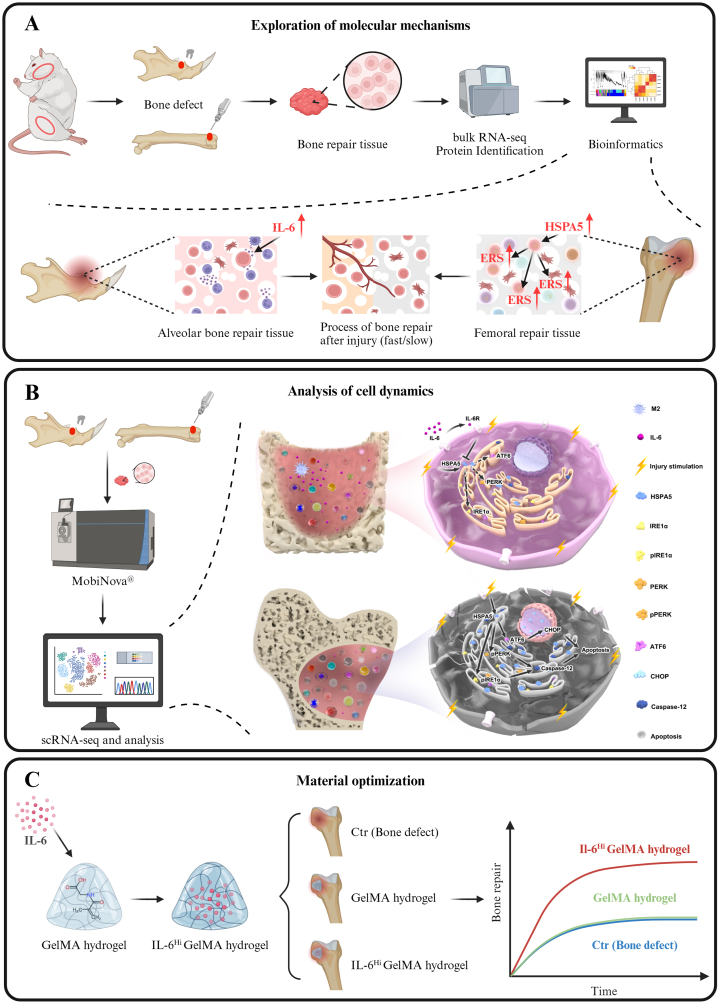 Figure 11
Peer Reviews
No public reviews on file for this paper yet. If you reviewed it on a platform where reviews are public (OpenReview, ICLR, NeurIPS, ICML), you can paste yours below so the community can read it here.
Videos
No videos yet. Explain this paper in a talk, walkthrough, or lecture? Add one.
Taxonomy
TopicsRNA modifications and cancer · Neurogenetic and Muscular Disorders Research · Extracellular vesicles in disease