Vertical ex vivo dermoscopy in diagnosing and differentiating skin lesions
Mirjana Popadić, Dimitrije Brasanac, Danijela Milošev, Ana Ravić Nikolić, Slobodanka Mitrović

TL;DR
This study explores how vertical ex vivo dermoscopy helps diagnose and differentiate benign pigmented skin lesions from other types of skin lesions.
Contribution
The study introduces and evaluates the diagnostic value of vertical ex vivo dermoscopy for benign pigmented skin lesions.
Findings
Vertical ex vivo dermoscopy helps distinguish blue nevus, seborrheic keratosis, and angioma from other skin lesions.
Seborrheic keratosis showed the most variable appearance in vertical ex vivo dermoscopy.
The method allows for more accurate assessment of additional lesional characteristics.
Abstract
Publications on vertical ex vivo dermoscopy of skin lesions are sporadic and present only as case reports. This study defines, describes, and determines the importance of structures visible by vertical ex vivo dermoscopy in the diagnosis of pigmented, benign skin lesions and their distinction between themselves, and in relation to other skin lesions. The prospective, descriptive study was conducted in two University centers. Digital images of completely excised skin lesions, fixed in formalin before further processing, were evaluated dermoscopically. For the analysis of horizontal ex vivo dermoscopy, pattern analysis was used, while for the vertical section, a description of the visible structures was made. The research sample consisted of 80 benign pigmented skin lesions obtained from 73 patients. Histopathological diagnosis of the evaluated lesions included 59 nevi, 17 seborrheic…
Genes, proteins, chemicals, diseases, species, mutations and cell lines named across the full text — each resolved to its canonical identifier and authoritative record.
Click any figure to enlarge with its caption.
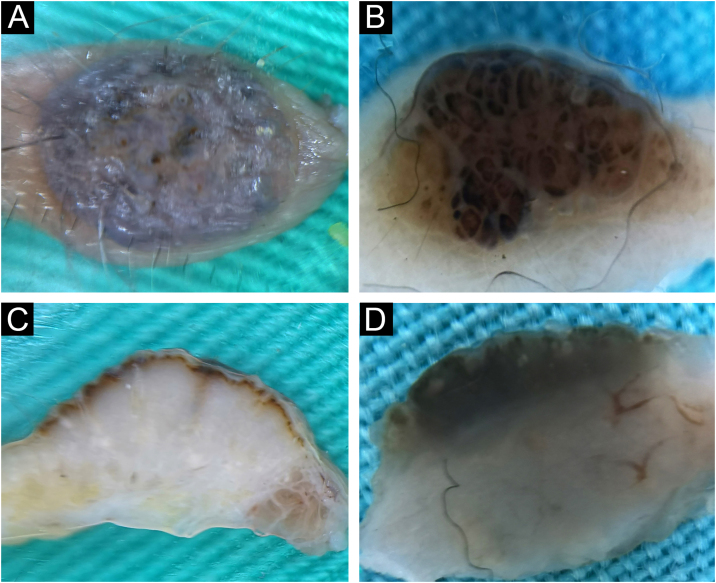 Figure 1
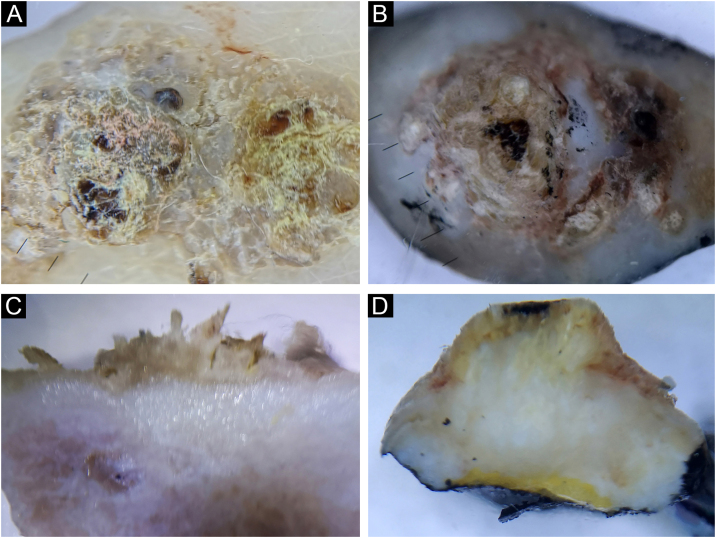 Figure 2
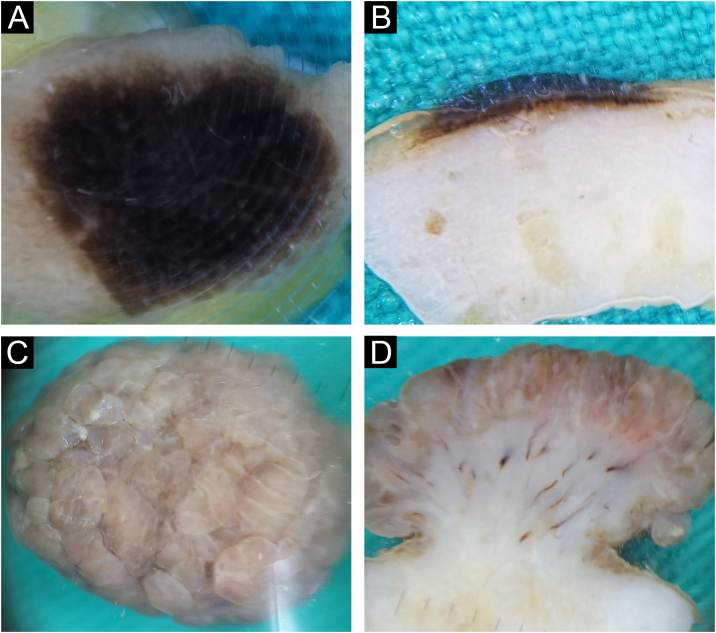 Figure 3
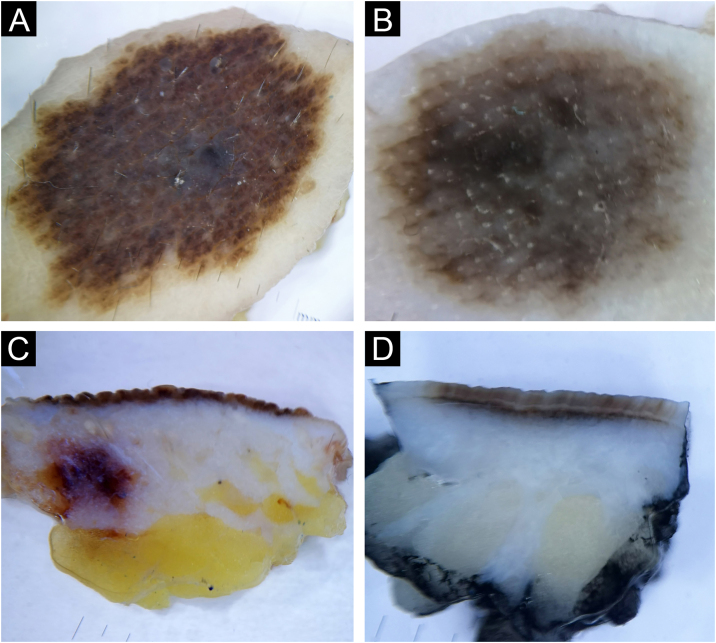 Figure 4
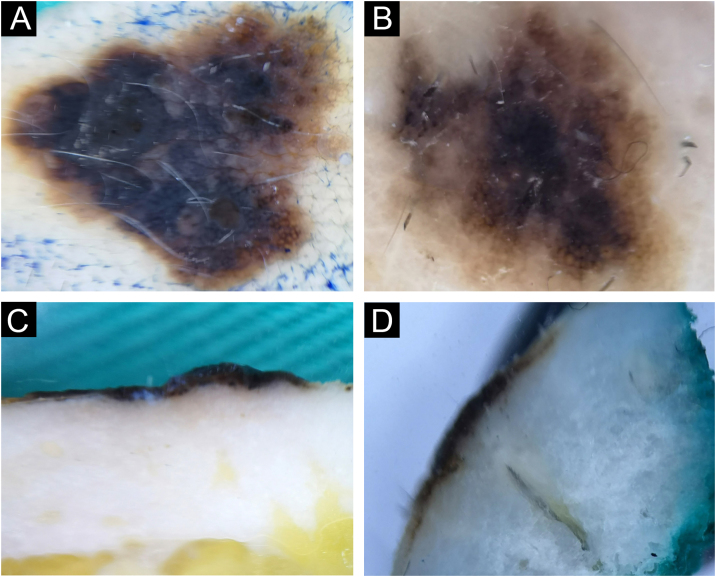 Figure 5
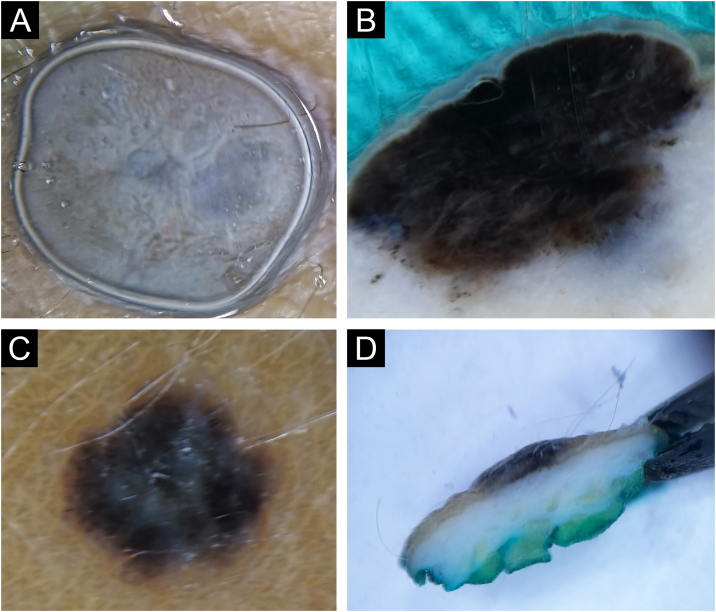 Figure 6
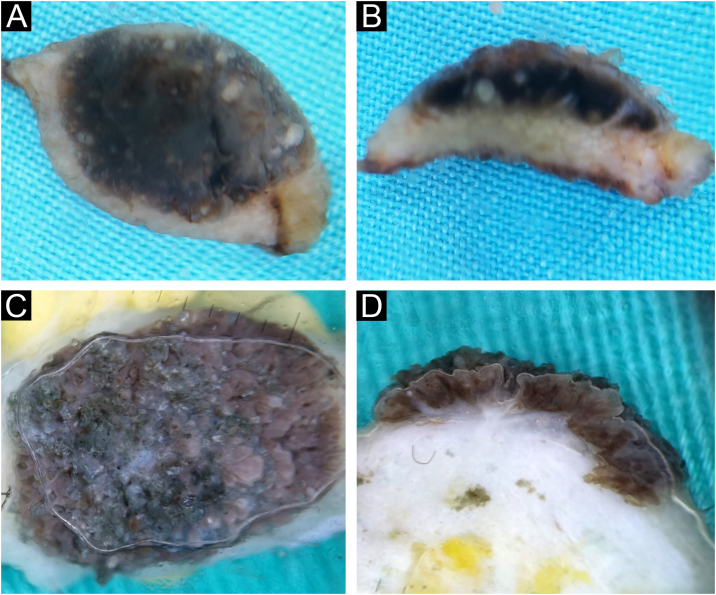 Figure 7
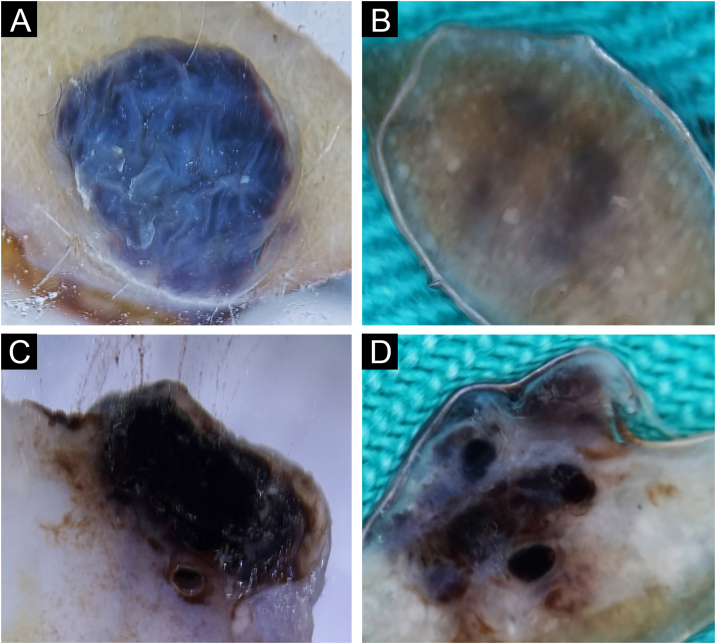 Figure 8
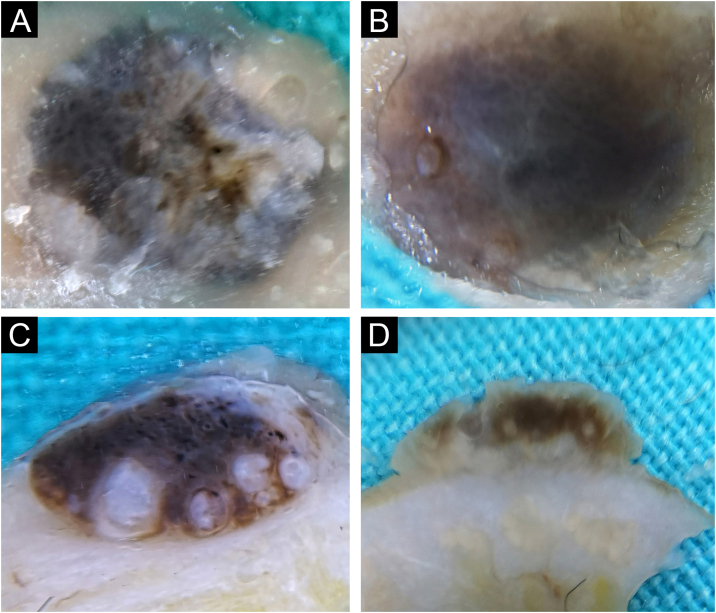 Figure 9
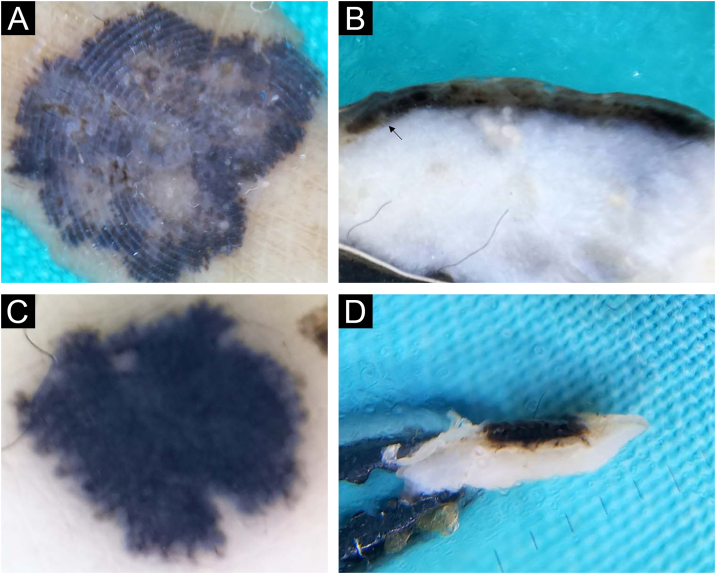 Figure 10
Peer Reviews
No public reviews on file for this paper yet. If you reviewed it on a platform where reviews are public (OpenReview, ICLR, NeurIPS, ICML), you can paste yours below so the community can read it here.
Videos
No videos yet. Explain this paper in a talk, walkthrough, or lecture? Add one.
Taxonomy
TopicsCutaneous Melanoma Detection and Management · Cutaneous lymphoproliferative disorders research · Nonmelanoma Skin Cancer Studies