Smart Continence Care for People With Profound Intellectual and Multiple Disabilities Within Dutch Residential Care Facilities: Economic Evaluation Alongside a Cluster Randomized Trial
Vivette JC van Cooten, Ghislaine APG van Mastrigt, Andrea Gabrio, Silvia MAA Evers, Marieke FM Gielissen, Brigitte Boon

TL;DR
A study in the Netherlands evaluated a smart continence care system for people with profound disabilities and found it more expensive but less effective at reducing leaks, though it reduced the number of incontinence material changes.
Contribution
This is the first economic evaluation of smart continence care technology in residential settings for people with profound intellectual and multiple disabilities.
Findings
Smart continence care was found to be less effective at reducing weekly leakages compared to regular care.
The technology reduced the number of incontinence material changes but did not save time for caregivers.
Cost-utility analysis showed high uncertainty, with mixed results across different scenarios.
Abstract
Persons with profound intellectual and multiple disabilities in residential care facilities may benefit from smart continence care (SCC), which is incontinence material (IM) with integrated sensors that notify caregivers when the IM is saturated and requires changing. SCC aims to reduce weekly leakages and improve the quality of life. Given the growing demand for health care services and the decreasing workforce, it is essential to assess the cost-effectiveness and cost-utility of such technologies. This economic evaluation was conducted alongside a cluster randomized trial across 6 care organizations in the Netherlands. The incremental cost-effectiveness ratio (ICER) was expressed as the additional societal costs of SCC in relation to a reduction in weekly leakages. The incremental cost-utility ratio used Quality Adjusted Life Years measured via the EQ-5D-5L proxy 1 version.…
Genes, proteins, chemicals, diseases, species, mutations and cell lines named across the full text — each resolved to its canonical identifier and authoritative record.
Click any figure to enlarge with its caption.
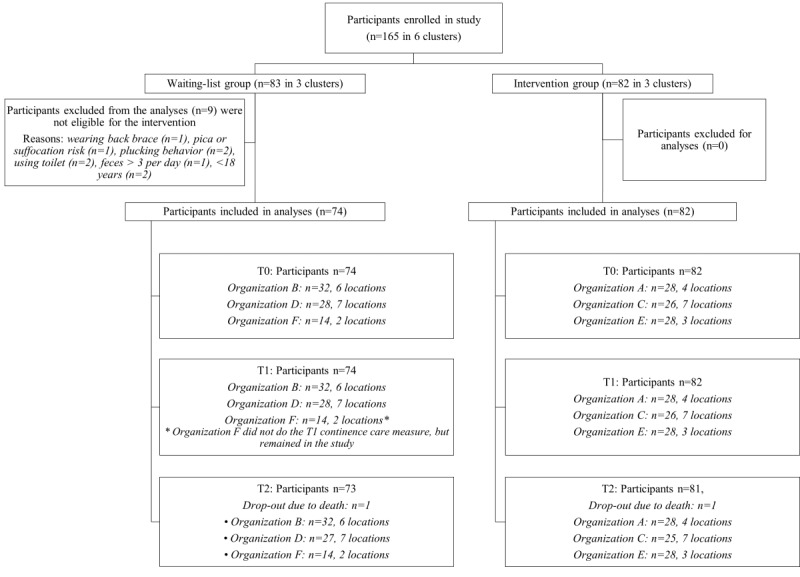 Figure 1
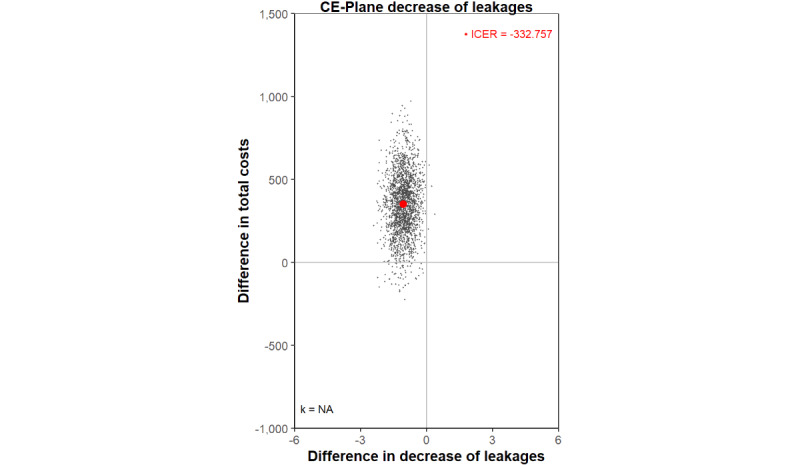 Figure 2
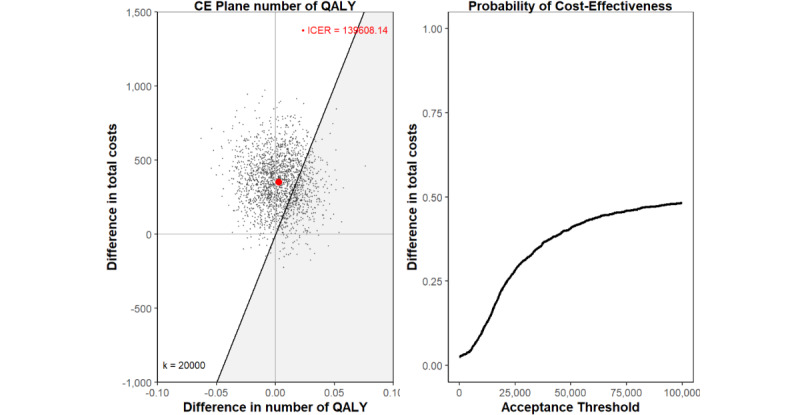 Figure 3
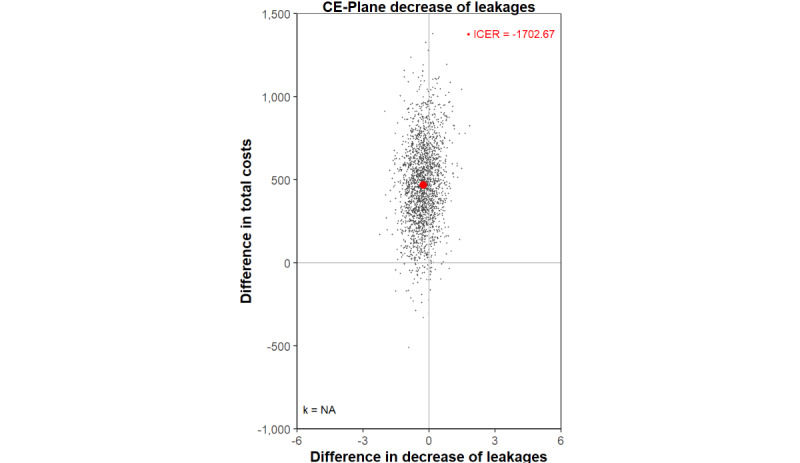 Figure 4
Peer Reviews
No public reviews on file for this paper yet. If you reviewed it on a platform where reviews are public (OpenReview, ICLR, NeurIPS, ICML), you can paste yours below so the community can read it here.
Videos
No videos yet. Explain this paper in a talk, walkthrough, or lecture? Add one.
Taxonomy
TopicsHealth Systems, Economic Evaluations, Quality of Life · Geriatric Care and Nursing Homes · Frailty in Older Adults