Cardiovascular Risk Profiles of Individuals with Bruxism: A Case-Control Study Using QRISK3 Scores
Tolga Bayar, Sezer Markirt, Kadir Bıyıklı, Veysi Kavalcı, Mehmet Bozkurt, Mustafa Utkun, Erkan Markirt, Deniz Merde Özdemir, Sabri Abuş

TL;DR
People with bruxism have higher estimated 10-year cardiovascular disease risk compared to matched controls, even after adjusting for other risk factors.
Contribution
This is the first study to use the QRISK3 algorithm to quantify cardiovascular risk in individuals with bruxism.
Findings
Bruxism patients had significantly higher mean QRISK3 scores than controls.
Bruxism severity correlated moderately with QRISK3 scores.
Bruxism remained an independent predictor of high CVD risk after adjusting for multiple factors.
Abstract
Introduction: Bruxism has been linked to autonomic dysregulation and systemic inflammation-mechanisms that may elevate cardiovascular disease (CVD) risk. However, no study to date has applied a validated risk‐prediction model to quantify this risk in bruxism patients. This study aims to compare 10-year CVD risk, as estimated by the QRISK3 algorithm, between adults with bruxism and matched controls, and to assess the relationship between bruxism severity and cardiovascular risk. Methods: We conducted a cross‐sectional, matched case-control study recruiting 92 adults (25-65 years) with clinically diagnosed bruxism and 108 non-bruxing controls matched for age (±2 years), sex, body‐mass index (BMI) (±1 kg/m²), smoking status, hypertension, and diabetes. Bruxism severity was measured via the eight-item Bruxism Severity Questionnaire (BSQ). Ten-year CVD risk was calculated using QRISK3…
Genes, proteins, chemicals, diseases, species, mutations and cell lines named across the full text — each resolved to its canonical identifier and authoritative record.
Click any figure to enlarge with its caption.
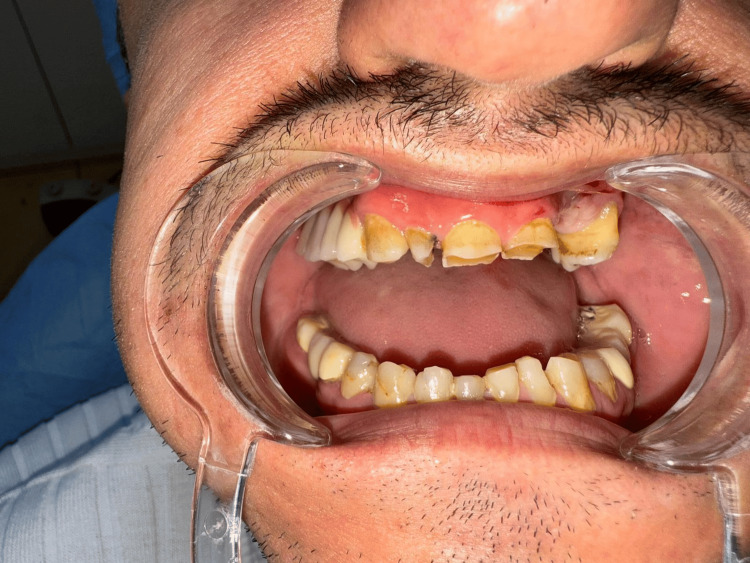 Figure 1
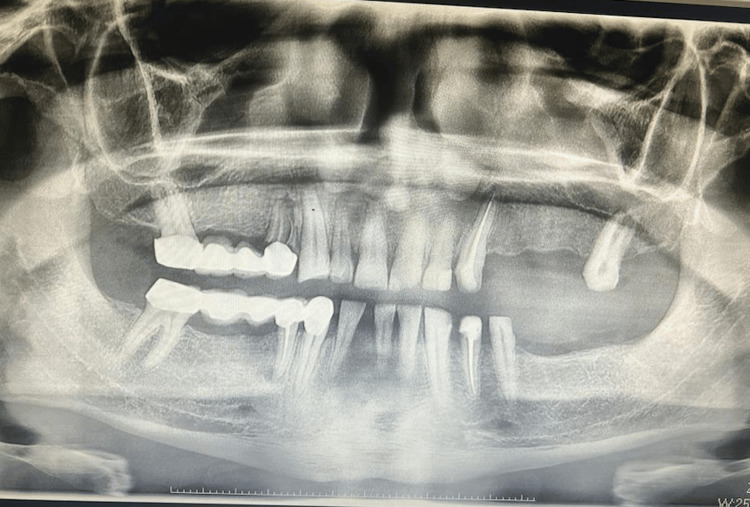 Figure 2
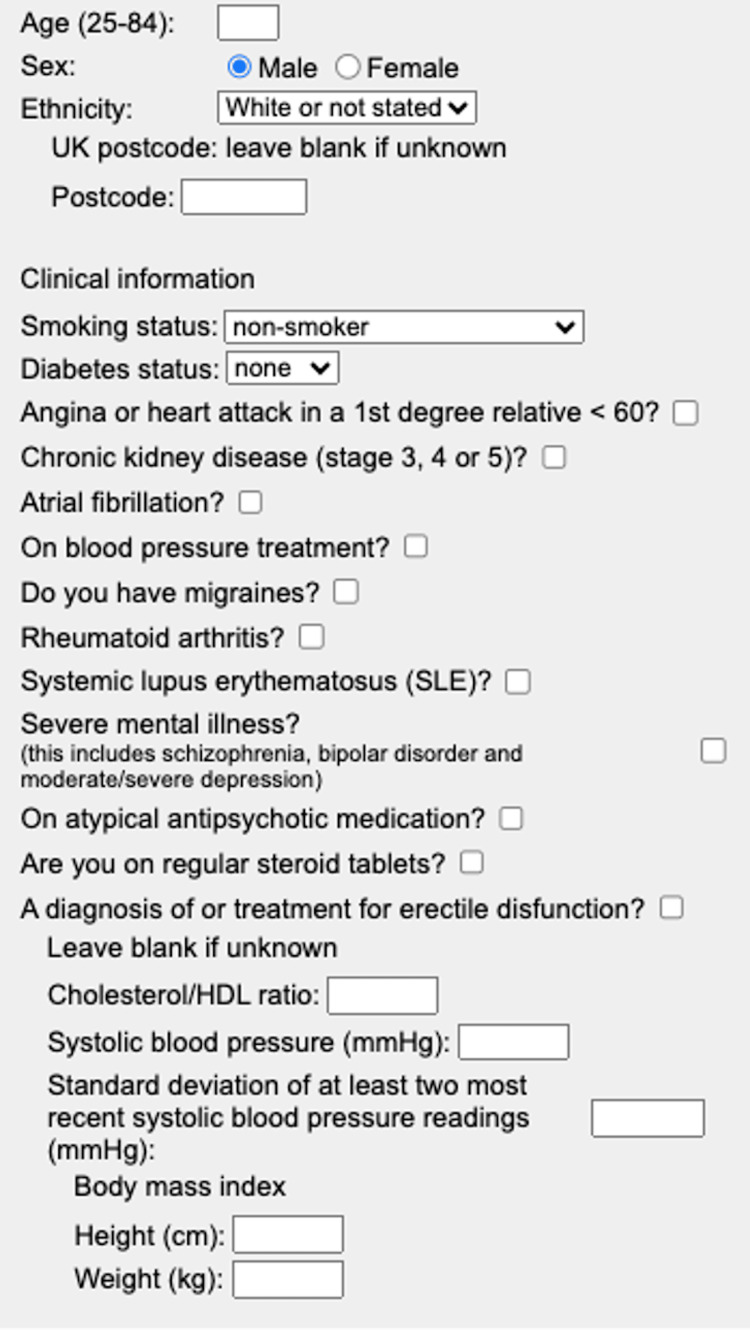 Figure 3
Peer Reviews
No public reviews on file for this paper yet. If you reviewed it on a platform where reviews are public (OpenReview, ICLR, NeurIPS, ICML), you can paste yours below so the community can read it here.
Videos
No videos yet. Explain this paper in a talk, walkthrough, or lecture? Add one.
Taxonomy
TopicsTemporomandibular Joint Disorders · Transcranial Magnetic Stimulation Studies · Oropharyngeal Anatomy and Pathologies