TRIM35, a novel DNA-binding protein, epigenetically modifies H3 to promote HSPA6 transcription and suppress breast cancer progression
Xintao Jing, Fang Li, Jing Zhou, Jinyuan Zhang, Li Cao, Chen Guo, Qian Li, Hang Peng, Qiuyu Jiang, Xiaofei Wang, Yanke Chen, Jiangbo Ding, Dongdong Tong, Zhenghang Zhao, Chen Huang

TL;DR
TRIM35 acts as a DNA-binding protein that modifies histone H3 to activate HSPA6, which helps suppress breast cancer progression.
Contribution
TRIM35 is identified as a novel DNA-binding protein that epigenetically regulates gene transcription through histone modification.
Findings
TRIM35 directly binds genomic promoters and regulates gene transcription.
TRIM35 catalyzes non-proteolytic ubiquitination of histone H3, recruiting p300 and promoting H3K27 acetylation.
TRIM35-mediated upregulation of HSPA6 suppresses breast cancer progression.
Abstract
Tripartite Motif Containing 35 (TRIM35) is a well-characterized ubiquitin ligase with established roles in antiviral immunity, cancer metabolism, cardiovascular function, and tumor progression. However, its function as a DNA-binding protein has not been previously explored. In this study, we provide the first evidence that TRIM35 directly binds genomic promoters, thereby identifying it as a novel regulator of gene transcription. This finding opens new avenues for understanding the biological functions of TRIM35, expanding its potential role in cellular regulation. Furthermore, our results show that TRIM35 interacts with histone H3 (H3) and catalyzes its non-proteolytic ubiquitination, which serves as a recruitment signal for p300, leading to subsequent H3K27 acetylation and activation of gene transcription. Notably, among the genes regulated, Heat Shock Protein Family A (Hsp70) Member 6…
Genes, proteins, chemicals, diseases, species, mutations and cell lines named across the full text — each resolved to its canonical identifier and authoritative record.
Click any figure to enlarge with its caption.
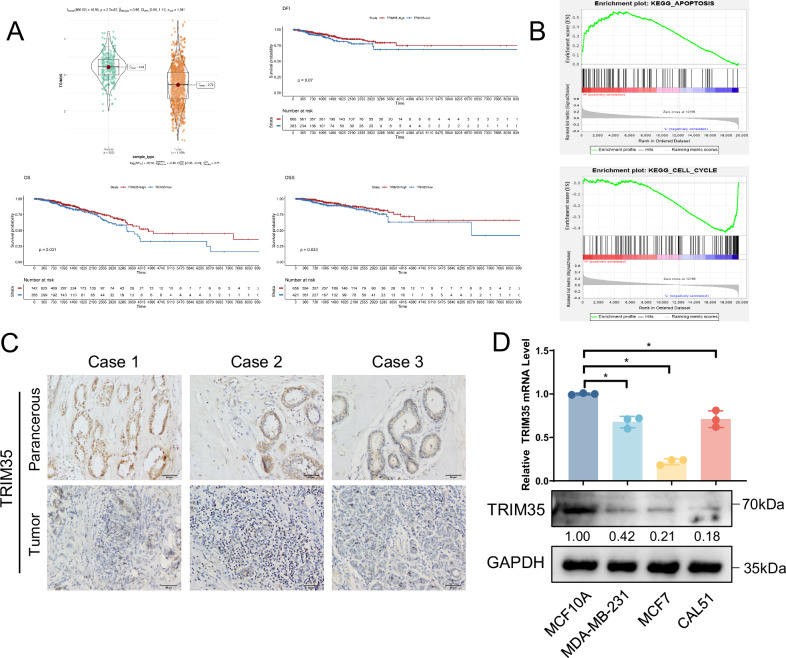 Figure 1
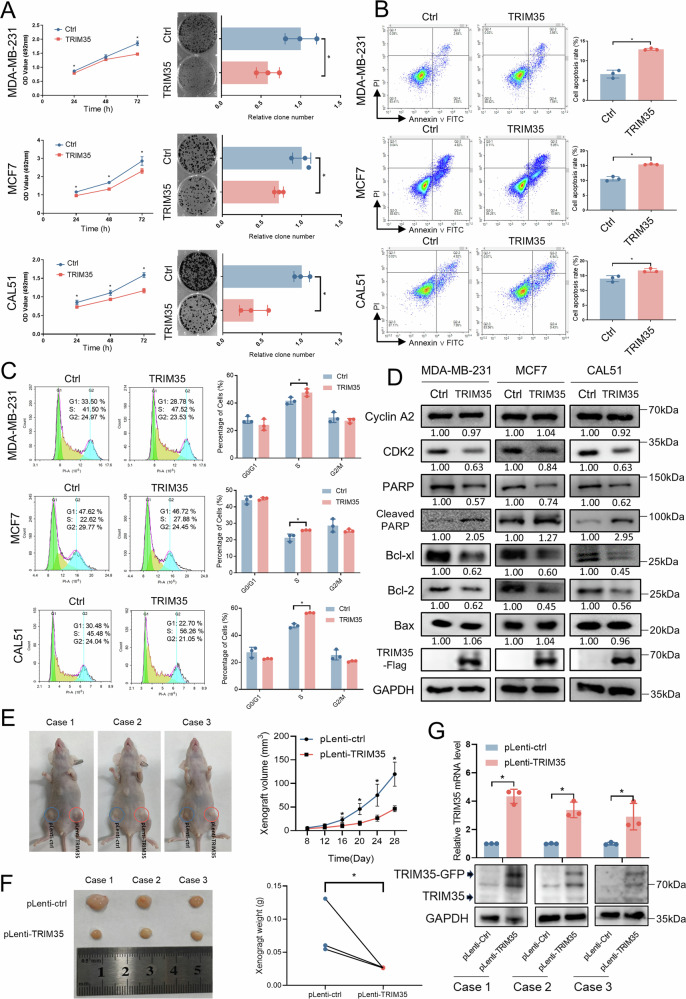 Figure 2
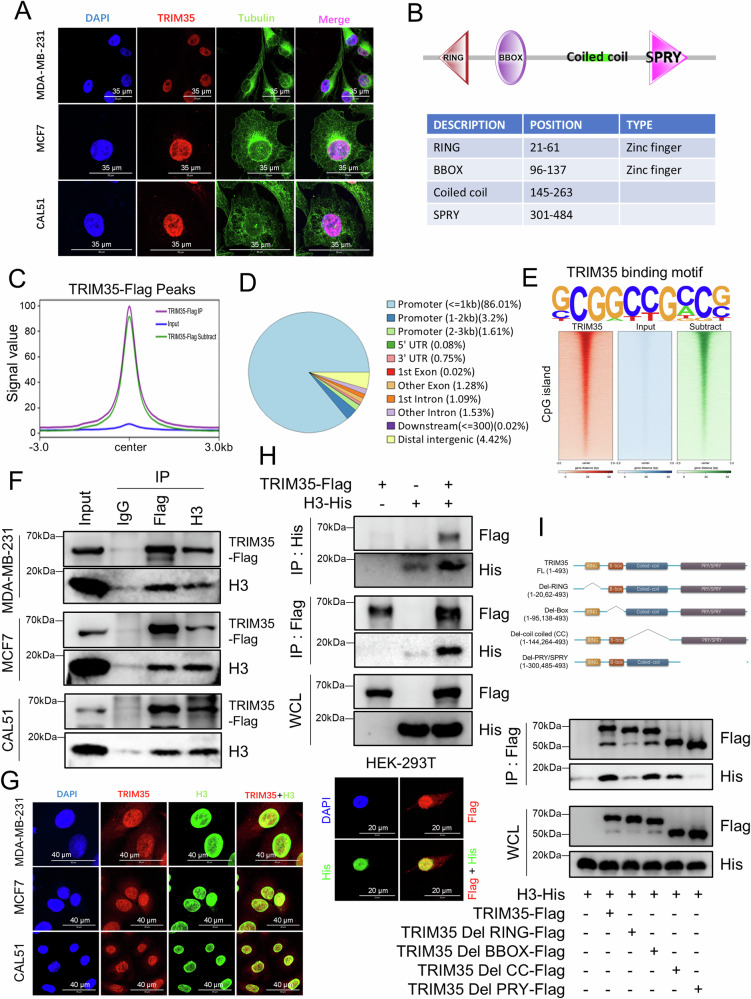 Figure 3
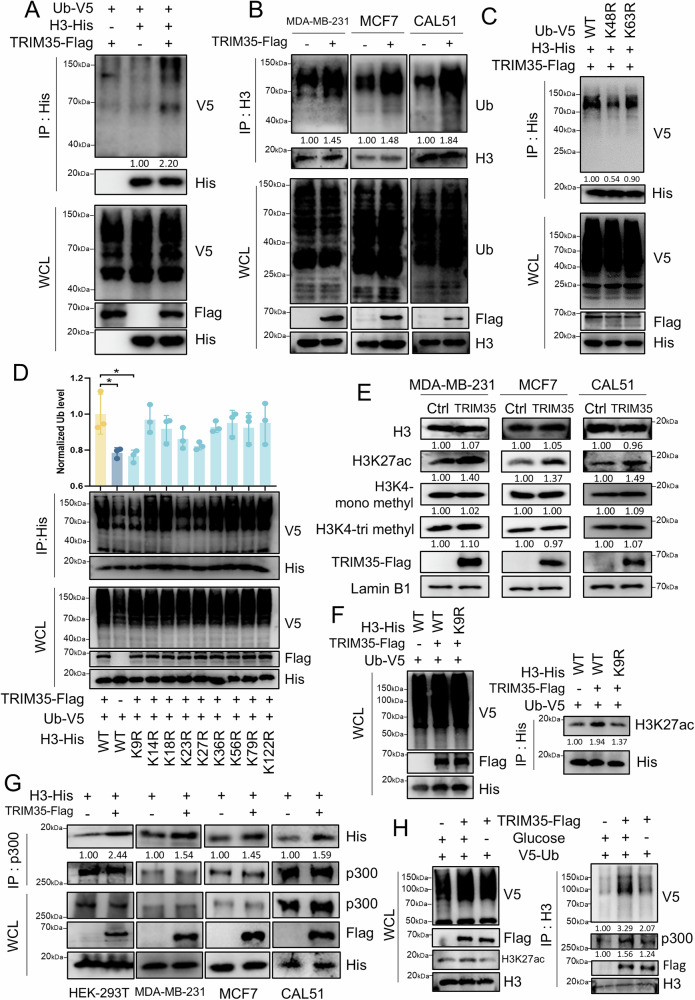 Figure 4
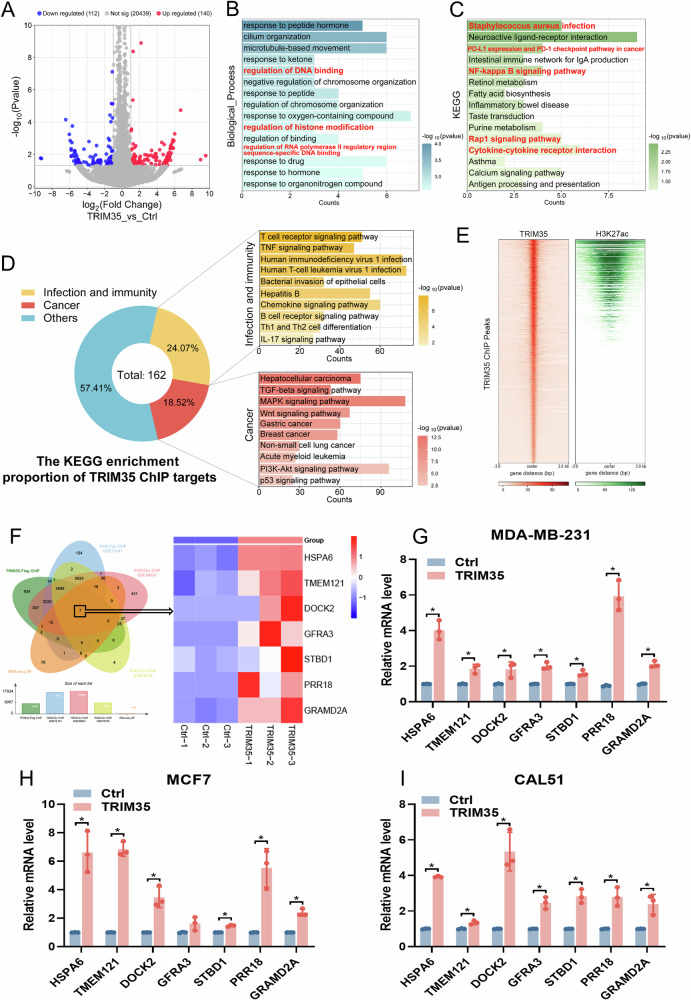 Figure 5
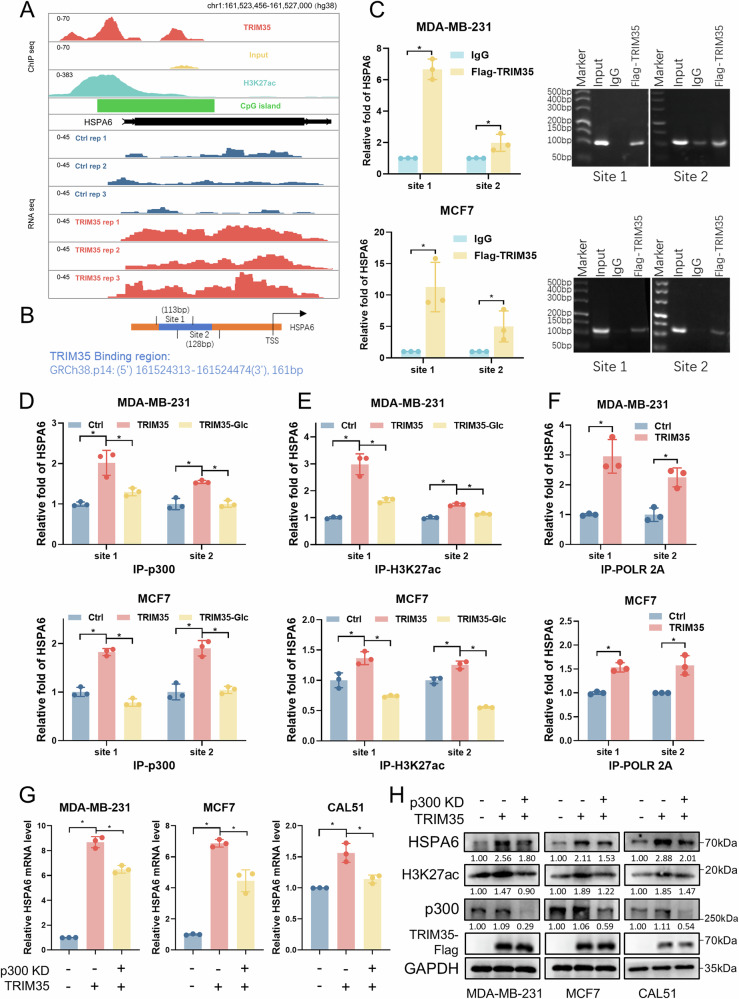 Figure 6
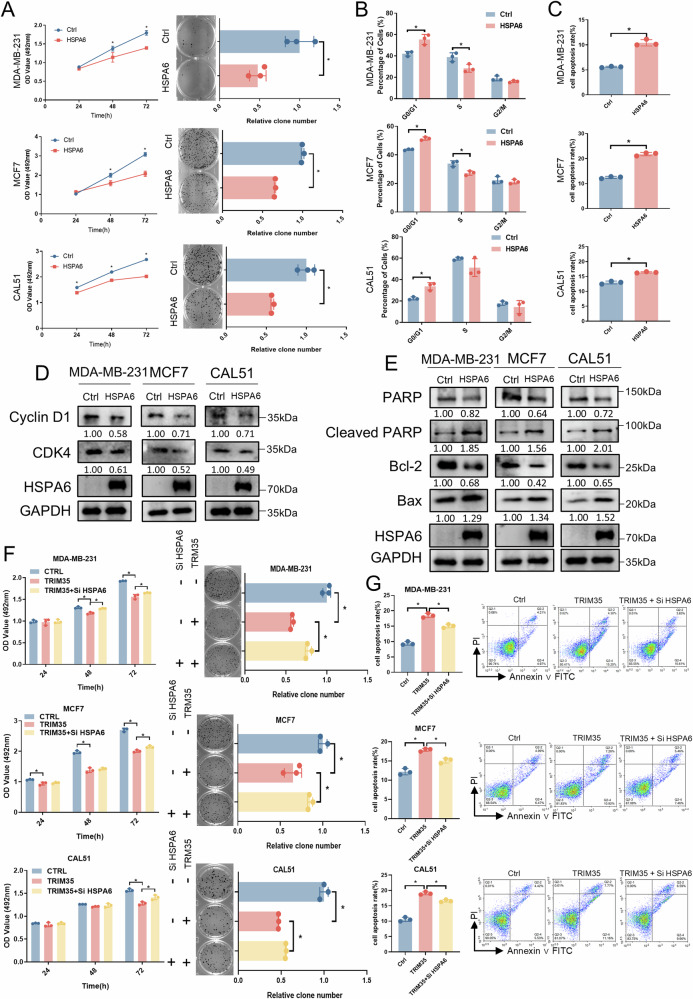 Figure 7
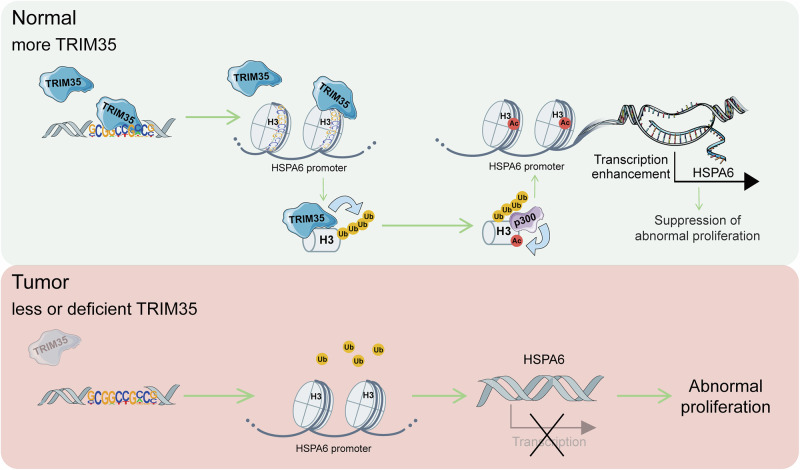 Figure 8
Peer Reviews
No public reviews on file for this paper yet. If you reviewed it on a platform where reviews are public (OpenReview, ICLR, NeurIPS, ICML), you can paste yours below so the community can read it here.
Videos
No videos yet. Explain this paper in a talk, walkthrough, or lecture? Add one.
Taxonomy
Topicsinterferon and immune responses · RNA Research and Splicing · Ubiquitin and proteasome pathways