A de novo FBN1 variant likely causes congenital bilateral ectopia lentis in a crossbred horse
Elizabeth Esdaile, Kristopher Houston, Bradley J. Till, Roger. B. Sutton, Emma Scurrell, Max Ling, Claudia Hartley, Rebecca R. Bellone

TL;DR
A new genetic variant in the FBN1 gene is likely responsible for a rare eye condition in a crossbred horse, marking the first genetic explanation for this disorder in horses.
Contribution
Identification of a de novo FBN1 variant as the likely cause of congenital bilateral ectopia lentis in a crossbred horse.
Findings
A de novo FBN1:p.(Ala882Val) variant was found in a foal with ectopia lentis.
The variant is predicted to disrupt disulfide bond formation in the fibrillin-1 protein.
The foal's parents and siblings were homozygous for the reference allele, supporting a de novo origin.
Abstract
Although several inherited ocular disorders have been extensively studied in horses, few reports of equine ectopia lentis exist and no genetic investigations have been reported. Ectopia lentis in humans and other species is reported to be caused by trauma, genetic variants, and systemic diseases. The most commonly reported genetic causes are dominant alleles in FBN1. Here we examined a 3-day old Oldenburg x Thoroughbred colt due to concerns over bilateral ocular anomalies and hypothesized that either a recessively inherited allele or a dominant de novo allele was the genetic cause. Examination revealed bilateral microphakia and spherophakia with medioventral lens subluxation. Histopathology of the globes was consistent with ectopia lentis. Whole genome sequencing of the affected foal was conducted, and forty-six candidate genes were evaluated for SNVs and small INDELS. Testing both…
Genes, proteins, chemicals, diseases, species, mutations and cell lines named across the full text — each resolved to its canonical identifier and authoritative record.
Click any figure to enlarge with its caption.
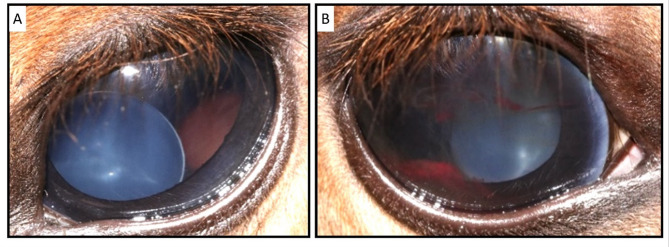 Figure 1
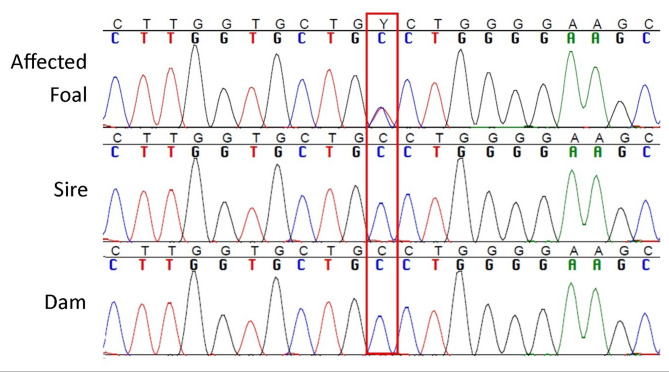 Figure 2
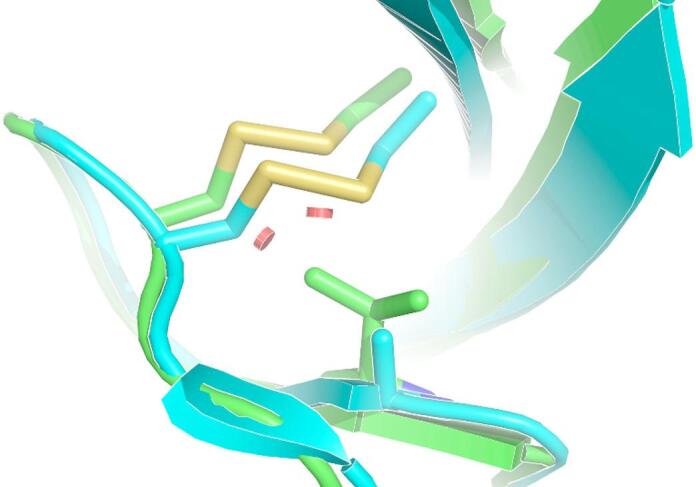 Figure 3
Peer Reviews
No public reviews on file for this paper yet. If you reviewed it on a platform where reviews are public (OpenReview, ICLR, NeurIPS, ICML), you can paste yours below so the community can read it here.
Videos
No videos yet. Explain this paper in a talk, walkthrough, or lecture? Add one.
Taxonomy
TopicsConnective tissue disorders research · Veterinary Equine Medical Research · Shoulder Injury and Treatment