Biological applications of yttrium oxide nanocomposites synthesized from Aspergillus penicillioides and their potential role in environmental remediation
Yamini Vinayagam, Devi Rajeswari Vijayarangan

TL;DR
This study explores using a fungus to create yttrium oxide nanocomposites that can clean up lead and nickel from wastewater.
Contribution
The novel use of Aspergillus penicillioides to synthesize Y2O3 nanocomposites for metal remediation is introduced.
Findings
Y2O3 nanocomposites synthesized by Aspergillus penicillioides effectively adsorb lead and nickel from wastewater.
The nanocomposites showed 60% adsorption efficiency for lead and nickel at specific concentrations.
The nanocomposites demonstrated biological applications like antibiotic activity and antioxidant effects.
Abstract
Industrial effluent contains hazardous metals, such as lead and nickel, which must be removed to prevent serious illnesses. The biological production of nanocomposites, which utilizes a range of biological resources, including microbes and plant extracts, as reducing and stabilizing agents, has garnered considerable attention in recent years. The goal of the current study is to generate Y2O3 nanocomposites in a unique, feasible, and biodegradable manner by using biological substances for the remediation of lead and nickel in the wastewater. The characterization outcomes demonstrated that Aspergillus penicillioides was capable of extracellular synthesis of Y2O3 nanocomposites with a spherical shape, and their size ranges from 31.4 to 61.9 nm. Furtherly, FTIR reveals that the existence of fungal biomolecules plays a vital role in the synthesis of the nanocomposite. The Y2O3 nanocomposites…
Genes, proteins, chemicals, diseases, species, mutations and cell lines named across the full text — each resolved to its canonical identifier and authoritative record.
Click any figure to enlarge with its caption.
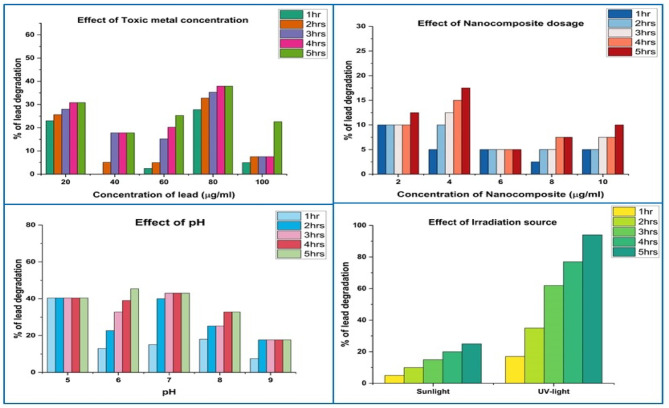 Figure 10
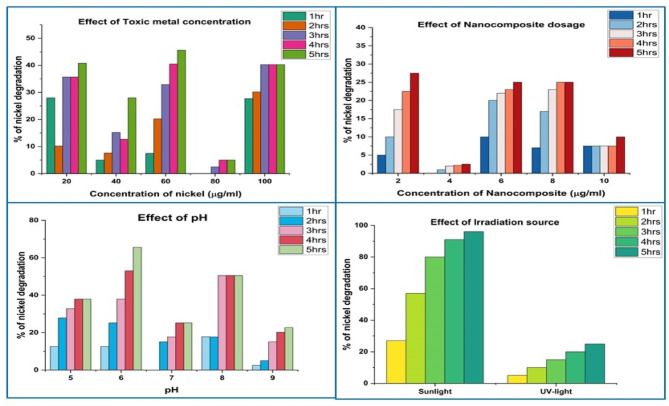 Figure 11
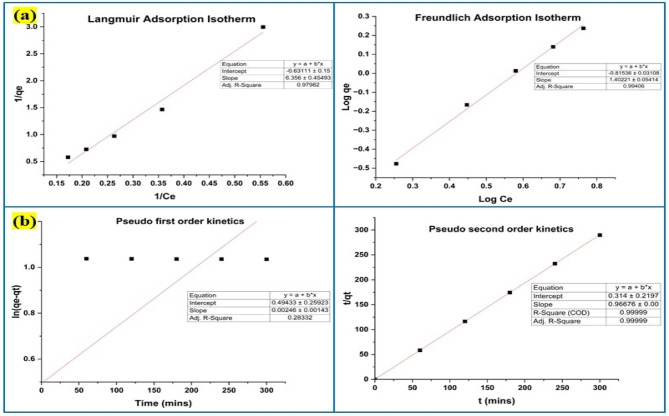 Figure 12
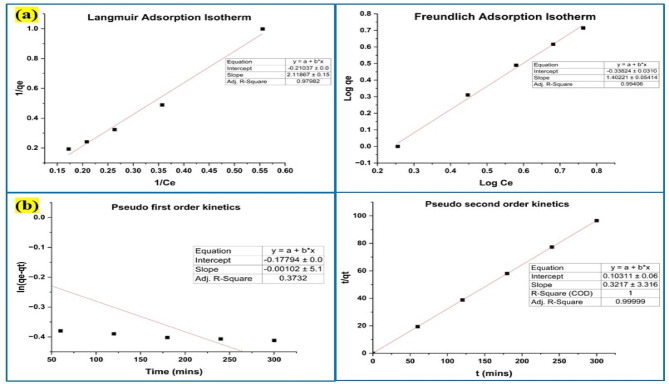 Figure 13
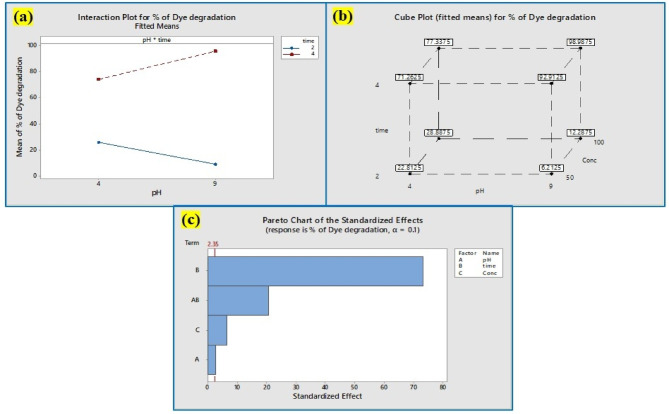 Figure 14
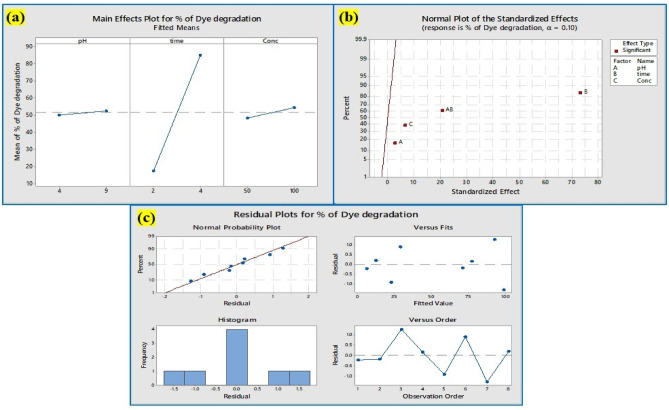 Figure 15
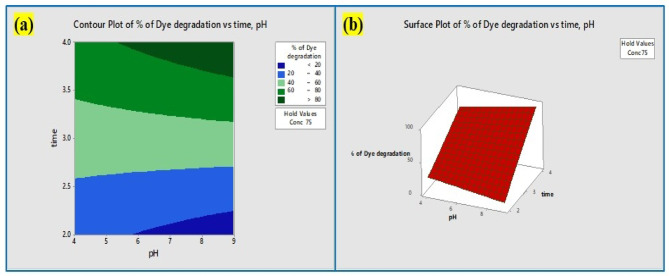 Figure 16
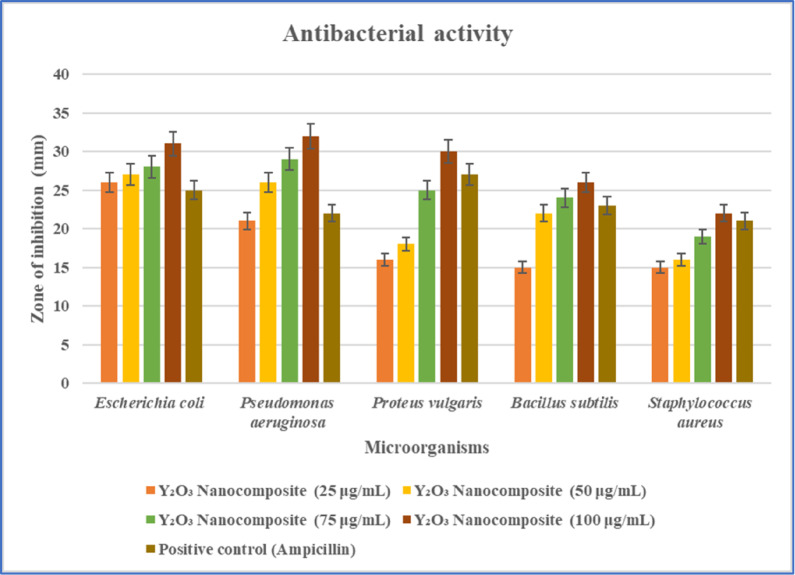 Figure 17
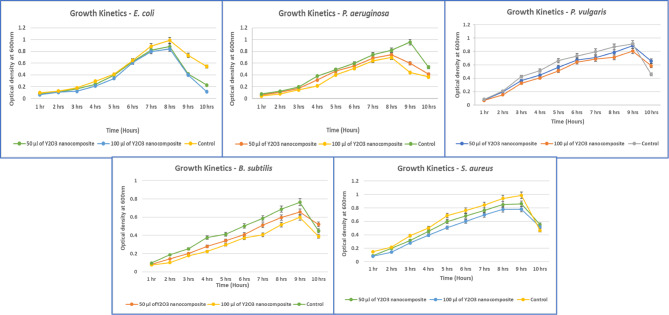 Figure 18
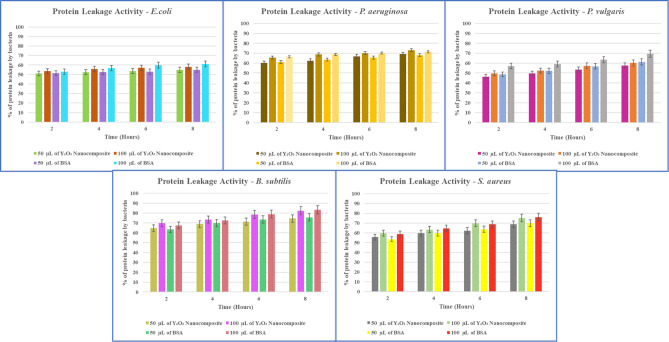 Figure 19
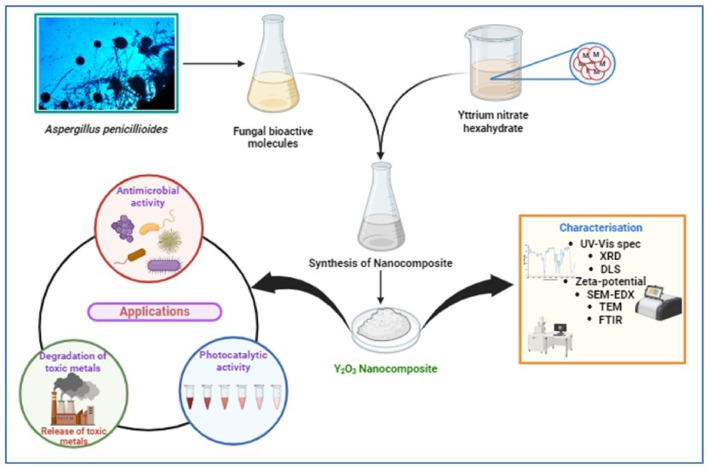 Figure 1
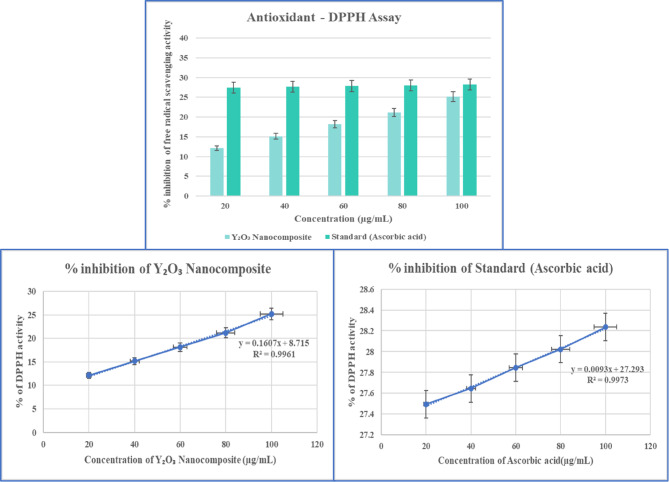 Figure 20
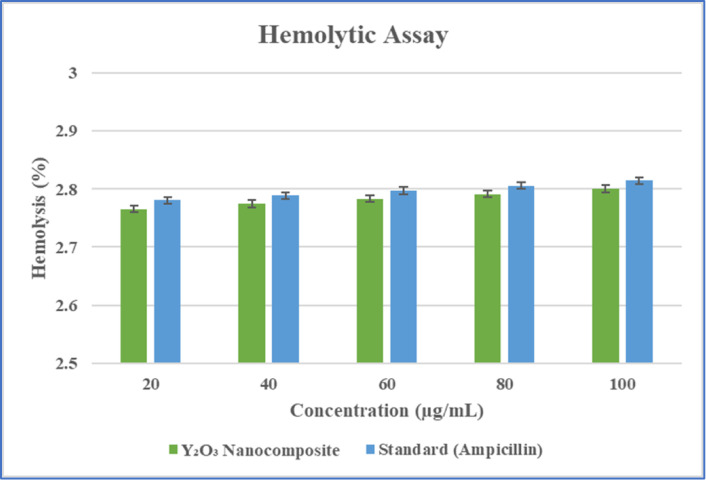 Figure 21
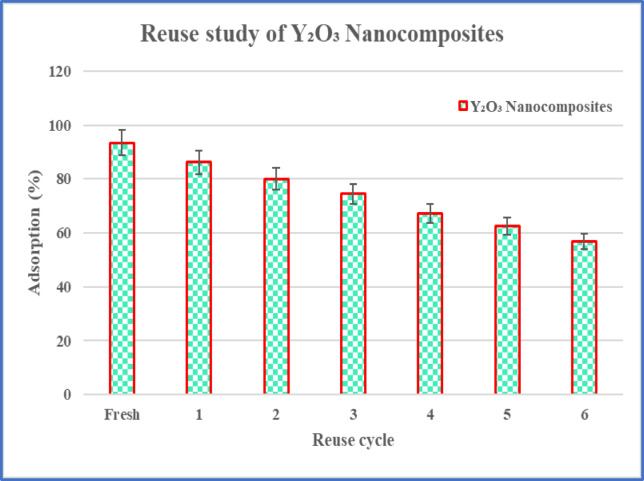 Figure 22
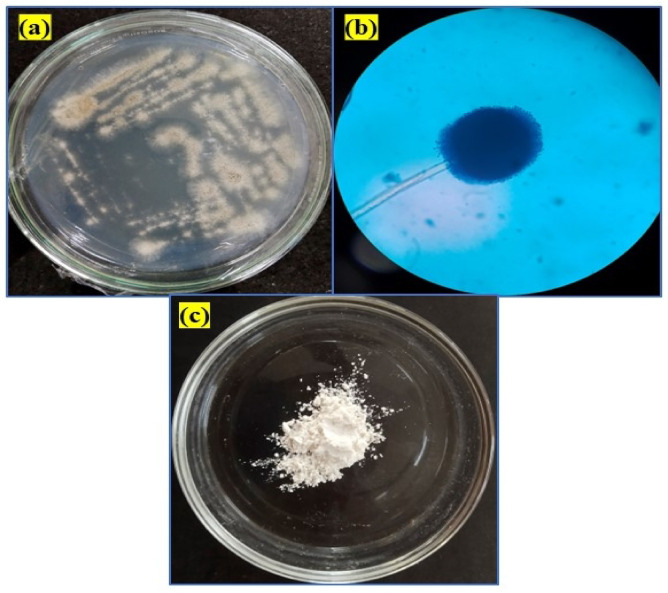 Figure 2
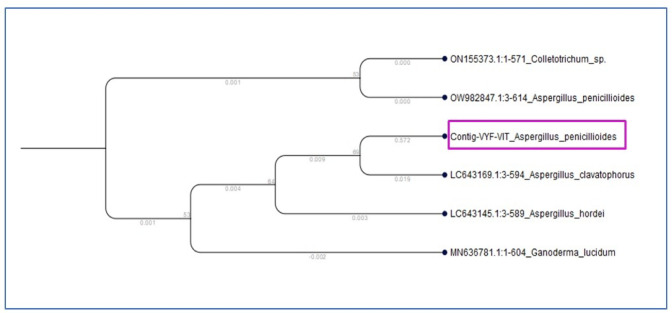 Figure 3
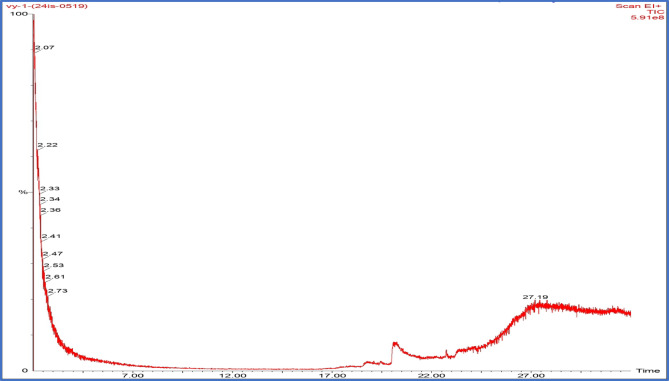 Figure 4
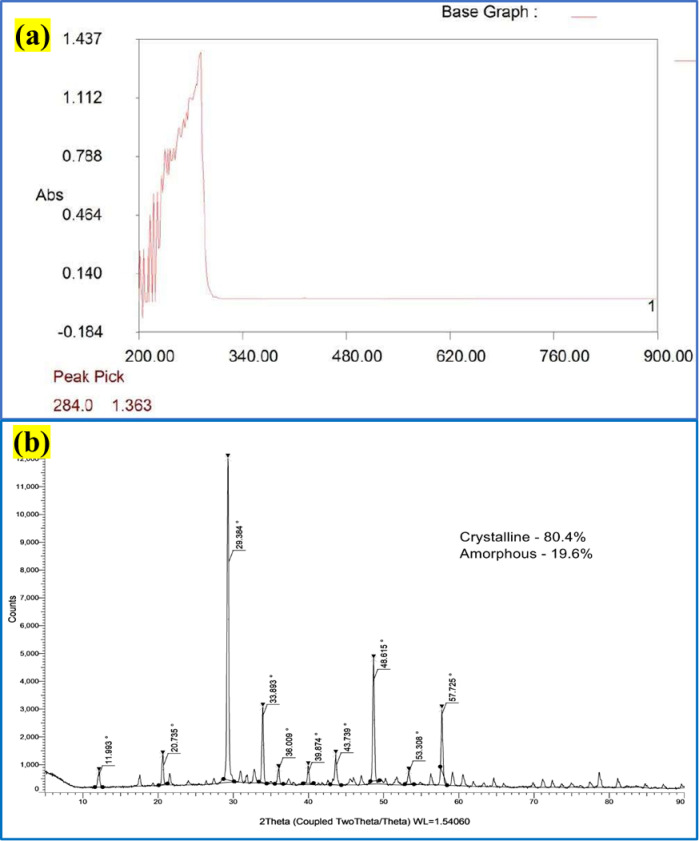 Figure 5
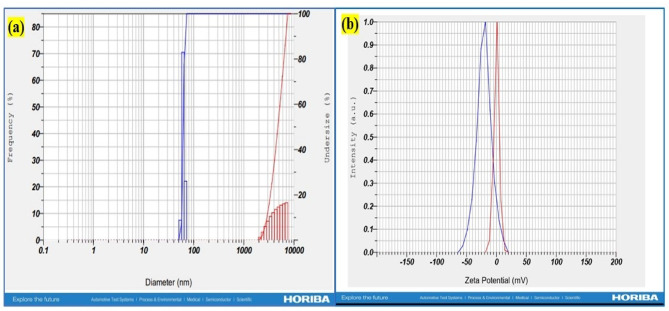 Figure 6
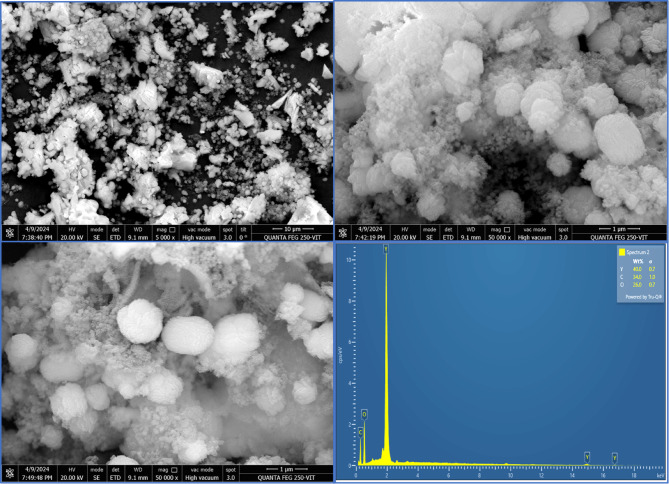 Figure 7
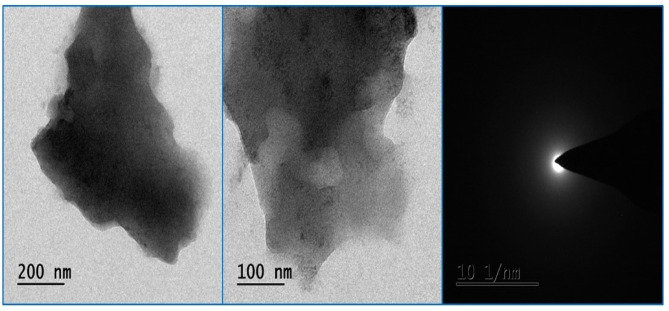 Figure 8
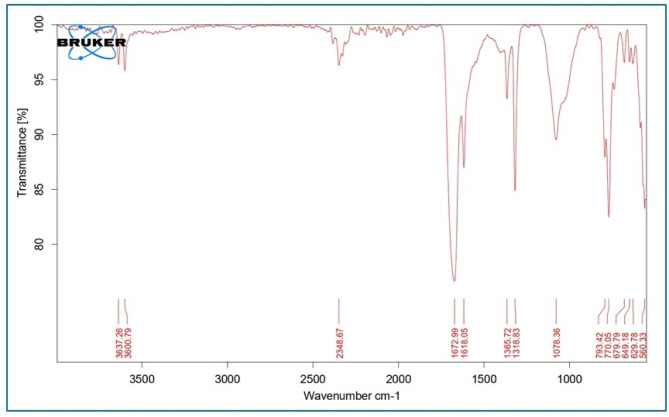 Figure 9
Peer Reviews
No public reviews on file for this paper yet. If you reviewed it on a platform where reviews are public (OpenReview, ICLR, NeurIPS, ICML), you can paste yours below so the community can read it here.
Videos
No videos yet. Explain this paper in a talk, walkthrough, or lecture? Add one.
Taxonomy
TopicsScientific and Engineering Research Topics · Graphene and Nanomaterials Applications · Nanoparticles: synthesis and applications