Study of multi-size proppant breakage mechanism under deep reservoir conditions for enhanced geothermal system development
Buge Du, Guangqing Zhang, Ruiheng Jin, Junfeng Zhu, Dawei Zhou

TL;DR
This paper studies how proppants break in deep geothermal reservoirs under high stress, revealing a non-uniform breakage pattern that helps maintain permeability.
Contribution
The study introduces a visualization method to observe real-time proppant breakage under deep reservoir conditions, revealing a two-stage composite structure formation.
Findings
Multi-size proppant layers show non-uniform breakage under high closure stress.
Non-uniform breakage creates high-connectivity pores in low-breakage regions, preserving permeability.
The two-stage composite structure mitigates further breakage and maintains porous connectivity.
Abstract
Proppant breakage is a significant concern in fracturing treatments in deep reservoirs, reducing the efficiency of enhanced geothermal systems (EGS). However, little research has been conducted on the breakage process of proppants under high closure stress conditions. A visualization experiment was designed to investigate processes of proppant breakage and layer deformation in real-time under 100 °C and high closure stress (0–50 MPa) conditions. We observed significant non-uniform breakage in the multi-size proppant layer, which resulted in large-size pores with high connectivity in the regions of low breakage degree, potentially maintaining permeability. Moreover, the non-uniform breakage forms a composite structure in two stages. This process mitigates subsequent proppant breakage, thereby preserving the non-uniform breakage pattern and maintaining a locally high-connectivity porous…
Genes, proteins, chemicals, diseases, species, mutations and cell lines named across the full text — each resolved to its canonical identifier and authoritative record.
Click any figure to enlarge with its caption.
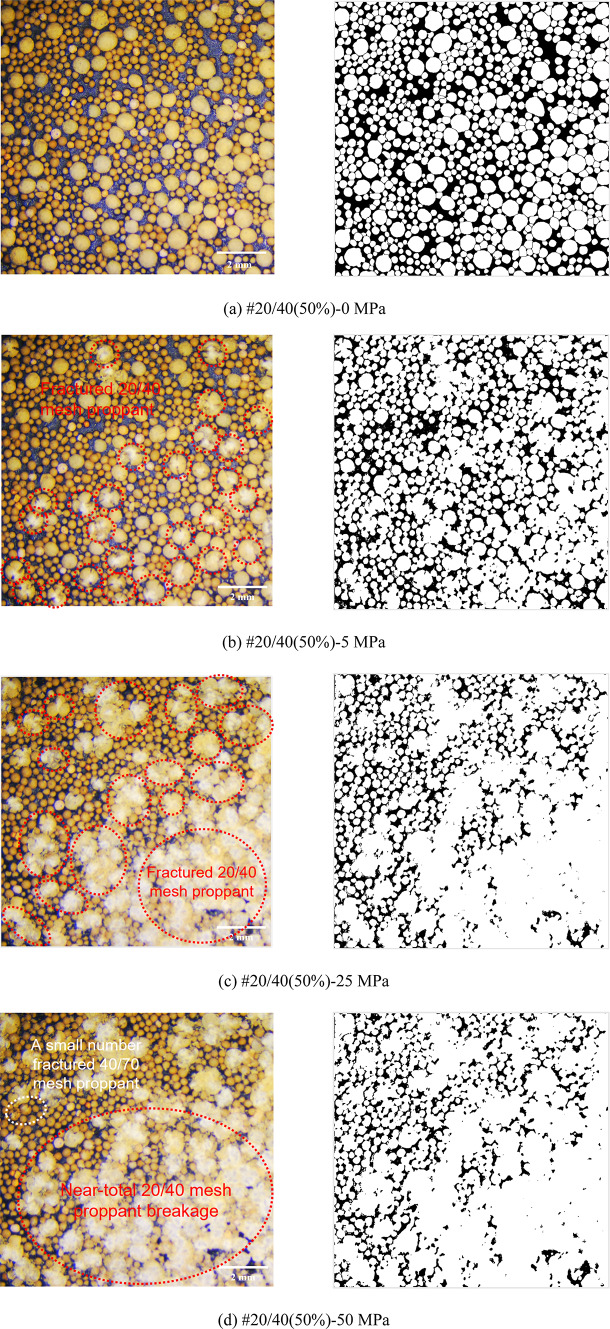 Figure 10
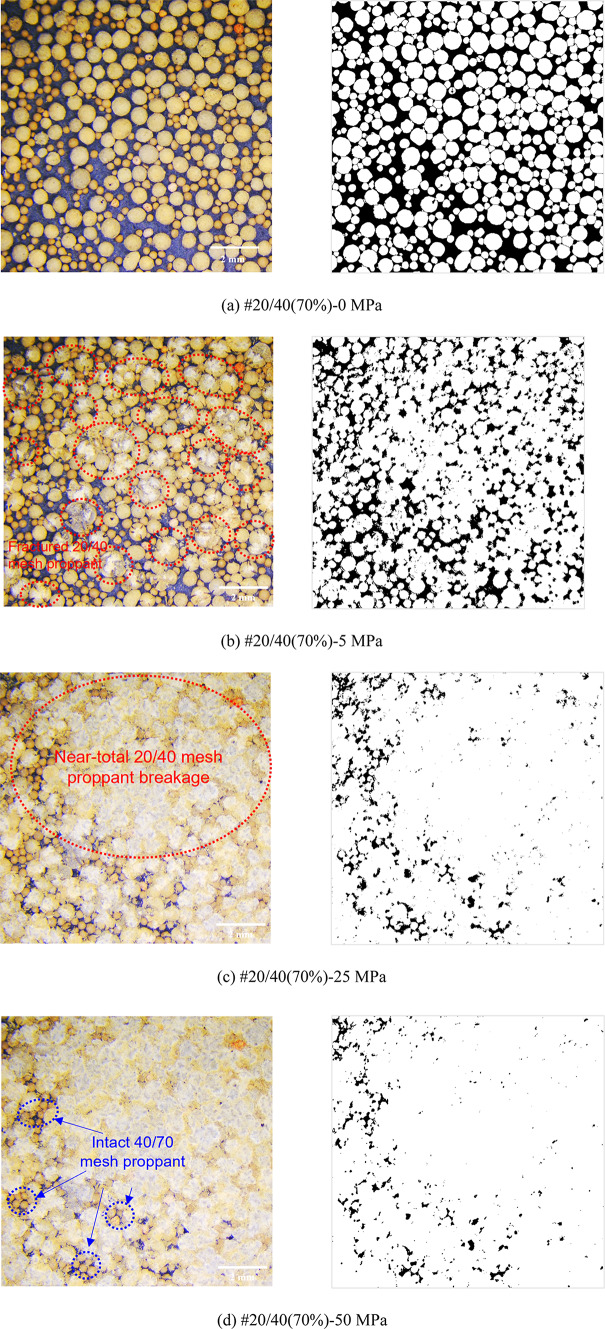 Figure 11
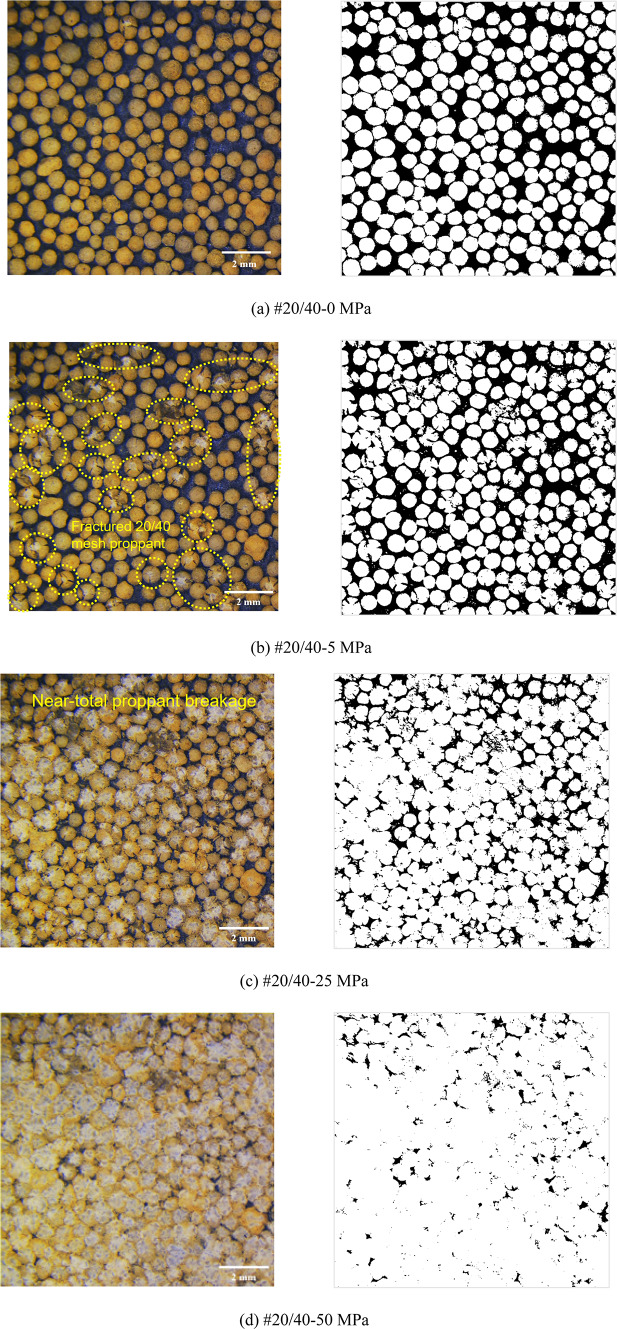 Figure 12
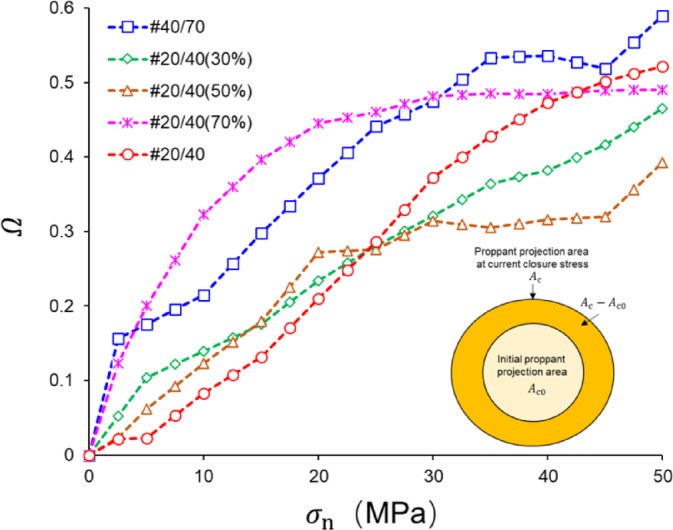 Figure 13
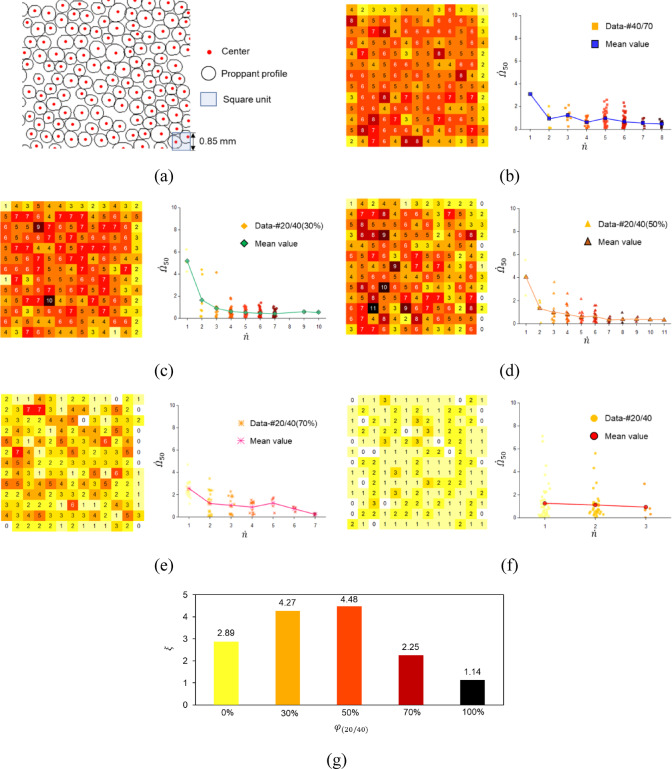 Figure 14
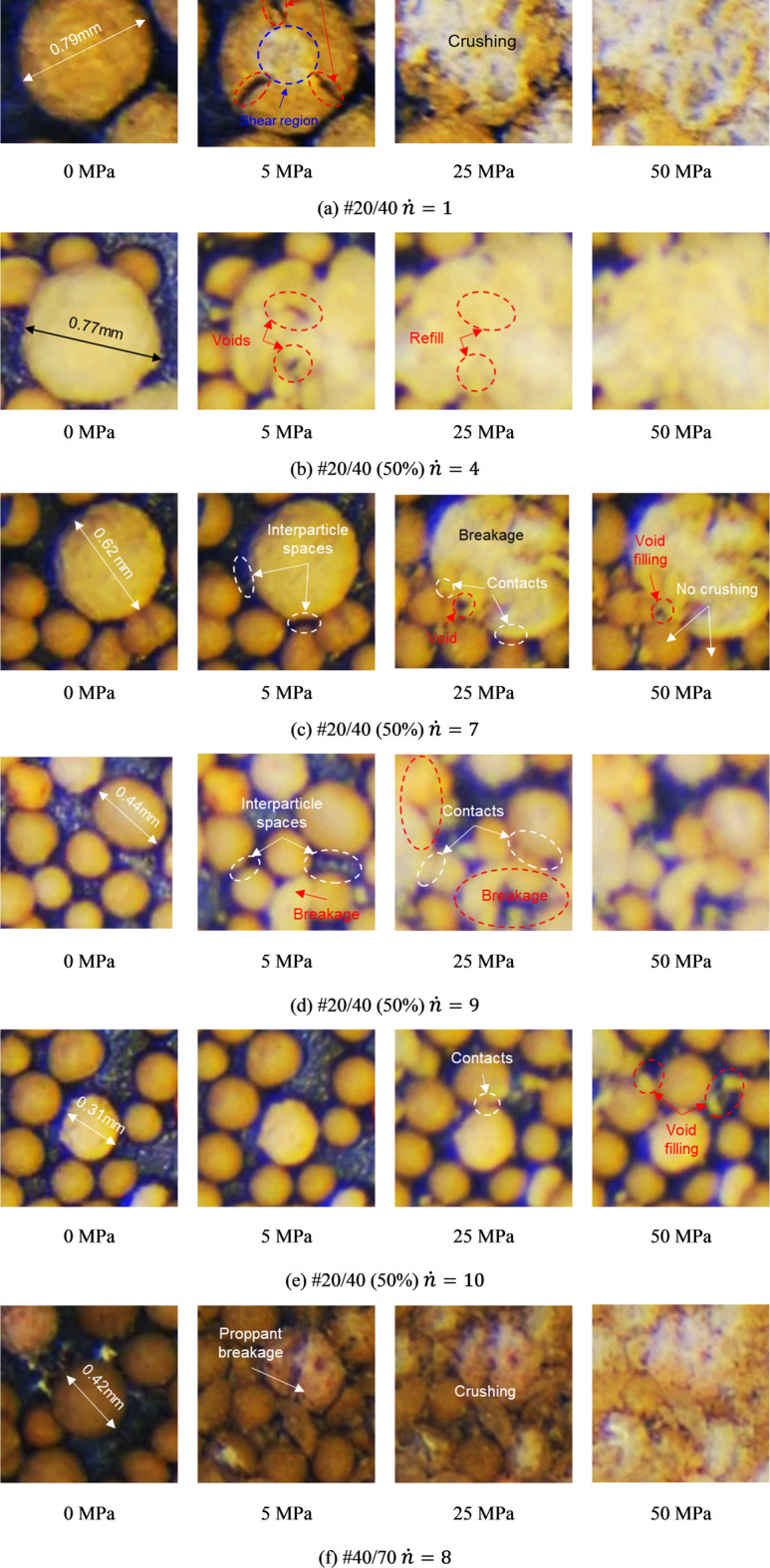 Figure 15
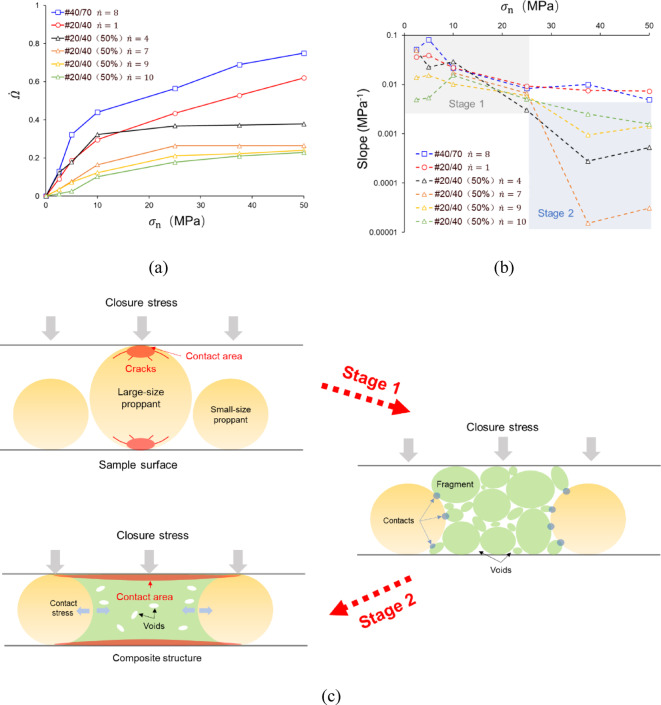 Figure 16
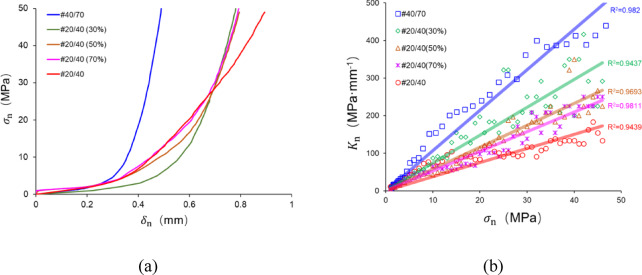 Figure 17
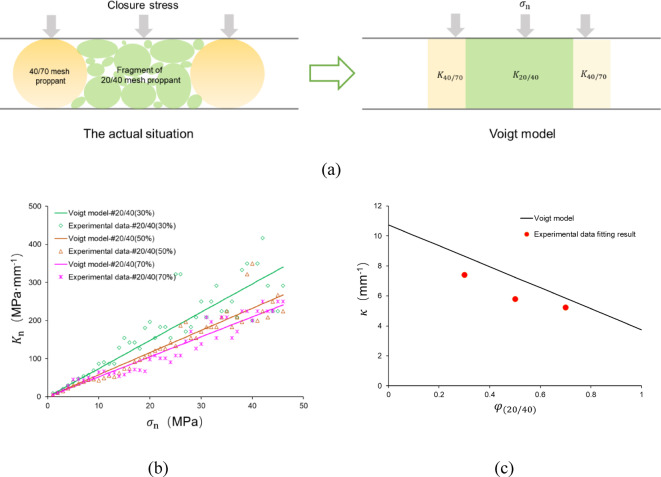 Figure 18
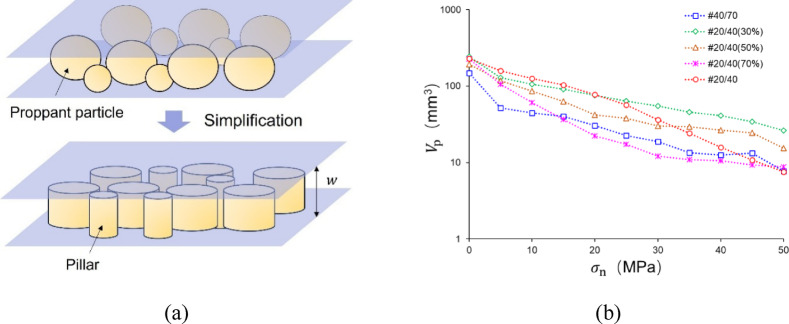 Figure 19
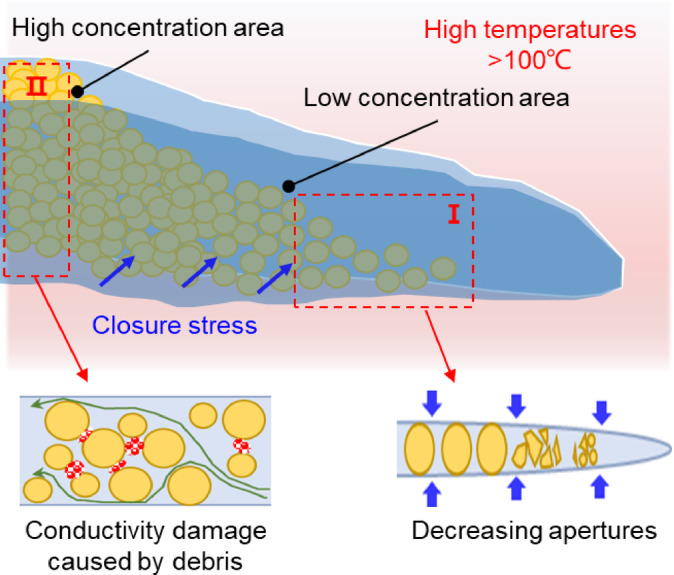 Figure 1
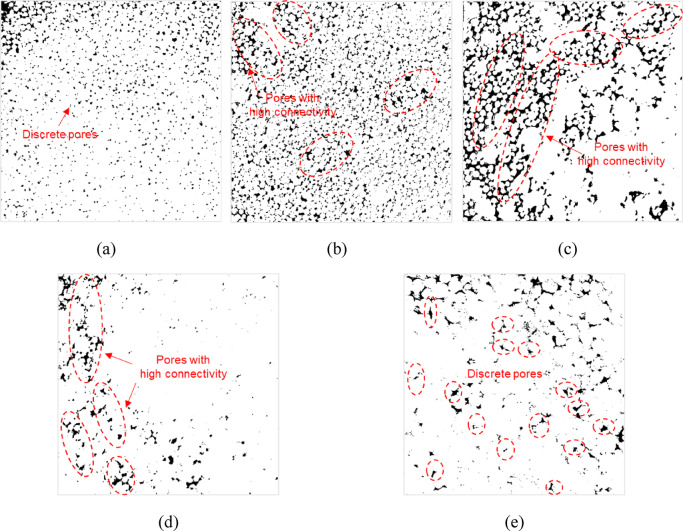 Figure 20
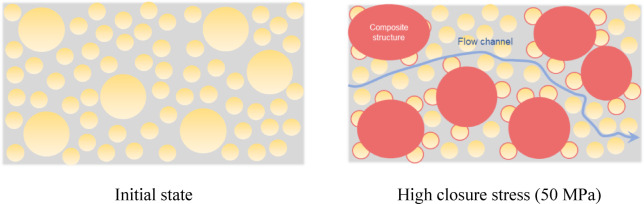 Figure 21
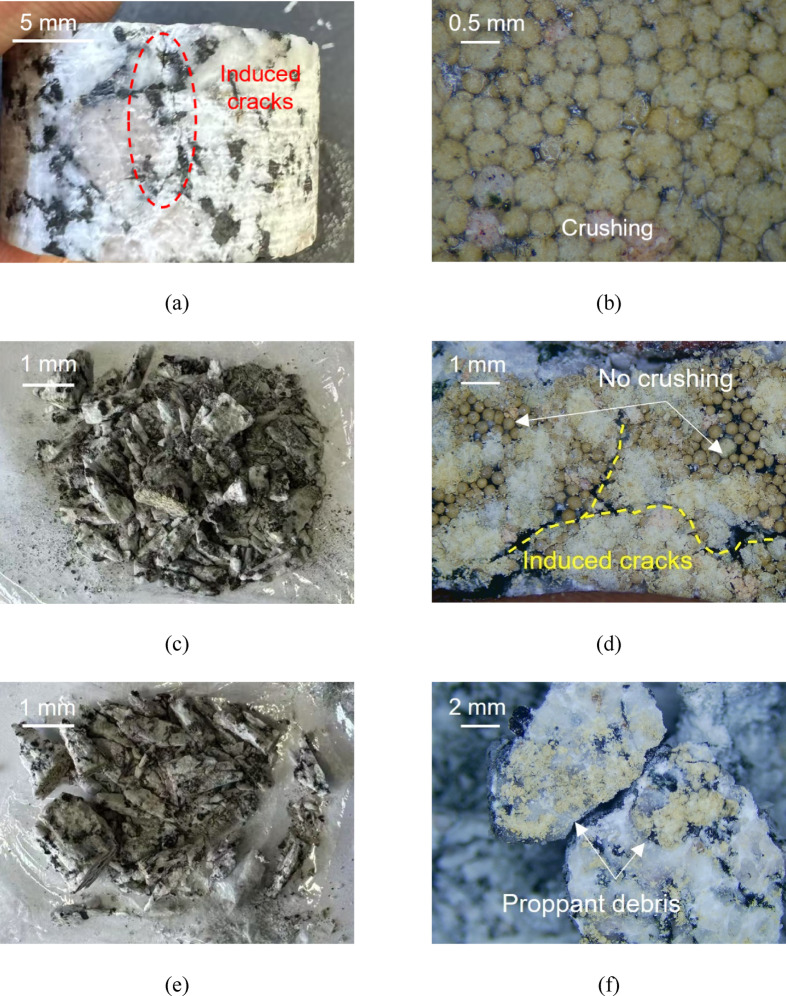 Figure 22
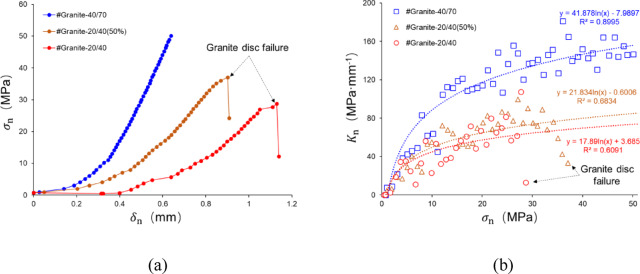 Figure 23
 Figure 2
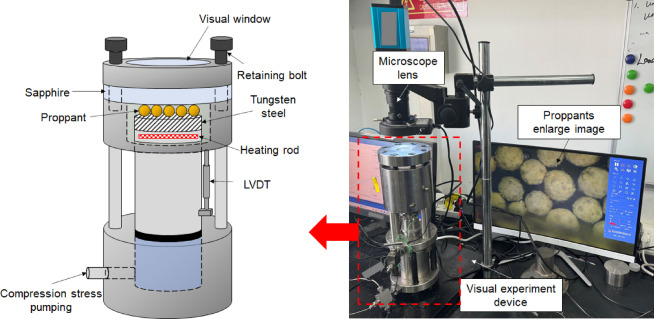 Figure 3
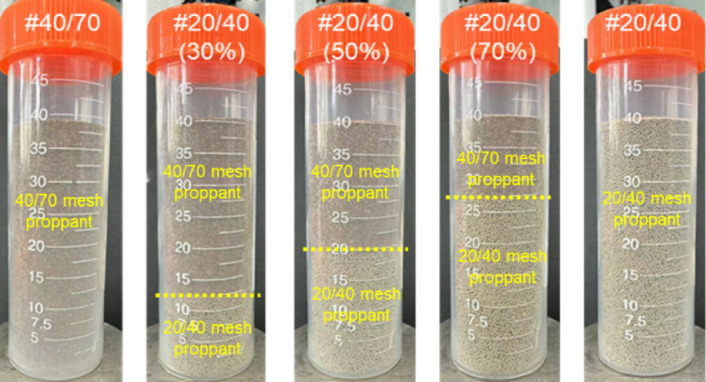 Figure 4
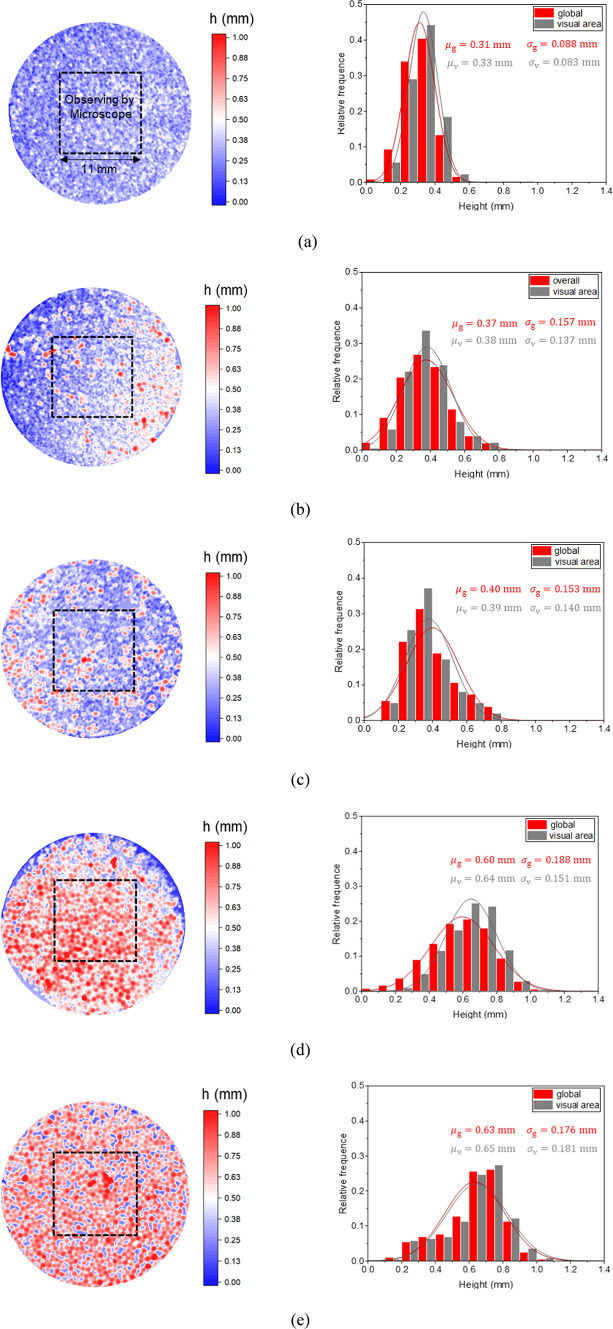 Figure 5
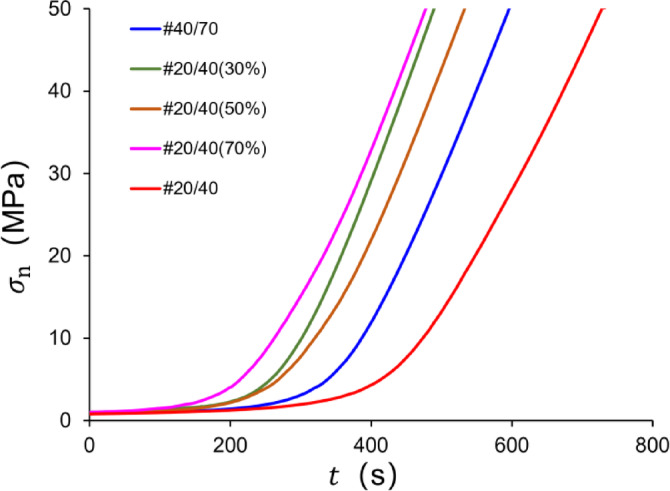 Figure 6
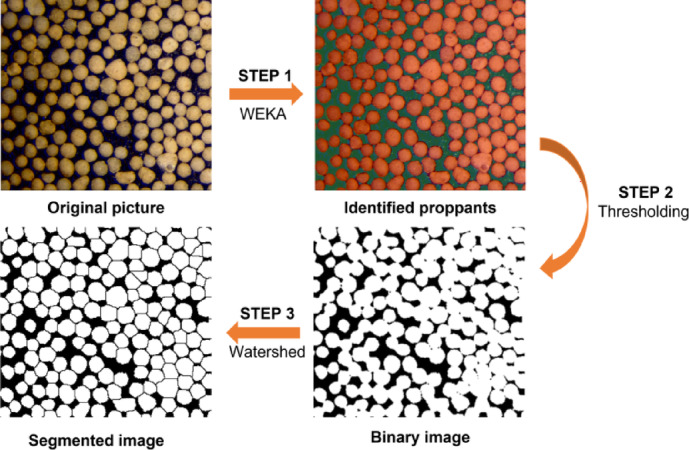 Figure 7
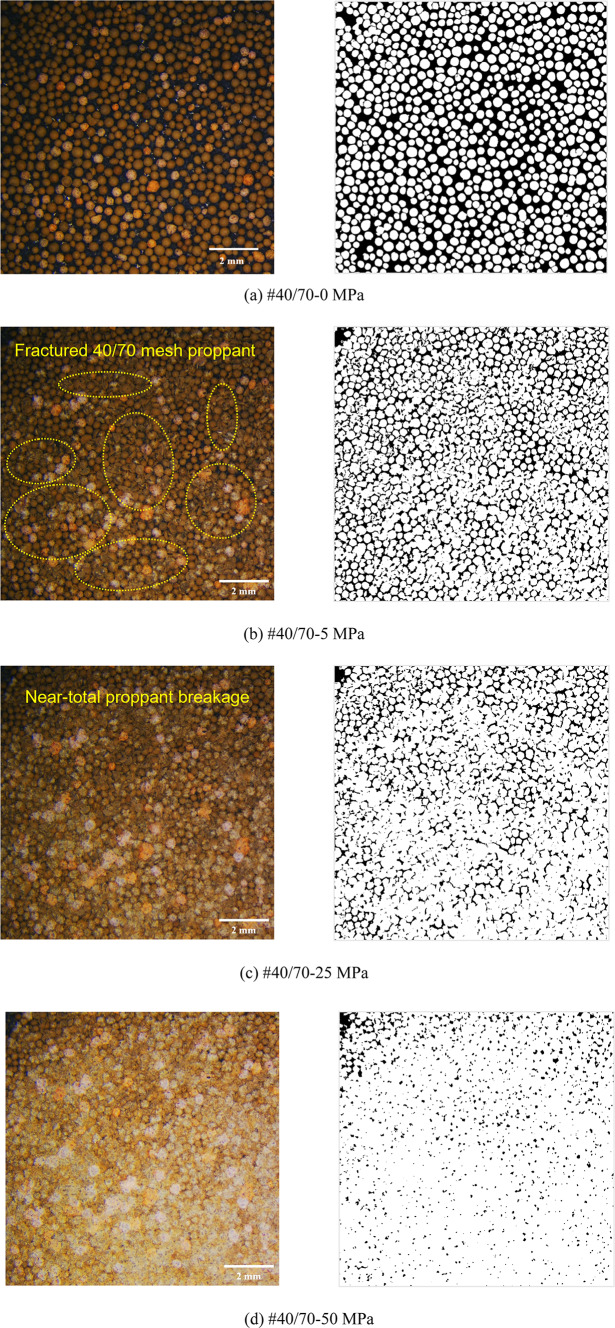 Figure 8
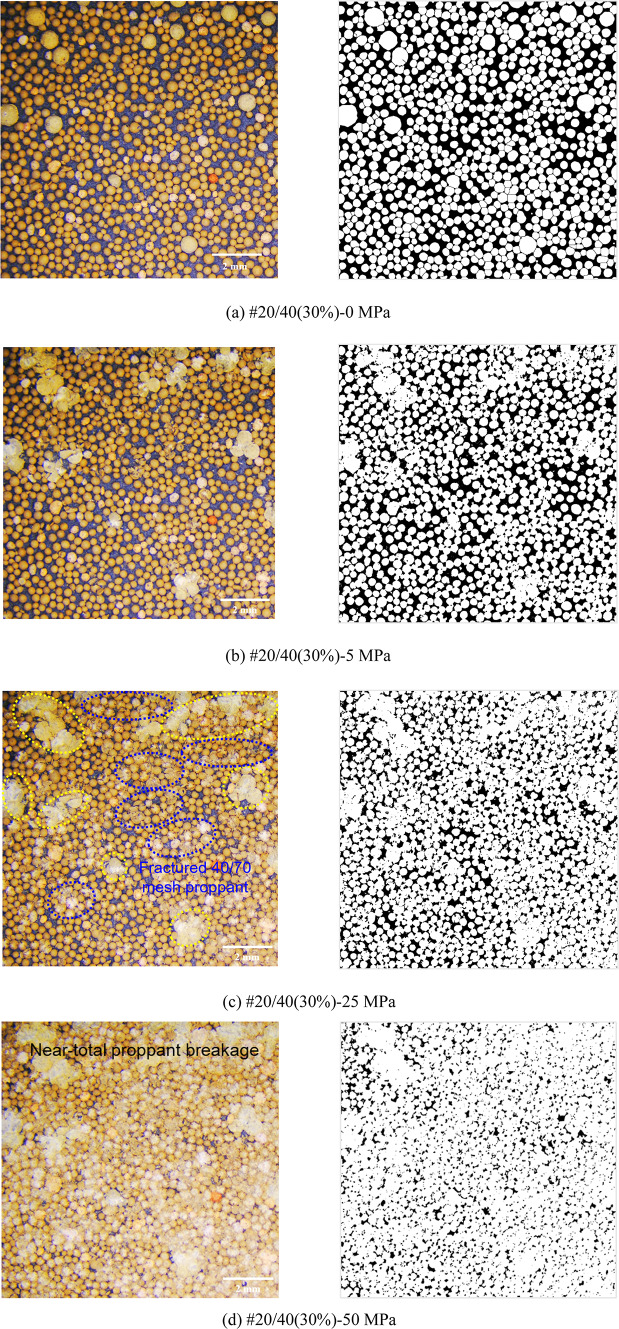 Figure 9
Peer Reviews
No public reviews on file for this paper yet. If you reviewed it on a platform where reviews are public (OpenReview, ICLR, NeurIPS, ICML), you can paste yours below so the community can read it here.
Videos
No videos yet. Explain this paper in a talk, walkthrough, or lecture? Add one.
Taxonomy
TopicsHydraulic Fracturing and Reservoir Analysis · Drilling and Well Engineering · Geothermal Energy Systems and Applications