HOTAIR requires epitranscriptomic modification to exert its pivotal epigenetic role in Epithelial to Mesenchymal Transition
Sabrina Garbo, Sara Minotti, Francesco Marocco, Luca Quattrocchi, Iris Di Silverio, Giulio Bontempi, Raffaele Strippoli, Marco Tripodi, Cecilia Battistelli

TL;DR
This paper shows that the m6A modification on the HOTAIR lncRNA is essential for its role in promoting Epithelial to Mesenchymal Transition through interactions with SNAIL and EZH2.
Contribution
The study reveals that m6A modification is critical for HOTAIR's epigenetic function in EMT, a novel role for epitranscriptomic regulation in this process.
Findings
m6A modification on HOTAIR is necessary for its interaction with SNAIL and EZH2.
Impairing m6A modification blocks the SNAIL/HOTAIR/EZH2 complex and inhibits EMT.
HOTAIR's epigenetic repression of epithelial genes depends on m6A modification.
Abstract
While m6A epitranscriptomic modification has been shown to impact several mRNAs maturation, stability/degradation, nuclear/cytoplasm export and translation regulation, its impact on lncRNAs activity is yet largely uncharacterized. Here, we show that the silencing of the m6A writer METTL3 inhibits Epithelial to Mesenchymal Transition (EMT), morphological, migratory and invasive features of TGFβ-treated epithelial cells as well as of tumor cells. Building on previous evidence pinpointing the lncHOTAIR as a mandatory element for epithelial genes’ repression triggering EMT, here we uncover a dominant role of an epitranscriptomic modification on the epigenetic function of this lncRNA. Mechanistically, HOTAIR is m6A-modified on the interaction domains with both the master transcriptional factor of EMT SNAIL and the general chromatin modifier EZH2. This epitranscriptomic modification is…
Genes, proteins, chemicals, diseases, species, mutations and cell lines named across the full text — each resolved to its canonical identifier and authoritative record.
Click any figure to enlarge with its caption.
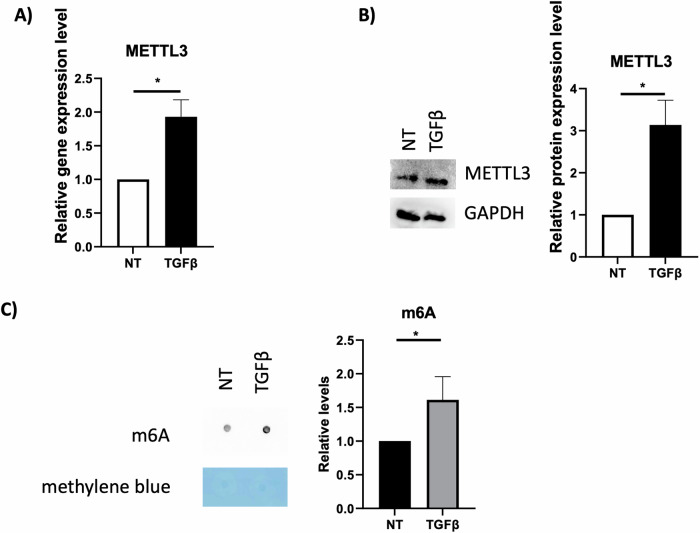 Figure 1
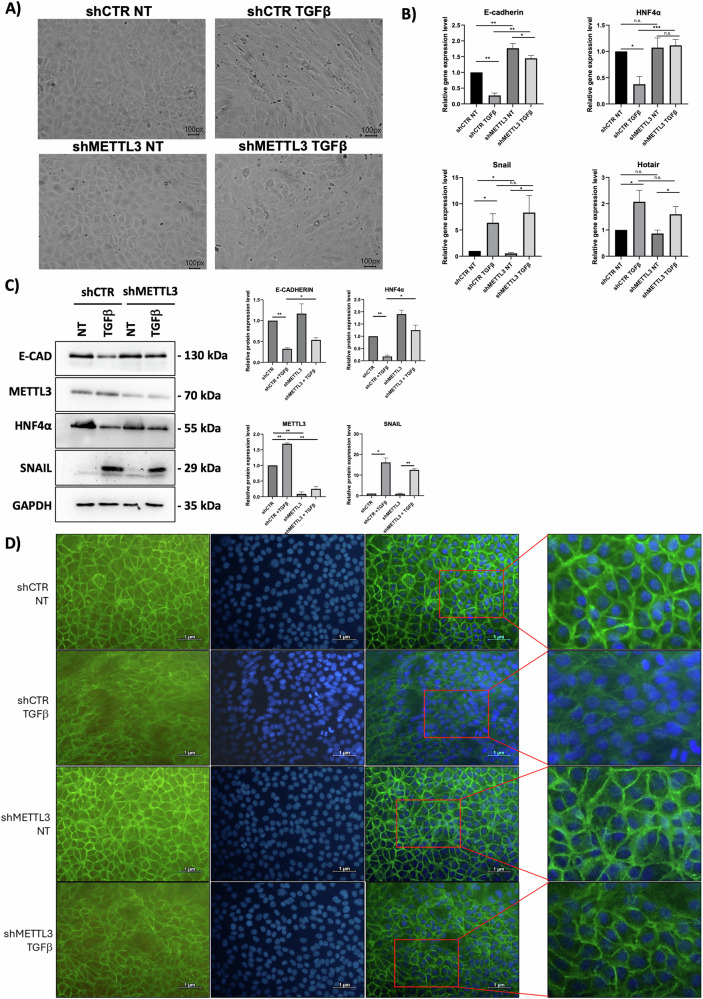 Figure 2
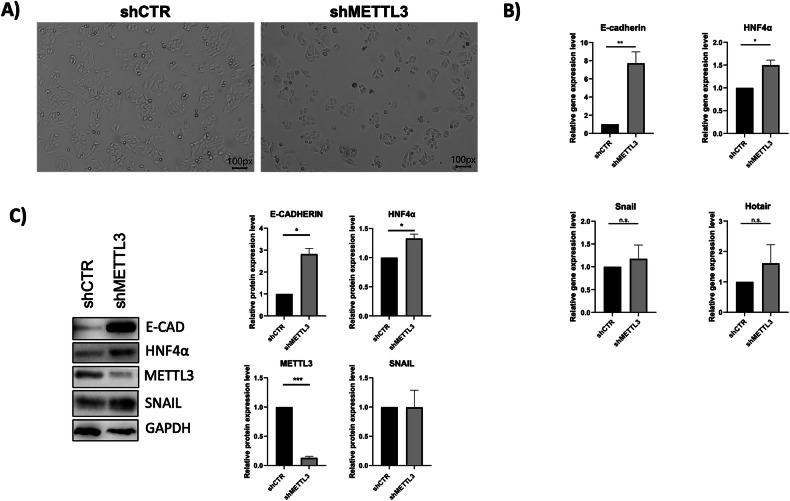 Figure 3
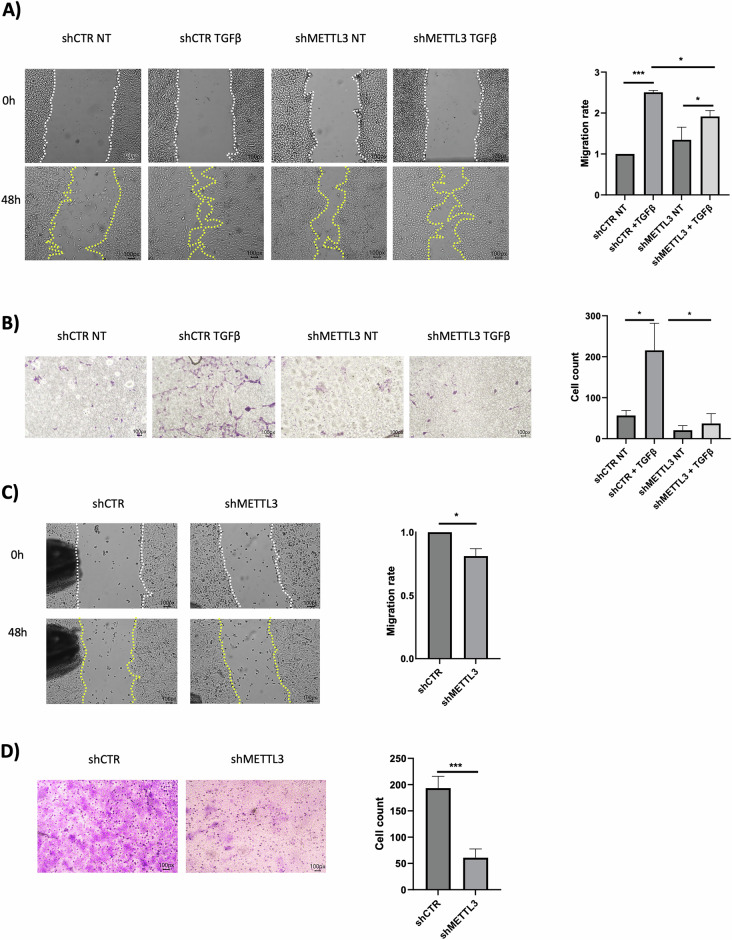 Figure 4
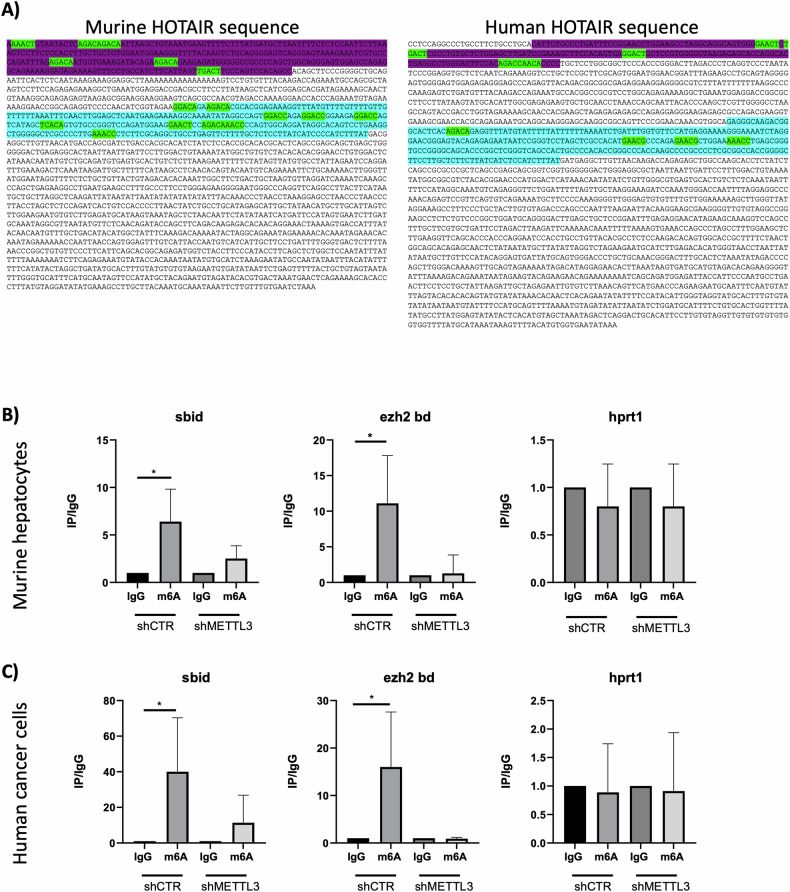 Figure 5
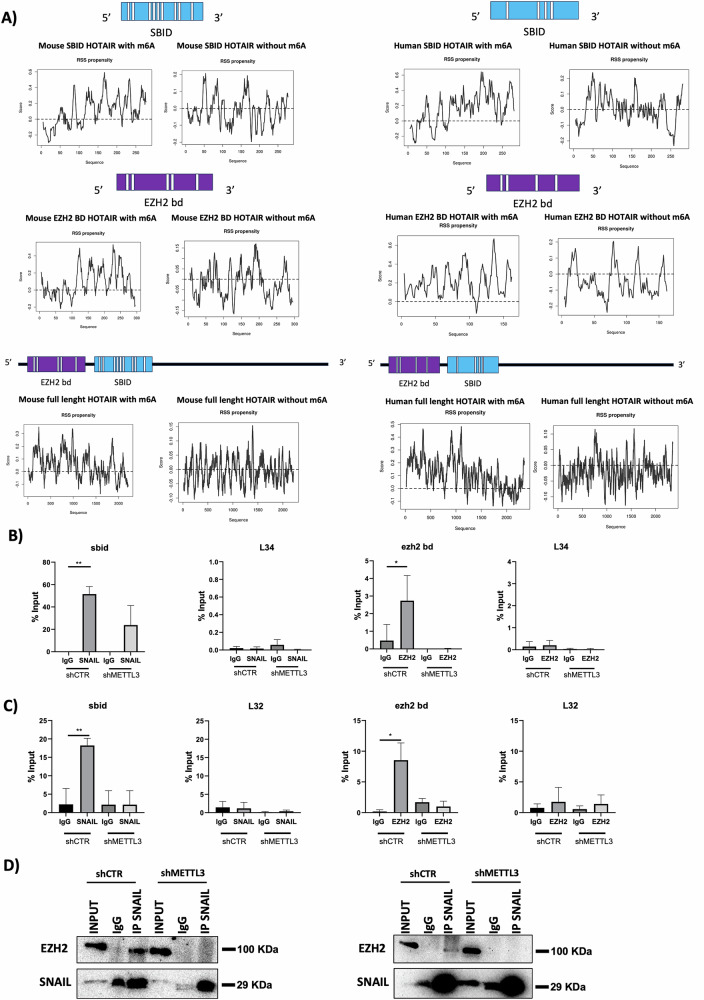 Figure 6
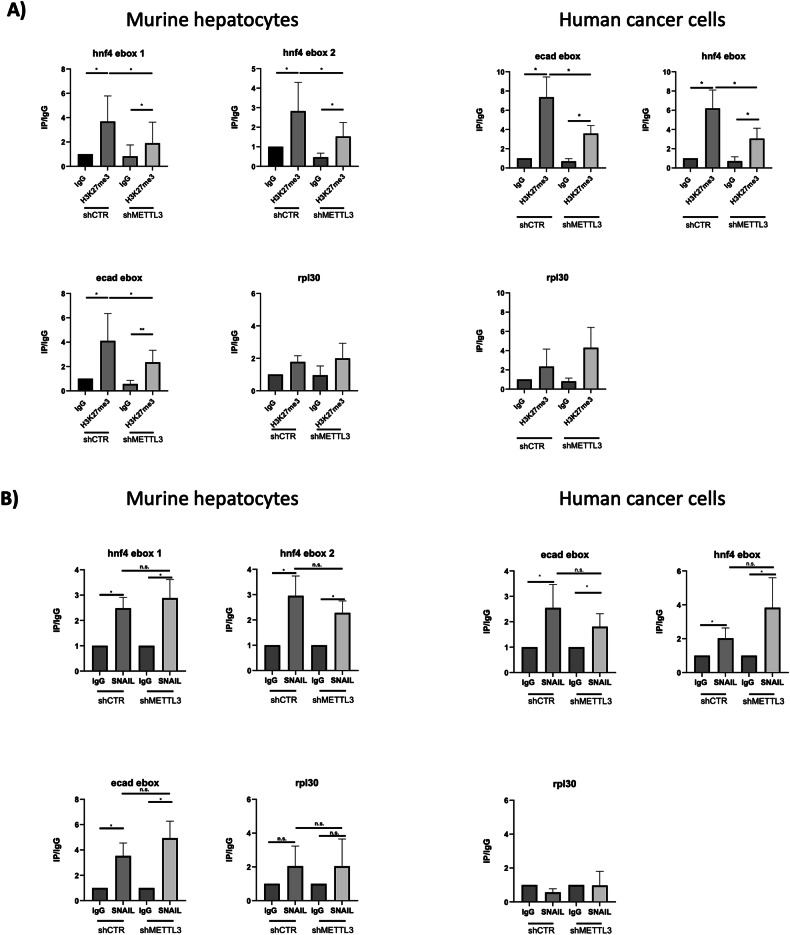 Figure 7
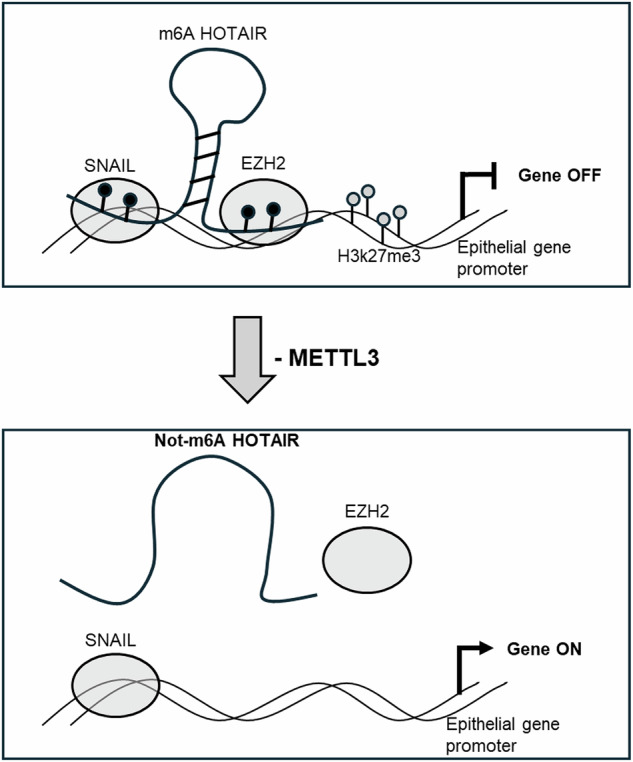 Figure 8
Peer Reviews
No public reviews on file for this paper yet. If you reviewed it on a platform where reviews are public (OpenReview, ICLR, NeurIPS, ICML), you can paste yours below so the community can read it here.
Videos
No videos yet. Explain this paper in a talk, walkthrough, or lecture? Add one.
Taxonomy
TopicsRNA modifications and cancer · Cancer-related molecular mechanisms research · HVDC Systems and Fault Protection