Femtosecond laser irradiation has an anti-virulence effect by reducing the adhesion and invasion of MRSA bacteria to human cells: an in vitro study
Esraa Ahmed, Ahmed O. El-Gendy, Michael R. Hamblin, Tarek Mohamed

TL;DR
A femtosecond laser treatment significantly reduces the ability of MRSA bacteria to stick to and invade human cells, offering a potential new approach to combat antibiotic-resistant infections.
Contribution
The study demonstrates that sublethal femtosecond laser doses can impair MRSA virulence by reducing bacterial adhesion and invasion in human epithelial cells.
Findings
A 50 mW, 15-minute femtosecond laser treatment reduced MRSA adhesion by 84–96% and invasion by 84–98%.
Femtosecond laser exposure at higher durations (30 and 45 minutes) significantly reduced MRSA viability.
All tested laser doses effectively impaired MRSA's ability to adhere to and invade epithelial cells.
Abstract
Multidrug-resistant bacterial infections are a substantial global health challenge. Targeting bacterial virulence factors that control the progression, severity, and pathogenicity of bacterial infections could prevent and combat infection by intractable, potentially life-threatening pathogens such as methicillin-resistant Staphylococcus aureus (MRSA). Laser-based antibacterial photodynamic therapy (aPDT) has emerged as a promising alternative for infection management. This study assessed the attenuation of adhesion and invasion of MRSA bacteria in two human epithelial cell lines, melanoma cells (A375) and breast ductal carcinoma (T47D), after exposure to different sublethal femtosecond laser doses. The INSPIRE HF100 laser system (Spectra Physics), pumped by a mode-locked femtosecond Ti: sapphire laser MAI TAI HP (Spectra Physics), was used to provide the femtosecond laser pulses at a…
Genes, proteins, chemicals, diseases, species, mutations and cell lines named across the full text — each resolved to its canonical identifier and authoritative record.
Click any figure to enlarge with its caption.
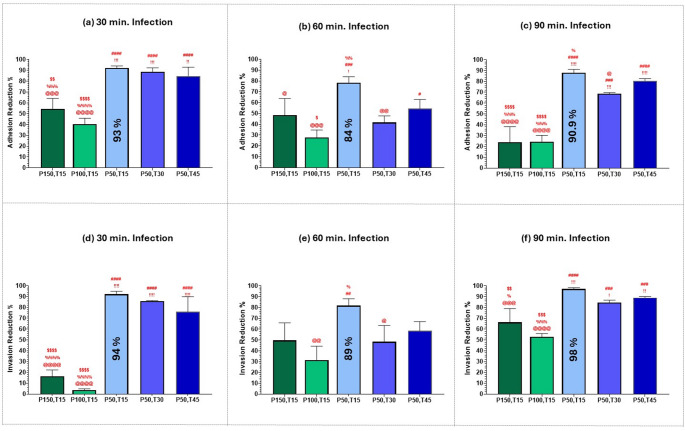 Figure 10
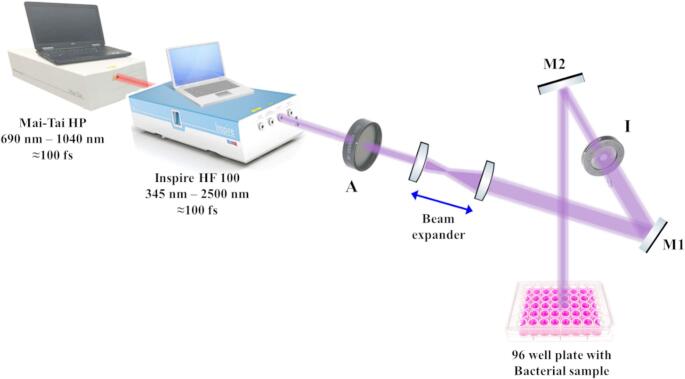 Figure 1
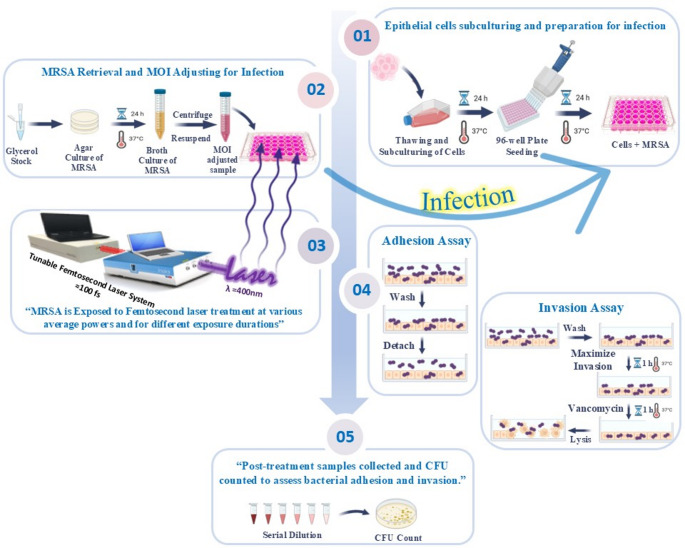 Figure 2
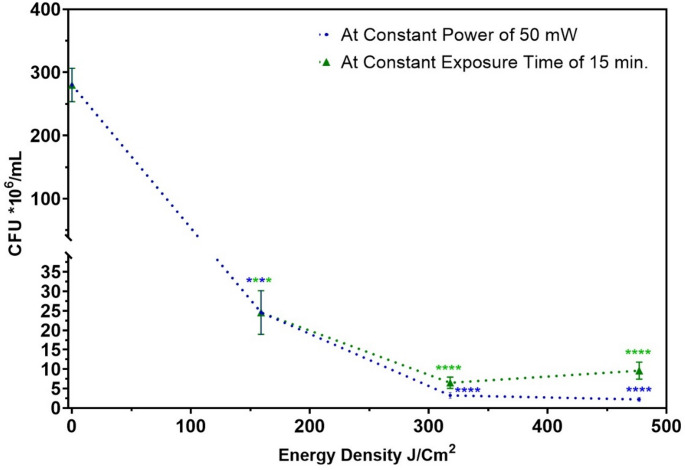 Figure 3
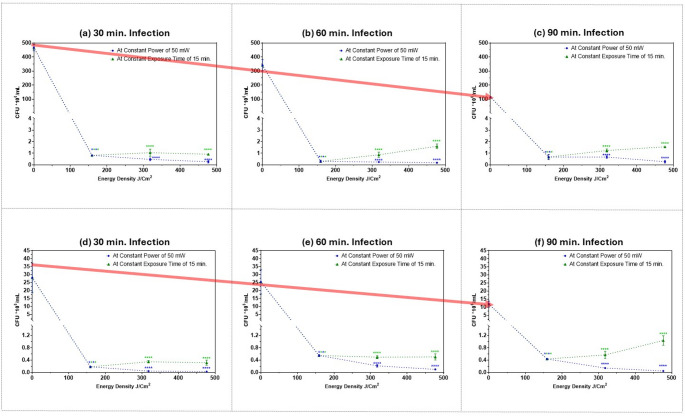 Figure 4
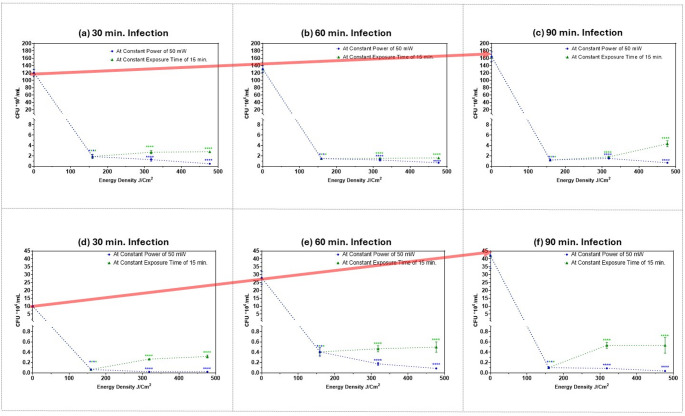 Figure 5
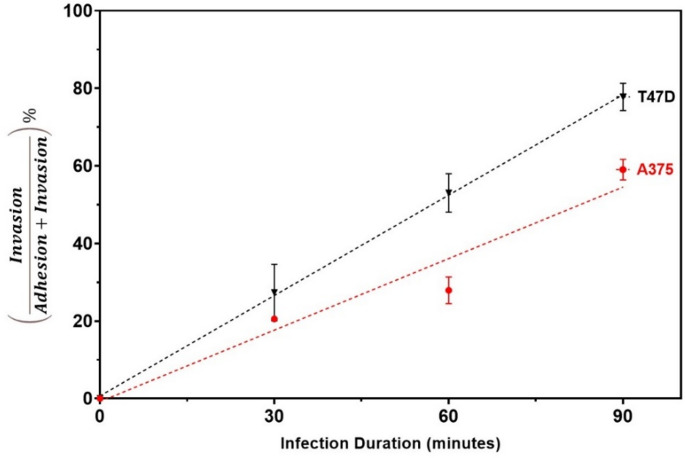 Figure 6
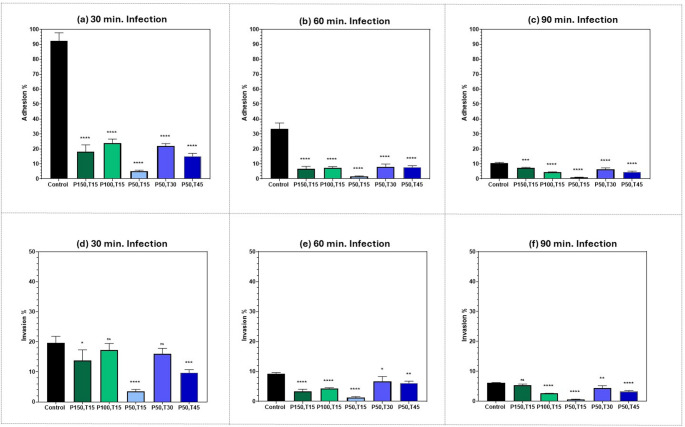 Figure 7
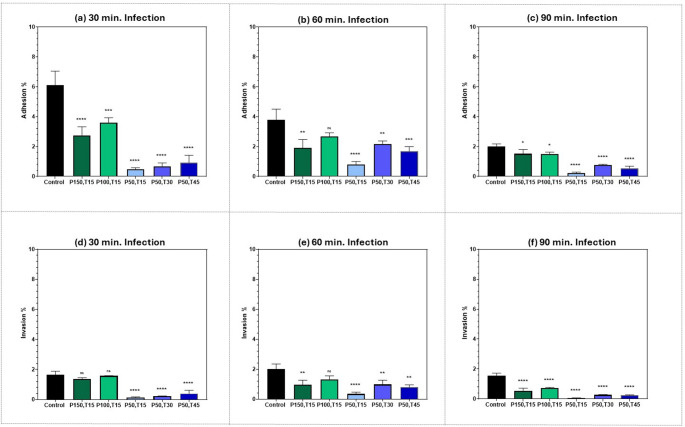 Figure 8
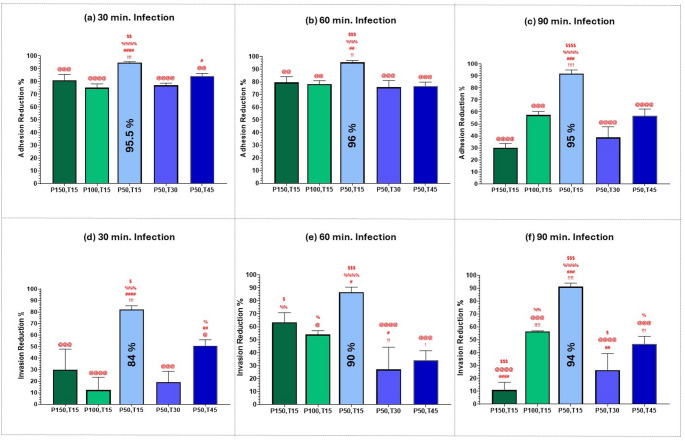 Figure 9
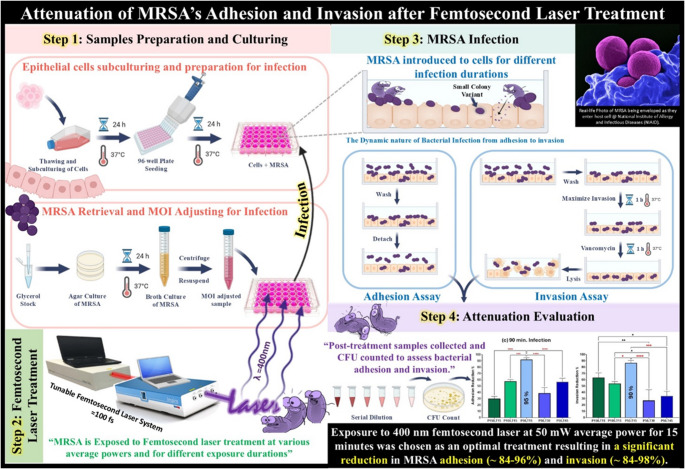 Figure 11
Peer Reviews
No public reviews on file for this paper yet. If you reviewed it on a platform where reviews are public (OpenReview, ICLR, NeurIPS, ICML), you can paste yours below so the community can read it here.
Videos
No videos yet. Explain this paper in a talk, walkthrough, or lecture? Add one.
Taxonomy
TopicsPhotodynamic Therapy Research Studies · Ocular Infections and Treatments · Bacterial Identification and Susceptibility Testing