KinMethyl: robust methylation detection in prokaryotic SMRT sequencing via kinetic signal modeling and deep feature integration
Jichen Zhang, Yutaka Saito

TL;DR
KinMethyl improves detection of DNA methylation in bacteria using deep learning and kinetic signals from SMRT sequencing.
Contribution
KinMethyl introduces a novel deep learning framework that integrates sequence and kinetic signals for robust methylation detection in prokaryotes.
Findings
KinMethyl outperforms existing tools in methylation detection across bacterial species and modification types.
The method improves AUC by up to 0.20 for 5mC classification with statistical significance.
Performance improvements are consistent across species and sequencing platforms like RSII and Sequel.
Abstract
Accurate detection of 5-methylcytosine (5mC) from PacBio single-molecule real-time (SMRT) sequencing remains challenging in prokaryotes due to weak kinetic signals and motif diversity. Here, we present KinMethyl, a generalizable deep learning framework that integrates sequence and kinetic signals to improve methylation detection across diverse bacterial genomes. Central to our approach is a regression model trained on whole-genome amplified samples to estimate the expected kinetics signals of unmethylated sequences. These predicted signals are incorporated into a downstream classifier to enhance the performance under low signal-to-noise conditions. KinMethyl outperforms existing tools such as kineticstools and ccsmeth across multiple bacterial species, methylation motifs, and modification types not only 5mC but also N6-methyladenine (6 mA) and N4-methylcytosine (4mC). In 5mC…
Genes, proteins, chemicals, diseases, species, mutations and cell lines named across the full text — each resolved to its canonical identifier and authoritative record.
Click any figure to enlarge with its caption.
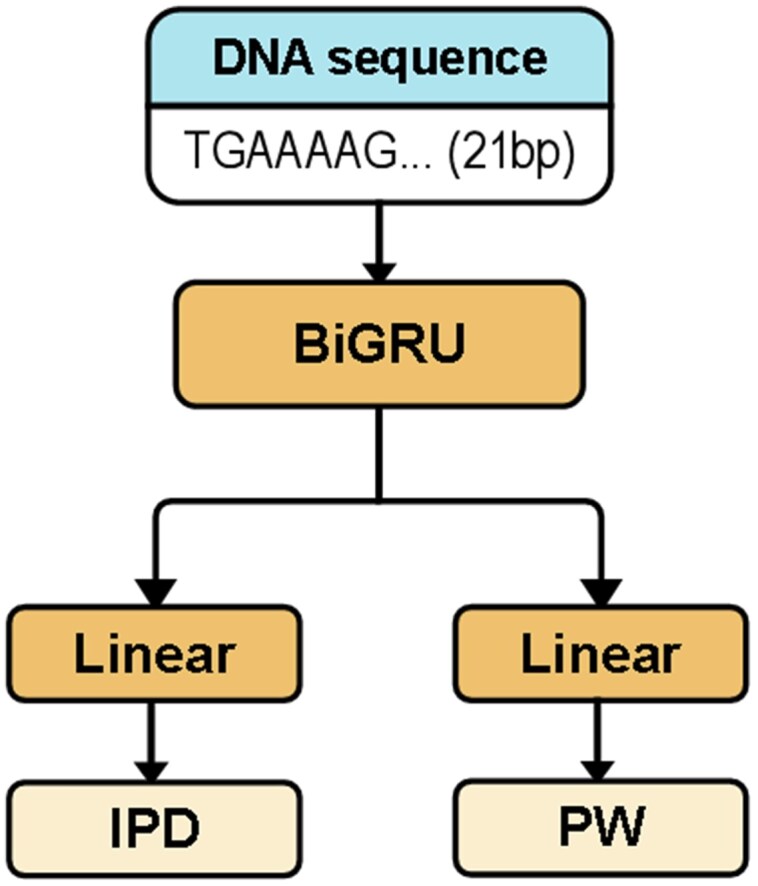 Figure 1
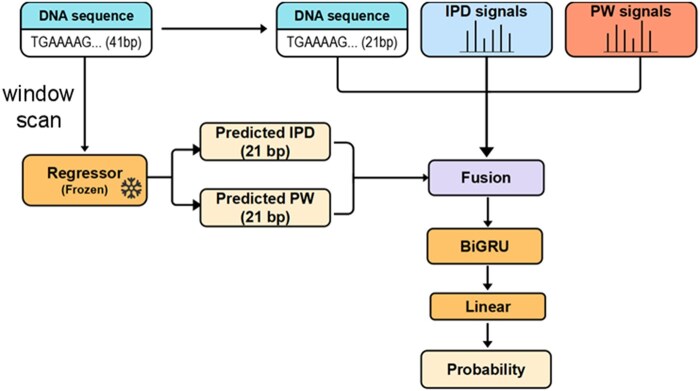 Figure 2
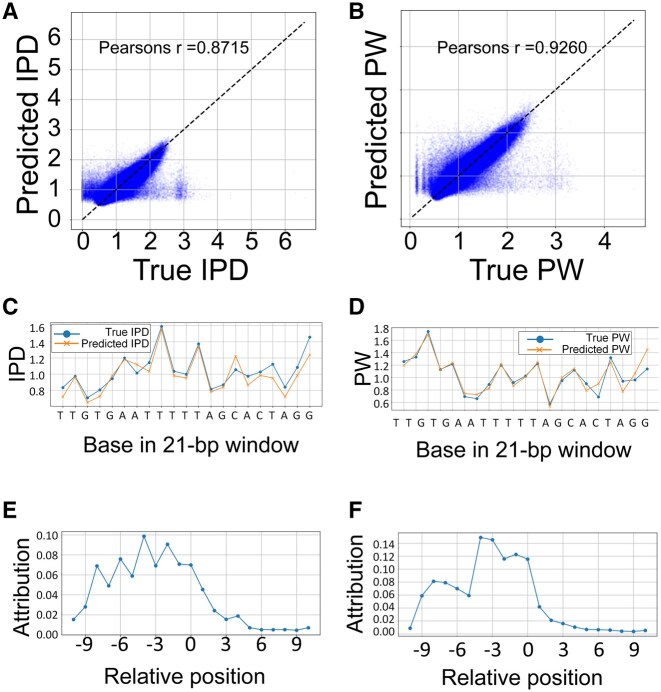 Figure 3
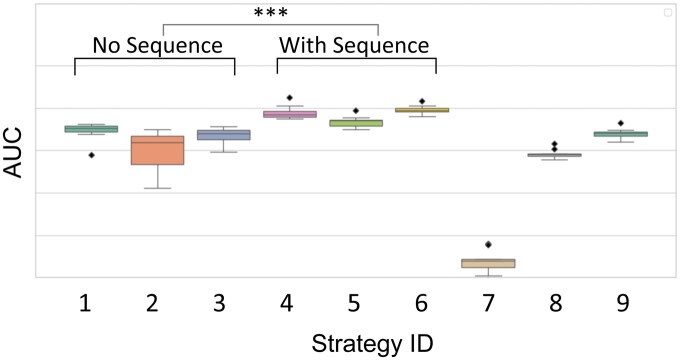 Figure 4
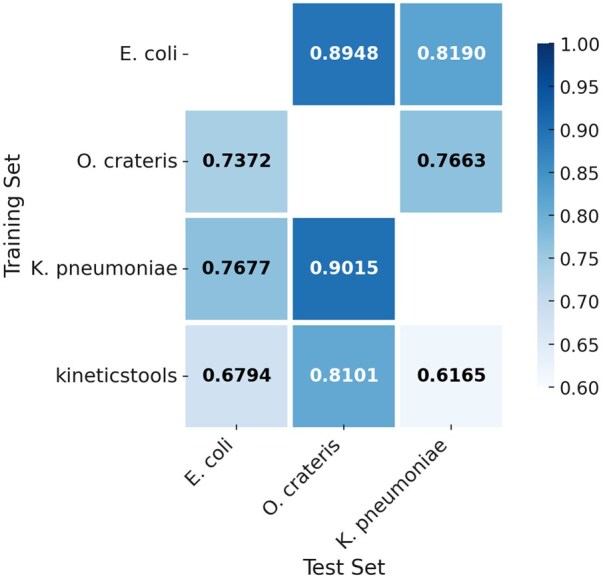 Figure 5
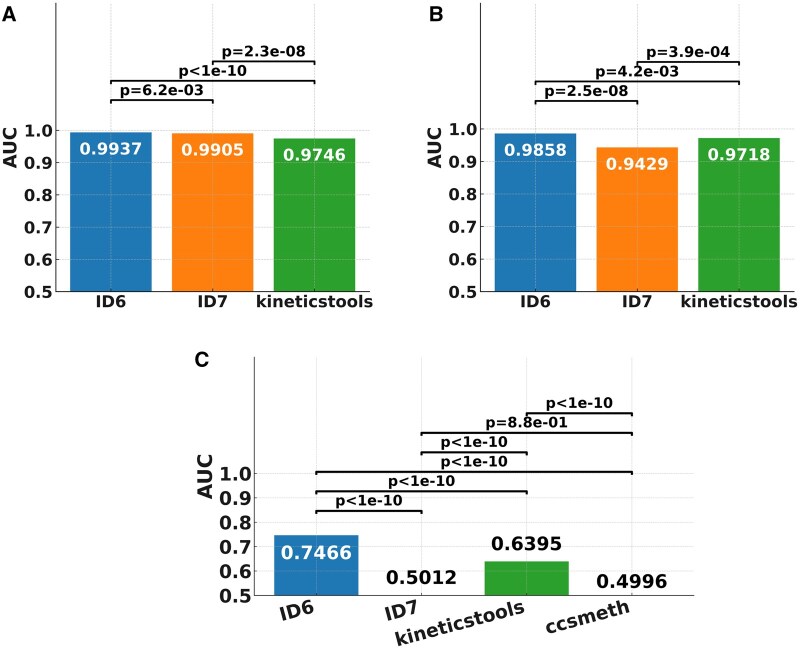 Figure 6
Peer Reviews
No public reviews on file for this paper yet. If you reviewed it on a platform where reviews are public (OpenReview, ICLR, NeurIPS, ICML), you can paste yours below so the community can read it here.
Videos
No videos yet. Explain this paper in a talk, walkthrough, or lecture? Add one.
Taxonomy
TopicsGene expression and cancer classification · Machine Learning in Bioinformatics · Genomics and Phylogenetic Studies