Ultrasound-Stimulated Microbubble Cavitation Combined With Anti-PD-L1 Blockade Inhibits the Progression of MC38 Tumors and Alters the Composition of Gut Microbiota in Mice
Hui Li, Guoliang Yang, Jun Yang, Jiabei Yin, Lei Yao, Yi Zhang, Jingzhen Zhu, Yiyi Liao, Zheng Liu, Ningshan Li

TL;DR
Combining ultrasound-stimulated microbubble cavitation with anti-PD-L1 therapy in mice reduces tumor growth and changes gut microbiota composition.
Contribution
This study reveals how combining USMC with anti-PD-L1 therapy alters gut microbiota and improves tumor treatment outcomes in mice.
Findings
Combining USMC and anti-PD-L1 therapy significantly reduces tumor volume and weight in mice.
The treatment combination prolongs survival and alters gut microbiota composition.
Four bacterial genera are positively linked to treatment efficacy in the combined therapy group.
Abstract
PD-L1 inhibitor immunotherapies have achieved significant advances in cancer treatment, yet only a subset of patients benefits, with response rates varying widely. Previous studies demonstrated that ultrasonic-stimulated microbubble cavitation (USMC) enhances the antitumor effects of PD-L1 inhibitors, suppressing tumor progression and prolonging survival in murine models. Given the gut microbiome's critical role in antitumor immunity and treatment efficacy, the interplay between USMC, immunotherapy, and gut microbiota remains poorly understood. To investigate this relationship, we conducted 16S rDNA sequencing to analyze the gut microbiota in mice across four treatment groups: control (ck), USMC group (um), PD-L1 inhibitor (pdl1), and USMC+PD-L1 inhibitor (um-pdl1). Our results revealed significant variations in gut microbial composition and abundance among the groups. Notably, we…
Genes, proteins, chemicals, diseases, species, mutations and cell lines named across the full text — each resolved to its canonical identifier and authoritative record.
Click any figure to enlarge with its caption.
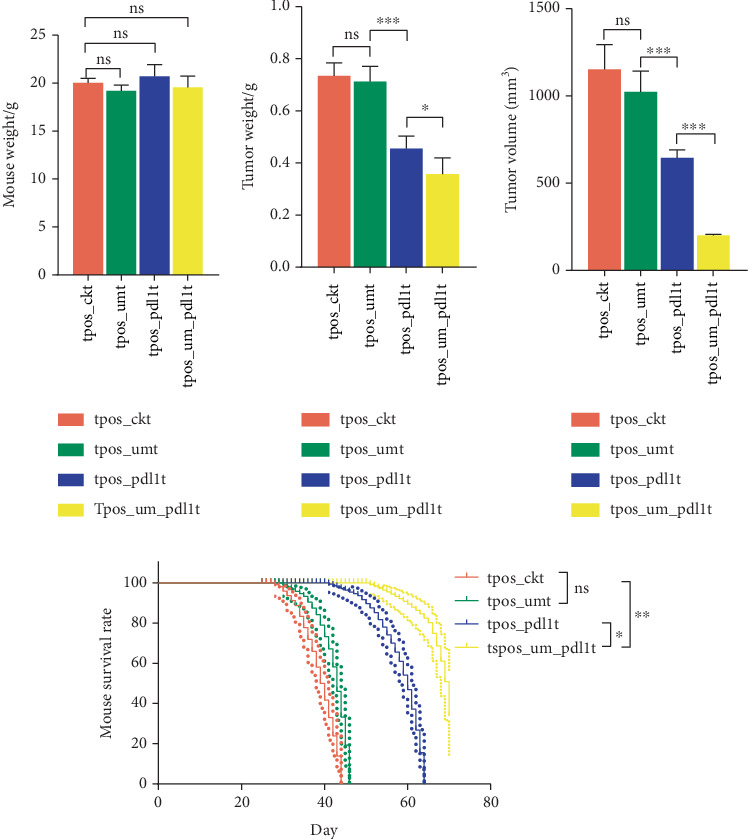 Figure 1
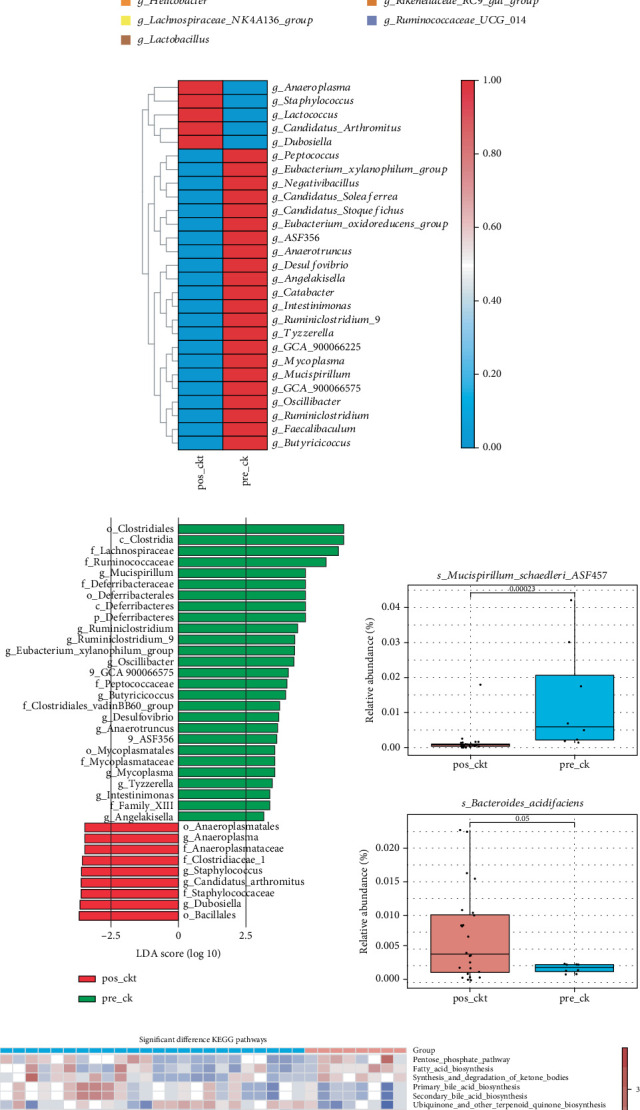 Figure 2
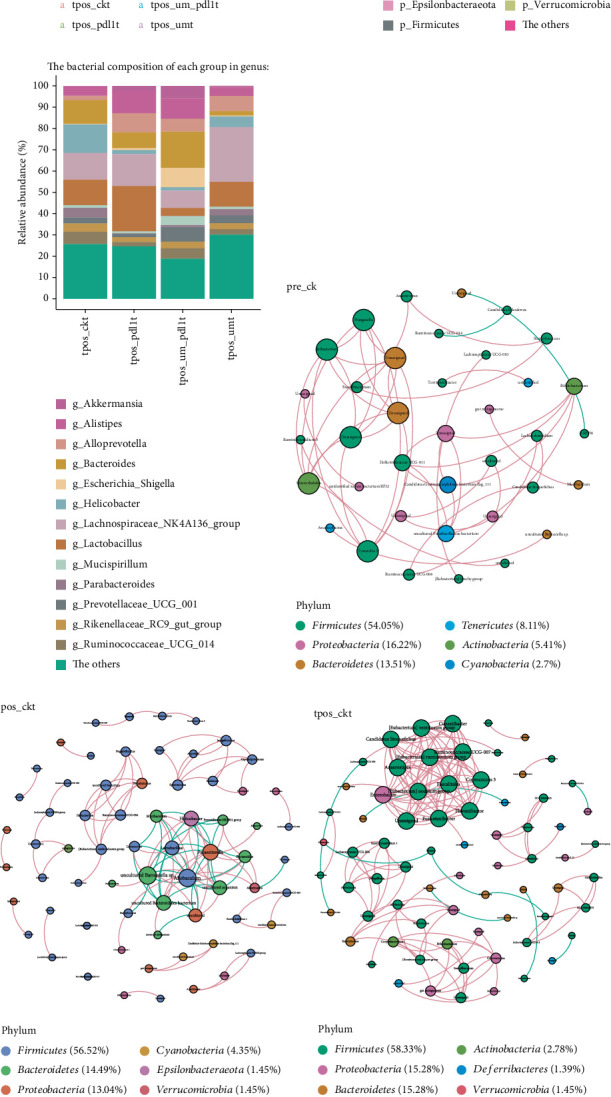 Figure 3
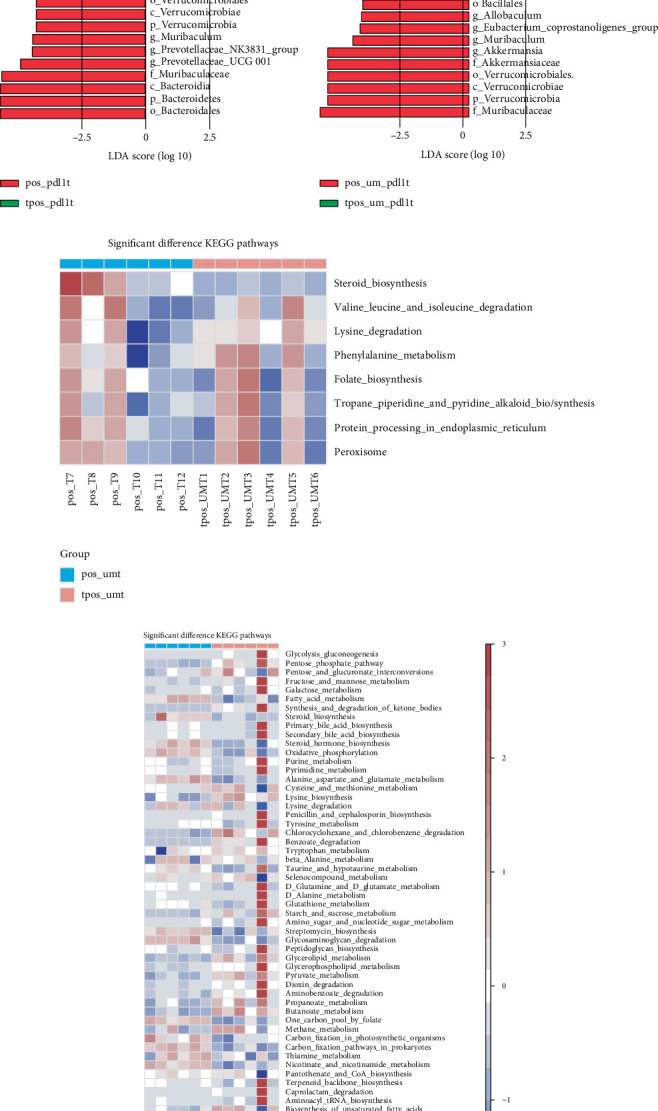 Figure 4
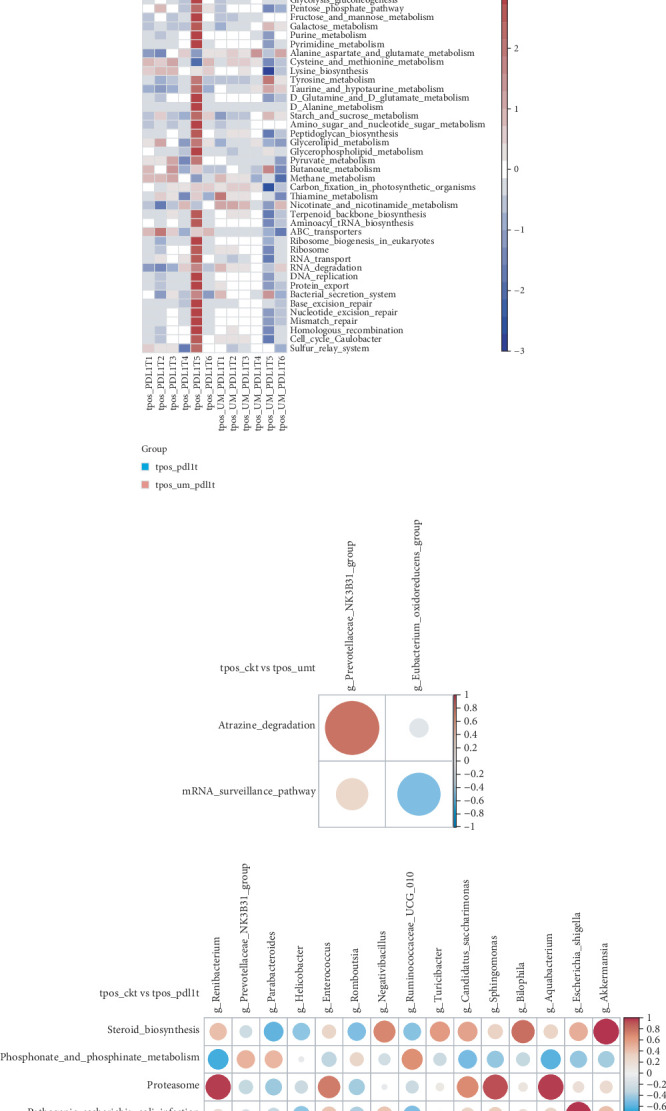 Figure 5
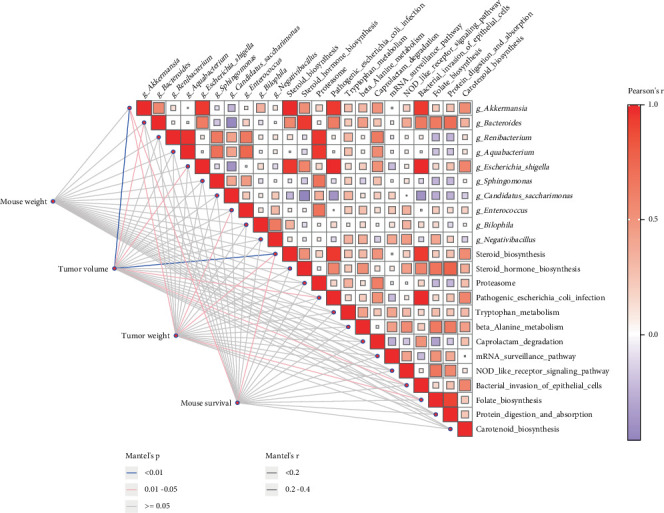 Figure 6
Peer Reviews
No public reviews on file for this paper yet. If you reviewed it on a platform where reviews are public (OpenReview, ICLR, NeurIPS, ICML), you can paste yours below so the community can read it here.
Videos
No videos yet. Explain this paper in a talk, walkthrough, or lecture? Add one.
Taxonomy
TopicsUltrasound and Hyperthermia Applications · Barrier Structure and Function Studies · Effects of Radiation Exposure