Congenital Diaphragmatic Hernia and Congenital Nephrotic Syndrome in a Low-Birth-Weight Infant: A Case Report
Yotaro Misaki, Ryo Oi, Taiki Haga, Takahiro Ishida, Takaaki Sakaguchi, Takuya Matsuda, Takao Kazuta, Toshiaki Kan, Hikoaki Oba, Yoko Akamine, Ryutaro Hisatomi, Rika Fujimaru, Yuichi Takama, Takashi Sasaki, Yasuyoshi Otsuka

TL;DR
A low-birth-weight infant with congenital diaphragmatic hernia and nephrotic syndrome required complex dialysis and surgical management, but ultimately succumbed to complications.
Contribution
This case report highlights the challenges of managing overlapping congenital conditions in low-birth-weight infants requiring dialysis and surgical intervention.
Findings
The infant required continuous hemodialysis due to peritonitis and surgical site complications.
Vascular occlusion and superior vena cava syndrome prevented continuation of dialysis.
Multidisciplinary management is crucial for infants with CDH and CNS.
Abstract
We encountered a case of congenital diaphragmatic hernia (CDH) and congenital nephrotic syndrome (CNS) in a low-birth-weight infant weighing < 2 kg. Dialysis was required due to progressive acute kidney injury in the early postnatal period, and a peritoneal dialysis (PD) catheter was placed during CDH repair surgery. During the postoperative acute phase, continuous hemodialysis (CHD) was performed to minimize stress on the surgical site; however, owing to PD-related peritonitis and sutural insufficiency of the diaphragm, the transition to PD was not feasible, necessitating prolonged CHD. During the course of the illness, the patient developed vascular occlusion in the vessels suitable for blood access and superior vena cava syndrome, ultimately rendering continued CHD and PD impossible, leading to death at 74 days of age. Respiratory and circulatory management are required during the…
Genes, proteins, chemicals, diseases, species, mutations and cell lines named across the full text — each resolved to its canonical identifier and authoritative record.
Click any figure to enlarge with its caption.
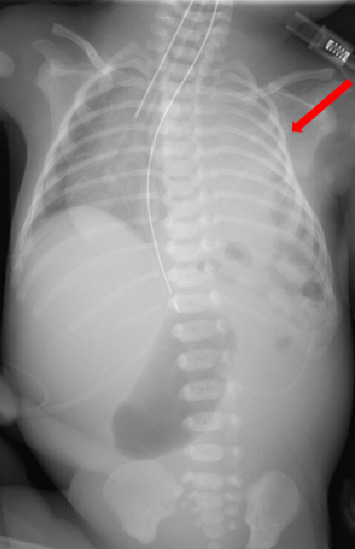 Figure 1
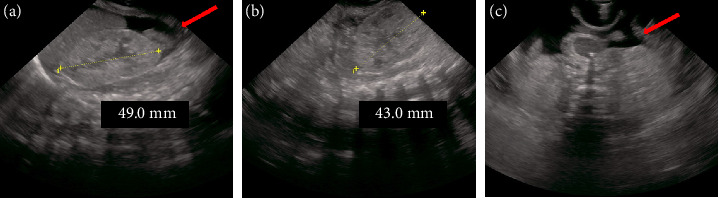 Figure 2
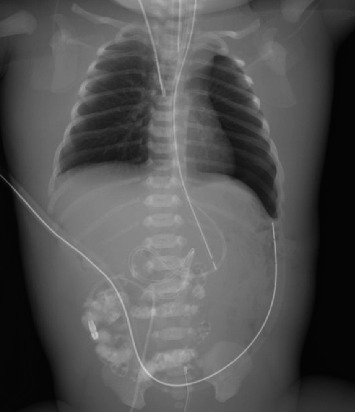 Figure 3
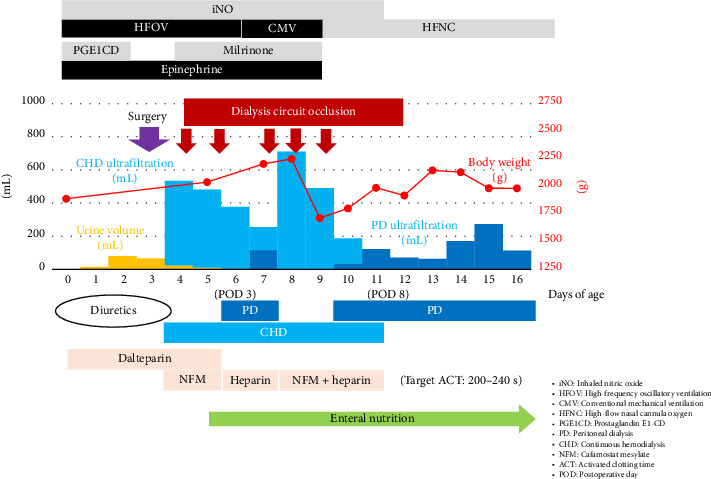 Figure 4
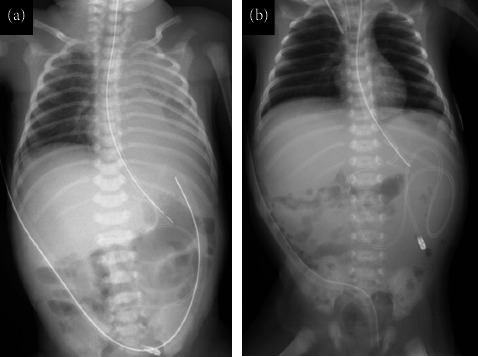 Figure 5
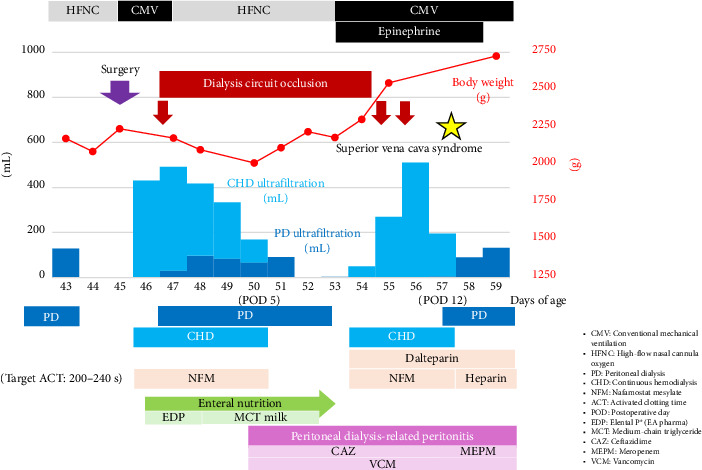 Figure 6
Peer Reviews
No public reviews on file for this paper yet. If you reviewed it on a platform where reviews are public (OpenReview, ICLR, NeurIPS, ICML), you can paste yours below so the community can read it here.
Videos
No videos yet. Explain this paper in a talk, walkthrough, or lecture? Add one.
Taxonomy
TopicsCongenital Diaphragmatic Hernia Studies · Electrolyte and hormonal disorders · Renal and related cancers